Across Jewish cultures and kitchens, the plum has held a quiet but persistent role. Whether fresh and bright in summer breads, simmered into plum compotes for Shabbat, dried into prunes for sweet or savory dishes, or distilled into a ceremonial slivovitz, the fruit has traveled with communities through centuries of trade, migration, and adaptation. This article examines the history of the Jewish plum, its varieties, and the uses that shape traditional and modern recipes. By tracing the journey from ancient orchards to shtetl kitchens and contemporary households, we can appreciate how this fruit reflects resilience, creativity, and the shared flavors of memory.
The plum family belongs to the genus Prunus and has a long history dating back to Asia, with wild varieties found in Central and East Asia thousands of years ago. From there, cultivated plums spread through Europe and the Middle East. In many Jewish communities, the fruit arrived as part of broader exchanges along medieval trade routes, agricultural introductions during diasporic movements, and the enduring relationships between farmers, bakers, distillers, and households. While the exact routes into every Jewish region vary, the plum quickly became a familiar ingredient in both everyday meals and holiday preparations.
Ashkenazi and Sephardic experiences with the plum
Among Ashkenazi communities in Central and Eastern Europe, the damson and other European plum varieties were valued for their seasonality and preserved forms. Local orchards produced fresh fruit in the summer and dried or canned plums for the winter months. In many households, dried plums—known as prunes—were a staple that could be kept for weeks or months and used to sweeten stews, kugels, and baked goods. In this sense, the Jewish plum played a practical role in food security and meal planning long before modern supply chains. For Sephardic and Mizrahi Jewish communities located around the Mediterranean and in Iberia, plums and plum preserves appeared in pantry staples, including sauces and desserts, often flavored with spices that reflected regional tastes such as cinnamon, orange blossom, and rose water. The shared thread across these regions is a fruit that could be enjoyed fresh, dried, preserved, and transformed into liqueurs or baked goods, illustrating the versatility of the plum in Jewish culinary tradition.
Slivovitz and plum-based traditions in Eastern Europe
In Eastern Europe, where many Ashkenazi communities took root, the slivovitz (plum brandy) became a notable cultural artifact. Distilled from fermenting plums, slivovitz has a storied presence across Jewish households, shtetls, and neighboring Slavic communities. It functioned not only as a drink but as a symbol of hospitality, ritual, and social life. While modern Jewish dietary laws (kashrut) guide how food and drink are prepared for religious observances, the sharing of a small glass of plum brandy could accompany celebrations, seasonal gatherings, and meals in ways that integrated tradition with daily life. The plum thus appears in a form that reflects both cuisine and culture—the fruit as a bridge between memory and present moment.
Preservation, Sabbath, and holidays
Preserving plums—whether as jam, dried fruit, or pickled preserves—aligned with Jewish practices of making the most of seasonal harvests. Dried plums, carefully stored and ready for use in tzimmes and other festive dishes, allowed households to maintain a pantry of flavors for the Shabbat and holidays. In many families, the ritual dimensions of food—how a dish is prepared, shared, and described—became part of the memory surrounding the Jewish plum. This is visible not only in written recipes but in storytelling around meals that connect generations through taste and tradition.
Varieties, preparation methods, and everyday uses
Key plum varieties associated with Jewish cooking
Damson plums (damsons): small, purple-blue fruits with a tart-sweet flavor, commonly used in puddings, compotes, and preserves.
European plums (Prunus domestica and related cultivars): larger, sweeter fruits ideal for fresh eating, baking, and making jam or chutney.
Prunes (dried plums): a pantry staple in many Jewish kitchens, supplying sweetness and texture to stews, meat dishes, and desserts.
Slivovitz plums (often the source of plum brandy): varieties grown specifically for distillation may include damson-like or European-type plums, chosen for aroma and alcohol yield.
Common uses in traditional and modern kitchens
Fresh use: plums added to compotes, tarts, breads, and cakes; summer desserts highlight the fruit’s bright acidity and color.
Preserves and jams: plum preserves, sometimes sweetened with sugar and spiced with cinnamon, clove, or citrus zest, are spread on challah and other breads during breakfast and Shabbat.
Prunes and dried plum dishes: dried plums are simmered with onions, carrots, and spices to sweeten savory dishes, including stews and tzimmes-style preparations.
Sauces and glazes: plum-based sauces accompany roasted meats, chicken, or fish, balancing richness with natural sweetness.
Drinks and distillates: plum brandies or liqueurs, such as slivovitz, served in ceremonial or celebratory contexts, or enjoyed as an after-dish digestif in some households.
Textural and flavor considerations
When choosing plums for a given dish, cooks consider acidity, sweetness, and texture. Damson-type plums typically offer more acidity and a firmer flesh, good for preserves and baking where a tart note helps balance sweetness. Sweeter European plums work well in baked goods and fresh desserts, bringing a mellow, fruity aroma. Dried prunes contribute body and a caramelized sweetness that deepens sauces and braises. In Jewish cooking—as in many culinary traditions—the ability to transform the same fruit across modes of preparation is part of the skill and repertoire passed down through generations.
Seasonality and pantry planning
Seasonality matters: plums peak in summer, while dried prunes provide a winter counterpart. A well-stocked Jewish pantry often includes both fresh plums for immediate use and dried prunes for longer-term projects. The plum appears in the pantry as a flexible ingredient—usable in sweet and savory contexts, preserving a flavor memory of the season even when fresh fruit is scarce.
Traditional recipes and variations using the Jewish plum
Sweet Plum Kugel with Noodles or Matzo
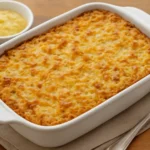
A classic kugel can be enriched with fresh or dried plums, yielding a dish that is comforting for Shabbat and holidays. The recipe below presents a version that blends traditional elements with the distinctive sweetness of plums.
Ingredients:
8 oz egg noodles or thin shaved noodles (for a matzo version, substitute matzo meal or cut matzo into strips)
3 cups fresh plums, pitted and sliced
2 large eggs
1 cup milk (or dairy-free alternative)
1/2 cup sugar (adjust to taste)
3 tbsp butter or oil
1/2 tsp ground cinnamon
Pinch of nutmeg (optional)
Pinch of salt
Method:
Preheat the oven to 350°F (175°C). Grease a baking dish.
Cook the noodles until just tender, drain, and toss with a tablespoon of butter.
Whisk eggs, milk, sugar, salt, cinnamon, and nutmeg in a bowl.
Layer noodles in the dish, scatter plum slices between layers, then pour the egg mixture over the top.
Dot with remaining butter. Bake 45-55 minutes until the top is set and lightly golden.
Let rest for 10 minutes before serving. This kugel pairs well with milk-based kugels and can be served warm or room temperature.
Plum Tzimmes (Traditional with a Plum Variation)
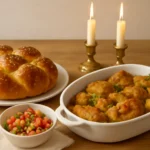
Tzimmes is a classic Jewish dish that traditionally features honeyed carrots and dried fruits. Introducing fresh or dried plums adds a bright acidity that complements the sweetness. This variation keeps the spirit of the dish while highlighting the plum’s versatility.
Ingredients:
1 lb sweet carrots, sliced
1 medium onion, sliced
1 cup dried prunes or plums, chopped
1 cup fresh plum halves or thick-sliced plums
1/4 cup orange juice or water
2-3 tbsp honey or brown sugar
1/4 cup oleaster oil or neutral oil (or use schmaltz for a richer profile)
Salt and pepper to taste
Method:
In a skillet, sauté onions in oil until translucent and lightly caramelized.
Add carrots and continue to cook for a few minutes, stirring.
Stir in prunes/plums, orange juice, honey, and a pinch of salt.
Transfer to a baking dish, top with plum halves, and cover with foil.
Bake at 350°F (175°C) for 45-55 minutes, until everything is tender and the flavors meld.
Season to taste and serve as a sweet-savory accompaniment to main courses or on its own as a holiday side.
Plum Jam or Plum Preserves (Challah or Bread Spread)
A simple plum jam brings fruit-forward brightness to Shabbat challah or morning toast. This recipe emphasizes a balanced sweet-tresh acidity and can be adapted with spices for extra warmth.
Ingredients:
3 cups fresh plums, pitted and chopped
1 cup sugar
1/4 cup water
1 cinnamon stick or 1/2 tsp ground cinnamon
1 tablespoon lemon juice
Method:
Combine all ingredients in a heavy-bottomed pot.
Bring to a boil, then reduce heat and simmer, stirring occasionally, until the mixture thickens to a jam-like consistency (20-40 minutes).
Remove cinnamon stick, if used, and spoon into sterilized jars.
Cool completely before sealing and refrigerating. This jam can be used on challah, cakes, or as a glaze for pastries.
Skillet Plum Chicken with a Slivovitz Glaze (Holiday or Shabbat Special)
For a celebratory dish, a glaze based on slivovitz or plum liqueur offers depth and aroma without overwhelming the meat. This recipe shows how the plum flavor can harmonize with poultry.
Ingredients:
4 chicken thighs or breasts, skin on
1 cup fresh plum slices
1/2 cup slivovitz or plum brandy
2 cloves garlic, minced
1/4 cup chicken stock
1 tbsp olive oil
Salt and pepper
Method:
Season chicken with salt and pepper. Sear in a hot skillet with olive oil until browned on both sides.
Add garlic and plum slices, then deglaze with slivovitz.
Pour in stock, reduce heat, and simmer until chicken is cooked through and the plums have broken down into a glossy glaze.
Serve with the plums spooned over the top and a side of grain or potatoes.
Plum Kuchen (Plum Cake) with Streusel Topping
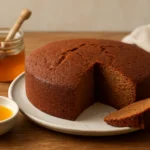
In many Jewish households, fruit-based cakes mark festive occasions. A plum cake or kuchen with a crumbly streusel topping is a crowd-pleaser and a versatile dessert that can be served warm or at room temperature.
Ingredients:
2 cups all-purpose flour
1/2 cup sugar
1/2 cup butter, cold and cubed
1/2 cup milk
2 eggs
1 1/2 cups plums, pitted and halved
1 tsp baking powder
1/4 tsp salt
Method:
Preheat oven to 350°F (175°C). Grease a cake pan.
Make a crumbly streusel by rubbing flour, sugar, and butter until it resembles coarse crumbs.
Whisk eggs, milk, and a pinch of salt; fold in baking powder and flour to make a smooth batter.
Pour batter into the pan, arrange plum halves on top, and sprinkle with streusel.
Bake 40-50 minutes, until a toothpick comes out clean and the cake is golden.
Prune and Plum Compote (Versatile and Easy)
A compote is perhaps one of the simplest and most versatile ways to enjoy plums year-round. This version blends fresh plums with dried prunes for a texture-rich sauce that can accompany breakfast, yogurt, pancakes, or roast meats.
Ingredients:
1 cup fresh plum quarters
1/2 cup chopped prunes
1/2 cup water
1-2 tbsp honey or sugar (to taste)
1 tsp lemon zest
Pinch of cinnamon (optional)
Method:
Combine all ingredients in a small saucepan.
Simmer gently until plums have softened and the mixture thickens to a sauce-like consistency, about 15-20 minutes.
Cool slightly and serve warm or chilled. Store leftovers in the refrigerator.
These recipes illustrate how the plum can anchor both traditional and contemporary Jewish cooking. They also demonstrate how the same fruit can be adapted to suit holidays, daily meals, and celebratory occasions, reinforcing the idea that history and taste go hand in hand in the kitchen.
Notes on kosher considerations and modern variations
When preparing dishes that involve fruit, alcohol, or dairy, cooks should consider customary kosher guidelines and household practices. For example, the use of slivovitz or any plum brandy in a recipe should be aligned with the kashrut status of the product and the meat/pareve/dairy context of the meal. Some families may prefer non-alcoholic plum syrups or tart cherry alternatives for a similar glaze or flavor profile. The flavors of plums pair well with many spice notes common to Jewish cooking, including cinnamon, clove, orange zest, and lemon. This flexibility invites cooks to adapt authentic dishes to their own sensibilities and dietary traditions while preserving the core idea of honoring the plum as a link to memory and community.
In modern kitchens, the Jewish plum may also appear in fusion dishes that reflect diaspora experiences—such as plum sauces for grilled fish, or plum-topped cookies inspired by bakeries in distant homelands. The essential thread remains a fruit that carries both flavor and memory, transforming across contexts while retaining a sense of place in Jewish culinary history.