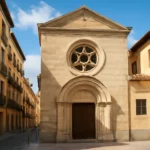
Overview of Paris’s Jewish Quarter: Le Marais and the Pletzl
In the heart of Paris, the notion of a Jewish neighborhood Paris evokes a long and layered history, vibrant street life, and a contemporary culture that blends tradition with modern urban energy. The most famous touchstone for this heritage is the Le Marais, a historic district that straddles the 3rd and 4th arrondissements on the Right Bank along the Seine. Within Le Marais lies the Pletzl, Yiddish for “little square,” a name that captures the soul of the area when it became a hub for Ashkenazi Jewish life in the late 19th and early 20th centuries.
Today, the Jewish neighborhood Paris is not a single, isolated enclave but a living mosaic. It preserves synagogues, bakeries, kosher markets, museums, and bookstores, while also welcoming visitors who want to learn about a culture that has contributed profoundly to Paris’s broader identity. This comprehensive guide explores the Marais as the principal Parisian Jewish quarter, its historical evolution, the daily life of residents and worshippers, and practical tips for travelers seeking a respectful and enriching encounter with this fascinating urban landscape.
A brief history of Paris’s Jewish neighborhood
Origins and the medieval phase of the Jewish community
The story of the historic Jewish district in Paris begins long before the modern iteration of the Marais as a cosmopolitan quarter. Jewish presence in Paris stretches back to at least the medieval era, with communities that often centered around synagogues and markets in and around what would become known as Le Marais. In this early period, the Parisian Jewish community faced legal restrictions and social challenges that shaped its temporary migrations, economic niches, and religious life.
Though the word “ghetto” evokes shadows of later European history, Paris’s own Jewish districts did not always correspond to a single, isolated zone. Rather, a pattern emerged in which small congregations and businesses clustered in neighborhoods that offered both security and access to a broad urban audience. Over centuries, these settlements contributed to the city’s commercial vitality, scholarly life, and cultural exchange.
From the Renaissance to the Enlightenment: diversification and resilience
As the centuries progressed, waves of Jewish migration and adjustment to changing laws and norms helped the community diversify. By the 18th and 19th centuries, Paris’s Jewish quarter began to take on a more recognizable form as a center for Ashkenazi Jews, many of whom arrived from Eastern Europe seeking economic opportunity and religious freedom. The streets of what would become the Pletzl—the heart of the Jewish quarter—saw a flourishing of synagogues, schools, meat markets, bakeries, and other communal institutions that created a distinctive urban rhythm.
The 19th and 20th centuries: immigration, growth, and challenges
The late 19th and early 20th centuries marked a defining era for the Jewish neighborhood Paris as large numbers of Jews settled in the area, bringing with them languages, cuisines, religious customs, and cultural practices from across Europe and beyond. The Marais Jewish quarter became a place where Shtetl memories could mingle with modern urban life. Markets along narrow lanes, kosher butchers and delicatessens, Orthodox synagogues, and secular Jewish cultural institutions formed a dense social fabric.
The decades that followed brought upheaval, including the dark chapters of World War II. Yet the community demonstrated remarkable resilience. After the war and into the postwar era, the Paris Jewish neighborhood reinvented itself, balancing memory with renewal, and preserving a sense of communal continuity in the heart of the city.
Le Marais today: the architecture, layout, and character of the Jewish neighborhood
The Le Marais Jewish quarter remains a living district where history is visible in the architecture as well as in daily routines. Its streets—narrow, winding, and often lined with elegant townhouses—tell stories of generations of residents who lived, prayed, worked, and shopped here. The area’s urban form reflects centuries of change: medieval cores, 17th- and 18th-century hôtels particuliers (grand private mansions), and 19th-century renovations that accommodated a growing Jewish community.
Rue des Rosiers is the symbolic center of the Pletzl, a lively artery dotted with bakeries, cafés, and distinctive Jewish eateries. This street frame has become a quintessential image of the Parisian Jewish quarter, drawing locals and visitors who want to experience a sensory snapshot of Jewish life in Paris.
The area houses several synagogues, ranging from the historic to the modern, each serving a distinct segment of the community. While the grandest, the Grand Synagogue of Paris, stands as a national landmark, smaller congregations on adjacent streets cradle neighborhood life and daily worship.
Markets, bakeries, and kosher shops line the main thoroughfares and the side streets, offering a tangible connection to the culinary traditions that are a cornerstone of the Jewish neighborhood Paris. Visitors can encounter matzah, challah, bagels with schmear, and an array of kosher meats and dairy products that reflect a centuries-old dietary heritage.
The surrounding architecture blends religious sites with secular culture—museums, galleries, and cultural centers that explore Jewish history, art, and thought within the broader Parisian landscape.
Religious spaces and community life in the Marais
The Paris Jewish quarter is notable for its diversity of religious practice and institutional life. The Grand Synagogue of Paris remains a symbol of Jewish religious life in the capital, while the neighborhood is also home to smaller synagogues that serve different traditions and languages—Ashkenazi and Sephardi, Orthodox and liberal, traditional prayer and modern study groups. The presence of multiple congregations within walking distance reinforces the sense that this is not a single monolithic community but a spectrum of practices and identities united by shared history.
Language, culture, and daily rhythms
In the Marais, language often reflects the mosaic of origins that converged in the Parisian Jewish quarter. Yiddish phrases might mingle with Hebrew prayers, French street talk, and the languages of the diverse immigrant families who contribute to the neighborhood’s cultural texture. Markets and cafés become classrooms of everyday life where tradition and modernity intersect, making the area a potent example of how a Jewish neighborhood Paris can remain vital in a global city.
Landmarks, routes, and experiences: a guide to walking through the Marais Jewish district
For visitors, the best way to absorb the essence of Paris’s Jewish quarter is to walk its streets with curiosity and respect. A stroll through the Marais reveals a layered narrative: centuries-old stonework, the scent of freshly baked rye bread, the sound of prayers, and the effervescent energy of a city that has learned to welcome difference.
Rue des Rosiers and its sidewalks offer a concentrated dose of the quarter’s atmosphere. Here you’ll find iconic bakeries, traditional delis, and small cafés that have fed generations of shoppers and passersby.
Historical synagogues cluster along the streets near the Pletzl and beyond, providing a sense of the neighborhood’s spiritual life. Each house of worship has its own story, its own style, and its own schedule of services and educational programs.
Jewish cultural institutions within or adjacent to Le Marais include museums and libraries that curate artifacts, documents, and art connected to the Jewish experience in Paris and Europe more broadly.
Markets and kosher cuisine tempt the palate with a spectrum of traditional foods—breads, sweets, pickles, smoked fish, and hearty dishes—that celebrate a culinary heritage.
Practical walking routes for a day in the Jewish quarter
Start at the heart of the Pletzl and wander toward Rue des Rosiers to observe the blend of storefronts and religious life.
Move toward the main synagogues cluster, taking note of the architectural diversity and the quiet corners where people gather for study or prayer.
Stop for a bite at a kosher bakery or deli to sample classic items like challah, rugelach, or a plate of smoked fish.
End at a cultural institution or bookstore that focuses on Jewish history, art, or thought, gaining a deeper understanding of the community’s contributions to Paris and Europe.
Jewish cuisine and kosher markets in the Parisian Jewish neighborhood
One of the most tangible expressions of the Jewish neighborhood Paris is its food culture. The Marais is home to a concentration of kosher bakeries, delis, and grocers that have preserved traditional flavors while adapting to contemporary tastes. The area is known for classic breads such as challah, bagels, and rye loaves, as well as fish-and-pickle specialties that reflect Ashkenazi and Sephardi influences.
Kosher butcher shops and markets supply a range of meats, poultry, and prepared foods prepared in accordance with Jewish dietary laws.
Bakeries and pastry shops offer matzo, mandelbrot, rugelach, honey cake, and other festive and everyday items that anchor holidays and family life.
Delis and cafés provide quick, hearty meals—think matzah ball soup, brisket sandwiches, and vegetarian options—that reflect the neighborhood’s culinary adaptability.
Wine and dairy shops carry kosher wines and dairy products that pair with seasonal and ceremonial dishes.
For researchers and curious travelers, exploring the Parisian Jewish quarter’s culinary scene offers a window into how a neighborhood sustains tradition while remaining open to new influences. The interplay between food, faith, and daily life is a defining feature of the Le Marais Jewish experience.
Museums, education, and cultural memory in the Marais
The Musée d’Art et d’Histoire du Judaïsme (MAHJ) and other educational venues in the area illuminate the history, art, and thought of Jewish communities in Paris and beyond. Through exhibitions, lectures, and programs, visitors can engage with topics ranging from ancient Jewish artistry to modern-day debates about memory, identity, and belonging. While MAHJ is a central institution, smaller galleries and libraries in the Marais also contribute to a broader understanding of Jewish culture and history.
Key institutions and their roles
MAHJ offers permanent and temporary exhibitions that explore Jewish life across periods and geographies, connecting Paris to a wider diaspora narrative.
Local synagogues often host educational events, adult education classes, and youth programs that foster intergenerational engagement with faith and culture.
Jewish bookstores and libraries preserve a wealth of texts—religious, historical, and literary—that readers can consult to deepen their knowledge.
Engaging with these institutions provides a structured way to understand the complexity of the Paris Jewish neighborhood, from its religious dimensions to its artistic and historical legacies.
Practical tips for visiting Paris’s Jewish quarter
Respect, etiquette, and religious spaces
When exploring the Jewish neighborhood Paris, it’s essential to approach religious spaces with respect. Dress modestly when entering synagogues, speak softly, and follow any posted guidelines or instructions from staff. Some places may enforce seasonal or Sabbath-related rules, so it’s wise to check opening hours in advance and be mindful of holiday schedules.
Hours, opening times, and best times to visit
Many shops and eateries in Le Marais operate on a schedule that blends long daytime hours with mid-afternoon closures and evening service times. Museums and cultural centers may have longer weekend hours, but weekday routines can be more predictable. For the best experience, plan around the rhythm of the neighborhood: mornings for markets and bakeries, late afternoons for strolls through the streets, and evenings for a quiet meal or a guided talk at a cultural venue.
Safety, accessibility, and inclusivity
The Paris Jewish quarter is a safe and welcoming place for visitors, but it’s always prudent to stay aware of your surroundings in busy urban areas. If you have accessibility needs, many of the historic streets are narrow and uneven; some museums and institutions provide accessible routes and accommodations. Engaging with local guides or visitor centers can enhance your experience and help you navigate the area with ease.
What to bring and how to engage
Consider bringing a small guidebook or a smartphone app that can help you identify major landmarks and provide short explanations about their significance. If you are curious about distinctive foods, prepare a list of items you want to try—such as challah, bagels with lox, or a selection of kosher pastries—and ask vendors for insights about their specialties. When asking questions, a respectful approach invites more meaningful conversations with shopkeepers, rabbis, and residents who are often happy to share knowledge about their community.
Variations of the term: how to talk about the community
You may encounter different expressions that refer to the same overarching community. Some common variations include Paris’s Jewish quarter, the Marais Jewish neighborhood, Le Marais’s Pletzl, and simply the Jewish district in Paris. Each phrasing highlights a facet of the same place, and using a mix of terms can help you find a broader range of sources, tours, and perspectives about the area.
Frequently asked questions about Paris’s Jewish neighborhood
What is the Pletzl?
The Pletzl is the Yiddish term for the core area of the Jewish quarter in Paris, centered in Le Marais around Rue des Rosiers. It is famous for its authentic atmosphere, synagogues, and kosher shops.
Which arrondissement is the Jewish quarter in?
The historic Jewish neighborhood in Paris is primarily located in the 3rd and 4th arrondissements along and near Le Marais. This area is often described as the Jewish quarter of Paris or the Marais Jewish district.
What should I see in the Marais Jewish district?
Key experiences include visiting Rue des Rosiers, exploring synagogues, sampling kosher baked goods and deli foods, and discovering cultural institutions like the Musée d’Art et d’Histoire du Judaïsme and related museums. Walking tours often highlight the evolution of the community and its impact on Paris’s broader culture.
Is it respectful to photograph places of worship?
Always ask for permission when photographing inside or near sacred spaces. Some sites may have restrictions, and respectful behavior is important in a religiously diverse environment.
Are there guided tours focused on Jewish Paris?
Yes. Many operators offer specialized tours that cover the Marais, Rue des Rosiers, synagogues, and museums. A guided visit can provide context that enriches your understanding of the neighborhood’s history and modern life.
Conclusion: the enduring appeal of Paris’s Jewish neighborhood
The Jewish neighborhood Paris, with the Le Marais at its center, stands as a living testament to continuity and change. It is a place where centuries of religious practice, migration, and cultural exchange intersect with the pulse of a modern, global capital. The Pletzl preserves the memory of a community that built networks of solidarity and shared love of learning, while the surrounding streets constantly reinvent themselves through contemporary art, cuisine, and civic life.
For travelers seeking a meaningful encounter with Paris, the Parisian Jewish quarter offers more than a historical narrative. It invites you to walk its lanes, taste its foods, listen to its stories, and reflect on how a city can honor its diverse roots while continuing to evolve. Whether you are drawn to the architecture, the spiritual spaces, the culinary traditions, or the museums that document a long and important history, Le Marais and the surrounding Jewish district provide an extended, immersive experience that deepens your understanding of Paris as a whole.