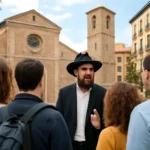
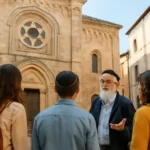
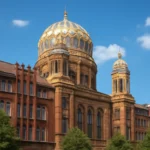
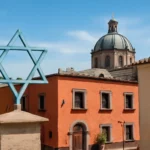
Welcome to a comprehensive guide to Madrid’s Jewish history, a narrative that threads through the centuries from medieval communities to a vibrant, modern presence in the Spanish capital. This article uses the phrase Jewish Madrid in its many forms to reflect the breadth of experiences, places, and people that define the capital’s relationship with Judaism. Whether you are a historian, a traveler, a member of the Jewish community in Madrid, or simply curious about Sephardic heritage and contemporary Jewish life in Spain, this guide aims to illuminate how the capital’s synagogues, schools, markets, and cultural institutions together form a living story. The history of Madridian Jews is not a single chapter but a rich tapestry that includes medieval roots, crypto-Judaism, modern revival, and ongoing contributions to Madrid’s arts, cuisine, and public life.
Overview: Madrid’s Jewish Legacy in the Capital’s Story
Today, Jewish Madrid stands at the crossroads of tradition and modernity. The capital hosts a thriving modern Jewish community with synagogues, educational programs, and cultural events that welcome both long-time residents and newcomers. At the same time, Madrid’s broader cultural landscape—its museums, theaters, universities, and neighborhood life—intersects with the city’s Sephardic heritage and the global Jewish diaspora. This coexistence creates a distinctive presence in the heart of Spain: a capital city where history can be read in the streets, and contemporary life can be experienced in classrooms, festivals, and local markets. In discussing the Jewish experience in Madrid, it is useful to recognize both continuity with the Iberian Jewish past and the dynamic energy of a 21st-century community that engages with global Jewish culture while preserving local memory.
Historical Timeline: From Medieval Madrid to Crypto-Judaism
Medieval Madrid and the Judería
From the Middle Ages onward, Madrid’s Jewish presence grew alongside the city’s political and economic life. Jews in the capital contributed to trade, craftsmanship, and scholarship, as did their Mediterranean and Iberian contemporaries. The concept of a Judería—a Jewish quarter—was common across many Iberian towns, and while the precise geography of a medieval “Madrid Jewish quarter” is the subject of study and interpretation, the literature and surviving records point to a community that interacted closely with Christian neighbors, their authorities, and the sacred spaces that were built and maintained by diverse communities in the period. In a city that often served as a hub for royal administration and commerce, the presence of Sephardic culture contributed to a cosmopolitan urban life that drew from Iberian, North African, and Mediterranean currents.
Expulsion, Inquisition, and Crypto-Judaism
The late medieval and early modern centuries brought upheavals that affected the entire Iberian Peninsula. The expulsion of Jews in 1492 and the intensification of the Inquisition reshaped where and how Jewish life could survive in Spain. In Madrid and elsewhere, many Jews and conversos—people who had converted to Christianity—faced scrutiny, suspicion, and persecution. Some families and individuals maintained a degree of Jewish practice in private, a phenomenon scholars describe as crypto-Judaism. The legacy of this era is still a subject of research and remembrance, reminding us of the resilience of communities that faced pressure to conceal their faith while preserving core rituals, legends, and a memory of shared ancestors. The story of crypto-Judaism in Madrid is interwoven with Spain’s broader narrative of religion and identity, and it remains a touchstone for discussions about memory, persecution, and revival.
Emancipation, Modern Rights, and the 19th Century
With the gradual European shift toward milder attitudes toward religious difference and the broader currents of liberalism, European Jews began to see greater legal protections. In Spain, the 19th century brought important changes to civil rights and religious expression, setting the stage for the emancipation of Jewish communities and the ability to practice faith openly in urban centers like Madrid. The capital’s Sephardic and Ashkenazi communities found new avenues for education, worship, and social life, while continuing to engage with the long memory of Iberian Jewry. This period laid the groundwork for a renewed presence in Madrid that would blossom in the 20th century and reemerge with vigor in the late 20th and early 21st centuries.
Twentieth-Century Shifts: Civil War, Migration, and Renewal
The 20th century was a time of upheaval and renewal across Europe, and Madrid was no exception. The Spanish Civil War and the upheavals of the era affected all communities, including Jews. In the decades after World War II and especially during the late Franco era, Jewish life in Madrid underwent changes, with new migrations from other parts of the world contributing to the city’s religious and cultural landscape. The post-Franco period (late 1970s onward) saw Spain embrace religious freedom and pluralism, enabling the reemergence of Jewish life in the capital. In these years, Madrid’s Jewish community began to organize more formally: communities established centers, schools, and synagogues, and the city gained a clearer distinct Jewish neighborhood life in certain districts. The period of normalization allowed the modern Jewish Madrid to flourish, fostering a visible presence at cultural events, educational programs, and interfaith initiatives.
The New Jewish Madrid: Late 20th Century to Present
Since the late 20th century, the capital has seen a steady, vibrant revival. The arrival of Jewish families from other parts of Europe, North Africa, the Americas, and Israel contributed to a diverse spectrum of practice, language, and culinary traditions. Today, the capital’s Jewish community is characterized by active synagogues, Hebrew-language schools, adult education, and cultural programs that celebrate Jewish holidays, literature, music, and history. Madrid’s Jewish life now extends beyond a few central districts to include outreach across the metropolitan area, collaboration with other minority communities, and participation in national initiatives that promote remembrance, education, and intercultural dialogue. The modern Madrid Jewish experience is thus a modern synthesis: it honors the persistence of Iberian Jewish roots while embracing the global currents that shape Judaism in the 21st century.
The Modern Jewish Community in Madrid
In the contemporary city, Madrid’s Jewish community operates through institutions that support worship, study, culture, and social welfare. The network includes religious organizations, educational centers, and cultural groups that reflect the diversity of Jewish practice—ranging from traditional to progressive strands. While the names of specific institutions can change over time, the essential functions remain consistent: providing places of prayer and study, offering classes in Hebrew and Jewish history, maintaining kosher facilities, and organizing events that connect people to their heritage and to each other.
Key Institutions and Community Life
Synagogues and prayer spaces across the city offer Shabbat services, holiday observances, and study sessions for families and adults.
Educational programs for children and adults, including Hebrew language classes, Jewish history courses, and cultural workshops.
Volunteer and social services that support families, elderly members, and newcomers to Madrid who are exploring Jewish life in the capital.
Kosher facilities such as supermarkets, catering options, and communal kitchens that serve the needs of observant households.
Cultural events—lectures, concerts, book presentations, film screenings, and art exhibitions that highlight Jewish authors, artists, and scholars connected to Madrid or the broader diaspora.
Interfaith and heritage programs that promote dialogue with other religious communities and educate the public about Jewish history in Spain.
Culture, Cuisine, and Education in Madrid
The capital’s Jewish life today is not only about worship and study; it is a living culture shaped by language, cuisine, and creative expression. The ongoing exchange between Sephardic heritage, Hebrew and Ladino influences, and contemporary Spanish life gives Madrid’s Jewish culture a distinctive flavor. Visitors and residents can encounter a broad spectrum of cultural experiences, from music and literature to culinary traditions that honor centuries of memory while looking ahead to the future.
Language, Literature, and Ladino
In the history of Jewish Madrid, language has played a central role. Ladino (Judeo-Spanish) traditions and modern Hebrew education coexist with the spoken languages of Madrid, creating a bilingual or multilingual environment in community centers and schools. Readers and researchers can explore the literature that documents Iberian Jewish life, as well as contemporary writings by madrileños of Jewish heritage who contribute to Spanish and international literary scenes. The city’s libraries and cultural programs often host readings and discussions that explore the rich intersection of language and memory in Madridian Jewish culture.
Music, Art, and Festivals
Music and the arts are a vibrant axis of Madrid’s Jewish culture. Communities celebrate religious holidays with traditional tunes and modern adaptations alike, while artists explore themes of exile, memory, and identity through painting, performance, and sculpture. Festivals and concerts often highlight Jewish music and folk traditions, inviting audiences to experience the dynamic exchange between Sephardic melodies and contemporary Spanish artistry. Throughout the year, cultural centers present lectures, film screenings, and theatre productions that illuminate Jewish life in Madrid and its global connections.
Education and Youth
Education underpins the vitality of the Jewish community in Madrid. Israel and Hebrew language studies are common, and many families participate in after-school programs, summer camps, and youth groups that foster a sense of community and continuity with Jewish traditions. In addition to religious education, schools and community centers offer courses in Jewish history, ethics, and Israel-Diaspora relations. The goal is to equip younger generations with a strong cultural and ethical framework while maintaining a strong connection to Madrid and its broader civic life.
Historic and Contemporary Sites to Visit in Madrid
If you are traveling to the Spanish capital as a student of Jewish history or as a curious visitor, you can explore a range of sites and experiences that relate to Madrid’s Jewish story. While some points of interest are practical research or commemorative in nature, others offer a glimpse into the daily life of Jewish Madrid across time. A careful itinerary may blend historical inquiry with contemporary Jewish culture, reflecting both memory and current vitality.
Historic neighborhoods and streets where merchants, craftsmen, and families once practiced Jewish life. Walking tours sometimes highlight street names and markers that point to the city’s Judaic past and the communities that shaped early Madrid.
Synagogues and study centers that welcome visitors and provide opportunities to learn about prayer practices, ritual life, and the organizational structure of Madrid’s Jewish communities today.
Cultural centers and libraries hosting exhibitions on Sephardic heritage, translations of classical Jewish texts, and contemporary Jewish authors who write about life in Madrid and Spain.
Food markets and kosher eateries where you can experience kosher dining and Sephardic-influenced culinary traditions that reflect the long history of Jewish-European gastronomic exchange.
Commemorative programs that focus on the memory of persecution, survival, and resilience, including educational exhibitions and public talks that connect Madrid’s Jewish past with present-day memory culture.
When planning a visit, check with the Comunidad Judía de Madrid (Madrid’s Jewish community organization) or local cultural offices for current tours, hours at houses of worship, and any special events. These partners can provide guidance on respectful engagement with living communities and access to sites that may require appointments or formal visits.
Living as a Jew in Madrid Today: Practicalities and Community Life
For those who call Madrid home or plan an extended stay, the experience of living as part of the Madridian Jewish community combines everyday urban life with religious observance, family life, and cultural participation. The city offers a welcoming environment for diverse Jewish expressions, from traditional to contemporary, and provides a network to connect with other diaspora communities. The practical aspects of life in Madrid for Jewish residents include access to kosher food, places of worship, education, and social services, as well as opportunities to participate in interfaith dialogue and civic engagement.
Kosher Food, Worship, and Community Spaces
Access to kosher groceries, bakeries, and prepared foods that meet dietary laws and personal standards.
Prayer spaces and sabbath observance accommodations across multiple synagogues and study centers.
Education centers offering Hebrew language classes, Jewish history courses, and programming for youth and families.
Social and cultural venues where people can read, discuss, and explore Jewish literature, philosophy, and contemporary issues.
Interfaith Engagement and Public Life
Madrid’s status as a diverse, modern capital fosters strong interfaith dialogue and cooperation among Jewish communities, other religious groups, and secular organizations. The city supports public education about history and memory, aiming to foster understanding and mutual respect. For Jewish residents, such activities provide opportunities to share traditions, celebrate common holidays with neighbors, and participate in public discussions on faith, rights, and cultural heritage.
The Future of Madrid’s Jewish Community: Challenges and Opportunities
As with many Jewish communities around the world, the Jewish community in Madrid faces ongoing challenges and opportunities. Key areas include sustaining a sense of community among younger generations, ensuring access to religious and cultural education, maintaining visibility in public life while preserving privacy and respect for individual practice, and navigating broader social changes in a rapidly evolving urban environment. At the same time, there are strong opportunities: the growth of intercultural programs, partnerships with universities and cultural institutions, and the potential to strengthen tourism-based education around Spain’s Jewish history. The capital’s Jewish life continues to expand through collaborations with global Jewish networks, exchanges with other Spanish cities, and the holistic promotion of memory, culture, and social cohesion.
Glossary: Terms to Know in Madrid’s Jewish Landscape
Sephardic – Relating to Jews from the Iberian Peninsula and their descendants; a major strand in Spanish Jewish history and culture.
Ladino – Judeo-Spanish language historically spoken by Sephardic Jews; it remains part of cultural memory and education in many communities.
Crypto-Judaism – The practice of Judaism in secret, often after formal conversion or persecution, historically in Spain and Iberian territories.
Judería – A medieval Jewish quarter or district in a city, often the heart of Jewish civic life; used to describe historical districts in Iberia.
Comunidad Judía de Madrid – The main organized body representing Jewish life, worship, education, and community programming in Madrid.
Kosher – Foods prepared and served in accordance with Jewish dietary laws.
Emancipation – The legal and social processes by which Jews gained civil rights and greater freedom of religious practice in European countries, including Spain.
Planning Your Visit or Research: Practical Tips
If you are visiting Madrid with an interest in Jewish history and culture, consider the following practical tips to maximize your experience while showing respect for living communities:
Reach out in advance to the Madrid Jewish community organizations to confirm visiting hours for synagogues or study centers and to learn about any guided tours or lectures.
Respect local customs during prayer times; keep noise to a minimum in houses of worship and follow guidelines for appropriate dress and behavior.
Look for temporary exhibitions or lectures at cultural centers that focus on Sephardic heritage and Spain’s Jewish history, including memory and archives.
Explore markets and kosher-friendly eateries that offer opportunities to taste Sephardic-influenced gastronomy within the context of Madrid’s broader culinary scene.
Consider combining your visit with a broader study of Spanish history and interfaith heritage, to gain a nuanced understanding of how Madrid’s Jewish past intersects with the city’s evolution as a modern European capital.
Conclusion: Madrid as a Center of Jewish Memory and Life
In sum, Jewish Madrid is not solely a historical question but a living, evolving experience that links memory with contemporary culture. The capital preserves the memory of centuries of Sephardic heritage and the resilience of communities that endured persecution and transformation, while also embracing a dynamic present in which Jewish life contributes to Madrid’s arts, education, cuisine, and public life. The capital’s modern Jewish community reflects a diverse spectrum of practice, from traditional worship and study to contemporary cultural expression and civic engagement. For researchers, travelers, or residents, Madrid offers a unique lens on the broader European Jewish story—one that emphasizes continuity, innovation, and an enduring commitment to memory and community. The story of Madrid’s Jewish community is, in many ways, a story of Spain itself: a country balancing a deep past with a modern, plural, and forward-looking future.