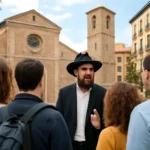
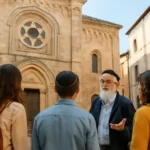
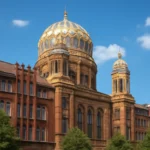
A guided look at the Jewish Mexico City tour offers more than a sightseeing checklist. It is an invitation to discover how a vibrant community has shaped a city, how its synagogues have stood as places of worship and community life, and how Jewish culture has contributed to the broader fabric of Mexican society. This article provides an in-depth exploration of Jewish life in Mexico City, tracing its history, describing the synagogues and sacred spaces, and explaining the unique cultural practices that visitors can experience on a thoughtful tour—whether you call it a Mexico City Jewish tour, a Jewish culture walk in Mexico City, or a Jewish heritage itinerary in Mexico City. Read on to understand what makes this itinerary both educational and deeply human.
Understanding the purpose of a Jewish Mexico City tour
People embark on a Jewish Mexico City tour for many reasons. Some travelers seek to understand the historical arc of Sephardic and Ashkenazi communities in Latin America. Others want to glimpse the daily life of a community that integrates traditional rituals with modern urban living. Still others are drawn to the cultural manifestations—libraries, schools, performances, and culinary traditions—that accompany Jewish life in the capital. A well-rounded itinerary balances history, sacred spaces, and contemporary culture, offering a multi-sensory sense of place.
Historical foundations of Jewish life in Mexico City
From early roots to the modern community
The story of a historic Jewish presence in Mexico City begins long before there were large immigrant blocs. While the earliest Jewish experiences in the region were shaped by the broader history of the Spanish Empire and the Inquisition, it is in the late 19th and early 20th centuries that the city saw a more pronounced and organized Jewish life emerge. A combination of Sephardic families with genealogical ties to Spain and Portugal, followed by Ashkenazi families arriving from Central and Eastern Europe, laid the groundwork for a community with diverse rituals, languages, and traditions.
Migration waves transformed the urban landscape. The Mexico City Jewish community expanded amid rapid urban growth, the creation of social welfare and educational institutions, and the arrival of families seeking opportunity and safety. A sense of shared heritage—rooted in religious practice, family life, and charitable work—became a unifying thread. The result is a city where Jewish history is interwoven with the broader national narrative of modernization, resilience, and cultural exchange.
Key moments that shaped the community
The formation of organized congregations that reflected both Sephardic and Ashkenazi traditions, each bringing distinct liturgies and customs.
Establishment of educational and philanthropic institutions, including schools, social clubs, healthcare initiatives, and cultural programs.
Growth of a permanent infrastructure—synagogues, ritual objects, and religious leaders—alongside a vibrant secular and cultural life.
Engagement with Mexican civic life, contributing to interfaith dialogue, charitable work, and cross-cultural exchange.
For visitors, understanding this historical texture helps illuminate why the Jewish Mexico City tour includes both exterior architectural appreciations and conversations about diaspora, memory, and identity. It is a history that is not simply about places, but about people who built a shared home in a complex urban setting.
Synagogues and sacred spaces in Mexico City
Architecture and liturgical diversity
Synagogues in Mexico City represent a spectrum of architectural styles and religious streams. Some congregations reflect traditional European influences, while others embody modern, contemporary aesthetics. The exterior and interior design of these sacred spaces often reflect the identity of the community that worships there—Orthodox, Conservative, Reform, and other trajectories—while maintaining universal features such as ark, menorah, pews, and a women’s gallery in many older synagogues. A Mexico City Jewish tour plan typically includes exterior vantage points of historic synagogues (with visitor permissions) and, when possible, interior visits guided by knowledgeable rabbis or lay leaders who can explain ritual objects and worship practices.
On a broader note, the synagogues and community centers in the capital have served as both houses of worship and social hubs. They have hosted life-cycle events, such as weddings and graduations, as well as lectures, music programs, and study circles. The architecture often tells a story of adaptation and continuity: from traditional sanctuaries with richly carved interiors to modern spaces designed for accessibility and intercultural outreach.
What to expect on a visit or tour focused on sacred spaces
Exterior facades that reveal layers of history and sometimes a blend of architectural styles.
Guided explanations of the meaning of the sanctuary layout, including the ark (where Torah scrolls are kept) and the bimah (the raised platform).
Observations about dietary and ritual practices: notes on mikveh facilities, sabbath observance, and holiday preparations where appropriate.
Insights into diverse Jewish liturgies and holidays celebrated in the city, showing how communities maintain tradition while engaging with Mexican society.
Travelers should respect the sanctity of these spaces. Always check in advance about access, photography rules, and whether a guided tour is available. A careful, respectful approach enhances the learning experience and helps preserve the heritage sites for future visitors.
Cultural life and education within the Jewish community
Jewish education and cultural institutions
Beyond ritual life, the cultural presence of Jewish communities in Mexico City includes schools, libraries, young adult programs, and cultural centers that host lectures, theater, music, and art exhibitions. These institutions often serve as bridges between Jewish and non-Jewish audiences, inviting participation in dialogues about memory, identity, and pluralism. A Mexico City Jewish cultural tour might feature a visit to a community library or a lecture series that illuminates topics ranging from Yiddish language preservation to Jewish-Mexican authors who describe migration experiences and family histories.
One of the defining features of the city’s Jewish life is its emphasis on education as a communal value. Day schools and Hebrew-language programs exist alongside secular schools, and many families choose bilingual or trilingual education to prepare children for a cosmopolitan capital. Visitors can appreciate how education serves as a durable thread connecting generations, ensuring the transmission of language, ritual knowledge, and ethical values across time.
Cuisine, arts, and social engagement
Culinary traditions play a central role in community life. In many communities, gatherings around Passover seders, Hanukkah celebrations, and Purim parties highlight traditional foods, family recipes, and shared stories.
Yiddish and Hebrew literature are kept alive through libraries, book clubs, and public talks that explore Jewish history in Latin America and the wider world.
Arts and performance programs—ranging from theatre and music to film screenings—offer spaces where Jewish and Mexican cultures intersect, creating a vibrant cultural dialogue.
Philanthropy and service are central to community life. Charitable programs extend beyond the Jewish community to contribute to the broader urban fabric, reflecting shared values of solidarity and social responsibility.
These cultural dimensions enrich the Jewish Mexico City tour by showing how tradition coexists with modern urban life. Visitors often come away with a richer understanding of how Jewish identity can be both particular—rooted in ritual, language, and memory—and universal—anchored in education, charity, and creative expression.
Neighborhoods and routes: where to walk on a Jewish culture itinerary
Where history sits in the urban landscape
In planning a Mexico City Jewish heritage walk, several neighborhoods repeatedly appear as focal points of community life. These areas are not only geographical markers but also living spaces where the past and present mingle. While access varies and some sites require guided entry, a well-crafted itinerary can reveal the layout of the community’s historic and contemporary architecture, restaurants, and social institutions.
Historic core districts where early synagogues and community centers were established. A walking route through these streets offers a sense of how the community grew alongside the city’s expansion.
Modern neighborhoods where contemporary Jewish families live, work, and participate in schools, cultural events, and interfaith initiatives.
Commercial corridors that illustrate how Jewish business and entrepreneurship contributed to urban life while adapting to Mexican markets and consumer culture.
When visiting these districts, it is useful to pair architectural observations with contextual storytelling. Guides can contextualize how urban planning, immigration patterns, and economic changes influenced where people lived and worshipped. The result is a narrative that connects street-level experience with larger historical forces.
Practical tips for planning a Jewish Mexico City experience
Planning considerations and etiquette
Check accessibility and opening times for synagogues and cultural centers. While many sites welcome visitors, some may require appointments or have restricted hours on holidays or Shabbat.
Respect religious practices. When in or near synagogues, dress modestly, keep voice levels respectful, and follow posted guidelines about photography and entry.
Engage with knowledgeable guides. A qualified guide can illuminate the history, explain liturgical objects, and share personal stories from community members that enrich your understanding of the culture.
Combine experiences. A well-rounded Jewish Mexico City tour blends historical overview, architectural appreciation, and contemporary cultural encounters, such as libraries, lectures, or performances when available.
Plan for security considerations. In many cities, sacred spaces have security measures; plan your visit accordingly and follow any guidance provided by site staff.
What to bring and what to expect
Comfortable, modest attire for visits to religious sites and neighborhoods.
A notebook or audio device to capture insights about diaspora history and the cultural practices you encounter.
A willingness to listen and ask respectful questions about identity, memory, and interfaith relationships in Mexico City.
With careful planning, your journey through the city’s Jewish landscape becomes an educational experience that respects communities while offering a window into a multifaceted urban culture. Whether you’re taking a standalone Mexico City Jewish tour or a broader Jewish heritage itinerary, preparation matters as much as curiosity.
For travelers seeking a structured approach, here is a practical outline that balances history, sacred spaces, and culture. Adjust the pace to your interests and the guidance of local experts. The following can serve as a blueprint for a Jewish Mexico City tour itinerary that is both educational and engaging.
Morning walking tour of the historic center with exterior views of key synagogues and community buildings. Pair with a short explanation of the city’s early Jewish arrivals and the evolution of communal institutions.
Visit a Jewish cultural center or library to explore ongoing educational programs, exhibitions, and literature on diaspora history.
Lunch in a neighborhood known for its cosmopolitan dining scene, with insights into contemporary Jewish cuisine or fusion dishes that reflect local ingredients and tastes.
Afternoon visit to a modern synagogue or community space where a guide can discuss liturgical practices, languages used in worship (Hebrew, Ladino, Yiddish), and the differences among streams of Judaism represented in the city.
Evening program: a lecture, film screening, or music event if available, highlighting Jewish-Mexican artists, writers, or historians.
If you prefer a thematic tour, you can emphasize “architecture and memory,” “education and philanthropy,” or “daily life and culinary heritage.” No matter the emphasis, the experience becomes a Mexico City Jewish heritage tour that connects visitors with people who carry both a long memory and a living present.
Intersections with national history and pluralism
The Jewish Mexico City tour is not isolated from the city’s broader history. It intersects with the development of Mexico as a secular republic, the growth of civil society, and the country’s traditions of tolerance and pluralism. For visitors, this itinerary demonstrates how a minority community maintained distinctive rituals while contributing to a shared urban life—through commerce, education, culture, and civic engagement. The Jewish experience in Mexico City helps illuminate how Latin American cities became homes to diverse populations, each adding layers to the national story.
Learning outcomes for visitors and locals alike
A deeper appreciation of the ways diaspora communities preserve language, ritual, and memory while adapting to local contexts.
A nuanced understanding of how sacred spaces function as centers of worship and social life, not merely as architectural landmarks.
Awareness of the mutual influence between Jewish and Mexican art, literature, and public life, including charitable and educational initiatives.
An informed perspective on the challenges and opportunities that arise when cultures intersect in a bustling megacity.
Ultimately, a Jewish Mexico City tour offers more than a recital of dates and places. It presents a living narrative—one that captures the resilience, creativity, and communal spirit of a people who have long called this capital home. Whether you frame your journey as a Mexico City Jewish tour, a Jewish culture walk in Mexico City, or a Jewish heritage itinerary, you are engaging with a thread that ties history to modern life. You will encounter stories of immigration and settlement, see sacred spaces that embody centuries of prayer and community life, and witness a culture that thrives at the crossroads of tradition and urban dynamism.
For travelers, the value of this itinerary lies not only in the sights but in the conversations—about how memory shapes identity, how community institutions adapt to change, and how cultural exchange can strengthen mutual understanding. A thoughtful approach to a Jewish Mexico City tour can inspire curiosity about Latin American Jewish history abroad and overall human stories of migration, belonging, and shared humanity.