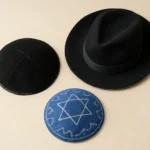
In Jewish life, a small rounded cap worn on the head is a familiar sight: the kippah, also called the yarmulke. This modest head covering carries history, ritual meaning, and cultural variation across communities. In this article, we explore the history of the skull cap, its many styles, and its significance in everyday Jewish life today. We will use several names for the skull cap to reflect its linguistic breadth: kippah, yarmulke, kipah, kippa, yarmelke, and other variants used in different languages and communities.
The idea of covering the head as an expression of reverence is ancient within Jewish tradition. In rabbinic literature, there is a strong emphasis on humility and the awareness of the divine presence, often described as “The fear of Heaven”. The commandment to maintain modesty and a sense of awe can be seen in classical sources, and a number of later authorities discuss the practice in practical terms. The practice of wearing a head covering by men became widespread in many Jewish communities over the centuries, culminating in what modern observers recognize as the kippah as a recognizable symbol.
The kippah did not arrive in one moment or form. Early medieval communities in Europe and the Near East practiced head covering in various ways, and over time the circular skull cap evolved from a simple sign of reverence into a recognizable cultural and religious symbol. In some communities, the practice is rooted in the broader idea that one’s thoughts and actions are conducted under a visible reminder of the divine, a concept that can be linked to the broad human tendency to use ritual objects to cue memory and intention.
The term yarmulke reflects a different linguistic tradition. It is widely used in Ashkenazic communities and among English-speaking Jews, particularly in the United States and parts of Europe. The kippah name is Hebrew; it is often used in Israel and among universally Hebrew-speaking contexts. Both terms refer to the same physical item, though regional pronunciation and preference vary. When teaching about the apparatus, it is common to acknowledge both names and explain that they describe the same practice from different cultural lenses.
Of note is the way the head covering is described in religious law and custom. In the traditional halachic (Jewish legal) framework, the head covering is associated with a sense of humility before God. While some communities view the practice as obligatory for men at all times, others reserve it for specific occasions—such as prayer, study, or synagogue attendance—while still recognizing the head covering as a mark of Jewish identity. The evolution of this practice is a vivid example of how ritual objects gain social meaning while maintaining core spiritual purposes.
Names and Variants of the Skull Cap
The skull cap is known by several names across languages and communities. Each term has its own resonance and historical background:
Kippah (Hebrew origin: כיפה) — widely used in Israel and among many diaspora communities.
Yarmulke — common in North American contexts and among English-speaking communities.
Yarmlukah, yarmulka, or yarmelke — regional spellings encountered in different Jewish communities.
kipah, kippon — alternate transliterations used in some texts or communities.
Kippah srugah — “knitted kippah,” a popular style among many Orthodox and modern communities.
Kippah katan — a smaller version used by some groups or under other head coverings in layered fashion.
In addition to these names, you may encounter descriptors that highlight capacity, function, or material, such as knitted/yarn kippah, velvet kippah, suede kippah, or polyester/linen blends. These labels help distinguish style, use-case, or cultural preference.
Styles and Materials
The range of styles for the skull cap is broad, reflecting both practicality and aesthetics. The choice of material affects comfort, durability, and how the cap looks in different settings—from daily wear to formal occasions. Here is a snapshot of common categories:
Knitted or crocheted kippot (often called kippah srugah): made from yarns such as wool, cotton, or acrylic; favored for a snug, flexible fit and a textured surface.
Plain cloth or woven fabric kippot (including cotton, linen, or blends): lightweight and breathable, suitable for warm climates or casual settings.
Velvet or satin kippot: chosen for formal occasions, weddings, or synagogue services; typically worn by those who want a more polished appearance.
Leather or suede kippot: often worn for durable outdoor use or as a distinctive style statement; can be found in both simple and embellished varieties.
Silk or satin-lined options: a luxurious alternative used for ceremonies or special events, blending comfort with elegance.
Crocheted or knitted designs with decorative patterns: some wearers prefer geometric motifs, stripes, or color-blocking as a way to express identity or affiliation.
Soft, flexible caps designed to integrate with a tallit (prayer shawl) fringed at the corners or with other religious garments.
The materials used for these caps can be natural (cotton, wool, silk) or synthesized (acrylic blends, polyester). Each material offers different advantages:
Breathability for hot climates and long services.
Durability for daily wear or youth programs.
Care and maintenance requirements, including washing methods and fabric-softening considerations.
Allergy considerations for sensitive skin, with a preference for natural fibers in some cases.
Beyond texture and material, the fit of a kippah matters. Some are designed to be one-size-fits-all, with adjustable elastic or inner bands; others come in multiple sizes to accommodate different head shapes. A well-fitting cap sits comfortably without constant adjustment, enabling the wearer to participate in prayer and study with ease.
Knitted vs. Flat-Layer Styles
The distinction between knitted kippah srugah and flat or sewn varieties is more than a fashion note. It often signals community norms, levels of humility, and ritual preferences. For instance:
Knitted kippot can convey a sense of informality and approachability, while still fulfilling the role of a head covering during prayer.
Flat, woven, or velvet kippot may be chosen for formal occasions or for synagogue membership where a particular aesthetic is valued.
Religious Significance and Everyday Practice
The head covering is generally understood in Jewish law as a reminder of the Divine Presence and a symbol of humility before God. The practice is often explained through the lens of reverence, modesty, and attentiveness to spirituality in daily life. In many Orthodox communities, men wear a kippah at all times, while in other communities the head covering is worn primarily during prayer, Torah study, or synagogue attendance. Some individuals and families adopt a hybrid approach, wearing the skull cap in the morning but choosing not to wear it in certain social or professional settings.
The symbolism of the kippah or yarmulke extends beyond ritual obligation. It serves as a visible sign of Jewish identity, a reminder of tradition, and a conversation starter about Jewish practice for friends, visitors, and interfaith audiences. For some, the yarmulke is a personal commitment—a daily choice to remember responsibilities, ethical conduct, and the memory of communal history.
Importantly, perspectives on the skull cap vary among movements within Judaism. In Orthodox communities, the head covering is often non-negotiable and widely worn. In Conservative and Reform circles, some individuals choose head coverings more selectively or culturally rather than as a binding legal requirement. In Jewish Renewal and other inclusive movements, head coverings can play a symbolic role rather than a strict rule. Across these variations, the underlying purpose remains: to cultivate mindfulness, humility, and a sense of responsibility in everyday actions.
Head Coverings in Prayer and Study
During prayer and Torah study, the kippah is frequently worn as a sign that one stands under a higher authority while engaging in sacred activity. The habit helps focus attention, reduce vanity, and elevate the seriousness of the moment. Some worshippers pair the kippah with other ritual items, such as a tallit (prayer shawl), in formal occasions, while others carry it as a simple personal habit during daily routines.
Age and Lifecycle Contexts
The practice is often introduced early in a child’s Jewish education and identity formation. Many families begin with a small head covering for toddlers and gradually incorporate a more distinct or elaborate style as children grow. Lifecycle events—such as a Bar Mitzvah, a wedding, or a redemption ceremony—may also feature specific expectations about head coverings for participants and guests, reinforcing continuity with communal ritual life.
Geographic and Denominational Variations
The use of the kippah or yarmulke varies widely by geography and denominational affiliation. In Israel and many parts of Europe, the practice blends with national and cultural norms, while in the United States and the diaspora, local customs influence how and when people wear the skull cap.
Ashkenazi communities often favor a broad array of styles, with knitted caps popular in daily life and velvet or satin options for formal events.
Sefardic and Mizrahi communities may use the same basic item but with color schemes and materials reflecting regional dress traditions and liturgical preferences.
Charedi/Haredi groups frequently emphasize consistent, modest clothing, and the skull cap may be worn under or above other head coverings, depending on custom.
Modern Orthodox and Conservative communities may combine practical considerations with fashion, choosing breathable fabrics for daily wear and more formal materials for synagogue services.
Reform and other progressive groups can vary widely—some individuals wear the kippah in synagogue or at formal events, while others may choose not to wear one at all or to adopt women’s head coverings in certain contexts.
In addition to denomination, regional fashion, climate, and social trends influence style choices. For example, a campus or urban setting might feature a broader spectrum of colors and patterns, while a traditional Orthodox neighborhood might prioritize simple, solid colors and durable fabrics for everyday use.
Sephardic and Mizrahi Considerations
In many Sephardic and Mizrahi communities, the head covering aligns with other regional dress customs. The cap may be blended with a larger personal style, reflecting local fashion while maintaining its symbolic function. Some families may opt for less conspicuous head coverings during the day in professional settings and reserve more formal options for religious services.
Care, Maintenance, and Production Ethics
Caring for a kippah is straightforward but varies by material. Plain cloth caps can often be machine-washed or hand-washed with gentle cycles, while knitted caps may require more delicate care to preserve elasticity. Velvet or satin caps might need spot cleaning and careful storage to protect their texture and sheen.
Follow care instructions on the label, especially for delicate fabrics like velvet, silk, or crocheted yarns.
Store caps flat or on a display head to maintain shape, particularly for structured or stiff variants.
Avoid direct sunlight for extended periods with certain fabrics to prevent color fading.
Consider ethical sourcing when possible. Some wearers seek caps made from natural fibers and produced under fair labor standards, or opt for vegan or recycled materials to minimize environmental impact.
The production of head coverings intersects with broader conversations about labor, sustainability, and fashion in Jewish communities. Consumers may ask questions such as:
Who created the cap, and under what working conditions?
Are the dyes and finishes used safe for sensitive skin?
Is the material sourced in a way that respects animals and the environment?
Many manufacturers respond with transparent supply chains and a range of options—from affordable, easy-care everyday caps to higher-end, artisanal pieces crafted by local Jewish artisans. By choosing thoughtfully, wearers can align their personal practice with broader ethical values.
Contemporary Debates and Cultural Dialogue
As with many religious symbols, the kippah has become a focal point for discussions about identity, gender, and religious expression in modern society. Some key themes in contemporary dialogue include:
Gender roles and head coverings for women in more liberal Jewish communities, including debates about whether women should wear head coverings at all, and what forms those coverings might take.
Visibility and inclusion—how visible symbols of Judaism in public life affect interfaith relations, civil engagement, and perceptions of religious pluralism.
Fashion and tradition—the tension between contemporary fashion, personal identity, and the maintenance of ritual meaning in daily life.
Technology and accessibility—how online markets, global supply chains, and the ability to learn about different styles affect choices for styles like kippah srugah or kippah katan.
These conversations reflect a broader reality: the skull cap is not just a religious garment but also a cultural artifact that evolves with community needs, global connections, and individual expressions of faith.
Contemporary Styles and Public Perception
In many urban centers, a vibrant array of styles exists side by side. A student might wear a knitted kippah for class and switch to a velvet option for a formal ceremony. A synagogue administrator might select caps that blend with the building’s decor, while a traveler might choose a compact, foldable design for ease of packing. The result is a living spectrum of head coverings that accommodates personal taste while honoring tradition.
The Skulls Cap and Jewish Identity Across Faiths and Cultures
While deeply rooted in Jewish life, the concept of a head covering has resonance in other faith traditions as well. For Jewish communities, the kippah/yarmulke is a distinctive marker of religious identity, but it also relates to universal human practices of reverence and humility. In interfaith contexts, discussing the skull cap can be a bridge to meaningful conversations about ritual practice, symbolism, and the ways communities maintain continuity while adapting to new social environments.
For educators, historians, and curious readers, the skull cap offers a clear example of how a simple garment can be embedded with meaning, memory, and moral intention. It demonstrates how everyday objects—whether worn in private spaces, public streets, or sacred venues—can serve as portals into history and as tools for personal reflection.
Practical Guidance: Choosing and Wearing a Kippah
If you are considering adopting a head covering or simply want to understand the options, here are practical guidelines to help navigate the spectrum of choices:
Identify your purpose: daily wear, synagogue use, or a special occasion. This will influence material and style.
Consider climate: breathable cotton or linen is comfortable in warm weather, while velvet or wool offers warmth in cooler settings.
Think about fit: elasticized bands, adjustable sizes, and multiple sizes ensure comfort during long services or study sessions.
Balance aesthetics and symbolism: choose a cap that reflects your connection to tradition while expressing your personal taste.
Explore ethical options: look for materials with transparent supply chains or sustainable production practices if this matters to you.
Should you be styling a child for a Jewish ceremony, you may opt for a playful knit or a small, solid-colored cap that fits easily and securely. For adults attending formal occasions, a velvet or satin cap can harmonize with formal attire, while a simple cloth cap often works well for everyday use.
Conclusion: The Everyday Significance of the Skull Cap
The kippah—in its many names and forms—serves as a small but powerful reminder of Jewish continuity, humility, and responsibility. Its history demonstrates how a simple head covering has traveled through centuries of custom, debate, and personal meaning. Its styles reflect a dynamic blend of tradition and individual expression, capable of adapting to different climates, communities, and life stages. And its significance remains anchored in the sense of being always mindful of the divine presence as one engages in daily life, prayer, and learning.
Whether you call it a yarmulke, a kippah, or by another name, the skull cap represents more than a fashion choice. It is a cultural emblem that invites reflection on history, community, and how sacred practices shape ordinary moments. In the diverse landscape of Jewish life, the head covering stands as a small object with a large story—one that continues to unfold with each generation.