What is sit shiva? An introduction to the seven‑day mourning period
Sitting shiva, also called the shivah, is a traditional Jewish mourning practice that follows burial. It is not only a time of personal grief, but also a framework within which family, friends, and community support the mourners. In many communities, the mourners physically sit low in the house of mourning, their environment shaped by time‑tested customs designed to honor the deceased and to comfort the living. The practice, sometimes referred to as the shiva observance or simply the seven days of mourning, creates a space where the community can help ease the path from loss toward healing.
This guide uses the terms sitting shiva, shivah, and the shiva period interchangeably. While practices vary by denomination (Orthodox, Conservative, Reform) and by tradition (Ashkenazi, Sephardi, Mizrahi), the core principles—honoring memory, comforting the mourners, and gradually returning to everyday life—remain central across communities.
Origins and purpose: why the shiva observance matters
The origin of shiva is rooted in Torah‑rooted norms about mourning and communal responsibility. The primary purposes of this period are severalfold:
Chesed shel emet — the ultimate kindness shown to the bereaved by providing constant support, meals, and companionship, because the mourner cannot easily care for themselves after a loss.
Public lament and memory — the shiva period formalizes a time to reflect on the life of the deceased and to honor their legacy within a community setting.
Transition back to life — the rituals help the mourners move from an intense phase of grief toward gradual reentry into daily routines and responsibilities.
Spiritual and emotional processing — the practices, including prayer, discussion, and shared stories, provide structure for mourning that many find spiritually meaningful.
Across time and geography, families have adapted the rituals while preserving the essential spirit of compassion, memory, and communal care.
Timeline: from burial to the end of shiva and beyond
A typical mourning timeline in many communities looks like this, though exact customs can differ:
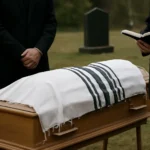
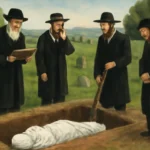
Immediately after death — family members may perform the initial acts of mourning, including keriah (tearing a garment) as an outward symbol of grief, and the funeral ceremony, where the deceased is clothed in a simple tachrich (burial shroud).
Funeral day — the journey begins with the communal act of burial and the first expressions of sorrow. After burial, many mourners retreat from public life for a period that will later become the shiva.
Day 1 to Day 7: the shiva period — the mourners sit, usually in a family home, and receive visitors who come to offer condolences, stories about the deceased, and prayers. The room is often kept quiet, and conversation centers on the memory of the deceased and the comfort of the mourners.
End of shiva — after seven days, the formal mourning period of shiva concludes. The mourners may begin to reenter normal social life, though they may still observe longer periods of mourning (such as Sheloshim, the 30‑day period after death for many relatives).
Sheloshim and beyond — for many mourners, the first thirty days after the burial continue the process of healing. Some communities observe additional obligations for an entire year in the case of a parent’s death, including recitation of Kaddish in certain contexts upon hearing a yahrzeit or during services with a minyan.
While the structure above describes a classic approach, it is important to recognize that the exact timeline and rules can differ based on local custom, family tradition, and the deceased’s and mourners’ affiliations. Always prioritize the wishes of the immediate family when planning visits or contributions during this period.
Preparing the shiva house: creating a space for mourning and support
One of the most visible aspects of sitting shiva is the arrangement of the home where mourners receive visitors. The atmosphere, practical considerations, and etiquette all contribute to making the space conducive to comfort, conversation, and remembrance. Here are some practical aspects to consider when preparing the shiva home.
Environment and atmosphere
Open doors — in many communities, the family announces that people are welcome to visit during specific hours. The home becomes a house of consolation where friends, neighbors, and colleagues gather to offer condolences and share memories.
Mirrors — some families cover mirrors in the home as a sign of turning inward toward mourning. If you are visiting, don’t be surprised if you encounter a space without the usual reflective surfaces.
Lighting — simple, subdued lighting is typical. The focus is on reflection, conversation, and communal support rather than celebration or bright activity.
Ritual objects and focal points
Sefer Tehillim (Psalms) and prayer books are commonly placed for use by those who wish to recite or follow along during conversations or brief prayer moments.
K’riah (tearing) and memorial items — if a family has chosen to perform the traditional tear at the announcement of death (keriah) or other customary acts, visitors should respect those expressions of mourning and not imitate them inappropriately.
Food and drink — guests often bring or arrange simple meals and beverages. The focus is on nourishment that is easy to share and consume during a period of emotional strain.
Dress and etiquette for the shiva home
Attire tends to be modest and subdued. Some mourners may choose to wear simpler clothing or remove leather shoes during the most intense days, following family preferences.
Appropriate conduct includes speaking gently about the deceased, listening attentively to the mourners, and avoiding loud or flippant topics that may disrupt the atmosphere of consolation.
Boundaries — it’s appropriate to ask the family what visiting hours are, how long they would like visitors to stay, and whether there are specific topics to avoid or emphasize during conversations.
Rituals, prayers, and customs during the shiva
The shiva period is rich with liturgical and customary elements. Although practices vary, the following components are commonly observed across communities and provide a framework for contemplation, remembrance, and communal care.
Prayers and communal recitation
Kaddish Yatom (Mourner’s Kaddish) — a central prayer recited by mourners, typically with a minyan (a quorum of ten adults). Recitation of Kaddish is a way to sanctify God’s name even in sorrow and to affirm life and faith in the face of loss.
Psalm recitation — passages from Psalms are often read aloud or privately by mourners, friends, and family members. These verses can offer comfort and a sense of timeless continuity.
Birkat Hálevanim and other blessings — depending on tradition, blessings of remembrance and comfort may be included as people share memories or present readings.
Visit etiquette and conversations
What to say — conversational guidance in encounters with mourners emphasizes listening and expressing sympathy. Examples include “I’m so sorry for your loss,”“I’m here for you,” and “I’d like to share a memory of the deceased if you’re open to it.” Avoid overly brisk phrases or cliches that may feel empty.
What to avoid — avoid offering uninvited opinions about the death, prognostications about the future, or judgments about the manner of mourning. Refrain from long, casual chatter or lighthearted jokes during intense moments.
Length of visits — short, meaningful visits are generally preferred. Visitors may stay for 15–30 minutes or longer if the mourners invite them to remain; follow the family’s lead.
Special customs and variations
Ashkenazi vs Sephardi practices — while the general structure of shiva is shared, Sephardic and Mizrahi communities may include different liturgical readings, melodies, and customs related to the mourning period.
Hair, nails, and grooming — many mourners refrain from shaving during the shiva, and some may forgo cutting their hair. Practices vary by family and tradition.
Leather shoes — in some traditions, mourners avoid wearing leather shoes during the first days of mourning; others may not observe this restriction. It is best to follow the family’s guidance.
Food customs — visitors may bring kosher meals or other simple sustenance. The emphasis is on providing nourishment without complicating the mourners’ routines.
Etiquette for visitors: how to approach a shiva house with sensitivity
Visiting a home during the shiva period is a meaningful act of support. Thoughtful presence and careful communication help both the mourners and the visitors to honor the moment. Here is a practical guide to visiting during shiva.
Before you visit
Check the family’s preferences — ask whether there are specific visiting hours, how long you should stay, and whether they would like quiet reflection, storytelling, or a discussion about the deceased.
Bring something simple — a small plant, a check mark to the family fund for the funeral, or a simple food item that is easy to serve can be thoughtful. Avoid heavy meals that add to the host’s burden.
Plan the visit with intention — decide in advance what you want to share: a memory of the deceased, a story that brings warmth, or a general expression of sympathy and support.
During the visit
Offer condolences succinctly — a brief expression of sympathy, followed by listening, is often most effective. For example: “I’m sorry for your loss. I’m here to listen if you’d like to talk.”
Listen actively — give the mourner space to speak; resist jumping in with stories too quickly unless invited. If you share memories, keep them concise and respectful.
Respect silence — silence can be comforting. If the mourners do not fill the space with words, that is often a natural part of the process.
What to bring or contribute
Food and drink — non‑perishable, kosher items or a simple home‑made dish can be gratefully received. If you are unsure about dietary restrictions, a gift card or a modest donation to a relevant cause in memory of the deceased can be appropriate.
Prayers and readings — if you are comfortable leading a brief prayer or recitation, coordinate with the family. Some mourners appreciate participating in a short reading or psalm if it is welcome.
Preparing for children — if children are present, be mindful of their needs. Short, reassuring conversations with age‑appropriate language can help them process the loss.
Common questions about sit shiva, and practical answers
Many people have questions about the conventions of shivah and related mourning practices. Here are some frequently asked questions and straightforward guidance to help readers navigate this sensitive topic.
Who observes the shiva, and who can visit?
Typically, the immediate family (parents, siblings, spouse, and children) observes the shiva most intensively. Extended family, friends, colleagues, and community members are welcome to visit within the designated visiting hours. The extent of participation may vary, but the ritual is designed to be inclusive: the mourners welcome compassionate presence from their community.
Is the shiva strictly done in person at the home?
Traditionally, the central shiva experience occurs in the home of the mourners. In some circumstances, a community venue or the home of another relative may serve as a space for condolence visits, especially if travel is difficult or if the deceased’s home is not suitable for hosting many visitors. The important element is the presence of community support and respectful mourning practices.
What about work and daily commitments during shiva?
Most communities understand that some mourners need to balance responsibilities with grief. Employers and schools are often sympathetic, and many people take time away or adjust schedules during the seven days of shiva. If you are a colleague or supervisor, approach the situation with flexibility and compassion, recognizing that the mourners’ primary focus is attending to family and memory during this time.
What happens after the seven days of shiva?
After the formal seven‑day period, mourners typically begin to reintroduce themselves to daily life, though they may still observe a period of structured mourning (such as the 30‑day period known as Sheloshim in many traditions). There may be personal and family rituals following the end of shiva, including continuing prayer, remembrance activities, and memorial practices on specific yahrzeits (anniversaries of death).
Tradition vs. modern practice: how communities adapt
Every generation and community finds its own meaningful balance between traditional requirements and contemporary life. Here are some ways that the practice of sit shiva has evolved while remaining faithful to its core aims.
Remote participation — in today’s connected world, some mourners hold virtual minyans or video calls for Kaddish recitation or for sharing memories when in‑person visits are not possible. This can broaden the circle of support without reducing the emotional weight of the mourning.
Interfaith and intercultural considerations — families with members of different backgrounds may incorporate additional rituals or adjust certain customs to reflect diverse beliefs while maintaining the central sense of consolation and memory.
Inclusive language and accessibility — caregivers and hosts may adopt language and practices that are accessible to people with disabilities or those who are new to Jewish ritual, ensuring that the experience is welcoming rather than alienating.
Key terms you may encounter during sit shiva
Understanding the vocabulary can help readers engage more deeply and respectfully. Here are some frequently used terms, with brief explanations:
Shiva (shivah) — the seven‑day mourning period following burial, during which the mourners sit at home and receive visitors.
Kaddish — a prayer traditionally recited by mourners, often with a minyan; it is a declaration of faith and a form of consolation through liturgical remembrance.
Keriah — the act of tearing a garment or a symbolic sign of mourning performed by the bereaved upon hearing of the death (often associated with the funeral itself, but sometimes part of the early mourning rites).
Tachrich — the burial shroud used to wrap the deceased before burial; a sign of equality in death and simplicity in mourning.
Minyan — a quorum of ten Jewish adults required for certain prayers, including Kaddish; often arranged during daily shiva services.
Sheloshim — the thirty‑day mourning period that follows shiva in many traditions, during which the mourners begin to resume normal activities gradually.
Yahrzeit — the annual anniversary of a loved one’s death, observed with prayers, reflections, and sometimes memorial acts.
Whether you are composing a note, planning a condolence message, or coordinating support, these practical tips can help you engage with care and sensitivity.
Acknowledge the loss directly — a straightforward expression of sympathy, such as “I’m so sorry for your loss”, is often most appreciated. If you knew the deceased, a brief memory can be meaningful.
Offer specific help — instead of a general “Let me know if you need anything,” offer concrete assistance (e.g., “I will drop off dinner on Tuesday” or “I can drive your child to practice this week”).
Be mindful of timing — concerts, gatherings, or public events may not be suitable during the early days of mourning. If in doubt, ask about appropriate times to connect.
Respect privacy and pace — mourners may be overwhelmed or emotionally tender. Allow them to set the pace for conversations, shared stories, or silences.
As communities continue to evolve, the practice of sitting shiva remains a powerful expression of shared humanity. The essential elements—memory, consolation, and renewal—transcend differences in practice and interpretation. In households where modern life intersects with traditional rituals, families often negotiate a path that honors both their heritage and their current circumstances. The most important safeguard is respect for the mourners’ beliefs and needs, coupled with a willingness to participate in meaningful, compassionate ways.
The shivah period is a uniquely Jewish practice that invites a community to come together to remember a life, support those who mourn, and begin the long process of healing. Whether you call it the seven days of mourning, sitting shiva, or simply the shiva observance, the aim remains constant: to honor the deceased, to comfort the bereaved, and to help the living move forward with purpose and connection. By approaching this sacred time with empathy, thoughtful presence, and practical care, families and communities can transform grief into a shared act of memory and resilience.