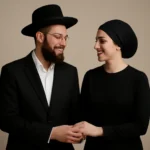
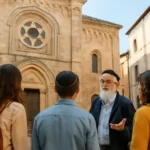
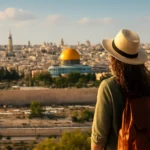
In recent years, Jewish singles tours have emerged as a vibrant way to combine travel, culture, and social connection. These curated journeys are designed for Jewish adults who are seeking meaningful experiences while meeting other like‑minded travelers. Whether you’re looking for a romantic spark, new friendships, or simply a more intentional way to explore a destination, Jewish singles travel experiences offer a distinctive flavor that blends heritage, cuisine, faith, and adventure. This guide provides an in‑depth look at what these programs offer, how they differ from generic dating trips, and how to choose a tour that matches your goals and values.
What are Jewish singles tours?
At their essence, Jewish singles tours are organized itineraries that pair travel with social opportunities for Jewish singles. They can be short weekend getaways or multi‑week explorations, but they share several core characteristics:
Structured social activities designed to facilitate easy introductions and conversation.
Culturally immersive itineraries that highlight Jewish histories, communities, and rituals in the destination.
Religious accommodation where possible—such as Shabbat observance options, access to synagogues, and kosher meals.
Guided experiences led by experts who understand Jewish holidays, customs, and dietary needs.
Transparent expectations about ages, interests, and the social dynamic of the group.
You’ll often encounter variations such as Jewish dating tours, singles travel experiences for Jewish travelers, or group travel for Jewish singles, each with its own emphasis—ranging from matchmaking‑oriented events to broader cultural exploration. The common thread is a thoughtful combination of travel logistics and a community atmosphere that helps people connect in a comfortable, respectful setting.
Benefits of Jewish singles travel experiences
Joining a dedicated program offers benefits that can be hard to replicate on a self‑guided trip. Here are some of the most frequently cited advantages:
Convenience and safety—logistics, lodging, and activities are organized, which reduces planning fatigue and helps you focus on the experience and people you meet.
Shared frame of reference—a built‑in cultural and religious context makes conversations smoother and more meaningful.
Structured social opportunities—organized mixers, group dinners, and guided tours that feel natural rather than forced.
Authentic access—priority access to synagogues, scholar talks, and community events that may be harder to arrange independently.
Learning alongside dating—the social format keeps things respectful and inclusive, reducing awkwardness while still offering chances to meet potential partners.
Of course, different programs emphasize different benefits. Some prioritize nightlife and social mixers, others focus on heritage exploration or religious observance. If your main goal is networking, you’ll find many programs that emphasize professional or campus alumni networks; if your goal is meaningful romantic connection, look for groups that describe their matchmaking approach or emphasis on compatibility.
Popular destinations for Jewish singles tours
The destinations you’ll encounter in Jewish singles tours vary, but some places are especially popular due to their rich Jewish histories, contemporary communities, and accessibility. Here are several common themes and locations:
Israel—Undoubtedly the centerpiece for many programs, with experiences ranging from Tel Aviv nightlife to Jerusalem’s historic neighborhoods, and from Kibbutz visits to religious services on Shabbat.
Poland—Heritage tours focusing on Jewish life before the Holocaust, including Kraków, Warsaw, and smaller towns with restored synagogues and memorial sites.
Central and Eastern Europe—Czechia, Hungary, and Romania offer a mix of historic synagogues, Jewish museum programs, and community encounters.
Spain and Italy—Concentrations of historic Sephardic and Ashkenazi communities, kosher dining options, and Jewish cultural sites.
Morocco and North Africa—Emerging as destinations for Jewish travel circles seeking unique cultural exchanges and religious heritage in a different setting.
North America—Cities with strong Jewish communities, such as New York, Los Angeles, Toronto, and Miami, often host weekend retreats or weeklong programs that emphasize local heritage and dating experiences.
Within these regions, programs tailor itineraries to balance heritage tourism, practical logistics (like kosher meals and Shabbat accommodations), and social programming designed to help participants connect in a natural way. When choosing a destination, consider your personal interests—whether you want a heavy historical emphasis, a spiritual cadence, or a modern urban energy—and how the destination aligns with your religious observance and dietary needs.
Israel singles tours are among the most popular due to the density of Jewish history, Israeli hospitality, and the possibility of combining personal travel goals with community‑building activities.
How to choose a tour that fits you
With so many options, it can be challenging to pick the right program. Here are practical criteria to weigh when evaluating Jewish dating tours or group travel for Jewish singles:
Target demographic—Some programs are geared toward specific age ranges, religious levels, or life stages. Decide whether you want a younger crowd, a more mature group, or a mix.
Level of social focus—If you want lots of mixers and guided introductions, look for tours that advertise structured socials. If you prefer a more independent travel experience with optional meetups, seek programs that offer flexibility.
Religious observance and dietary accommodations—Ensure the itinerary includes kosher meals, Shabbat options, and access to synagogues or Jewish community centers consistent with your practice.
Itinerary balance—A great itinerary blends educational talks, cultural activities, and leisure time. Some travelers want intense historical tours; others want more free time for personal exploration.
Guides and hosts—Experienced guides who understand Jewish culture, dating etiquette, and group dynamics can make a big difference in the quality of interactions.
Cost structure—Look beyond the sticker price. Consider what’s included (hotels, meals, entrance fees, tips) and what you’ll pay extra for (optional experiences, souvenirs).
Safety and accessibility—Check for safety records, accessibility for travelers with disabilities, and clear policies on behavior and conflict resolution.
When evaluating two or three contenders, request a sample day‑by‑day plan, read participant reviews, and if possible, contact alumni. A transparent program will be glad to share a recent itinerary and sample testimonials.
What to expect on a Jewish singles tour
Even though every program has its own character, most singles travel experiences for Jewish travelers share a common rhythm. Here is a typical structure you might encounter:
Social events and matchmaking components
Many tours incorporate organized mixers, group dinners, and guided conversations to foster connections. Some programs emphasize a gentle matchmaking ethos, where activities are designed to help people meet in low‑pressure settings. Expect a mix of curated introductions, informal lounges, and optional activities where you can choose your level of participation.
Shabbat and religious life
For participants observing Shabbat, programs often build in opportunities for synagogue services, family‑style meals, and quiet time. Some itineraries arrange Shabbat experiences in cities with strong Jewish communities, including candle lighting, Torah readings, and festive meals. If you require specific rituals or Hebrew prayers, check with the organizer about availability and the level of immersion.
Culinary experiences
Kosher dining is a common feature, with menus and meal plans designed to align with observance levels. Some tours include Shabbat preparations and kosher kitchens, while others may offer flexibility for vegetarians, vegans, or guests with dietary restrictions. Food is often central to socializing, as groups share lunches, markets visits, and cooking workshops that highlight local Jewish communities’ cuisines.
Education and heritage programming
Expect guided talks, museum visits, and walking tours that illuminate Jewish histories and diasporic connections. In Israel, you may see archaeological sites, biblical landscapes, and modern Jewish culture in equal measure. In Europe and North Africa, you’ll explore synagogues, cemeteries, Jewish museums, and memorial sites that tell stories of resilience and continuity.
In short, a well‑designed Jewish singles tour blends social life, faith, learning, and exploration into a coherent and memorable experience.
Sample itineraries and what they reveal about the experience
To illustrate the range of possibilities, here are representative frames you might encounter. These are not prescriptive but should give you a sense of scale, pacing, and emphasis.
Israel Highlights for Singles — A 7–10 day journey combining Tel Aviv nightlife, Jerusalem’s old city, a day trip to the Dead Sea, and guided visits to religious sites. Social events include evening mixers and a kibbutz experience, with kosher meals and optional Shabbat services.
Poland and Ukraine Heritage Tour for Jewish Singles — A 9–12 day program focusing on historic synagogues, Warsaw and Kraków old towns, and talks with historians about Jewish life before World War II. Evening socials emphasize storytelling and shared meals in Jewish community centers.
Spanish‑Italian Sephardic Connection — A 6–8 day itinerary weaving Madrid/Barcelona or Rome/Lisbon with visits to synagogues, Jewish quarters, and local markets. The tour emphasizes culture, music, and culinary workshops alongside social mixers.
North American Jewish Singles Weekend — A condensed city break in a major hub (e.g., New York or Toronto) with Jewish heritage tours, synagogue visits, and curated casual meetups designed for easy connections during a short timeframe.
Each format highlights a different balance of educational content, community building, and leisure time. The right choice depends on how you want to spend your days, your comfort with large group dynamics, and your desire for religious or cultural immersion.
Planning tips: how to maximize your experience
Whether you’re new to Jewish singles travel or you’ve joined several programs, these practical strategies can help you get the most out of your journey.
Clarify your goals—Are you hoping to meet a serious partner, or are you excited about building friendships and learning? Communicate your goals with the organizers if possible.
Prepare ahead—Review the itinerary, familiarize yourself with the destinations, and learn a few phrases in the local language if relevant. This sets a respectful tone and enhances conversation.
Dress and ritual readiness—Pack appropriately for both urban exploration and religious observance. Bring a portable siddur, a modest outfit for visits to sacred sites, and any personal items needed for Shabbat.
Manage expectations—Group dynamics can be lively, and not every connection will lead to romance. Approach each interaction with openness and respect, and give yourself permission to enjoy the experience regardless of outcome.
Stay flexible—Even the best planned itineraries can shift due to weather, site closures, or local events. A flexible mindset helps you remain present and engaged.
Engage beyond scheduled events—Attend optional workshops, attend a synagogue service, or join a quiet afternoon walk. Small choices often yield meaningful conversations.
Budgeting and planning for Jewish singles trips
Budgeting for Jewish travel experiences involves more than the price tag. Here are typical cost considerations and budgeting tips:
Included vs. optional experiences—Some programs bundle accommodations, meals, transport, and activities; others bill separately for things like tips, souvenirs, or optional tours. Read the fine print.
Flights and transfers—International trips will require international flights. Check whether airport transfers are included and what the recommended arrival window is.
Housing quality—Hotels range from basic to boutique, with pricing tied to location and amenities. Proximity to Jewish community centers or synagogues can influence cost and convenience.
Meal inclusions—Kosher or locally appropriate meals may be included, partially included, or entirely on you. If you keep strict kosher, verify kitchen practices and supervision levels.
Travel insurance—Consider coverage that includes trip interruption, medical emergencies, and coverage for pre‑existing conditions if relevant.
A well‑priced tour should offer clear value: a balanced itinerary, meaningful social opportunities, and reliable logistics. If a deal seems too good to be true, ask for a detailed breakdown and recent participant feedback before committing.
Safety, etiquette, and best practices on Jewish singles tours
Because these programs navigate shared spaces, religious sites, and social events, maintaining respectful etiquette and safety is essential. Here are practical guidelines:
Respect boundaries—Let interactions develop at a comfortable pace. Not every participant will want to engage in every activity, and consent to social interactions should be clear and mutual.
Be mindful of differences—Cultural, denominational, and personal differences may shape practices around prayer, dress, and kosher supervision. Approach differences with curiosity, not judgment.
Health and wellness—Stay hydrated, pace yourself on busy days, and know where to find medical help if needed.
Safety in nightlife and public spaces—If you’re visiting nightlife venues, go with a trusted friend or group, and use common‑sense safety practices.
Community guidelines—Many programs have codes of conduct. Read and follow them to keep the group environment respectful and enjoyable for everyone.
Finding the right program: where to look for Jewish singles tours
The market for Jewish singles travel experiences includes organizations focused specifically on dating, on heritage education, or on general Jewish community travel. Here are several avenues to explore:
Jewish travel networks—Organizations that curate Jewish cultural experiences and Jewish dating events, often with alumni networks and ongoing groups.
Synagogue and community centers—Some centers sponsor domestic or international trips for their members or affiliates, sometimes with a Shabbat or learning emphasis.
Holocaust remembrance and heritage programs—Poland, Lithuania, and other centers run specialized tours that weave memorial visits with community meetings and social events.
Religious‑observant travel operators—Companies that prioritize halachic compliance and synagogue access often provide comprehensive kosher meals and prayer arrangements.
When evaluating providers, request sample itineraries, read participant reviews, and ask about the group size, age range, and how much time is set aside for social activities vs. independent exploration. A well‑reviewed program will be transparent about expectations and will provide contact with alumni who can share their firsthand experiences.
Common misconceptions about Jewish singles tours
As with many niche travel formats, a few myths persist about Jewish singles tours. Clearing these up can help you set realistic expectations:
They’re only for people seeking romance—While matchmaking may be a feature of some programs, many participants value the social environment for friendships, community, and cultural learning.
All activities are couples‑centric—Most tours design activities to include all participants and encourage inclusive participation rather than pair off only.
All‑you‑can‑eat kosher meals are guaranteed—Dietary needs vary; verify what level of kosher supervision and salad bar options are available, and communicate any strict requirements in advance.
They’re only for travelers of a particular denomination—There are programs across denominations and levels of observance, from more traditional settings to modern/hip communities. It’s possible to find options aligned with your practice and comfort level.
Understanding these realities helps you choose a program that truly fits your expectations and respects your personal boundaries.
Jewish dating tours vs. broader Jewish travel experiences: how they differ
The market includes both Jewish dating tours and broader Jewish travel experiences. Here are the core distinctions:
Focus on dating vs. learning—Dating tours lean into social events designed to foster matchmaking, while broader travel experiences emphasize heritage, culture, and community without a primary romantic aim.
Social structure—Dating tours may use speed‑networking formats or structured dates; broader tours emphasize group activities, tours, and shared meals without the same dating focus.
Intention and expectations—If you want to maximize opportunities to meet people in a romantic context, dating tours may be a better fit; if you want to learn and explore Jewish heritage with a social circle, broader travel experiences can be more satisfying.
It’s essential to read the program descriptions carefully. Some providers blend elements of dating into heritage trips, while others keep these domains separate. Knowing your own priorities will help you pick a program that matches your goals.
Conclusion: is a Jewish singles tour right for you?
A Jewish singles tour can be a meaningful way to combine travel, faith, and community. By offering curated itineraries, culturally resonant activities, and social spaces designed to facilitate connection, these programs can open doors to new friendships, personal growth, and perhaps a lasting relationship. Whether you’re drawn to the spiritual cadence of Shabbat in a historic city, the intellectual richness of a heritage museum, or the energy of a modern Jewish urban scene, there is likely a program that aligns with your values and desires.
When selecting a program, keep in mind your objectives, your observance level, and your budget. Read the fine print, talk to alumni if possible, and trust your instincts about the culture and tone of the tour. With thoughtful planning, a Jewish singles travel experience can be not only enjoyable but transformative—an opportunity to connect with people who share your heritage while exploring parts of the world you’ve always wanted to see.