The term Jewish wake is not a standard phrase in traditional Jewish practice, but many families and communities use the idea of a pre-burial visitation or a gathering to mourn and honor the deceased. In Jewish law and custom, the sequence of events surrounding death is structured and deeply meaningful, with distinct phases such as tahara (ritual washing of the body), tachrichin (simple burial shrouds), levaya (funeral procession and burial), and the ensuing periods of mourning known as shiva (seven days), shloshim (thirty days), and beyond. This article explores the various facets that people refer to, in everyday language, as a Jewish wake, including traditions, etiquette, and the deeper significance attached to these rituals. It uses variations of the phrase to broaden semantic breadth—for example, Jewish mourning vigil, pre-burial visitation in Judaism, and Jewish funeral wake—while staying rooted in authentic terms and practice.
To understand what people mean by a Jewish wake, it helps to clarify the principal terms in Jewish mourning and funeral customs. The following glossary highlights the core ideas you are most likely to encounter, with emphasis on how they relate to a pre-burial visitation, a viewing, or the early stages of mourning.
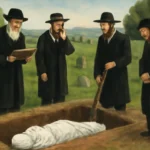
Levaya: The formal funeral procession and burial. This is the central rite of passage from life to death in Jewish tradition and is typically followed by immediate family and close friends at the cemetery or graveside.
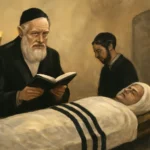
Tahara: The ritual washing of the body performed by the chevra kadisha (holy society) to prepare it for burial, in accordance with Jewish law and custom.
Tachrichin: Simple white burial shrouds in which the deceased is clothed as part of the dignity and modesty of burial.
Chevra kadisha: The volunteer community burial society responsible for the sacred washing and preparation of the deceased, as well as other compassionate tasks around death.
Kriah (keriah): The rending of garments or the symbolic tearing as a sign of mourning, traditionally performed by close relatives at the time of death or during the funeral rites.
Kaddish: A prayer recited by mourners, typically the Mourner’s Kaddish, which expresses praise for God and sanctifies God’s name, and serves as a cornerstone of the mourning process for many families.
Shiva: The seven-day period of intense mourning that follows the funeral, during which mourners stay at home, receive visitors, and begin to rebuild daily life with community support.
Shloshim: The thirty-day period after burial (excluding the first seven days of shiva) when mourners gradually re-enter social life and continue to observe certain restrictions and prayers.
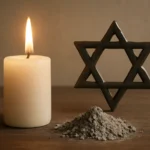
Yahrzeit: The anniversary of a death according to the Hebrew calendar, observed annually with remembrance and study, often accompanied by lighting a memorial candle and reciting prayers.
The structure and sequence: from wake-like moments to sacred rites
In many communities, the pre-burial visitation or wake-like gathering occurs at a funeral home or hospital before burial. While this is not universal and can vary by denomination, location, and family preference, several elements commonly appear in discussions about the Jewish mourning process that resembles a wake in other cultures. Here is how a typical arc often unfolds, from death to the early days of mourning.
In some Jewish communities, there is a brief viewing or a velveted moment with the body present in a closed casket or simple casket. Important notes:
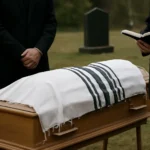
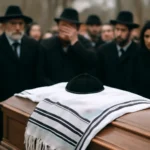
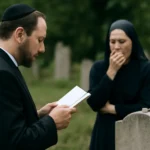
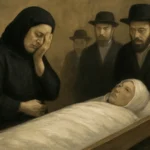
The viewing is generally brief and done with reverence, often under the supervision of members of the chevra kadisha. In Orthodox communities, the casket is often closed, and the focus is on respect and prayer rather than public viewing.
Many families opt not to have a public viewing, choosing to proceed directly to burial with tahara and tachrichin performed by the chevra kadisha.
When a viewing takes place, attendees are asked to speak softly, avoid photographs or casual chatter, and offer condolences in a restrained, solemn manner.
Levaya: the funeral procession and burial
The levaya is a central rite. It involves a procession, eulogies in some communities, and a burial at a consecrated site. The presence of the mourners can be a powerful expression of communal support and a public sign of farewell.
Etiquette for attendees at a Jewish wake-like gathering
Whether a family uses the language of a Jewish wake or simply the levaya/shiva structure, visitors play a crucial role. The following etiquette guidelines apply to those who come to mourn, comfort the bereaved, or participate in the early days of mourning.
Dress and demeanor: Dress modestly and conservatively. In many communities, men wear a kippah (yarmulke) or head covering; women dress with modesty. Refrain from flashy attire or casual clothing; aim for respectful, subdued tones and colors.
Speaking: Speak softly and with tact. Traditional condolences focus on expressing sympathy and sharing a brief, meaningful memory if appropriate. Avoid unsolicited advice about grief, relationships, or spirituality unless invited to share.
What to say: Simple phrases of condolence are often most appropriate, such as “I’m so sorry for your loss” or “My heart is with you.” It is common to offer specific help (meals, errands, childcare) rather than vague promises to “be there for you.”
What not to say: Avoid minimizing grief (“It was meant to be,” “They are in a better place,” or “It happened for a reason”), which can feel dismissive during acute mourning.
Silence and listening: A large portion of the time may be spent listening. Sometimes the best gift a guest can give is simply being present and allowing the family to speak or cry as needed.
Participation in prayer: If the family invites participation in prayers or readings, follow their lead. In many communities, mourners recite or listen to the Mourner’s Kaddish during services or arranged times, and visitors may join in as appropriate.
Acknowledging the family’s space: Some families prefer privacy at the home during shiva or privacy in private rooms in the funeral home. Respect designated arrangements for seating, visiting hours, and meal periods.
Respect for ritual practices: If you are unfamiliar with a practice (keriah, reciting certain psalms, lighting a memorial candle, etc.), ask the host or a knowledgeable family member beforehand rather than improvising.
Rituals that visitors may observe or participate in
Keriah (tearing) may be performed by close family at the time of death or during the funeral. Visitors typically do not tear their own garments; this act is reserved for those with a direct familial connection.
Kaddish may be recited by mourners during services and at certain times in the home or synagogue. Visitors may stand with the mourners, but participation is voluntary and guided by tradition.
Meal of condolence and seudat havra’ah often follow burial or shiva. Attendees may contribute food or help with household tasks to ease the bereaved’s burden.
Practical aspects of a wake-like period in Jewish practice
There are several practical considerations that families and friends navigate during the early mourning period, whether a pre-burial gathering is involved or not. This section covers common logistics, ritual nuances, and how communities support the bereaved in tangible ways.
Timing: Burial is usually scheduled promptly, often within 24 hours of death if possible and allowed by religious law. If the death occurs on the Sabbath or a holiday, the timing may shift to next allowed times.
Chevra kadisha involvement: This sacred society coordinates the tahara and tachrichin, ensuring that the body is treated with dignity and in accordance with halacha (Jewish law).
Open vs closed casket: Community norms vary; many Orthodox communities prefer a closed casket, focusing attention on the solemnity of the moment rather than display.
Location of the gathering: The wake-like gathering can occur at the funeral home, the synagogue, or at the home of the deceased or the bereaved, depending on custom and practicality.
Role of the community: The wider community often participates by sending meals, helping with chores, and visiting during shiva to provide emotional and logistical support.
Food and hospitality: A “meal of consolation” (seudat havra’ah) is a customary act of hospitality; during shiva there may be light meals served, with guests helping to ensure the mourners have what they need.
Traditions across Jewish communities: Orthodoxy, Conservatism, and Reform
Judaism is not monolithic, and practices around mourning and wake-like gatherings vary across denominations and cultures. Here is a broad overview of how traditions can differ, while still preserving the overall arc of mourning and communal support.
Orthodox communities: Emphasize the dignity and privacy of the process. The shiva is often observed at home with limited, coordinated seating; men and women may follow gender-specific norms in seating and prayer. The chevra kadisha often organizes the tahara and tachrichin, and a shomer may be present to watch over the body.
Conservative communities: May blend traditional ritual with some contemporary practices. Viewing may be allowed in accordance with local custom; the burial and mourning periods follow the same general timeline but with flexible observances for families.
Reform and Reconstructionist communities: Often prioritize inclusive worship and community support, with greater flexibility around the timing, location, and style of services. Some congregations may hold memorial services at the synagogue rather than at home and may incorporate liberal prayers or interfaith-friendly elements while maintaining Jewish mourning traditions.
Beyond the procedural steps and etiquette, the Jewish wake-as-understood-in-common-speech carries deep meaning. The rituals are not merely about saying goodbye to a person who has died; they are about honoring life, supporting the living, and reinforcing the bonds of community. Here are some central themes that give the mourning process its lasting significance.
Memory and continuity: The mourners are encouraged to remember the deceased, share stories, and keep the person’s memory alive through yahrzeit observances and ongoing acts of kindness in their honor.
Community and solidarity: The process creates a social space in which neighbors, friends, and family provide tangible help, re-affirming that no one faces loss alone.
Respect and dignity in death: The tahara and tachrichin honor the deceased with purity and simplicity, reflecting the value placed on human life and a return to the earth.
Grief as a process: The sequence—from keriah to shiva and beyond—acknowledges that grieving takes time and that the living must re-engage with life while carrying memory forward.
Spiritual seeking: For many families, prayers like the Kaddish and recitations of psalms provide a framework to cope with loss and seek meaning in suffering.
Common questions and clarifications
As families plan and communities respond, several questions frequently arise about the Jewish wake-style moments and mourning rituals. Here are concise answers to help clarify typical concerns.
Is there a wake in Judaism? Not in the same sense as in some Christian traditions. There can be a pre-burial visitation or a viewing, depending on the community, but the traditional path emphasizes tahara, tachrichin, and the levaya, followed by the shiva.
Can non-Jews attend a Jewish wake-like gathering? Yes, many communities welcome visitors of all backgrounds to offer condolences and support, though some prayers may be specific to the tradition. It is respectful to follow the host family’s guidance on participation.
What should I bring or do when visiting? Practical help (meals, errands, childcare), listening ears, and gentle words of condolence are often most helpful. If you are unsure about ritual participation, ask politely or observe what others are doing.
How long do mourning practices last? The core mourning period begins with shiva (seven days) and extends with shloshim (thirty days), with varying levels of practice continuing beyond that. The annual yahrzeit is observed on the anniversary of the death.
Modern adaptations and innovative practices
In the 21st century, communities have found new ways to honor the dead and support the bereaved while staying faithful to tradition. Here are some contemporary trends that align with the intent of a Jewish wake-like period, while respecting religious boundaries and personal preferences.
Virtual vigils: In times of geographic distance or public health concerns, families may host online memorial gatherings that allow friends and family to participate remotely, share memories, and say prayers.
Video memory boards: Some families create digital memorial pages or videos that highlight the life of the deceased, which can be shared with guests who cannot attend in person.
Flexible visitation hours: Depending on the community and family needs, visiting hours during shiva may be structured to accommodate work schedules, children, and caregivers, without compromising the sanctity of mourning.
Inclusive prayer formats: Synagogues and communities may include multilingual or contemporary readings during memorials or shiva services to accommodate diverse congregants while preserving traditional elements.
How to approach a Jewish wake-like situation respectfully
For those who wish to pay respects in a way that is considerate of Jewish mourning customs, here is a concise guide to approaching the experience with sensitivity and care.
Learn in advance: If you are visiting a home during shiva or attending a funeral, ask a trusted family member or the rabbi about expected customs and any restrictions (e.g., seating, participation in prayers).
Honor the space: Speak softly, avoid interrupting conversations between mourners, and refrain from loud or casual chatter. The home or hall is a sacred space for shared memory.
Offer practical help: Simple offers such as “I can bring a meal,” “I can watch your kids,” or “I can help with errands” are often welcomed and appreciated more than generic assurances.
Be mindful of ritual differences: Some practices may be observed differently across denominations; follow the host’s lead and ask respectfully if you are unsure about participating in prayer or rituals.
A look at the social and emotional dimensions
Beyond the liturgy and etiquette, the Jewish wake-or-an-approximately-wake-like phase—serves a critical social function. It helps the bereaved feel supported, communicates communal values, and anchors the memory of the person who has died within a shared historical and spiritual framework. Families often describe what they need most as not material assistance but a presence that communicates, “you are not alone in this moment.”
Community resilience
By gathering in the wake-like period, communities demonstrate resilience—an essential dimension of Jewish mourning culture. When neighbors and friends come to the home, synagogue, or cemetery, they help establish a safety net that sustains families through the intense emotional stages of grief.
Memory as action
Memory is not passive in Jewish thought. The act of remembering can translate into concrete acts of kindness, charity, and study in the deceased’s memory. Yahrzeit candles, studying the deceased’s favorite texts, or donating to causes they cared about become living memorials that give purpose to sorrow.
Common questions about the pre-burial visitation and early mourning
Here are some practical answers to frequent inquiries that people have when planning or attending a wake-like gathering in a Jewish context.
Is a person allowed to view the body? Viewing policies vary by community. Some traditions opt for a brief, modest viewing, often at the funeral home with a closed casket; others proceed directly to burial with tahara and tachrichin without a viewing.
Can children attend? Children may attend if the family and rabbi believe it is appropriate. Depending on age and sensitivity, a guardianship plan may be arranged to ensure the child’s comfort and understanding.
What is the appropriate length of time for visitors? Visiting hours during shiva are typically structured in blocks (for example, two to four hours per day across a week), but the exact schedule is set by the family. Always respect posted hours or family preferences.
What should I bring? Flowers are less common in traditional Jewish mourning settings; instead, many families appreciate practical help, meals, or charitable donations in memory of the deceased.
Conclusion: honoring loss through communal tradition
In everyday language, you might hear about a Jewish wake as part of the mourning process, but the authentic practice centers on a carefully choreographed sequence of rites designed to honor the deceased, comfort the bereaved, and bind the community together. From the tahara and tachrichin to the levaya and the seven days of shiva, the rituals emphasize dignity, humility, and responsibility to one another. The mourner’s Kaddish and the memory-keeping that follows—through yahrzeit observances and acts of kindness in the deceased’s name—translate grief into meaning and action.
Ultimately, the experience of a Jewish wake or wake-like visitation is a living expression of a community’s obligation to care for the living while honoring the dead. It is a reminder that even in moments of profound loss, life is sustained by shared memory, shared responsibility, and the ongoing practice of generosity and compassion. Whether described as a Jewish mourning vigil, a pre-burial visitation in Judaism, or a Jewish funeral wake, the core message remains the same: community supports, memory sustains, and life continues through acts of faith, learning, and love.
For those seeking a concise takeaway: when you hear someone speak of a Jewish wake, understand it as part of a broader tapestry of mourning that emphasizes honor for the deceased, care for the mourners, and the enduring power of community-based healing. If you are planning or attending such a gathering, approach it with quiet respect, openness to tradition, and readiness to offer practical, compassionate help. In doing so, you participate in a long, meaningful lineage of Jewish rites that turn tragedy into a shared commitment to life and memory.