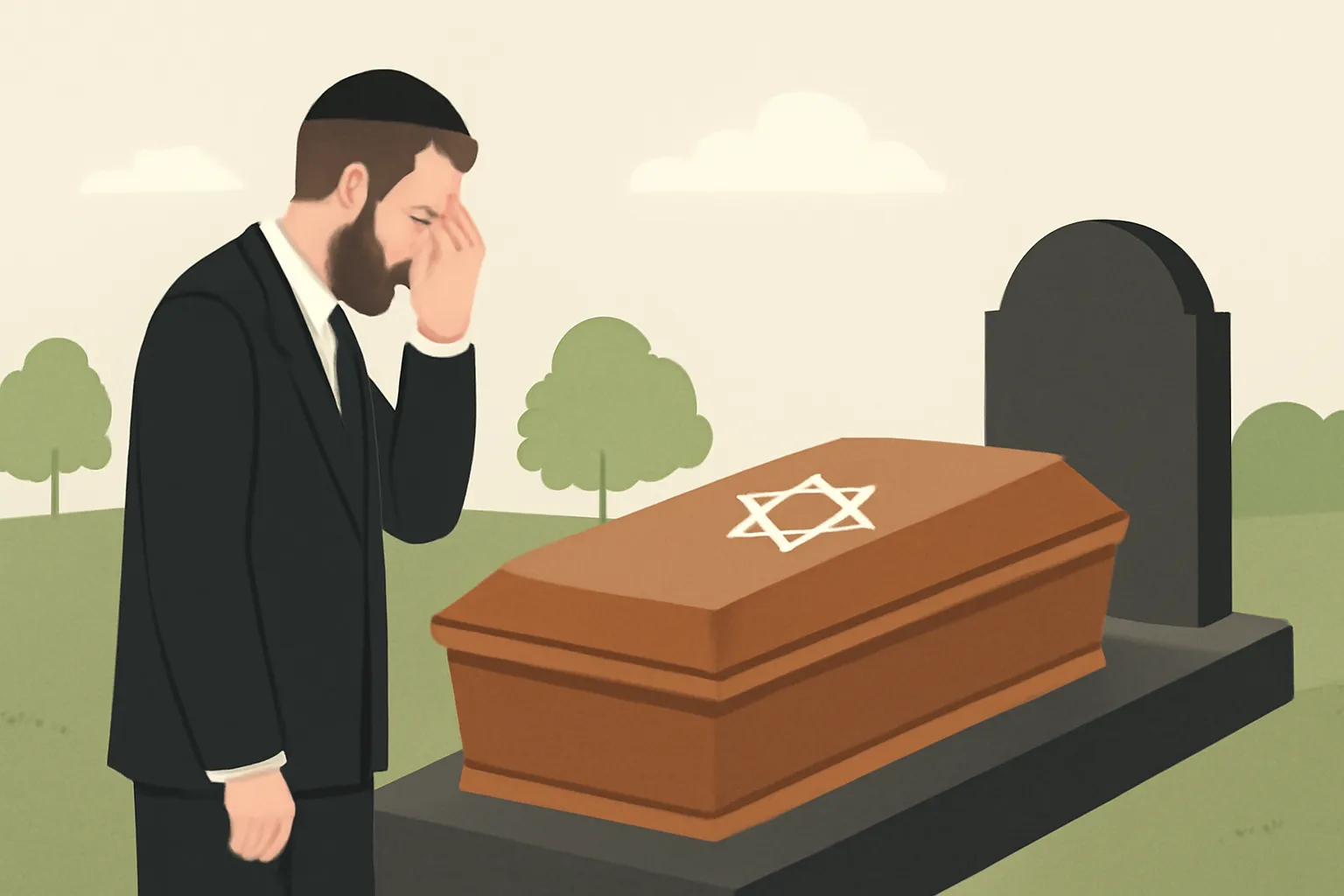
Death is a moment of intense emotion and practical planning for Jewish families. Among the most common questions is a time-based one: how long after a Jewish death is the funeral? The answer depends on a blend of Jewish law, communal practice, and practical logistics. This article explores the timelines, the customs that shape them, and what families and friends can expect in the moments, hours, and days after a death. It also clarifies how timing can vary between communities, locations, and special circumstances, while offering guidance to those supporting someone who is grieving.
Understanding the question: how long after a Jewish death is the funeral?
In Jewish practice, timing around burial has deep roots in ritual law and communal custom. The core idea is respect for the deceased and a swift, dignified return to the Earth, while also honoring the needs of mourners and the rhythms of communal life. When people ask, “how soon after a Jewish death is the funeral held?” they are often seeking a general rule, yet the answer is not a single fixed number. Instead, it is shaped by several factors that guide how long it takes to move from death to burial.
Traditional Jewish law and custom prioritize a prompt burial whenever possible. The guiding principle is to return the body to the earth as soon as is reasonably feasible, in a manner that is respectful and simple. In this sense, the levaya (the funeral or funeral service) often occurs within the first 24 hours after death, but not every situation permits this exact timing. When the death is straightforward and the necessary preparations can be completed quickly, many communities aim for a same-day or next-day burial. The important idea is promptness that honors the deceased and supports the mourners without unnecessary delay.
Shabbat and Jewish holidays
One of the most influential factors in timing is the Jewish calendar. If death occurs close to Shabbat (the Sabbath) or a major Yom Tov (holiday), the funeral may be postponed for practical and religious reasons. On Shabbat and many holidays, the work needed to arrange a burial—such as coordinating with a Chevra Kadisha, obtaining permits, or preparing a simple wooden casket—may be constrained by prohibitions on certain activities. In many communities, a death that happens on Friday afternoon may still be buried before Shabbat if feasible, but if the burial cannot be completed before Shabbat begins, it will be postponed until after Shabbat ends. The same logic applies to major holidays, when certain services and travel may be limited. In other contexts, especially in Israel, burial may occur more flexibly to ensure the fastest feasible timing within halachic boundaries, but even there, the calendar can influence the schedule.
Chevra Kadisha and taharah
The chevra kadisha (the sacred burial society) plays a central role in preparing the body for burial. They perform taharah (ritual purification) and tachrichin (shrouding the body in simple white linen). This process is typically done in a dedicated facility or at the funeral home or cemetery, depending on local custom. The logistics of taharah—whether volunteers are available, how quickly the body can be prepared, and the scheduling of the burial plot—can influence the timing of the funeral. In some communities with robust chevra kadisha networks, the process can be completed promptly, leading to a burial within a day. In others, especially where volunteer teams need to be summoned or where the burial plot must be reserved, there may be a short delay.
Logistics: death in hospital, funeral home, or cemetery
Practical steps such as reporting the death, obtaining necessary death certificates, coordinating with a funeral home, transporting the body, and arranging a burial plot all affect timing. In many places, a hospital or medical examiner’s clearance is required before release to the family or to the chevra kadisha. The availability of a cemetery, the distance to the site, weather conditions, and the time needed to assemble mourners for a service all contribute to the schedule. Families should expect that even with the best planning, a final decision about timing may require flexibility and adaptability.
The geographical context can shift timing norms. In Israel, burial is commonly arranged fairly quickly, especially when a family is ready and the cemetery has capacity. In many parts of the Diaspora, there is a strong preference for prompt burial as well, yet weekends, synagogue calendars, and the operational realities of funeral homes and chevrot kadisha teams can lead to longer intervals. The ultimate aim remains the same across communities: a dignified burial as soon as possible within the framework of halacha (Jewish law) and local practice.
Typical timelines: what you might expect
While there is no universal timetable, several common patterns emerge across communities. Understanding these timelines can help families plan and reduce confusion during a difficult time. The following timelines describe typical progressions, with variations noted for Shabbat, holidays, and logistical realities.
Within hours: death to notification — After death, family members or hospital staff notify the family and the chevra kadisha. If the death occurs at home and the family is prepared, arrangements for taharah may begin within hours. In many cases, the body is not left alone, and close relatives may participate in or observe aspects of the process, if requested and appropriate.
Same day to next day: taharah and preparation — The taharah and tachrichin typically occur within a day of death, time permitting. The goal is to complete ritual purification and d ress the body in linen shrouds and place it in a simple casket. If these steps can be completed quickly, a burial may occur the same day or the following day.
Within 24–48 hours: the burial — In many communities, a burial occurs within 24 to 48 hours of death. If the death happened late in the day, or if Shabbat or a holiday intervenes, the burial may be scheduled for the next business day. This window helps ensure that the body is treated with propriety and that mourners can participate in the service.
Longer delays: holidays, weekend, or accessibility issues — If Shabbat or a holiday is impending, or if the cemetery has scheduling constraints, delays of 48 hours or more are possible. In regions with limited chevra kadisha capacity or during major community events, the delay might extend further, though most families aim to minimize postponements.
Exceptions: special circumstances — Some situations may require additional considerations. For example, if there is a need to transport the body across state lines, coordinate with multiple agencies, or perform special rites for a beloved community figure, timing may be adjusted. The emphasis remains on dignity and adherence to tradition, with clear communication to mourners.
What happens at the funeral: the levaya
The funeral service, or levaya, is a key moment in Jewish mourning, marking the final farewell to the deceased and the transition of the body into the ground. The structure and components of the levaya can vary by community and tradition, but several elements are commonly observed.
Rites and rituals at the graveside
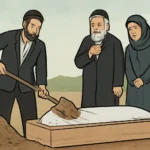
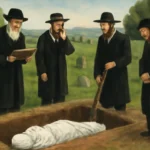
Processional: procession to the grave — Family, friends, and mourners accompany the bier or hearse to the burial site. A sense of community support is central to this moment.
Readings and prayers — At the graveside, prayers such as El malei rachamim or Psalm verses may be recited, depending on tradition. Some communities include brief eulogies after the burial rather than at the graveside.
Final blessing — The service often ends with a final blessing or blessing over the deceased, followed by the lowering of the casket into the grave and the placing of earth on the coffin. This act of returning earth to the body is a profound symbol of the cycle of life and death.
Commemorative phrases — In many communities, the mourners recite the Kaddish, a prayer praising God, though the Kaddish itself is not about the afterlife. It is a way to affirm faith and community in the face of loss.
Eulogies or hesped — Many families request or permit brief memorial remarks, though some traditions keep eulogies minimal to honor the solemnity of the moment.
Names and memory — The deceased’s name is spoken aloud, and loved ones may offer remembrances or mention charitable acts connected with the person’s life.
Blessings and prayers — The service includes traditional prayers and biblical readings aligned with the community’s customs.
Respect for mourners — The conduct at the graveside is quiet, reflective, and focused on the memory of the deceased and the needs of the mourners.
Common questions and variations in phrasing
Because families and communities speak about these matters in different ways, you’ll encounter many variations of the same question. Here are some common refrains you might hear in different contexts, along with their practical implications.
“How soon after a Jewish death is the funeral held?” — The core question about timing; the answer usually centers on the first 24–48 hours, depending on Shabbat, holidays, and logistics.
“When is burial performed after death in Jewish custom?” — Closely related to the above, with emphasis on halachic guidelines and communal practices that encourage prompt burial, while respecting constraints.
“What is the timetable for a levaya in Jewish tradition?” — Focuses on the sequence of events: taharah, tachrichin, transport, graveside service, and burial.
“If death occurs on Friday afternoon, is the funeral still on the same day?” — It depends on whether the burial can be completed before Shabbat. If not, the funeral is postponed until after Shabbat begins.
“Can a funeral be delayed due to Shabbat or festival constraints?” — Yes. In many communities, Shabbat or a holiday can necessitate postponement to after the day’s restrictions end, while still aiming for a timely burial as soon as possible.
Shiva and beyond: the broader arc of mourning and its relationship to timing
While the funeral marks a critical milestone, Jewish mourning comprises a broader rhythm that follows burial. Understanding how timing of the burial relates to the later stages helps families plan and cope.
Shiva (seven days)
Immediately after the burial, mourners observe shiva, a seven-day period during which family and close friends gather to support one another, recite prayers, and reflect on the life of the deceased. The schedule of visitors and the tone of the household are guided by community custom, family tradition, and the needs of the mourners. Even though the funeral is a singular event, the process of mourning unfolds over days and weeks.
Shloshim (thirty days) and beyond
Following shiva, the mourning period continues for thirty days (shloshim) for those who were in close relationship with the deceased. Some customs extend further, especially for mourners who were particularly close or for those who experienced a traumatic loss. The careful gradual return to ordinary life is a hallmark of Jewish mourning law, balancing memory with the responsibilities of living.
Practical guidance for families navigating timing
Families facing the death of a loved one can benefit from practical steps that help align religious obligations with logistical reality. The following guidance is designed to support understanding and reduce last-minute stress.
Contact the chevra kadisha early — If possible, reach out to a local chevra kadisha soon after the death. They can advise on timing, taharah availability, and the best day for burial given the family’s circumstances and the calendar.
Coordinate with a funeral home — A funeral home experienced with Jewish funerals can help manage transport, paperwork, and scheduling in harmony with ritual requirements.
Clarify cemetery policies — Some cemeteries have specific hours or restrictions, particularly around Shabbat and holidays. Knowing these details in advance helps in planning the exact timing of the levaya.
Prepare for the graveside service — While many levayot happen at the graveside, others may begin at a synagogue or home before proceeding to the cemetery. Confirm the preferred arrangement with family and the chevra kadisha.
Communicate with mourners — Not all friends or relatives can travel immediately. Sharing clear information about timing, location, and how to participate can ease the burden on the family and the community.
What to expect if the death occurs on Shabbat or a holiday
When death occurs on Shabbat or during a major holiday, many communities plan for a burial immediately after the day’s restrictions end unless there is a compelling reason to delay. In some cases, the funeral may be scheduled for Sunday or the next business day. Communal norms vary, so families should rely on their rabbi, chevra kadisha, or funeral director for specific guidance.
What to do if a death occurs far from home or abroad
When a death occurs away from the family’s home community, arrangements often involve a combination of local chevra kadisha teams, the home synagogue’s guidance, and the family’s own preferences. The process typically remains focused on a prompt, dignified burial, with the local team coordinating with the family’s primary community for support and for post-burial rituals.
Common misconceptions about timing
Misunderstandings about timing can lead to unnecessary worry. Here are a few widespread myths and the realities:
Myth: Jewish people must be buried within hours of death, no exceptions. Reality: While prompt burial is preferred, practical, religious, and logistical factors can necessitate a short delay. The ultimate goal is a dignified, timely burial within the bounds of halacha and the community’s capacity.
Myth: If the death occurs on Shabbat, burial is always postponed until after Shabbat ends. Reality: In many cases, burial can occur after Shabbat ends, but some communities arrange a burial earlier if permissible. The decision rests on halachic guidance and local practice.
Myth: Cremation is a common alternative in Jewish practice to speed up burial. Reality: Cremation is generally discouraged in traditional Jewish law, and most communities prefer burial. There are exceptions in some progressive movements, but these are not the mainstream norm across Orthodox, Conservative, and many Reform communities.
Special considerations: funerals during times of crisis or in tight-knit communities
In smaller or tightly knit communities, timing may be more flexible due to the strong involvement of volunteers and the availability of the chevra kadisha. In such contexts, the community’s capacity to respond quickly can lead to very prompt burials. In crisis situations—such as natural disasters or mass casualties—the priority remains to ensure that every family is supported, that the body is treated with dignity, and that the funeral service proceeds in a manner consistent with religious law and community norms.
Putting timing into personal context: guiding questions for families
Families planning or anticipating a funeral often find it helpful to ask targeted questions to their rabbi, chevra kadisha, or funeral director. Here are some examples that can clarify timing and expectations:
What is the earliest possible time for the taharah and tachrichin?
Will the burial be scheduled for the same day, or is a next-day timing more realistic?
How will Shabbat or a holiday affect the timetable?
Are there any cemetery-specific restrictions that could impact timing?
What should mourners know about attending or participating in the levaya?
Conclusion: the arc from death to burial and beyond
In Jewish tradition, the question “how long after a Jewish death is the funeral?” does not have a single, rigid answer. Instead, it reflects a balance between timeliness and dignity, the halachic framework and the practical realities of a given community. The guiding principles are clear: bury as promptly as possible, while ensuring that the process honors the deceased and supports the mourners. The tahara and tachrichin prepare the body with reverence; the levaya provides a heartfelt farewell; and the shiva and subsequent mourning periods offer a path for families to grieve, remember, and gradually re-enter daily life.
For families facing a Jewish funeral, a reliable plan combines clear information, trusted guidance from spiritual and logistical advisors, and the compassion of community. By understanding the factors that shape timing—from religious law to calendar constraints to local resources—people can navigate the process with confidence, ensuring that the funeral occurs in a way that is both spiritually meaningful and practically feasible. In the end, the timing serves the larger purpose: a dignified farewell that honors the life lived and supports those who remain.