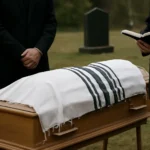
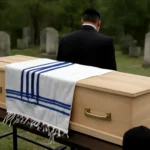
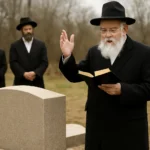
Planning or attending a Jewish funeral can be a meaningful, solemn, and informative experience. If you’ve ever asked yourself, “how long is a Jewish funeral service?” you’re not alone. The answer depends on a number of factors, including denomination, customs of the particular community, whether eulogies are given, and the specific rituals included in the service. In general, you can expect a range that goes from a concise service to a more extended ceremony that includes readings, prayers, and reflections. This article offers a detailed guide to timelines, traditions, and what to expect, with practical pointers for both attendees and organizers.
To understand how long a Jewish funeral service lasts, it helps to consider the overall timeline surrounding a Jewish death. While the exact timings will vary, a typical flow may include:
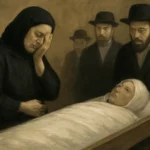
Preparation of the body: The body is prepared by the chevra kadisha (holy society) through a ritual washing and dressing, called taharah and tachrichin (shrouding). This is usually done by members of the community ahead of the funeral service and often occurs within 24 hours of death, when possible.
Visitation and viewing (if applicable): Some communities allow a period for mourners to gather, say prayers, and offer condolences before the service.
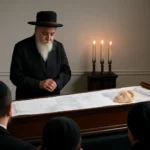
The funeral service itself: The core ceremony performed at the house of mourning, funeral home, synagogue, or cemetery chapel, which often lasts somewhere in the range of 20 to 60 minutes depending on customs.
The levy of the procession (levaya): The body is carried or driven to the cemetery, and a burial takes place. This component may be integrated into the service or occur as a separate procession immediately after, depending on local custom.
Post-burial rituals: After burial, mourners return to the family home or a hall for further memorial prayers or a brief gathering, which may include additional readings or songs.
Because the burial is typically performed as soon as possible and often on the same day as the service (subject to logistical and halachic considerations), the entire day can feel continuous for mourners and attendees. The precise sequencing—especially whether a service is held before or after burial—varies by tradition and locale.
Typical Durations: How Long Does a Jewish Funeral Service Last?
When someone asks, “how long is a Jewish funeral service?” the most straightforward answer is that it often lasts about 30 to 60 minutes, though shorter or longer services do occur. Several factors influence the length:
Prayer book and liturgy: Some communities follow a concise order of prayers and readings, while others include additional psalms, readings, or songs that extend the service by 10–20 minutes or more.
Eulogies and remembrances: The inclusion of one or more eulogies can add 5–15 minutes per speaker, significantly increasing the duration. In some congregations, especially Reform or Conservative communities, multiple speakers may share memories of the deceased.
Interludes and music: The use of music, psalms, or responsive readings can lengthen the service by about 5–15 minutes depending on how the elements are integrated.
Optional rituals: Some services include additional elements such as a Torah reading, a formal dedication of the grave, or special prayers that can extend the service time.
Logistics and location: Services held at a synagogue, mortuary chapel, home, or cemetery chapel can affect pacing. Outdoors or in a larger space may also influence how long mourners spend in transit and during the service.
In addition to the service itself, plan for time around the event. Attendees may arrive a few minutes early, and there may be a procession to the cemetery that takes additional minutes. If you are attending with family and friends who will share stories or readings, the overall commitment on the calendar could extend beyond the formal service by 1–2 hours.
The length and structure of a Jewish funeral can differ markedly between Orthodox, Conservative, Reform, and Sephardic practices. These differences are not merely stylistic; they reflect theological emphases and ritual norms that influence how long a service lasts. The following subsections outline common patterns in several streams of Jewish practice.
Orthodox and Haredi Communities
In Orthodox communities, the funeral service is often focused on formal prayers and quick burial, with fewer or shorter eulogies and less congregational singing. Elements typical of Orthodox practice include El Moleh Rahamim, Yizkor (on special occasions), and a succinct reading of Psalms. The service itself is commonly leaner and more contemplative, usually lasting around 20–40 minutes. The chanting, liturgical cadence, and emphasis on prayer can create a solemn rhythm that some mourners find deeply moving.
Estimated range: 20–40 minutes for the service itself
Burial: Often occurs on the same day or within 24–48 hours, depending on logistics and whether Shabbat or holidays intervene
Post-service practices: Traditional practices may include a short levaya and a gathering for condolences at a designated home or hall after burial
Conservative and Reform Practices
Conservative and Reform communities frequently incorporate more elaboration around the eulogy, readings, and music. The service may last longer, frequently in the 30–60 minute range, but it can extend to an hour or more when there are multiple speakers or elaborate musical elements. Reform congregations may also include prayers or songs sung in English, more frequent congregational responses, and a broader inclusion of readings that reflect inclusive mourning rituals.
Estimated range: 30–60 minutes, with some services longer
Eulogies: More frequent and sometimes longer, reflecting the family’s preferences
Language: Mixed Hebrew and English readings; occasionally more contemporary memorials
Sephardic and Mizrahi Traditions
Sephardic and Mizrahi communities bring their own distinct liturgical melodies, prayers, and customs. The service may be punctuated by specific piyyutim (poetic prayers) or unique blessings, and the order of prayers can differ from Ashkenazi norms. While the duration is typically comparable to other communities, the cadence and content may feel different due to language, liturgical tunes, and ritual emphasis.
Estimated range: 30–60 minutes for the service, depending on the congregation
Ritual separations: Some communities emphasize particular rites or blessings not as common in other traditions
The Funeral Service Itself: What Happens and for How Long
When you ask, “what happens during a Jewish funeral service,” you’ll find a sequence that is designed to honor the deceased, comfort the mourners, and observe sacred rituals. The core components typically include:
Opening prayers and psalms: The service often begins with prayers such as El Malei Rahamim or other memorial prayers, followed by psalms that reflect on life, loss, and the afterlife.
readings and reflections: A member of the family or a close friend may offer a brief eulogy or personal reflections. In many communities, the eulogy is kept concise out of respect for the solemn tone of the service.
Kriat ha’Torah or Torah reading (if applicable): Some services include a brief Torah reading or other sacred texts, depending on tradition and whether a synagogue setting is used.
Pronouncements of comfort: Prayers that absolve the family of sorrow and honor the memory of the deceased are recited, often concluding with Kaddish recited by mourners present.
Closing blessings: The service typically ends with closing prayers and the transition to the burial process.
Important rituals often associated with the funeral service include keriah (the tearing of garments) at the onset of grief by close mourners; levaya (the funeral procession) to the cemetery; and kaddish recited by mourners after the service. While the precise punctuation and emphasis vary, these elements are common touchstones across many Jewish communities. If you are scheduling a funeral, it is helpful to consult with the clergy and the chevra kadisha to confirm the expected order and timing.
Beyond the funeral itself, the Jewish mourning process unfolds over several weeks and months, shaping the overall timeline of remembrance. The most widely observed phases include shiva, shloshim, and the first year for certain mourners, though practices vary by tradition. Understanding these phases helps clarify why the day of the funeral is only one moment in a longer arc of mourning.
Shiva (the seven-day period immediately following the funeral): Mourners stay at home, receive guests, and recite prayers together. The schedule is structured to support the family, and guests often arrive to offer condolences, share memories, or simply sit in quiet reflection. The length of daily observances can influence overall time spent in this stage, but it is traditionally seven days.
Shloshim (the 30 days after the funeral): The formal mourning period continues, with reduced restrictions. Social activities may resume gradually, but certain customs—such as attending large public events—are still avoided by many mourners.
First year of mourning (for a parent, and in some cases for others): The mourning practices can extend for a full year, with certain rituals and prayer recitations emphasized at specific times, such as the yahrzeit (anniversary of death).
These phases help explain why the total experience of a Jewish funeral can be lengthy when viewed in the context of time. While the funeral itself may last a fraction of a day, the surrounding days and weeks carry significant ritual meaning that supports the bereaved and honors the memory of the deceased.
Practical Considerations for Attendees
Whether you are attending a funeral or supporting the family after a loss, there are practical considerations to ensure the timing and participation are respectful and comfortable. Here are key points to keep in mind:
Timing expectations: If you are unsure about when to arrive, contact the family or the funeral home. In many communities, the service is scheduled for a specific time, with guests arriving a few minutes early.
Dress code: Modest, respectful attire is customary. In Orthodox communities, men may wear a kippah (yarmulke) and women should dress modestly; some attendees may cover their heads in the synagogue or funeral home.
Recording and photography: In most Jewish funerals, photography and video recording are discouraged or prohibited out of respect for the solemnity of the occasion. If you are unsure, ask the family or clergy in advance.
Condolences: Mourners typically receive visitors during the shiva and other designated periods. A simple, empathetic expression—such as “I’m sorry for your loss”—is appropriate and appreciated.
Participation: If you are a close relative or community member, you may be invited to say a short prayer or offer a reading. Follow the direction of the officiant or family.
Language and readings: Prayers and readings may be in Hebrew, English, or a bilingual combination. If you are uncertain, you can prepare a brief reading in English or a short tribute that respects the tone of the service.
For those unfamiliar with the customs, it can be helpful to have a short primer on the most common terms you may hear during a Jewish funeral service, such as Kaddish, El Moleh Rahamim, and levaya, so you can participate meaningfully without needing to know every detail in advance.
Common Questions About Time and Scheduling
Below are some frequently asked questions that people often have about the duration of Jewish funeral services and related rituals. The answers reflect general patterns but can vary by community.
How long is a traditional Jewish funeral service? In many communities, the service lasts about 20–60 minutes, with shorter services common in Orthodox settings and longer ones possible in Reform or Conservative ones, especially when there are speakers or musical elements.
What is the typical length of levaya (the burial procession)? The burial itself may take 15–30 minutes, depending on the cemetery, the pace of the procession, and local customs. The entire levaya sequence—service, procession, and burial—may occur within a few hours of the death.
Do funerals ever last longer than an hour? Yes. Some services include multiple eulogies, extended readings, or musical elements that push the total time beyond 60 minutes.
Is the timing different for Sephardic and Ashkenazi communities? Yes. Sephardic services can have different liturgical cadences and prayers, which may alter the duration slightly, but most are still within a 30–60 minute window for the service itself.
What if the death occurs on Shabbat or a Jewish holiday? The timing may be adjusted to respect Shabbat or holiday restrictions. In many communities, burial and services are delayed until after Shabbat or the holiday ends, which can affect the overall timeline.
Planning Tips for Families and Coordinators
If you are organizing a funeral or coordinating with a synagogue, cemetery, or chevra kadisha, these practical tips can help manage timing and expectations:
Confirm the expected duration with the officiant and funeral home ahead of time, and communicate this to attendees if possible.
Schedule buffers around the service to accommodate traffic, parking, and formalities. A 10–15 minute buffer can prevent delays if there is a late arrival or an additional speaker.
Prepare the family for rapid sequencing in orthodox settings where burial may follow quickly after the service. Ensure there is a clear plan for transport to the cemetery.
Coordinate with the chevra kadisha regarding the taharah and tachrichin, so mourners know when and where these rites will occur and how long they are expected to take.
Consider language and accessibility: If readings are in Hebrew, provide English translations or transliterations, and ensure seating is accessible for all mourners who may be standing or moving slowly during the service.
Historical and Cultural Context: Why the Timing Matters
Across centuries of Jewish practice, the emphasis on punctuality and dignity in funeral rites has deep roots. The brevity of the core service in many communities reflects the desire to honor the deceased with focus and clarity, while the speed of burial underscores the Jewish value of returning the body to the ground promptly unless there are halachic or logistical reasons to delay. At the same time, the extended phases of mourning—while not part of the service itself—provide essential support for the bereaved and reflect the communal responsibility to sustain those in grief.
Educational and religious leaders encourage families to prepare for different possible durations. By understanding the range—from a succinct 20-minute service to a longer program with multiple speakers—attendees can plan travel, child care, and other commitments with confidence. This adaptability is one reason many Jewish communities organize around consistent practices while leaving room for individualized expressions of mourning.
What to Expect If You Are Attending a Jewish Funeral
For first-time attendees, here is a practical snapshot of what a typical day may look like, with emphasis on time, sequence, and etiquette. This should help you manage expectations and participate with respect.
Arrival and check-in: Arrive ahead of the scheduled time by a few minutes. Ushers or family members may guide you to seating and explain the flow of the service.
Seating norms: In many synagogues, men and women sit separately in traditional Orthodox settings, while reform and many Conservative communities use mixed seating. Follow the lead of the officiant or the ushers if you are unsure.
Prayers and readings: Expect a blend of Hebrew and English prayers and readings. If you are not fluent in Hebrew, you can participate in the English portions or remain in a listening, reflective mode during the service.
Condolences and support: After the service (and often after burial), mourners welcome condolences. A short, sincere message of sympathy is appropriate and appreciated.
Burial and procession: If the burial takes place at a cemetery, you may participate in the levaya and watch the burial, or you may wait at a designated meeting point. The officiant will guide you through what to do next.
Post-service gathering: Many families host a meal of condolence, where attendees share memories and offer support in a more informal setting. This is a customary time to reflect and connect with others who knew the deceased.
In all cases, the core message of a Jewish funeral is to honor the deceased, comfort the mourners, and embed the ceremony within a framework of community and tradition. The way time is managed—whether more concise or more expansive—serves these aims and respects the needs of the family and community.
Conclusion: Respectful Timing and Shared Traditions
So, how long is a Jewish funeral service once again depends on the context. For many communities, the service itself is a compact moment—typically 20 to 40 minutes in Orthodox settings and often 30 to 60 minutes in Conservative, Reform, or Sephardic congregations. However, the entire day surrounding the funeral, including levaya, the burial, and the initial days of mourning, unfolds over hours and days, shaping a broader timeline of remembrance and support. Understanding these timelines helps mourners and attendees participate with clarity, compassion, and respect for the tradition.
Whether you are a family member, a close friend, or an anonymous visitor, your presence at a Jewish funeral carries the shared weight of communal responsibility. By acknowledging the variations across communities, preparing for the expected length of the service, and honoring the rituals with attention and care, you contribute to a meaningful, dignified experience that honors the life of the deceased and the needs of those who continue to mourn.