Jewish Unveiling Prayers: A Comprehensive Guide to Traditions, Meanings, and Examples
The moment when a family unveils a new gravestone or marker is a profoundly meaningful rite in Jewish life. The ceremony around the unveiling, often called the matzeivah ha-shaiva or simply the unveiling, blends memory, gratitude, and respect for a life that has passed. Central to this moment are the prayers and readings that accompany the gathering. While the core sentiments are consistent—honoring the deceased while comforting the living—the exact prayers, order, and language can vary significantly by community, tradition, and rabbinic guidance. This comprehensive guide explains the traditions, the meanings behind the prayers, and practical examples you can use as a framework for planning an unveiling service that feels both authentic and personal.
The Unveiling Ceremony: Purpose, Timing, and who participates
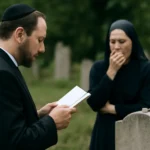
An unveiling ceremony typically occurs after the burial, usually within a year or so, when a family reveals the new headstone and marks the grave. The purpose is to publicly acknowledge the deceased, to honor their memory, and to provide an occasion for kin, friends, and community members to reflect, pray, and support one another. The ceremony is often held at the cemetery, but in some communities it may take place at another location or be brief and private, followed by a later, more intimate gathering.
The structure of the unveiling varies, but certain elements are common:
Reverence and remembrance: remarks about the life of the deceased and the impact they had on family and community.
Prayer and reading: verses from Psalms, selected prayers, and occasional readings from religious texts or personal reflections.
Kaddish and memorial prayers: the mourners’ prayer is often recited, along with other customary formulations.
Closure and blessing: a final blessing or benediction, and a moment of quiet reflection by attendees.
The exact participants can differ by tradition:
The immediate family—the mourners who lead the service or read passages.
A rabbi or spiritual leader who guides the service and offers comfort.
A cantor or friend who leads or sings prayers.
Friends and extended family who join in the prayers or recite supportive poems and readings.
In many communities, the unveiling is a brief, solemn event punctuated by meaningful Hebrew phrases. In others, it may be longer and more elaborate, with multiple readings and songs. Regardless of the length, the guiding principle is to honor the deceased while offering consolation to those who mourn.
Core prayers and readings commonly used at the unveiling
The prayers and readings at an unveiling are chosen to reflect both timeless Jewish liturgy and the personal story of the deceased. While there is diversity in practice, several core elements frequently appear in one form or another.
Mourner’s Kaddish (Kaddish Yatom): A central mourner’s prayer that magnifies God’s holiness and expresses faith, even in grief. It is typically recited by the mourners during the service or immediately afterward, often with the community responding «Amen.» The Mourner’s Kaddish is a sign of communal support and a reminder that the community continues to sustain the memory of the deceased.
El Malei Rachamim (God, Full of Compassion): A solemn prayer asking God to grant mercy to the departed, to shield their soul, and to remember their deeds. This prayer is frequently associated with funerals and memorial occasions, and many communities include it at the graveside during the unveiling service.
Tehillim (Psalms) or readings from Psalms: Selected psalms are recited to reflect themes of faith, protection, holiness, and the journey of the living through grief. Commonly used psalms include those that speak of God’s shelter, light, and steadfast love. Family members may also choose a verse that held personal significance for the deceased.
Yizkor (Memorial Prayer): In some communities, especially where the family gathers in a cemetery, a condensed Yizkor or a brief remembrance of the deceased may be included. In other communities, Yizkor is reserved for synagogue services on specific holidays, so it may appear as a short remembrance or a closing blessing instead.
Aleinu or Barechu (Opening and closing liturgical prayers): Depending on local custom, a brief invocation or benediction may be included to acknowledge God’s sovereignty and to seal the service with praise.
Each of these elements carries a meaning:
Kaddish emphasizes faith, community, and the elevation of memory through praise.
El Malei Rachamim enshrines compassion and mercy for the departed—an appeal that comfort can be found in God’s care.
Psalms connect the mourners to a long tradition of prayer in the face of loss, offering language for gratitude, trust, and hope.
Yizkor centers memory on the responsibilities of remembrance and the continuity of generations.
Variations by tradition: Ashkenazi, Sephardi, and Mizrahi practices
Across Jewish communities, the unveiling prayers can take different shapes. The following outlines offer a broad sense of how practices diverge, while still preserving the core intention of honoring the deceased and comforting the living.
Ashkenazi communities: The Mourner’s Kaddish is almost always a central feature, typically led by the mourners. El Malei Rachamim is commonly recited at the graveside or during the service, especially at larger funerals or memorials. Psalms are often included, with a preference for verses that emphasize trust in God and the protection of the living.
Sephardi communities: The ritual arc often foregrounds El Malei Rachamim with a slightly different cadence or selection of psalms. There can be a greater inclusion of poetic or liturgical readings in Hebrew that reflect Sephardic liturgical traditions. The place of Yizkor can vary—from being included in the cemetery service to being reserved for synagogue observances on holidays.
Mizrahi communities: The service may incorporate influences from Arabic, Ladino, or other languages and rhythms of the local culture. The prayers may be delivered with cantillation that reflects Mizrahi melodies, and readings can emphasize remembrance, dignity, and continuity of family lines.
No matter the tradition, the intention remains the same: to honor the deceased, to articulate grief in a sacred framework, and to offer support to the mourners and the wider community. If you are planning an unveiling, consulting with a rabbi or cantor who understands your community’s customs will help tailor the prayers to fit your context while preserving the sacred arc of the moment.
Practical guidelines for planning the unveiling prayers
Preparing for an unveiling is a meaningful, collaborative process. Here is a practical framework to help you design a respectful and moving service.
Consult with a rabbi or cantor: Discuss the deceased’s background, family preferences, and community customs. The spiritual leader can propose an order of service and select appropriate readings.
Agree on a framework: Decide whether the service will be brief or more expansive. Choose which prayers to include (Kaddish, El Malei Rachamim, psalms, readings, etc.).
Gather participants: Identify family members who will read passages, recite prayers, or speak from the heart. Confirm who will lead the service.
Prepare readings and names: If you wish to honor multiple relatives, prepare brief introductions or readings. Include the deceased’s name, dates, and a line about their character or legacy.
Decide on music and atmosphere: If you plan to include singing or instrumental music, choose melodies that are fitting for a cemetery setting and that resonate with the family’s tradition.
Logistics and accessibility: Confirm the timing, pace, and whether attendees will stand or sit; ensure accessibility for elderly or disabled mourners; consider weather-related contingencies if the service is outdoors.
Practical notes to consider:
The tone of the service should feel solemn yet comforting, acknowledging the pain of loss while upholding the dignity of the moment.
Names matter: include the deceased’s full name, and where appropriate, a short descriptor of who they were (e.g., “mother, teacher, friend”).
Be mindful of the audience: some attendees may be unfamiliar with Hebrew terms; consider brief explanations or transliterations when introducing prayers.
Two typical sequences: Ashkenazi and Sephardi style outlines
Below are illustrative outlines you can adapt. They are not prescriptive; they serve as flexible templates to honor tradition while reflecting personal preferences.
Example A: Ashkenazi graveside unveiling sequence
Introductory remarks by the family or rabbi, acknowledging the purpose of the gathering.
Kaddish Yatom led by the mourners, with the congregation responding “Amen.”
El Malei Rachamim recited by the officiant or a designated reader.
Psalms chosen by family members, read aloud or chanted softly.
Reading or reflection by a family member or friend—brief and personal.
Aleinu or closing blessing to conclude the service in a dignified manner.
Example B: Sephardi or Mizrahi style graveside sequence
Opening benediction and a melodic introduction by the cantorial leader.
El Malei Rachamim with a cantillation style characteristic of the tradition.
Kaddish Yatom by the mourners, with community support.
Psalms or readings that integrate cultural or linguistic elements significant to the family.
Personal readings or poems that reflect the deceased’s life and values.
Closing prayers and a moment of quiet reflection as attendees depart respectfully.
Important terms and a concise glossary
The language used in unveiling prayers can be unfamiliar. Here is a concise glossary to help readers navigate common terms you may encounter:
(stone or monument) and matzeivah ha-shaiva (the unveiling of the monument).
Unveiling or hashkavah: the ceremony at which the grave marker is revealed and prayers are offered.
Kaddish Yatom: the mourners’ prayer used to sanctify God’s name and to affirm faith amidst grief.
El Malei Rachamim: a memorial prayer requesting mercy for the departed.
Yizkor: a memorial prayer typically recited on specific holidays to honor loved ones who have passed away.
Psalms (Tehillim): verses recited to invoke blessing, protection, and solace.
Ashkenazi, Sephardi, Mizrahi: broad terms describing major Jewish liturgical traditions that influence the style and content of the prayers.
Guidance on personalizing the tribute while honoring tradition
Personalization is one of the most meaningful ways to make an unveiling feel authentic and heartfelt. Here are thoughtful approaches that respect tradition while allowing for personal expression.
Name and story: Include the deceased’s full name, birth and death years if known, and a brief description of their character or life’s passions.
Memories and values: Invite a few close relatives to share a short memory or a sentence that captures what the person stood for—gratitude, kindness, resilience, or humor.
Music and melody: If you wish, select a brief musical refrain or chant that held significance for the family, provided it aligns with the cemetery’s policies and the community’s custom.
Language considerations: If the community speaks a language other than Hebrew (e.g., English, Ladino, Arabic), incorporate brief readings or phrases to reflect the deceased’s heritage and family’s linguistic background.
While personalizing, keep the pace and tone respectful. Time-conscious services often balance brevity with enough personal detail to convey meaning. A well-thought-out outline helps attendees participate with intention and leaves space for the quiet memory that the moment invites.
Testimonies and readings: choosing material that resonates
Readings can be short poems, literary passages, or biblical verses that connect to the person’s life or to universal themes of memory, loss, and hope. When selecting readings:
Seek passages that do not require lengthy explanation; choose clear, poignant lines.
Prefer readings that celebrate life rather than focusing solely on sorrow.
Consider including a prayer or reading in the deceased’s preferred language if appropriate and accessible for attendees.
If you are unsure what to choose, a rabbi or cantor can suggest a few options that align with the family’s beliefs and the community’s customs. It is also acceptable to invite a friend or family member to deliver a short, personal tribute if that feels meaningful and comfortable.
In today’s varied communities, an unveiling ceremony can be thoughtfully adapted to be inclusive of all attendees while preserving reverence for Jewish tradition.
Accessibility: Ensure seating and space accommodate elderly or disabled mourners. Provide a quiet area for those who need a moment of reflection away from the main gathering.
Language accessibility: If attendees include non-Hebrew speakers, provide brief translations or transliterations, so everyone can participate meaningfully.
Timing and duration: Be mindful of the length of the service, balancing devotion with the comfort of those present, particularly in hot weather or at long yard-side sessions.
After the unveiling, families often maintain ongoing memorial practices. These can include:
Lighting a memorial candle on the anniversary of the death (Yahrzeit).
Visiting the grave on Jewish holidays and personal anniversaries to recite prayers or read Psalms.
Donations or acts of kindness in memory of the deceased, sometimes connected to a charitable cause the person supported.
The unveiling is not an endpoint but a threshold—opening a continued ritual of remembrance and communal support. The way families approach this moment can set a tone of ongoing connection that endures across the years.
Remember that every unveiling is a unique expression of memory and meaning. The goal is to honor the person who lived, sustain the family in grief, and reaffirm community bonds through prayer, remembrance, and shared presence.