Judaism and Death Rituals: Jewish Burial and Mourning Practices
Death is a universal human experience, but in Judaism it is approached through a coherent
constellation of practices and beliefs designed to honor the dignity of the deceased, support the
family, and reaffirm the community’s responsibilities to the living and the dead. Across Judaism, there are shared values—most notably kavod ha-met (respect for the dead),
the imperative to bury the deceased promptly, and the duty of care that the living owe to one another in
times of loss. Yet the ways these values are enacted can vary among different movements—Ashkenazi, Sephardi and Mizrahi communities, as well as among Orthodox, Conservative, Reform, and Reconstructionist streams. This article surveys the broad arc of death rituals
in Judaism, including burial preparations, the roles of ritual volunteers, mourning periods, prayers, and
memorial practices, while highlighting the diversity within the tradition.
Core principles and the arc of a Jewish death
At the heart of Jewish burial and mourning is a sequence of stages that emphasize
reverence for the deceased, communal solidarity, and a path of healing for mourners. Several core ideas recur
across communities:
Kavod ha-met: respect for the deceased as a sacred recipient of human care.
Chevra kadisha: a voluntary “ burial society” responsible for preparing the body and ensuring proper ritual handling.
Tahara: the ritual washing and preparation of the body, carried out with care and modesty.
Tachrichim: the white linen shrouds in which the deceased is clothed for burial.
Levaya: the funeral processional and accompanying rites, or “disposition of the body.”
Shiva, Shloshim, and Yahrzeit: structured periods of mourning and remembrance.
Kaddish and Yizkor: central prayers that honor the dead and sustain the living in grief.
Stages before and during burial
The period surrounding death unfolds through a series of sanctified rites that vary in detail but share a
common aim: to treat the dead with dignity while supporting the bereaved.
Tahara and the preparation of the body
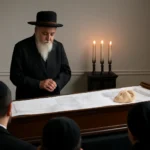
The tahara (ritual washing) is typically performed by members of the chevra kadisha
(burial society). This act is not simply practical cleanliness; it is a sacred ritual of preparing the body for
burial in accordance with Jewish law and sensibilities. In many communities, the process is carried out with
great modesty, using a patterned sequence of steps:
The body is respectfully washed and purified in a ritual cleansing called tahara.
Jewelry is removed, and any valuables are handled with care and, in some communities, donated to charity in the
name of the deceased.
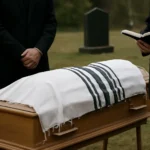
The deceased is dressed in tachrichim, the simple white linen burial garments, signifying purity
and equality before God in death.
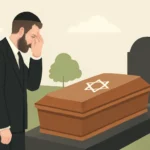
A simple wooden or plain casket (aron) may be used in Orthodox practice; however, some
communities place the body directly in the ground without a traditional casket, depending on local custom and
halachic guidance.
The goal of tahara and tachrichim is to minimize adornment and emphasize the
intrinsic value of every person, regardless of wealth or status. The practice reflects a broader Jewish ethic of
humility at the end of life.
Funeral service and levaya
The actual funeral is often called the levaya, the sending forth of the soul and body. It is a
solemn occasion that may include brief prayers, readings, and a hesped (eulogy) given by family, friends,
or a rabbi. The mourner’s kaddish is rarely recited at the funeral itself, but the service may
include prayers of comfort for the bereaved and a communal gathering that emphasizes mutual support.
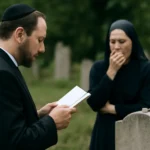
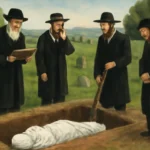
In many Jewish communities, the levaya proceeds to the cemetery in a processional order, with attendees walking
in silence or reciting psalms. The focus is on kavod ha-met and on ensuring the burial occurs with dignity and
immediacy, frequently within 24 hours of death where possible. The exact customs regarding timing, eulogies, and
ritual poetry can vary, reflecting the diversity within Judaism while preserving a shared framework.
Variations across streams: how practice differs
Judaism encompasses a spectrum of practices, shaped by tradition, law, culture, and modern
ethical considerations. While the core values of kavod ha-met, tahara, and communal responsibility are
widely recognized, the details of burial and mourning shift across different communities.
Orthodox practice
In traditional Orthodox Judaism, burial is typically swift, often within 24 hours after death, to honor
the dead and avoid prolonged exposure. The burial is usually conducted with a plain wooden coffin, and the chevra kadisha performs the tahara with strict adherence to ritual purity and modesty. Wills and
organ donation, where considered, must align with halachic guidelines. Men and women may participate in different
roles, with modesty and laws of ritual purity guiding actions.
Customs such as kittel (a white garment worn by some mourners and participants) may be used in
certain communities during the funeral or Yom Kippur. The hesped is typically performed by a
rabbi or a respected community member and often emphasizes the deceased’s contributions to family and community.
Conservative and Reform practices
In Conservative and Reform circles, there is often greater flexibility regarding burial
practices. Some communities permit cremation as an option, which remains a contentious issue within Orthodox Judaism.
The decision may reflect personal choice, family considerations, or interpretation of ethical questions such as
environmental concerns and stewardship of resources. Nevertheless, many Conservative and Reform congregations still
favor burial in traditional settings and emphasize tahara when feasible.
Liturgy and memorial practices may vary more widely in these streams. Eulogies, readings, and the role of the
rabbi can differ, and some communities incorporate progressive prayers or inclusive language. The care for the
body and the support offered to mourners remain central, even as the ritual details adapt to contemporary
sensibilities.
Sephardi and Mizrahi variations
Among Sephardi and Mizrahi communities, distinctive customs can shape burial and mourning.
Practices may include particular pronunciations in prayers, and distinct traditions related to family lineage, burial plots,
or shofar usage in specific moments of the mourning process. The use of the aron and the formality of
the levaya can reflect long-standing communal customs, liturgical melodies, and the influence of the communities’
historical lands of origin.
Mourning rituals: the journey of grief
Mourning in Judaism is structured rather than spontaneous. The calendar of grief helps mourners
externalize their loss, receive communal support, and gradually re-enter daily life while honoring the memory
of the deceased.
Shiva: the first week of mourning
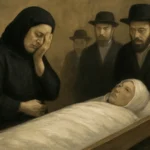
The term shiva refers to a seven-day period of intense mourning beginning immediately after the burial.
Family members gather in a home or a designated space to receive visitors, recite Kaddish, and share
memories. During shiva, mourners often engage in:
Regular recitation of Kaddish (the mourner’s prayer) by those who are obligated to mourn.
Minyan participation (a quorum of ten adults) for certain prayers and services.
Low-profile activities to reflect humility and focus on memory and healing.
Adjustments in work, social obligations, and daily routines to support the mourners.
The home becomes a center of communal presence and practical support: meals are shared (the shiva house provides
comfort foods, also known as seudat havra’ah), practical chores are managed by friends and family, and visitors help
in creating a space for grieving while maintaining normalcy where possible.
Shloshim: the month after burial
After shiva, the shloshim (thirty-day) period continues the healing process. Mourners gradually
resume many of their regular activities, though some restrictions persist (for example, avoiding festive events or listening to certain
types of music). Community members often check in during this time, offering ongoing support and sharing stories about the deceased.
Yahrzeit, memorialization, and ongoing remembrance
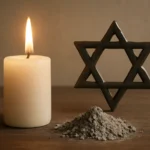
The annual commemoration of a death—the yahrzeit—occurs on the anniversary of the death according to the
Hebrew calendar. Families light a candle that burns for 24 hours, recite Kaddish, and reflect on the
deceased’s impact. In addition to the yearly remembrance, there are other meaningful memorial practices:
Yizkor: a memorial service observed on certain holidays (notably Yom Kippur, Shemini Atzeret,
Pesach, and Shavuot in many communities).
Placing a yahrzeit candle or a small marker at the grave, and visiting the cemetery on the
anniversary.
Giving charity in memory of the deceased (tzedakah), a common practice that aligns with the Jewish value of
tikkun olam, or repairing the world.
Learning the deceased’s values and contributions as a living memorial, sometimes through organized learning
programs and communal acts in their name.
Ritual vocabulary and material culture
The words and objects that accompany death rituals carry dense meaning in Jewish life. A few key terms:
Tahara: ritual purification of the body by the burial society.
Tachrichim: the white linen shrouds in which the deceased is clothed for burial.
Aaron (aron hakodesh or coffin): the container for the body in traditional settings.
Chevra kadisha: the burial society responsible for tahara and burial logistics.
Hesped: the eulogy delivered at the funeral service or levaya.
Kaddish: the mourner’s prayer that sanctifies God’s name and provides spiritual support for the living.
Yahrzeit candle: a memorial light that commemorates the date of death on the Hebrew calendar.
Kittel: a white garment worn by some mourners or participants during the funeral and certain mourning rites.
Laws, ethics, and debates within modern practice
The modern Jewish world wrestles with ethical questions that touch on burial, organ donation, cremation, and
all aspects of the mourning process. While the core aim remains honoring the dead and supporting the living,
different communities navigate these questions in diverse ways.
Creed and practice: burial versus cremation
A central debate centers on whether cremation is permissible or preferable. In traditional Orthodox
Judaism, cremation is generally discouraged or forbidden because it is seen as an alteration of the natural
disposition of the body and a rejection of the body’s continuity in the land of Israel. In Conservative
and Reform contexts, there is more room for personal choice, and cremation may be allowed or chosen
for reasons of personal conscience, environmental concerns, or financial considerations. The key ethical thread in all
debates is kavod ha-met—the respect owed to the deceased—along with the support provided to the mourners and family.
Organ donation, autopsy, and medical considerations
Modern Jewish authorities increasingly address medical realities. Organ donation is often framed as a
life-saving act of pikuach nefesh (saving a life) when permissible under halacha, with conditions to maintain
dignity and respect for the body posthumously. Autopsy decisions depend on halachic guidance and
clinical necessity. Families may consult a rabbi or halachic authority to balance medical needs with ritual
requirements, seeking the least invasive and most respectful option available.
Practical guidance for families and communities
For those navigating Jewish death rituals, practical steps and community resources are essential. While local
customs will shape the exact sequence, certain fundamentals recur across communities:
Contact Chevra Kadisha early to understand local protocols, timing, and required preparations.
Decide on arrangements for the tarat ha-met process and whether a aron will be used.
Plan the levaya and understand who may deliver a hesped and who should be invited to speak.
Communicate with the rabbi or spiritual leader about the appropriate prayers, readings, and the structure of the service.
Prepare for the mourning periods: arrange meals, designate a shivah house, and coordinate with friends and
relatives who wish to help.
Consider how to observe yahrzeit and yizkor in the coming years, including calendar planning and charity in memory of the deceased.
Respect the needs of children and family members who may experience grief differently; provide space for questions,
memories, and cultural or personal expressions of mourning.
In Jewish life, community is a critical source of strength during times of loss. The chevra kadisha,
the rabbinic leadership, friends, and neighbors work together to fulfill the duties of kavod ha-met, provide
meals and logistical support, and accompany mourners through each stage of grief. The communal dimension of death rituals
reflects a theology of memory: we honor those who have passed by preserving their dignity, continuing their legacy through
acts of kindness, learning, and shared prayer.
While no one seeks death, many Jewish families engage in conversations about end-of-life wishes before a crisis arises.
Advance directives, healthcare proxies, and discussions about burial preferences can reduce distress at the moment of loss.
Jewish ethical perspectives emphasize:
Respect for the body and the dead, even in times of illness.
Dignity and care for the family, with clear communication about expectations and financial matters.
Participation in ritual observances that align with personal beliefs, family traditions, and community norms.
Openness to seeking guidance from a rabbi, a chaplain, or a trusted community leader when difficult decisions arise.
The final resting place in Judaism carries significance not only for the deceased but also for
future generations. Cemeteries often host monuments and inscriptions that tell stories of family lineages and
communal memory. The act of visiting graves, leaving stones, or reciting Kaddish connects the
living to the past and reinforces a sense of continuity. Memorial spaces function as both sacred sites and
social spaces where families can reflect, teach younger generations, and model how to live with loss.
In the twenty-first century, secular and religious communities alike grapple with how to adapt traditional
death rituals to modern realities. Some trends include:
Digital memorials and online Kaddish communities that allow mourners to participate remotely.
Accessible cemeteries and grave markers that reflect diverse family structures, including blended families and same-sex partners.
Educational programs that teach tahara practices to lay volunteers and bereaved families, expanding the pool of those who can assist with ritual care.
Interfaith and cross-cultural dialogue about end-of-life care and the role of spiritual communities in grief work.
In Judaism, death rituals are not merely about an end but about a transition that preserves
the dignity of the person who has died and sustains the community that remains. The ritual framework—encompassing
tahara, tachrichim, levaya, shiva, shloshim, and the ongoing acts of kaddish, yahrzeit, and yizkor—offers a
structured approach to grief that recognizes the pain of loss while reinforcing commitments to family, faith,
and memory. The variations across Orthodox, Conservative, Reform,
and Reconstructionist Judaism reflect a living tradition that seeks to honor both ancient law and
contemporary conscience. Whether through a swift burial in accordance with halacha, or through a pluralistic approach
that accommodates modern medical ethics and personal choice, the core values remain resonant: be careful with the body,
care for the mourners, and remember the dead through acts of charitable giving, study, and acts of kindness.