Introduction: Judaism Arranged Marriages in Context
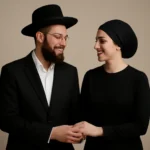
The topic of Judaism arranged marriages sits at the intersection of faith, family, culture, and personal choice. Across Jewish communities—ranging from ultra‑Orthodox Chabad circles to Modern Orthodox families, Conservative congregations, and even some Reform settings—the idea of matchmaking has persisted as a meaningful pathway to partnership. This article examines shidduch systems and related customs as they appear in various Jewish traditions, explaining how they function, why they matter, and how contemporary perspectives both honor tradition and embrace evolving notions of autonomy and consent. It is important to distinguish traditional matchmaking from coercion, and to recognize that the spectrum of practices can shift significantly from one community to another, from one era to the next.
In its most expansive sense, an arranged marriage in Judaism refers to a process in which families, communities, or designated matchmakers help two consenting adults discover compatibility, shared values, and long‑term goals before entering the formal steps of Jewish marriage. In many communities, the process is imbued with religiously grounded expectations, such as arranging for a proper Jewish home, ensuring halachic alignment, and observing ritual requirements that accompany betrothal and wedding. In other contexts, the term may be used more loosely to describe parental involvement in dating choices, or to describe a ceremonial framework that supports the couple’s decision toward lifelong commitment.
This article uses a broad lens to cover Judaism arranged marriages, including but not limited to the shidduch tradition, its Orthodox roots, and the ways in which modern communities adapt the practice to contemporary notions of consent, gender equality, and personal fulfillment. Readers will encounter terminology such as shadchan, erusin, nissuin, kiddushin, and ketubah, alongside reflections on how technology, global mobility, and pluralistic Jewish identities shape current practice.
Historical Context and Etymology: The Roots of the Shidduch System
The term shidduch originates from Hebrew and Aramaic roots that describe the act of finding a suitable match. Over many centuries, Jewish communities developed patterns of arranged courtship that balanced family loyalties, communal expectations, and religious life. In classical Jewish law, the process was often supervised by community leaders, with deliberate steps designed to ensure that both parties could pursue marriage in a way that respected halacha (Jewish law) while honoring intimate consent.
Different Jews historically varied in how strictly they adhered to the formal ritual structure. In some communities, a shadchan—a professional or semi‑professional matchmaker—played a central role in proposing matches, arranging meetings, and guiding negotiations. In others, families relied more on social networks, extended kin, and community gatherings to bring potential spouses together. Across this spectrum, the underlying aim remained: to cultivate a union that would sanctify the relationship in the eyes of God and anchor it in shared religious and cultural life.
Although the details differ by community, several core elements commonly appear in traditional Jewish matchmaking and the ceremonies that follow. Understanding these components helps illuminate why arranged marriages have endured as a meaningful social mechanism in many Jewish contexts.
Initial exploration and consent: In every model, the process begins with the recognition that both individuals have agency. A recommendation or introduction is offered, but the final decision rests with the people involved.
Mutual compatibility assessment: Values, religious observance, life goals, family traditions, education, and temperament are weighed. This phase often includes conversations about synagogue participation, ritual practices, and plans for parenting if applicable.
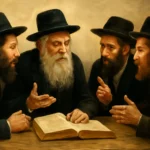
Role of the shadchan or matchmaker: The shadchan may be a rabbi, a community elder, or a trusted layperson who understands the families, the individuals, and the local halachic considerations. Their task is to facilitate respectful dialogues and help the couple imagine a future together.
Involved families and communities: Family involvement remains central in many circles, not only for practical reasons but for spiritual and social continuity. Community endorsement can reinforce shared values and help create a stable support network.
Formal dating phase and supervision: Depending on tradition, dating may occur under parental or rabbinic supervision, or with clear boundaries and expectations to preserve modesty and Jewish legal norms.
The Ceremonial Framework: Kiddushin, Erusin, and Nissuin
In many traditional settings, Jewish marriage unfolds in two distinct stages known as erusin (betrothal) and nisuin (the completion of the marriage). A third term, kiddushin, is often used to describe the sanctification of the union, which accompanies the betrothal. Over time, the two stages may be combined into a single ceremony or separated into two ceremonies, depending on community norms.
Erusin traditionally symbolizes the formal commitment and, in classical practice, creates a binding betrothal. The couple is considered sanctified to one another in the sense that a future divorce would require a formal process. In many contemporary settings, erusin is marked by the giving of a ring and the recitation of blessings.
Nissuin completes the marriage and marks the couple’s integration into married life. It typically occurs after a festive celebration and includes several ritual elements such as the couple’s public acceptance and witness signatures.
Ketubah is the marriage contract that outlines the obligations of the husband toward his wife. While it is not a legal requirement in all jurisdictions, the ketubah remains a central symbolic and legal document in traditional Jewish weddings.
Key Rituals and Practicalities
In practice, the ritual framework is complemented by careful attention to halachic details and communal norms:
Shabbat and holiday considerations: The timing of a match, dating period, and the wedding itself may take into account the Jewish calendar and the availability of family and ritual specialists.
Modesty and privacy: Many communities place a premium on modesty during dating, including appropriate interaction spaces, chaperones when appropriate, and mindful communication boundaries.
Yichud and witnesses: Post‑betrothal privacy (yichud) and the presence of witnesses at key moments are often observed as part of the ritual structure.
Religious Frameworks and Halacha: How Jewish Law Shapes Practice
The intersection of halacha and arranged Jewish marriage shapes what is possible, permissible, and encouraged. Halacha provides a framework for assessing the legitimacy of the match, the consent of both parties, and the rituals surrounding engagement and wedding.
Orthodox Practices: Deep Tradition and Community‑Centered Matchmaking
In many Orthodox Jewish communities, the shidduch system remains influential. Family participation is robust; matchmakers are common; and the emphasis on a partner who shares the same level of religious observance, language, and community ties is pronounced. Important features include:
Strong emphasis on parental guidance and community norms
Structured introductions and multiple preliminary meetings
Clear expectations about religious commitments, education, and childrearing
Often explicit consent from both individuals, with serious attention to emotional readiness
Conservative and Reform Perspectives: A Spectrum of Autonomy and Community Involvement
Conservative Judaism often preserves some traditional elements—such as the value of a community‑guided process—while permitting more flexibility in dating norms and individual choice. Reform and Progressive Judaism tend to emphasize personal autonomy and consent more explicitly, sometimes reducing the formalities of matchmaking or permitting couples to navigate marriage decisions through secular or mixed religious pathways. Still, elements of arranged dating can appear in Reform contexts as thoughtful facilitation rather than obligation.
Hasidic, Haredi, and Sephardic Variants: Distinctive Practices Within a Shared Framework
Within Hasidic and Haredi communities, the ritual and social architecture of an arranged marriage becomes a living tradition. The term shidduch is widely used, and the process is often taught by elders in the community, guided by the rabbinic authorities who interpret halacha for everyday life. Sephardic and Mizrahi communities bring their own customs to the table, including unique family structures, religious songs, language variations, and different approaches to dating, caching, and ritual timing.
Modern Perspectives and Debates: Autonomy, Consent, and Adaptation
Contemporary Jewish life grapples with questions about consent, gender roles, and personal fulfillment within the framework of religious identity. Critics of traditional arranged marriages sometimes argue that the process can place undue pressure on individuals, especially women, to conform to family expectations. Proponents counter that arranged matchmaking can offer a thoughtful, faith‑aligned pathway to partnership, provide enduring social support, and reduce the anxiety and ambiguity that can accompany purely secular dating.
Consent and autonomy: Modern discussions emphasize the necessity of mutual consent and the right to withdraw at any stage without social penalties.
Gender dynamics: Debates focus on how to balance respect for tradition with equal partnership, shared decision‑making, and the empowerment of both partners to shape their future.
Community expectations vs. individual choice: Communities seek to harmonize communal norms with the evolving desires of individuals to marry for love or to marry for shared values, rather than solely due to familial obligation.
Mental health and well‑being: As with all long‑term relationships, the emotional readiness of each person, the quality of communication, and the availability of support networks are critical considerations.
Technology, Dating Apps, and Online Platforms: Shidduch in the Digital Age
The 21st century has introduced new tools for Jewish matchmaking. Shidduch websites and Jewish dating apps complement traditional pathways, offering broader pools of potential matches while raising questions about privacy, speed, and the depth of personal connection. In many communities, online platforms are used as preliminary filters, followed by in‑person meetings under suitable supervision and within community guidelines.
Plugins of technology include:
Profile curation that highlights religious observance, family background, education, and life goals
Messaging protocols that preserve modesty, safety, and respect
Facilitated introductions by trusted community members who can interpret online signals within the context of halachic and cultural norms
While digital tools can expand opportunities, many communities maintain a careful balance between speed and deliberation. The arc from initial contact to an official betrothal often remains deliberately paced to ensure genuine compatibility and to protect the emotional well‑being of both parties.
Judaism is not monolithic. Variations in tradition, language, and ritual style reflect centuries of migration, settlement, and adaptation. Some notable cross‑cultural differences include:
Ashkenazi vs. Sephardi/Mizrahi traditions: Differences in family structure, wedding customs, and liturgical preferences can influence how a match is approached and celebrated.
Hasidic communities: A deeply insular approach with strong emphasis on dynastic considerations, communal supervision, and scholarship as a guiding value.
Modern Orthodox communities: A blended model that preserves traditional halachic boundaries while embracing broader social networks and independent dating within a religious framework.
Non‑Orthodox communities: Emphasis on mutual respect, personal choice, and often a willingness to experiment with more secular dating models alongside Jewish rituals.
Practical Guidance for Individuals and Families
For someone exploring Judaism arranged marriages—whether as a prospective partner, a family member, or a community supporter—there are practical steps that can help maintain dignity, respect, and meaningful connection.
Clarify values and boundaries: Before engaging with a match, articulate non‑negotiables (religious practice, upbringing, education, family expectations) and personal goals (career plans, children, location).
Seek reliable guidance: Consult trusted rabbis, educators, or senior community members who understand halacha and local norms and who prioritize consent and well‑being.
Engage with transparency: Be honest about interests, limitations, and expectations. Transparency reduces miscommunication and helps build trust.
Evaluate compatibility, not just chemistry: Consider the long‑term alignment of faith, life goals, and parenting values, in addition to initial attraction.
Preserve autonomy and consent: Ensure that both parties can freely consent at every stage and have the option to pause or decline without social penalty.
Plan for after the engagement: Discuss practicalities such as education, finances, and family life; outline a shared vision for the first years of marriage.
Questions to Ask in the Early Stages
When considering a potential match, some constructive questions include:
What level of religious observance do you expect in our home?
How do you envision our family’s education and community involvement?
What are your views on gender roles, parenting, and shared decision‑making?
What is your approach to work, study, and personal growth during the early years of marriage?
How important is proximity to family, and how will we balance extended family obligations?
Several misunderstandings about Judaism arranged marriages persist. Addressing them can help readers assess the practice more accurately.
Arranged does not mean coerced: In most contemporary settings, arrangement functions as a guided process with the individuals’ consent at the center.
Love need not wait: Some couples experience deep connection before engagement, while others build love over time within a committed framework.
Parental involvement varies: Some families are deeply involved; others respect more independence for the couple. Both models exist within Judaism.
Rituals are meaningful, not oppressive: Ritual steps serve spiritual, communal, and ethical purposes, not merely ceremonial ornamentation.
Conclusion: Traditions That Persist and Adapt
The practice of Judaism arranged marriages demonstrates how communities navigate continuity and change. Across denominations, the central threads—mutual consent, commitment to religious life, family involvement, and a desire to build a durable partnership—remain constant, even as the forms and rituals evolve. By honoring tradition while embracing modern perspectives on autonomy and consent, Jewish communities continue to offer pathways to marriage that are both spiritually meaningful and personally fulfilling.
Whether described as a shidduch system, a modern dating process within a halachic framework, or a hybrid approach that blends traditional guidance with contemporary ideals, the essential purpose endures: to bring two people together in a way that strengthens Jewish life, sustains family and community, and honors the dignity and agency of each individual.