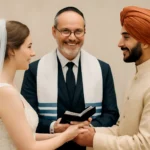
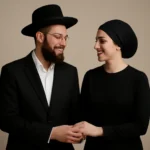
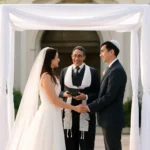
Jewish premarital counseling, sometimes called premarital education or marital preparation within Jewish community settings, is a structured process designed to help engaged couples explore their values, expectations, and plans before entering into marriage. This guide uses the term “Jewish premarital counseling” and its variations interchangeably to reflect the broad landscape of programs offered across denominations and communities. Whether you are planning a traditional wedding in an Orthodox synagogue, a Conservative ceremony, a Reform celebration, or a Reconstructionist or secular-immersed Jewish context, premarital counseling can offer a clear map of topics, open communication practices, and a shared language for building a strong, lasting partnership.
At its core, premarital counseling in a Jewish context is a collaborative conversation between a couple and one or more trained professionals—often a rabbi, a Jewish educator, or a licensed professional counselor with expertise in Jewish life. The aim is not to prod couples into a particular outcome but to help them understand how their identities, traditions, and expectations intersect with practical realities of marriage. The content is typically tailored to the couple’s background, denomination, level of religious observance, and life goals, while staying rooted in Jewish values such as responsibility, compassion, family continuity, and communal connection.
In many communities, the counseling process is framed by two interrelated ideas that recur across Jewish thought: shalom bayit (peace in the home) and kedusha and covenant (the sacred dimension of the marriage commitment). Counselors may invite couples to consider how their relationship will navigate challenges and how they will create a home that reflects mutual respect, generosity, and shared purpose. For some couples, this means exploring practical areas like money management alongside spiritual practices such as shared rituals or liturgical blessings. For others, it involves more secular or culturally Jewish approaches that still honor Jewish values. The result is a holistic preparation that blends personal growth with community belonging.
Why do couples seek Jewish premarital counseling?
There are many compelling reasons couples choose to participate in premarital education. Here are some of the most common motivations:
Communication skills: Learning active listening, nonviolent communication, and constructive conflict resolution can prevent misunderstandings and help couples navigate disagreements with empathy.
Value alignment: Couples assess core beliefs about family, children, education, and religious practice to identify areas of harmony and potential tension.
Family dynamics: Discussions about in-laws, extended family expectations, and boundary setting can reduce friction after marriage.
Financial planning: Budgeting, debt management, saving for the future, and priority-setting are practical topics that often require explicit deliberation before commitment.
Religious and spiritual life: Couples explore how they will observe holidays, rituals, and life-cycle events, and how each partner’s background informs their spiritual journey.
Parenting and education: Conversations about Jewish education, day school or day school alternatives, and how to raise Jewish children are central for many families.
Intimacy and boundaries: Thoughtful discussions about expectations, consent, and relationship dynamics contribute to a healthy sexual and emotional life.
Community integration: Premarital counseling often includes guidance on synagogue involvement, community service, and how to maintain a sense of belonging within Jewish life.
While these benefits are universal, the exact emphasis varies by program. Some couples want a brief session focused on practical logistics; others engage in a longer sequence of workshops that delve deeply into Jewish law considerations, family history, and personal growth work. The key is to engage early, with an open mind, and with a counselor who respects your unique path.
The foundations of Jewish premarital counseling
Different communities frame premarital education around distinct but compatible foundations. Here are the core ideas that frequently guide the process:
Shalom bayit: creating a peaceful home
Shalom bayit is a central ideal in Jewish life. It emphasizes harmony, mutual respect, and the deliberate cultivation of a home where both partners feel heard and valued. Premarital counseling often centers on communication practices, conflict resolution, and empathy-building as practical tools to sustain a healthy marriage. By naming potential sources of friction—such as finances, time with family, and religious observance—couples can craft agreements that safeguard peace while honoring individual needs.
Kedusha, covenant, and responsibility
Marriage in Jewish tradition is often described as a covenant, with both partners assuming responsibilities to each other, to their children, and to the broader community. In premarital sessions, couples explore questions of mutual obligation, trust, and accountability. They may also discuss the responsibilities that come with creating a Jewish home, including ritual practice, education, and ethical decision-making. When couples articulate these commitments clearly, they lay the groundwork for a durable relationship anchored in shared meaning.
ketubah, erusin, and nissuin: a practical language of commitment
For many Jewish couples, the ketubah (marriage contract) is more than a ceremonial document—it’s a framework for expectations and mutual obligations. Some premarital programs incorporate ketubah discussions, helping couples translate traditional language into contemporary commitments. In Orthodox communities, the divisions between erusin (betrothal) and nissuin (the full wedding) can shape how couples view the timeline of responsibility and intimacy. Understanding these terms, and how they are interpreted in different streams of Judaism, allows couples to enter marriage with clarity about both legal and spiritual dimensions.
What topics are typically covered in Jewish premarital counseling?
Premarital education is designed to cover both universal relationship skills and questions that are uniquely Jewish. While the exact curriculum varies, the following topics are commonly addressed:
Communication skills, including listening, expressing needs, and negotiating compromises.
Conflict management strategies, such as time-outs, repair attempts, and safe disclosure of hurt.
Family planning and decisions about children, including timing, gender roles, and parenting styles.
Religious practice and spirituality, including how to celebrate Shabbat, holidays, and life-cycle events as a couple.
Jewish education for children, including synagogue involvement and choice of Jewish day school or supplemental programs.
Finances—budgeting, debt management, savings goals, and how to align spending with shared values.
Role expectations related to gender, work, and household responsibilities, while acknowledging diverse family backgrounds.
In-law and extended family dynamics and how to establish boundaries that support the couple’s autonomy and unity.
Sexuality and intimacy within the marriage, approached with sensitivity to privacy, consent, and mutual satisfaction.
Health, safety, and well-being—stress management, coping with illness, and maintaining mental health.
Ethical decision-making and crisis planning for potential life events (career changes, relocation, religious adjustments).
Civil and religious rites—naming, marriage ceremony options, and practical logistics of wedding planning.
Some programs also include experiential components such as guided conversations, value-clarification exercises, and structured homework that invites couples to reflect between sessions. In more traditional streams, you might encounter discussions that touch on halachic considerations (Jewish law) relevant to relationships, while in more liberal settings the emphasis may be on individual autonomy and equal partnership.
Different approaches: denominations and models of instruction
Jewish premarital counseling is not a one-size-fits-all enterprise. Programs exist across the spectrum of Jewish life, and the approach you choose should align with your beliefs, practices, and community expectations.
Orthodox and traditionalist approaches
In Orthodox communities, premarital counseling often involves a rabbi or a team of religious professionals who provide guidance consistent with Halacha (Jewish law). Topics may explicitly consider halachic boundaries, family purity laws, and the practicalities of observance. The counseling may be integrated with the process leading to the wedding, including the ketubah and the couple’s obligations to each other within the framework of Jewish law. For some couples, this path offers a clear structure and a strong sense of communal accountability.
Conservative and Reform approaches
Conservative, Reform, and other non-Orthodox communities often emphasize equality, personal choice, and inclusive interpretations of Jewish law. Premarital education in these streams may incorporate broader discussions of social justice, interfaith dynamics (where relevant), and modern relationship ethics. Many couples appreciate a flexible curriculum that supports their secular or mixed-faith identities while still grounding discussions in Jewish values, rituals, and traditions.
Reconstructionist and secular Jewish approaches
In Reconstructionist and secular Jewish settings, premarital education might foreground cultural Jewish identity, lifecycle celebrations, and community connection over strict religious observance. The programming may emphasize shared values, ethical living, and Jewish-Humanist perspectives on marriage. Even in these contexts, many couples find value in learning about Jewish rituals, blessings, and the language of commitment as it pertains to their relationship and family life.
Choosing a program, rabbi, or counselor
Selecting the right source of guidance is crucial. The best choice aligns with your goals, learning style, and comfort level. Here are practical considerations to help you decide:
Denominational alignment: Do you want a counselor who shares your level of observance or a more inclusive approach?
Credentials and experience: Look for professional training in counseling or education, plus experience working with engaged couples in a Jewish context.
Format and duration: Some programs are brief (two or three sessions), while others are longer (a series of workshops over several weeks). Decide what fits your schedule and needs.
Couple compatibility: An initial meeting with the counselor to assess rapport can prevent misalignment later on. Comfort, respect, and trust matter greatly.
Content emphasis: If you want more focus on finances, parenting, or ritual life, look for a program that prioritizes those topics.
Compatibility with life goals: If you anticipate interfaith decisions, relocation, or major career changes, ensure the program can handle those topics thoughtfully.
When in doubt, ask prospective counselors for sample curricula, a description of their approach, and references from other couples who have completed the program. Some couples benefit from a combination of formal premarital sessions plus informal mentoring or coaching from a trusted rabbi or educator.
The structure of a typical Jewish premarital counseling program
While formats vary, many well-regarded premarital programs follow a consistent arc that helps couples build knowledge, practice skills, and align on plans for their future. A typical structure might look like this:
Orientation and goals: An initial meeting to identify hopes, concerns, and the couple’s shared aims for the program.
Foundations: Sessions covering core Jewish values, the meaning of covenant, and the responsibilities of marriage in Jewish life.
Communication and conflict: Tools for effective dialogue, problem-solving strategies, and repairing breaches in trust.
Ritual life and holiday calendar: Planning how to observe Shabbat, kosher practices (if relevant), and other rituals as a couple.
Family dynamics: Boundaries with extended family, in-law relationships, and managing familial expectations.
Children and education: Decisions about whether to have children, timing, and Jewish education options.
Finances and life planning: Budgeting, debt management, insurance, and long-term goals.
Intimacy and boundaries: Open discussion about emotional and physical intimacy, consent, and mutual satisfaction, within the appropriate cultural and religious frame.
Practical logistics: Ketubah options, wedding planning, and how to celebrate life-cycle events in the years ahead.
Wrap-up and next steps: Reflection on what the couple learned, a recap of commitments, and resources for ongoing growth.
Many programs include exercises such as guided conversations, value‑clarification grids, and scenario-based discussions to help couples practice the skills they’re acquiring. Some couples also receive reading lists or assignments to complete between sessions, reinforcing insights gained during the program.
Interfaith and secular considerations in Jewish premarital counseling
In communities where one partner is not Jewish or where interfaith dynamics are present, premarital counseling can be especially valuable—and sometimes more complex. Counselors may address:
Interfaith dialogue: Navigating religious differences, raising children, and maintaining mutual respect for each partner’s beliefs.
Ritual integration: How or whether to incorporate Jewish traditions into the wedding and family life in a way that feels authentic to both partners.
Conversion considerations: For some couples, discussions about conversion or formal affiliation with a Jewish community may arise, and counselors can provide guidance or referrals to appropriate resources.
Community involvement: Finding a comfortable place within a Jewish community that respects both partners’ backgrounds and commitments.
Regardless of the religious composition of a couple, effective premarital education emphasizes clear communication, shared values, and practical planning. It can also help reduce confusion or hurt after the wedding by ensuring both partners understand and respect each other’s preferences and boundaries.
Practical tips for preparing for Jewish premarital counseling
To make the most of premarital education, couples can approach preparation thoughtfully. Here are practical steps to consider:
Clarify goals: Before beginning, discuss what you each hope to gain from the program, including topics you want to prioritize.
Bring documents: If using a ketubah or discussing legal aspects, bring relevant documents and questions.
Be honest: Share both your aspirations and fears. Honest dialogue creates a foundation for future problem-solving.
Practice between sessions: Use the assignments to practice new communication techniques in daily life.
Invite support: If appropriate, involve a trusted family member or mentor who can offer guidance between sessions.
Respect boundaries: If certain topics trigger strong emotions, acknowledge them and discuss how to proceed with sensitivity and consent.
Ultimately, the best prep is a combination of learning, reflection, and ongoing dialogue. This approach helps couples translate insights into daily action, resulting in a stronger partnership as they begin their married life.
What to expect after the counseling ends
Premarital counseling is not a guarantee of a successful marriage, nor is it a moral judgment about couples who do not participate. However, many couples report lasting benefits, such as:
Improved communication and a higher likelihood of engaging in constructive discussions rather than heated arguments.
Clearer expectations about roles, responsibilities, and shared priorities, reducing the chance of resentment over time.
Plans for Jewish life or secular-identified rituals that reflect both partners’ identities.
Stronger problem-solving skills that help couples navigate life changes with resilience.
Some couples choose to revisit aspects of the journey later, either through follow-up sessions or informal check-ins with the counselor or a trusted rabbi. The goal is not to police a marriage before it begins but to invest in the skills and shared vision that sustain a healthy relationship for decades to come.
Case studies and illustrative scenarios (anonymized)
To illustrate how Jewish premarital counseling can unfold, consider these anonymized scenarios that reflect common patterns. Note that outcomes vary widely based on individual couples and the counselor’s approach.
Scenario A: A couple with divergent backgrounds: One partner grew up in a highly observant Orthodox home, while the other was raised in a secular Jewish environment. Through counseling, they explore how to honor both backgrounds, negotiate religious observance in the home, and create a blended calendar that respects each partner’s comfort level. The process helps them craft a flexible plan for holidays, dietary choices, and synagogue involvement that strengthens rather than divides.
Scenario B: A couple facing financial stress: Two partners bring different approaches to money. The counselor facilitates open dialogue about budgeting, debt, and future goals, guiding the couple to design a shared financial plan that aligns with their values. They learn how to disagree respectfully and implement a routine for financial check-ins.
Scenario C: Interfaith considerations: A Jewish partner and a non-Jewish partner want a Jewish wedding and a shared spiritual life. The counseling helps them articulate boundaries and commitments, consider conversion or affiliation options, and plan for a home that respects both identities. The resulting plan emphasizes mutual respect, education, and a clear pathway for future decisions about religious practice.
Resources and ways to engage beyond the counselor’s office
Premarital education is most effective when it connects couples to broader communities and ongoing learning opportunities. Consider these resources and avenues for continuing growth:
Local synagogues and Jewish community centers: Many offer premarital workshops, couples retreats, or informal mentoring programs.
Online courses: Reputable organizations may provide virtual premarital education programs that accommodate busy schedules or long-distance couples.
Books and guided workbooks: Look for titles that focus on Jewish life, relationship skills, and modern marriage dynamics. A counselor can recommend readings aligned with your denomination.
Jewish family educators: Professional educators who specialize in family life can provide ongoing support as you begin your married life.
Community Rabbi or clergy: A trusted rabbi or clergy member can serve as a spiritual guide, mentor, and resource for lifecycle events beyond the wedding day.
As you consider these options, keep in mind that accessibility, cultural sensitivity, and practical relevance are essential. The best program respects your individuality and your community while offering tools that you can use long after the wedding day.
FAQs about Jewish premarital counseling
Below are answers to common questions couples ask about premarital education in a Jewish context:
Is premarital counseling mandatory? There is no universal requirement across Jewish communities, but many couples choose to participate for preparation, guidance, and community connection. In some denominations, the program is strongly recommended or integrated into wedding preparation.
How long does a typical program last? Programs vary from a few sessions to several weeks, depending on the depth of topics and the format chosen by the couple and counselor.
What if we’re already engaged and want to start now? It is never too late to begin. Many couples find it beneficial to start even after engagement to ensure that essential topics are covered before marriage.
Will counseling be private? Most programs guarantee confidentiality within professional guidelines. You should discuss privacy expectations up front with your counselor.
What if we have differences in religious observance? A skilled counselor will help you navigate differences respectfully, focusing on shared values and practical strategies for living together with integrity.
Conclusion: embracing Jewish premarital counseling as a gift to your future
Entering marriage is a significant life transition, and in Jewish life, the commitment extends beyond two individuals to the broader community, family, and tradition. Jewish premarital counseling offers a structured, compassionate space to explore who you are as a couple, articulate your hopes, anticipate challenges, and design a plan that honors both partners and their shared values. Whether you seek a traditional path rich in halachic discussion, a modern approach focused on communication and equal partnership, or a blended model that honors multiple identities, premarital education can strengthen your relationship before you say, «I do.»
If you are preparing for marriage, consider reaching out to a reputable program in your community or a counselor who specializes in Jewish family life. Start the conversation early, ask questions, and approach the process with curiosity and mutual respect. The journey you begin today can lay the groundwork for a fulfilling, resilient, and meaningful marriage—a partnership rooted in love, responsibility, and the enduring values of Jewish life.
For more information, you can contact your local synagogue, Jewish community center, or Jewish counseling organizations to learn about available premarital education options in your area. Remember that the most important step is to engage in dialogue, practice listening and empathy, and commit to building a home and a life together that reflects your deepest values.