In a Jewish wedding, the procession is more than a beautiful entrance; it is a carefully considered sequence that sets the tone for the ceremony and honors family, tradition, and community. While there is no single universal script, most weddings share core elements—anchored by the sacred canopy chuppah, the betrothal kiddushin, and the marriage nisuin under a canopy of blessing. This guide explores the processional order, the typical roles of parents and wedding party, and the numerous variations you may encounter depending on denomination, culture, and personal preference. Whether you are planning a traditional Ashkenazi event, a Sephardic or Mizrahi celebration, or a contemporary Reform ceremony, understanding the typical steps helps you design a meaningful and smooth procession that reflects your values and tastes.
Common elements of a Jewish wedding processional
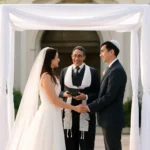
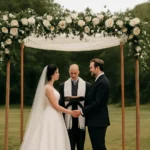
Chuppah under which the couple will be married, symbolizing the home they will build together.
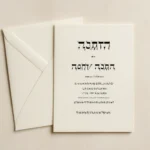
The ketubah, the marriage contract, which may be signed before or during the ceremony depending on tradition.
The traditional stages of the wedding: kiddushin (betrothal) and nisuin (conclusion of marriage).
The seven blessings, known as Sheva Brachot, recited under the chuppah.
The ritual of breaking the glass, a moment of remembrance and joy at the conclusion of the ceremony.
Variations in who walks down the aisle, when the ketubah is signed, and how the groom enters are common across communities.
A step-by-step guide: Traditional to modern variations
The following outline describes a practical, flexible sequence that many couples customize. It balances respect for tradition with opportunities for personalization. The steps are written to accommodate different customs, from classic Ashkenazi Orthodox to contemporary Reform practices.
Prelude, seating, and welcome — Before the procession begins, guests are seated and the cantor or rabbi offers a welcome, explains the flow of the ceremony, and invites reflective attention to the moment. In many weddings, background music is played as guests settle in, with the couple’s families greeting guests and taking their places. This opening phase establishes mood and expectations for the processional that follows.
Bride’s processional (the entrance) — The most visible and often cherished portion of the procession. Common configurations include:
Escort by a parent: Traditionally, the father of the bride or parents accompany the bride down the aisle to the chuppah. In many modern ceremonies, the mother of the bride also accompanies the bride, or the two parents share escort duties.
Bridal party positioning: The bridal party (bridesmaids, ushers, and sometimes family members) typically processes before or after the bride, stopping near the chuppah to stand with or behind the couple.
Music and pace: The selection of processional music can be traditional or modern, upbeat or reverent. The pace should match the couple’s taste and the ceremony’s mood.
Variations by tradition:
In some Ashkenazi Orthodox weddings, the bride’s entrance is strictly controlled to emphasize modesty and propriety; in others, a more lyrical, expansive walk is common.
Sephardic and Mizrahi ceremonies may feature distinct tunes, steps, or family roles that reflect regional customs.
Groom’s entrance or presence under the chuppah — Depending on tradition, the groom may:
Wait under the chuppah as the bride arrives, giving the groom’s party a moment to share in the expectation.
Enter with the wedding party or separately with a chosen escort, sometimes accompanied by a subtle, celebratory procession.
In some modern ceremonies, the groom is seated under the chuppah as the bride arrives, emphasizing a joint beginning rather than a separate entrance.
Note that not all traditions emphasize the groom’s separate entrance; some ceremonies focus on the bride’s arrival and the immediate actions under the chuppah.
Ketubah signing: before or during the ceremony — The ketubah, the couple’s civil-religious contract, is central to Jewish weddings. There are two common patterns:
Pre-ceremony signing: In many Orthodox and traditional communities, the ketubah is signed by witnesses in a private signing ceremony before the main ceremony begins. The signing may occur in a dimly lit room or a quiet corner of the venue, sometimes with family present but outside the main procession.
During the ceremony: In some communities, the signing is integrated into the ceremony, happening at a designated spot under the chuppah, often with both sets of witnesses and the rabbi present.
Whichever pattern you choose, it’s important to coordinate with the rabbi or cantor and the venue staff to ensure a smooth flow that does not interrupt the main blessing steps.
Under the chuppah: Kiddushin, Nisuin, and the symbolism of rings — The core Jewish marriage rite occurs under the chuppah and includes:
Kiddushin (betrothal): The groom gives the bride a ring (or another symbol) and recites a blessing that sanctifies the union. Some communities use two witnesses and a formal declaration; others may incorporate additional readings or songs.
Nisuin (conclusion of the marriage): The couple becomes permanently bound in Jewish law, often indicated by the sharing of a cup of wine and the final blessings.
Sheva Brachot (the Seven Blessings): These blessings are traditionally recited by the rabbi, cantor, or honored guests. They celebrate the couple, express gratitude, and invoke future joy.
Note: The exact placement of the ring exchange, blessings, and blessings’ recitation can vary. Some couples place the ring exchange within Kiddushin, while others place it as part of Nisuin, depending on custom and rabbinic guidance.
Sheva Brachot and blessings under the chuppah — The seven blessings often follow the rings and entrence sequence. They emphasize gratitude for creation, joy, and community support. Communities differ in whether they mark the conclusion of the ceremony with these blessings under the chuppah or reserve some for a later celebration at the reception.
Language and structure: Many communities recite the blessings in Hebrew, sometimes with a translation or transliteration for guests. In Reform or secular-adjacent settings, there can be more flexible wording or inclusive readings.
Who participates: The blessings may be recited by the rabbi, cantors, family members, or close friends selected by the couple.
After the blessing: Glass breaking and recessional — The ceremony typically ends with the breaking of the glass, a moment of reflection and shared happiness. Guests often shout “Mazel tov!” and the couple proceeds to their recessional, signaling the end of the formal proceedings and the beginning of the celebration.
Exiting the venue: The couple often walks down the aisle together or is led by family members, with guests showering them with blessings and well-wishes.
Recessional music: The music chosen for the recessional is usually celebratory, signaling a joyful transition to the reception or post-ceremony celebrations.
Variations by denomination and cultural customs
Ashkenazi Orthodox traditions
In traditional Ashkenazi Orthodox settings, the processional tends to emphasize modesty, structure, and the sanctity of the ritual. Common features include a formal bride’s entrance with her father (and sometimes mother) escort, a clearly defined order for the processional and seating, and the ketubah signing done beforehand. The kiddushin and nisuin steps under the chuppah are performed with a sense of reverence, accompanied by familiar melodies and traditional liturgy.
Sephardic and Mizrahi traditions
Sephardic and Mizrahi weddings often incorporate distinct musical scales, rhythms, and customs. The seating order and processional may reflect family lineage, with special honors given to elders and parents. The couple’s journey under the chuppah may include additional Jewish blessings, songs in Ladino or other languages, and unique customs that speak to the couple’s heritage. Ketubah text and decor may reflect Sephardic or Mizrahi aesthetics, and the language of blessings can vary from Hebrew to local languages.
Conservative and Reform practices
Conservative and Reform ceremonies frequently adapt the processional for a broader audience, sometimes increasing the visibility of diverse participants and incorporating contemporary readings. In Reform weddings, you’ll often see more fluid roles for family members, a less rigid order of entrances, and bilingual or multilingual blessings. The emphasis remains on the sanctification of marriage under the chuppah, but the style of music, pronouncements, and participation can be highly individualized.
Interfaith and secular-adjacent adaptations
In interfaith or secular-adjacent Jewish weddings, couples frequently blend traditions or replace procedural elements with symbolic acts that honor both partners. You might see inclusive readings, alternative blessings, or shared rituals that echo Jewish values while embracing other traditions. The processional order can become a canvas for personal storytelling, with friends and family taking on distinctive roles that reflect the couple’s identities and commitments.
Practical planning: How to design your processional order
Collaborate with your officiant and venue
Discuss the desired processional order with your rabbi or cantor early in the planning process. Some questions to consider:
Should the ketubah signing happen before the ceremony, or under the chuppah as part of the ceremony?
Who should escort the bride, and in what configuration should family members participate?
Would the groom have a separate entrance, or should both partners process toward the chuppah together?
What language will the blessings be spoken in, and will translations be provided?
Music, timing, and pacing
Music choices and the tempo of the procession influence the atmosphere. Consider a rehearsal to align timing, cues, and entrances. Be mindful of the following:
Music selection should suit the ceremony’s tone—solemn, celebratory, or a fusion of both.
Coordinate cues with the processional order and the rabbi or cantor’s pacing.
Allow flexibility for pauses if you plan to accommodate family members or special readings.
Roles and roles assignment
Assign clear roles for the bridal party, family members, and officiants, and provide a simple written outline to anyone participating. For non-traditional weddings, you may invite friends or chosen family to take on ceremonial roles that reflect your story and values.
Rehearsal: practice makes meaning
Schedule a rehearsal with the officiant, music director, and key participants. Practice helps reduce nerves and ensures smooth transitions between steps. It’s also a chance to confirm cues, entrances, and the exact placement of the chuppah and seating arrangements.
Common mistakes and how to avoid them
Unclear timeline: Create a detailed schedule with times for each entrance and cue. Share with all participants and vendors so everyone knows where to be and when to go.
Overly rigid structure: Allow space for spontaneous moments or family traditions. Flexibility can preserve the meaningfulness of the processional while maintaining decorum.
Food and drink conflicts: If the ketubah signing takes place at a separate moment, ensure the room is secure, cooled, and accessible so participants are comfortable and timely.
Inconsistent cues: Use a single point of contact (e.g., the wedding coordinator) to coordinate cues, music changes, and entrances to minimize confusion.
Sample timeline and rehearsal checklist
The following sample timeline offers a practical template you can adapt. It assumes a ceremony length of about 25–40 minutes, with a typical sunset or early evening start. Modify according to your venue’s constraints and the officiant’s guidance.
Sample ceremony timeline
4:00 PM Doors open; guests are seated; background music begins.
4:10 PM Bride’s entrance rehearsal (optional run-through with the father or escort).
4:15 PM Ketubah signing (pre-ceremony) or final prep under supervision of witnesses.
4:20 PM Official processional begins: ushers, bridesmaids, and other participants take positions near the chuppah.
4:25 PM Bride arrives at the chuppah; father or escort presents the bride to the groom.
4:27 PM Groom’s entrance or official presence under the chuppah; rabbi begins readings or liturgical introductions.
4:30 PM Kiddushin and Nisuin under the chuppah; ring exchange and blessings.
4:40 PM Sheva Brachot recited; readings of blessings or personalized poems, if included.
4:50 PM Breaking of the glass; guests respond with “Mazel tov!” and the recessional begins.
Rehearsal checklist
Confirm the order of entrances and ensure all participants know their cues.
Test the processional music and adjust tempo as needed.
Practice positioning under the chuppah and the path to it, including the bride’s path to the groom.
Verify that ketubah-related steps align with the officiant’s plan (pre-ceremony or during ceremony).
Practical tips for a meaningful processional
Personalization: Add elements that reflect your background, faith, and values—songs, readings, or rituals that are meaningful to you as a couple.
Inclusion: Welcome non-traditional participants—friends, siblings, or chosen family—who can carry symbolic items, verses, or blessings.
Accessibility: Ensure seating arrangements and aisle widths accommodate all guests and participants, including those with mobility needs.
Decoration harmony: Coordinate the decor, lighting, and backdrop of the chuppah with the overall wedding design to create a cohesive aesthetic.
Wedding-day variations you might encounter
Some couples intentionally vary the processional order year by year, or they choose to blend elements from different traditions to express their shared identity. You may hear phrases such as “the processional sequence,” “entrance order,” or “the aisle walk” used interchangeably. The key is to align these choices with what feels most authentic to you and your families.
Conclusion: Crafting a processional that honors tradition and expresses individuality
A Jewish wedding processional is a ceremonial arc that moves from anticipation and welcome to a sacred moment under the chuppah, where two lives are publicly joined. Whether you follow a time-honored kiddushin and nisuin under traditional wording, or you reinterpret the sequence to fit a modern worldview, the journey matters as much as the destination. By collaborating with your officiant, planning with your venue, rehearsing thoughtfully, and prioritizing clear communication, you can create a processional order that is both deeply respectful of Jewish tradition and personally meaningful to you as a couple. May your steps toward the chuppah be filled with joy, intention, and lasting connection.