The glass-smashing Jewish wedding is a moment that signals both an ending and a beginning: an ancient ritual that acknowledges life’s fragility and a promise to build a future together. In many communities, this climactic moment—often referred to as the glass-breaking ceremony or breaking the glass ritual—is as visually striking as it is symbolically rich. The ritual appears in multiple cultural lineages within Judaism, and over time it has evolved to fit diverse weddings, from ultra-traditional to contemporary and inclusive celebrations. This article delves into the traditions surrounding the glass-smashing Jewish wedding, outlines etiquette for participants and guests, and offers practical planning tips to help couples design a meaningful, respectful, and joyful moment that honors their values and context.
To understand the glass-breaking ceremony, it helps to know that it sits at the intersection of ritual, remembrance, and festivity. The most commonly cited origin links the act to the Temple in Jerusalem and the fragility of human life and joy. The moment is often framed as a reminder that happiness, like a delicate vessel, can be broken by misfortune or tested by time. Yet the act of breaking the glass also speaks to hope: through the shards, a future that endures is built. In many readings of the tradition, the broken glass symbolizes the end of the couple’s single life and the beginning of a shared life together, with the shards serving as a tangible keepsake of the vow to protect and cherish one another.
Another interpretive thread emphasizes memory and continuity. The glass-smashing Jewish wedding ritual calls to mind generations of weddings, losses, celebrations, and the resilience of a community. In some settings, the bride or groom crushes a glass wrapped in cloth or placed in a ceremonial cover, and the shards are kept in a small, discreet container as a physical reminder of both endurance and the sweetness that follows fragility. In others, the event is designed with a broader, more inclusive sense of meaning, inviting all participants to reflect on personal commitments and shared hopes for the future.
Across Jewish communities, the moment may appear with different tonal inflections—solemn, exuberant, intimate, or festive—yet the core ideas endure: covenant, gratitude, and the enduring strength of partnership. When you hear the note of the glass breaking, it is a cue that the ceremony has entered a pivotal, memorable phase. The variation in practice—from the way the glass is prepared to who breaks it and how the crowd responds—offers a spectrum of ways to honor tradition while honoring modern relationships.
Names and regional variations
Because Jewish practice spans a wide geographic and cultural range, you will encounter multiple names for this moment. Some couples and planners refer to it as the glass-breaking ceremony, while others call it the glass-smashing ritual, the breaking-the-glass custom, or the glass-shattering moment in wedding programs. While wording may differ, the essence remains the same: a ceremonial break that carries symbolic weight and communal participation.
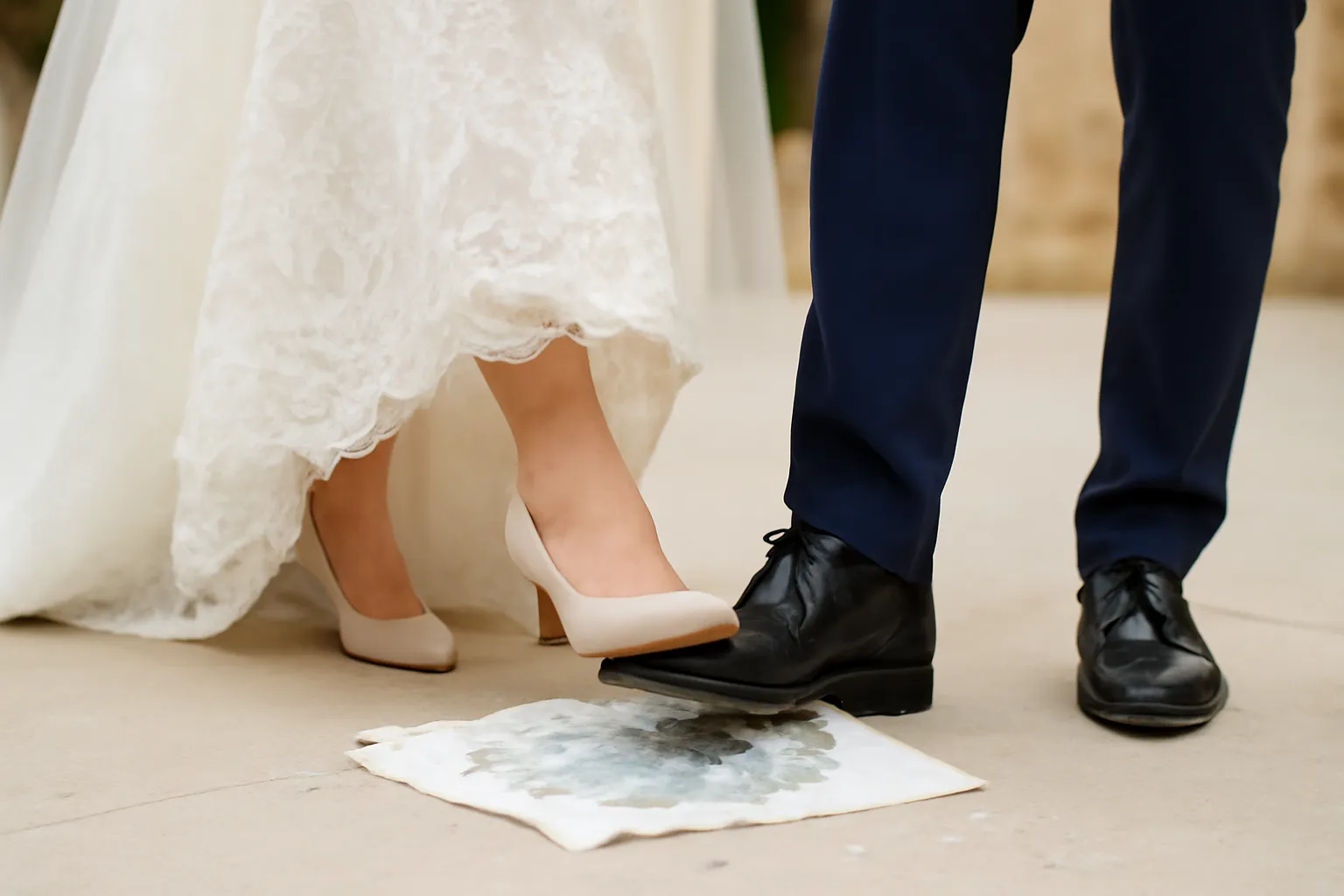
In many Ashkenazi communities, the glass-smashing Jewish wedding moment takes place toward the end of the ceremony. The groom (and sometimes the couple together) performs the act, often stomping on a glass wrapped in cloth to prevent injury or splinters. The rabbi or officiant may offer a brief blessing or a simple exhortation to “Mazel Tov,” inviting guests to respond with the traditional chorus. Some couples incorporate a brief moment of song or instrumental music immediately before or after the break, heightening the emotional arc of the ceremony.
Sephardic and Mizrahi adaptations
In Sephardic and Mizrahi Jewish wedding circles, the glass-smashing Jewish wedding moment can take slightly different sensory forms. In some traditions, the breaking is tied to themes of renewal, completion of a covenant, and the couple’s readiness to support one another through life’s challenges. The glass may be prepared with a different container or wrapped in fabrics with cultural significance, and the accompanying music, poetry, or liturgical readings reflect the multicultural textures of these communities. Regardless of exact ritual choreography, the central symbolism—fragility, commitment, and continuity—remains a unifying thread.
As weddings become more inclusive and bespoke, many couples craft glass-smashing wedding moments that suit their identities and beliefs. Some couples opt for a non-traditional break or substitute other symbolic acts (for example, a ceremonial light-breaking, a custom sand ceremony, or the breaking of a different symbolic vessel). Others may incorporate same-sex couples, interfaith elements, or secular readings that honor family histories while preserving the core sentiment of the moment. The key is to design a moment that is authentic, respectful, and meaningful for the couple and their guests.
How the moment unfolds: structure and choreography
The actual execution of the glass-smashing Jewish wedding moment can vary, but there are common threads you’ll often see at ceremonies and receptions alike. Planning the choreography in advance helps everyone participate gracefully and safely while preserving the emotional impact.
Preparation of the glass: A sturdy glass object—often a wine glass, goblet, or a small decorative dish—is wrapped in a cloth or placed inside a protective cover. The wrapping reduces the risk of injury and shard spread while preserving the symbolism of a vessel that holds a life’s joys and sorrows.
Placement and timing: The glass is positioned where the officiant or an authorized participant can direct the moment. The timing is typically near the ceremony’s conclusion, after the couple has exchanged vows and the ketubah has been signed or witnessed.
The breaking action: The chosen participant (most commonly the groom, though increasingly the couple together or other family members) performs the break—usually by stamping or stepping on the wrapped glass. Some couples opt for a “gentler” break, such as cracking the surface with a ceremonial mallet, while others prefer the dramatic stomp tradition.
Reception and response: Immediately after the break, the crowd shouts “Mazel Tov!” and the newlyweds kiss or share a moment of gratitude with their guests. Then the celebration continues with mingling, toasts, and dancing, embedding the emotional culmination of the ritual into the broader festive arc.
While the sequence above outlines a typical pattern, many couples add personal touches to the moment. Some preferences include a brief blessing spoken aloud, a moment of silence for loved ones who are not present, or a short song that resonates with the couple’s family history. The most important element is authenticity: the moment should feel honest and heartfelt for the couple and their families.
Etiquette: roles, responsibilities, and guest behavior
Etiquette matters in every wedding moment, but the glass-smashing ritual particularly benefits from thoughtful planning and clear communication. Below are practical etiquette guidelines for participants, vendors, and guests to ensure the moment is respectful, safe, and emotionally resonant.
General etiquette for guests
Respect the moment: When the glass is being prepared and broken, observe with quiet reverence or celebratory but controlled energy. Avoid loud conversations or distracting movements that could disrupt the moment.
Acknowledge the tradition: If you’re from a family or community with the tradition, participate in the customary response (usually a shouted Mazel Tov) after the glass breaks. If you’re unfamiliar, follow the crowd’s cues or ask a family member for guidance.
Mind safety: Do not throw objects, point cameras, or crowd the breaking area. Stay in designated zones and follow the photographer’s or planner’s direction as needed for safety and to preserve the moment for photos and video.
Be mindful of children: If children are present, ensure they understand not to approach the break area unless directed. Consider providing a supervised area for younger guests where they can enjoy the celebration without risk.
Roles for family and guests in the moment
Officiant and ritual leaders: The rabbi, cantor, or designated officiant typically cues the moment, offers a blessing if included, and ensures the ritual flows smoothly into the reception portion of the evening.
The breaking participant: The person chosen to break the glass should be briefed on the procedure—how to wrap the glass, where to place the foot, and how to maintain balance for safety. If more than one person participates, rehearsals can help avoid missteps.
Photographers and videographers: Clear coordination with media professionals is essential. They’ll want to capture the moment from angles that reflect both the action and the reactions of the crowd while not distracting the participants.
Glass and protective gear: Work with the planner to select a glass that is sturdy, easy to wrap, and safe to break under controlled conditions. Consider a cloth wrap or a protective cover that minimizes shard risk.
Clean-up plan: Have a designated cleanup plan for shards, including a small dustpan and brush or a sealed container for the broken pieces. Ensure that the area can be safely cleared before guests resume dancing and toasting.
Venue policies: Confirm with the venue any rules about glass, fire, or safe handling. Some venues may require alternative vessels or specific handling procedures to comply with safety or insurance requirements.
Planning tips for couples and wedding planners
Successfully integrating the glass-smashing Jewish wedding moment into a ceremony or reception requires thoughtful planning. Here is a practical guide to help couples and planners design a moment that honors tradition while reflecting personal style.
Choosing the right moment and setting
Timing within the ceremony: Decide whether the break occurs at the very end of the ceremony or near its closing, just before the processional into the reception. The timing should feel natural within the ceremony’s emotional arc.
Location and space: Ensure there is enough space for the breaking action and for guests to observe safely. If the ceremony space is smaller or outdoors, consider how wind, ground surface, and visibility will affect the moment.
Music and ambiance: Plan music that supports the moment without overpowering it. A short instrumental interlude or a muted chorus of “Mazel Tov” can enhance the sense of celebration and create a lasting memory for photographs.
Choosing the vessel and the technique
Glass type and vessel: Pick a vessel that is sturdy enough to withstand a controlled break but not so large that handling becomes unwieldy. Rubber or cloth wraps, decorative coverings, and a stable base can help.
Breaking technique: Decide whether the participant will stomp, press, or gently crack the glass. The choice should align with safety considerations and the couple’s comfort level.
Contingency plan: Have a backup plan in case of a mishap or if the participant is unavailable. It’s wise to designate an alternate breaker or a plan to pause and proceed with a graceful, safe alternative.
Memorialization and keepsakes
Shards as keepsakes: Some couples preserve a shard or two in a small, labeled keepsake box. Others place a shard in a memento pendant or create a family archive that includes the moment’s description and date.
Photographic storytelling: Coordinate with photographers to capture both the action and the surrounding emotions—the anticipation, the exhale before the break, and the chorus of “Mazel Tov.”
Guest expressions: Consider a guest-book alternative where attendees write well-wishes or reflections near the moment, creating a tangible link between the ritual and the community’s support.
Incorporating diversity, inclusion, and personal identity
Today’s weddings increasingly reflect diverse identities, family histories, and personal beliefs. The glass-smashing ritual can be adapted to honor these differences while maintaining its core symbolism. Here are some approaches that may fit various contexts:
Interfaith or intercultural couples: The moment can be framed to acknowledge both religious histories, with readings or music that honor each partner’s background. A brief blessing from a partner’s tradition can sit alongside the traditional wording.
Same-sex weddings: The break can be performed by the couple together or by chosen family members, reflecting shared commitment and partnership in a way that resonates with the couple’s values.
Non-traditional venues and rituals: If the couple prefers a secular or artistic interpretation, they can substitute a ceremonial glass break with a symbolic act (for example, breaking a ceramic vessel painted with personal motifs) that retains the same emotional impact.
Practical considerations: accessibility, safety, and logistics
While tradition is meaningful, practical considerations ensure the moment remains safe and inclusive for all guests. Here are essential points to address during planning:
Accessibility: Ensure the space allows guests with mobility or vision differences to participate or observe safely. If someone would like to participate but has difficulty with a stomp, offer an alternative ceremonial option that preserves the symbolism without compromising safety.
Language and inclusivity: Provide a short explanation in all wedding programs or via commemorative signage so guests understand what is happening and why it matters. Brief contextual notes can reduce confusion for guests unfamiliar with the ritual.
Weather considerations: For outdoor ceremonies, consider wind and weather: wind can blow away paper or cloth wraps, and rain can complicate the handling of glass. Have contingency plans for rain or heat and adjust the logistics accordingly.
Timing with photography: Work with the photographer to anticipate the shot list, including close-ups of the moment, reactions of family members, and the couple’s expressions after the break.
Budget impact: While the glass break itself is a modest line item, investing in a carefully chosen vessel, wrap, and safe handling can add minimal cost but significant value in terms of safety and sentiment.
Several questions frequently arise around the glass-smashing Jewish wedding moment. Here are concise explanations to help couples make informed decisions:
Why do we break the glass at a Jewish wedding?
A common explanation ties the act to the Temple’s destruction, serving as a reminder that joy can coexist with sorrow, and that life’s fragility calls for gratitude and protection of one another. It also marks the transition from single life to partnership.
Who should break the glass?
Traditionally, the groom performs the break, but many couples choose to break the glass together, or have a designated family member or close friend participate. The choice should reflect the couple’s preferences and comfort.
What if someone is uncomfortable with the idea of breaking glass?
There are many respectful alternatives that preserve symbolism, such as breaking a different symbolic vessel, performing a ceremonial act together, or sharing a vow that emphasizes unity and resilience without physical breaking.
What kind of glass should be used?
Choose a sturdy object that can be broken in a controlled manner, usually a wine glass or a small goblet wrapped in cloth. It should be within the safety guidelines of the venue and easy to clean up.
Suggested ceremony scripts and program notes
For organizers and couples who want precise language, here are sample lines that can be adapted into your program or spoken aloud during the ritual. These scripts are designed to be concise, respectful, and emotionally resonant.
Officiant line: “We invite you to witness a moment of covenant and joy as [Name] and [Name] seal their commitment. In the spirit of unity, we break this glass—a reminder that life’s joys are precious and fragile, and that together they will guard and nurture one another.”
Couple line (optional): “We break this glass as a sign of our commitment to stand together through joy and hardship, to remember that even in small moments, our partnership is sacred.”
Guest response: “Mazel Tov!”
Alternatively, you can personalize the moment with a short blessing, a family reading, or a poem that resonates with the couple’s story. The key is to keep it brief, meaningful, and in keeping with the overall tone of the wedding.
Conclusion: honoring tradition while shaping your own narrative
The glass-smashing Jewish wedding moment remains a centerpiece of ritual and ritual storytelling across communities. Whether you call it the glass-breaking ceremony, the breaking-the-glass moment, or the glass-smashing ritual, its enduring appeal lies in its power to unite the past, present, and future. For some couples, the moment is deeply traditional and solemn; for others, it is a flexible, modern expression of love and resilience. By understanding the symbolism, honoring etiquette, and planning with intention, you can craft a glass-smashing experience that feels true to your values and deeply memorable for you and your guests. Whatever your variation—whether a classic stomp, a collaborative break, or a crafted alternative—the message remains universal: a pledge of care, a celebration of partnership, and a community’s shared moment of joy as two lives become one.