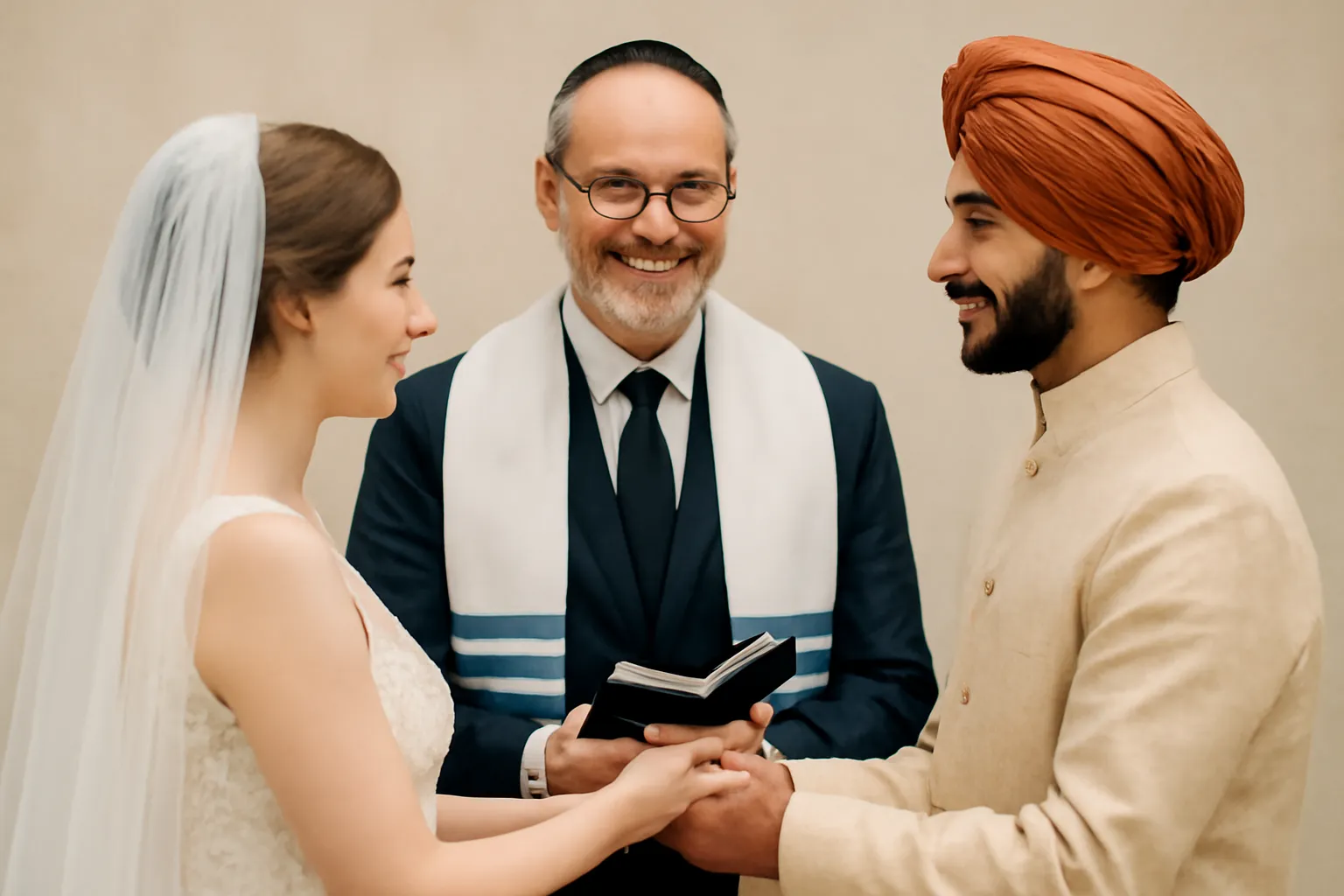
When two people from different religious or cultural backgrounds choose to marry, the ceremony can be a powerful statement of unity, respect, and shared intention. An interfaith wedding rabbi or other qualified interfaith officiant can help craft a ceremony that honors both partner’s traditions while creating something new and meaningful for the couple and their families. This article offers a thorough guide to planning a mixed-faith ceremony, exploring how a rabbi can serve as a bridge between communities and how couples can collaborate to design a celebration that feels authentic, inclusive, and beautiful.
Understanding the role of the interfaith wedding rabbi
The term interfaith wedding rabbi can cover a range of roles depending on the couple, the rabbi’s tradition, and the couple’s goals. In some communities, a rabbi who specializes in interfaith weddings is trained to honor Jewish ritual while remaining open to non-Jewish traditions. In others, a rabbi may be paired with a non-Jewish officiant to share rituals from both faiths. Some families work with a single rabbinic officiant who has experience crafting cross-faith ceremonies. Regardless of title, the core function often includes:
Serving as a respectful mediator between two religious worlds
Providing guidance on religious requirements, rituals, and blessings
Designing a ceremony framework that honors both partners’ beliefs and values
Ensuring that the ceremony is legally sound and personally meaningful
Choosing an interfaith officiant is not about diluting tradition; it is about weaving together traditions in a way that creates a coherent narrative. For some couples, this means incorporating Jewish liturgy with elements from Christian, Muslim, Hindu, Buddhist, or secular humanist traditions. For others, it means writing new ceremonial language that reflects shared commitments—such as love, partnership, mutual respect, and social responsibility—without overstating one tradition over the other. The best interfaith wedding rabbis approach the ceremony as a co-creation: listening carefully, offering thoughtful options, and collaborating transparently with both families.
Planning a mixed-faith ceremony: initial conversations and expectations
Successful interfaith planning begins long before any vows are spoken. The early conversations set the tone for the entire process. Here are essential areas to discuss with your prospective interfaith wedding rabbi:
Goals and boundaries
Clarify what you want the ceremony to accomplish. Do you want a strictly traditional ritual integrated with subtle modern touches? Or do you prefer a more contemporary structure that foregrounds personal vows and shared values? Establish boundaries around which elements are non-negotiable and which are flexible. A clear list of priorities helps the officiant tailor the ceremony without compromising integrity for either tradition.
Ritual inclusivity
Determine which rituals, prayers, or readings will be included, adapted, or omitted. Some couples prefer to limit specific religiously charged elements, while others want to feature at least one hallmark practice from each faith. Discuss any sensitivities around dietary laws, modesty, attire, or symbolism. The goal is to craft a ceremony that feels authentic to both partners while avoiding unnecessary discomfort for guests.
Family dynamics and guest expectations
Interfaith weddings often bring together a diverse set of relatives and friends. Consider how to greet guests with warmth while acknowledging different beliefs. A thoughtful officiant can help you design an inclusive welcome, clear explanations of liturgical elements, and transitions that reassure guests who may be unfamiliar with certain customs. When families see that their views are respected, the ceremony can become a bridge rather than a barrier.
Discuss practical aspects early: date, time, length of ceremony, music, readings, and who performs which parts. Some venues have restrictions on religious symbols or on interfaith rituals, so it’s important to confirm what is permissible. The interfaith wedding rabbi should help you map a timeline that allows for meaningful participation from both faith communities while keeping the service within the allotted venue duration.
Elements of a blended ceremony: components that work well
A successful interfaith ceremony often includes a thoughtful blending of elements from both traditions, along with contemporary personal touches. The following components commonly appear in cross-faith wedding ceremonies and can be adapted to fit your beliefs and personalities.
Opening and welcome
The ceremony usually begins with a warm welcome by the officiant, a short description of the couple’s journey, and an invitation to witness their commitment. A concise introduction helps guests understand the structure of the service and the intention behind each ritual. Consider writing a brief statement that centers on love, partnership, and community.
Liturgical readings and poetry
Readings from sacred texts, poetry, or philosophy can illuminate shared values without belonging to a single tradition. When choosing readings, aim for voices that speak to universal themes such as compassion, justice, fidelity, and gratitude. A rabbi trained in interfaith weddings can suggest options from Jewish sources, as well as materials from other faiths or secular authors, ensuring that the selections resonate with both partners and their families.
Vows and commitments
Vows are the heart of any wedding. In an interfaith ceremony, couples might write their own vows or adapt traditional vows to reflect mutual commitments. Some couples include a vow of respect for each other’s spiritual journeys or a promise to raise future children with exposure to both faiths. The interfaith officiant can provide language that preserves dignity and clarity, avoiding clichés while capturing the couple’s unique bond.
Rituals from multiple traditions
Rituals can be symbolic rather than doctrinal. Common options include:
Two rings or a single shared symbolic ring with separate blessings
Lighting of candles representing each partner’s tradition and a unity candle or a shared flame
Sand or salt ceremonies to symbolize blended lives
Acknowledge-and-bless moments where family members offer blessings from their own traditions
A breaking of bread or shared sweet treat to symbolize hospitality and sweetness in married life
When integrating rituals, it’s important to ensure each element has significance for the couple and does not inadvertently appropriate or misinterpret a tradition. The interfaith wedding rabbi can help you navigate these decisions with care.
Music is a powerful carrier of mood and meaning. You might include instrumental pieces, choral settings, or congregational songs from each tradition. Ensure that religiously charged music is presented in a way that respects the boundaries of both faith communities. The officiant can coordinate with musicians to create cues that honor pace and transitions throughout the ceremony.
Rituals, symbolism, and the sacred tapestry of a blended ceremony
At the heart of an interfaith ceremony is symbolic meaning that resonates with the couple’s values. The interfaith rabbi brings expertise in how to interpret symbols and rituals so they feel authentic. Here are some symbolic approaches that frequently appear in these ceremonies:
Unity symbols: A shared glass, a ceremonial cord, or a bag of soil from meaningful places that the couple mingles together to symbolize the creation of a new family or life.
Pathways and bridges: A ritual that acknowledges two spiritual paths and reveals a bridge between them, emphasizing common ground rather than divisions.
Offerings or blessings: Individual blessings from family members or the officiant that honor each partner’s heritage without pressuring anyone to convert or adopt a particular faith identity.
Symbolic acts of mutual care: For example, a shared responsibility candle lighting that represents joint responsibility for a future family and community.
Working with two faith communities: building trust and shared ownership
One of the most rewarding aspects of hiring an interfaith wedding rabbi is the ability to craft a ceremony that is a true amalgam of two communities. Doing this well requires active collaboration and clear communication with both communities’ leaders, families, and laypeople. Here are strategies to cultivate trust and shared ownership.
Schedule planning meetings that include both religious leaders (where appropriate) and the couple. These sessions offer a forum to voice concerns, discuss expectations, and identify potential conflicts before they arise. A skilled interfaith officiant can act as a facilitator, ensuring conversations stay constructive and focused on common goals.
Transparent boundaries and mutual respect
Respect for each tradition’s sacred practices is essential. It’s important to set boundaries around what can be included in the ceremony, who presides over which moments, and how guests are addressed. A respectful dialogue helps prevent misunderstandings and reduces the risk of one tradition feeling sidelined.
Education for guests
Distribute a brief, respectful guide to the ceremony’s structure, terms, and symbolism. A simple program can include a short glossary of terms, a brief explanation of rituals, and a note of appreciation for both communities. The interfaith rabbi or officiant can provide or approve language that makes the ceremony accessible to all attendees.
Inclusivity and accessibility in interfaith weddings
Modern interfaith weddings strive to be inclusive spaces where guests of diverse backgrounds feel welcomed. This means considering accessibility, language accessibility, and LGBTQ+ inclusivity. Here are key considerations for making the ceremony more inclusive.
Language and comprehension
Offer readings and prayers in languages familiar to the couple and their families, with translations as needed. If prayers or chants are used, provide brief explanations or transliterations so guests can participate or observe with understanding.
Gender, sexuality, and family structure
Ensure that the ceremony honors diverse family structures and identities. Couples may choose inclusive language that respects nontraditional families, single-parent households, or same-sex partnerships. A thoughtful interfaith wedding officiant will work with you to craft vows and blessings that reflect your reality and aspirations.
Accessibility needs
Plan for accessibility considerations, including seating arrangements, visual aids, and venues that accommodate guests with mobility or sensory needs. An experienced rabbi for interfaith weddings will anticipate these needs and help coordinate with the venue to ensure everyone has a meaningful role and a comfortable experience.
Practical tips for choosing the right officiant for your interfaith wedding
Selecting the right interfaith wedding rabbi or officiant is one of the most important decisions in your planning process. Here are practical steps to help you find a professional who aligns with your vision and values.
Clarify religious and cultural fit
Ask about the officiant’s experience with interfaith ceremonies, their approach to ritual, and how they handle sensitive topics. Request examples of past ceremonies (with permission). Look for someone who can articulate a flexible, respectful approach that honors both traditions.
Legal aspects of weddings vary by jurisdiction. Some couples marry under civil law with the officiant performing a blessing, while others require a legally binding religious ceremony. Confirm what is legally recognized in your area and how the officiant will handle the legal portion of the ceremony if needed.
Review ceremony length and flow
Ask for a sample timeline and a draft outline of the ceremony. Ensure the pace feels comfortable and that transitions between different segments are smooth. A well-structured schedule reduces stress on the couple, families, and guests.
Mutual alignment on vows and language
Ensure you are comfortable with the language used in vows, blessings, and readings. If the officiant suggests language that feels exclusive or prescriptive, ask for revisions. The goal is to create a voice that is personal, inclusive, and meaningful for both partners.
Cost, logistics, and rehearsal details
Get a clear written agreement about fees, travel, availability for rehearsal, and any additional services (counseling, premarital discussions, or consultative planning). Many interfaith officiants offer premarital counseling or guidance to help couples navigate potential tensions between traditions.
Sample ceremony outline: a practical template for an interfaith celebration
The following outline offers a balanced starting point for couples and a capable interfaith wedding rabbi to adapt. This structure emphasizes collaboration, transparency, and shared meaning.
Processional
Welcome and opening remarks by the officiant
Reading or blessing from Tradition A
Reading or blessing from Tradition B
Introduction of the couple’s story or shared vows
Vows and mutual commitments
Rituals symbolizing unity (e.g., sand, candle, or bread-sharing)
Blessing over the couple (from both traditions, if appropriate)
Keep in mind that this is a flexible framework. Some couples may prefer a more scriptural or liturgical approach, while others might opt for a deeply contemporary, secular tone with spiritual resonance. The power of an interfaith wedding rabbi lies in translating intention into language and ritual that feels true to the couple’s story.
Ethical considerations and respectful engagement
When engaging in an interfaith wedding, there are ethical commitments that help protect the integrity of both traditions and honor the relationships involved. Consider the following principles as guideposts for your planning process.
Do no harm: Avoid rituals that could alienate family members or misrepresent a tradition. The officiant should help you navigate potential conflicts with sensitivity.
Consent and participation: Ensure that each tradition’s key rituals are entered into with consent and enthusiasm from the community leaders involved.
Respect for sacred language: Use translations and explanations so no guest feels excluded or uncomfortable with unfamiliar terms.
Authenticity over novelty: Favor rituals and readings that strengthen the couple’s bond, rather than pursuing novelty for its own sake.
Long-term perspective: Consider how the ceremony will feel to the couple and their future family years from now, not just on the wedding day.
Case studies: brief snapshots of real-world planning (anonymized)
While every interfaith wedding is unique, several recurring patterns appear in practice. Here are two illustrative scenarios that highlight how an interfaith wedding rabbi can help couples navigate common challenges.
Case study A: Jewish-Christian blending with a shared vow
A couple sought a ceremony that honored Jewish ancestry while embracing Christian roots. The rabbi proposed a structure that included a short biblical or psalm reading from the Jewish tradition, a blessing for the couple from a Christian scripture, and a contemporary vow that spoke to mutual respect and shared purpose. The couple delivered personal vows in their own words, supported by a unity ritual—such as a candle lighting—designed to symbolize the joining of two families into one future.
Case study B: Multicultural, non-theistic focus with spiritual inclusivity
In another example, the couple identified as agnostic with strong cultural ties to Hindu and Jewish backgrounds. The officiant facilitated a ceremony that avoided doctrinal claims while preserving reverence. Readings came from a mix of poets and philosophers, and the couple shared a vow that highlighted ethical living and service to others. A symbolic rite—such as a shared plant or flowing sand—represented ongoing growth and the interweaving of two life journeys.
Conclusion: the artistry of planning a beautiful interfaith ceremony
Planning an interfaith wedding is as much an artistic endeavor as a logistical one. The best interfaith wedding rabbis or officiants bring a blend of ethical mindfulness, ritual savvy, and a deep respect for the couple’s vision. When two people from different spiritual or cultural backgrounds choose to marry, they invite their families, their communities, and their own hearts into a shared project: to craft a ceremony that is honest, hopeful, and deeply meaningful. This is the core promise of an expertly guided mixed-faith ceremony.
By engaging early, communicating openly, and partnering with a skilled rabbi versed in interfaith weddings, couples can navigate differences with grace and craft a celebration that not only honors the past but welcomes a future built on collaboration, curiosity, and love. A well-planned ceremony becomes more than a rite of passage; it becomes a living model for how diverse traditions can coexist in harmony, enriching the lives of all who witness it.
If you’re contemplating an interfaith wedding rabbi for your special day, begin with a candid conversation about your goals, your boundaries, and your shared values. Ask about their approach to ritual, their experience with similar weddings, and how they would structure a ceremony that reflects both partners’ identities. With thoughtful planning, clear communication, and a shared sense of wonder, you can design a ceremony that feels both timeless and newly minted—an enduring testament to love’s capacity to bridge difference and celebrate unity.