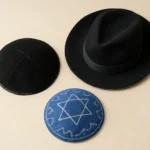
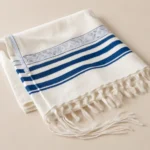
Across Jewish communities around the world, the act of placing a small hat or cap on the head—often called a kippah or yarmulke—is more than a fashion choice. It is a tangible expression of reverence, identity, and tradition. The practice sits at the intersection of law, custom, culture, and spirituality, and it appears in a surprising variety of forms. In some communities, the head covering is worn at all times; in others, it is reserved for prayer, study, or synagogue attendance. The spectrum also includes a broad range of materials, shapes, and styles—from simple cotton rounds to intricately crocheted designs and luxurious velvet caps.
In this guide, we will explore the world of Jewish wear hats, focusing on the most common terms—kippah and yarmulke—and extending to related concepts such as head coverings used by different denominations and traditions. We’ll cover history, practice, fashion, and practical tips for choosing and caring for these traditional head coverings. Whether you are curious about everyday wear, ceremonial settings, or the cultural symbolism behind these coverings, this article aims to be both explanatory and helpful.
Definitions and Terminology: What Are We Talking About?
At the heart of the conversation are two words that many people use interchangeably, yet which carry distinct linguistic histories: kippah and yarmulke.
What is a Kippah?
A kippah (also spelled kipa in some transliterations) is a small, domed cap worn on the crown of the head. It is typically circular and can be made from a variety of materials, including cloth, leather, suede, or crocheted yarn. In many communities, the kippah is the standard term used in Hebrew-speaking settings and among Israelis, while yarmulke is more common in English-language contexts and among some diaspora communities.
What is a Yarmulke?
The word yarmulke (often shortened to yarmulka or yarmulka in some dialects) is the Yiddish term for the same concept: a small cap worn on the head as a sign of respect, humility, and awareness of the divine presence. While the two terms describe the same object, their usage can signal regional or cultural background. In many synagogues and schools, both words appear on signage and teaching materials, and people may switch between them depending on context.
Other Terms and Variations
Head covering — a broad umbrella term that can include not only kippahs but also hats, scarves, or other coverings worn for religious or cultural reasons.
Kippah srugah — a crocheted version of the kippah, popular in many Hasidic and Modern Orthodox communities for its handmade, decorative look.
Skullcap — a descriptive English term synonymous with kippah, used in some contexts, particularly in Western media.
Yissachar headwear or yarmulka style names — regional or community-specific descriptors for traditional or ceremonial designs.
Historical Background: How the Practice Took Shape
The practice of covering the head has deep roots in Jewish history, with multiple streams of influence shaping its adoption. While the biblical commandment to honor God is central to Jewish life, the explicit requirement to wear a head covering is not presented as a universal obligation in the Torah. Over centuries, rabbinic authorities came to emphasize head covering as a sign of humility before the Divine and as a visible marker of Jewish identity.
In medieval Europe and the broader diaspora, various communities began adopting head coverings during prayer, study, and synagogue attendance. By the time of the early modern period, the custom had become widespread across many Jewish communities, though the form, material, and level of observance varied. Hasidic groups often favored distinctive, elaborately crafted kippot and head wraps, sometimes coordinated with the colors or styles of their ceremonial attire. Sephardic and Mizrahi communities developed their own stylistic norms, blending local fashion sensibilities with traditional requirements.
Today, the kippah or yarmulke remains a living symbol of Jewish continuity. Its presence at prayer services, on college campuses, in workplaces, and at family gatherings underscores the way food, ritual, and daily life intersect in Jewish practice.
Materials, Styles, and Varieties: What a Head Covering Can Be
One of the most striking aspects of the modern landscape of head coverings is the diversity of materials and styles. Below is a broad overview to help you understand the practical differences and the aesthetic variety you may encounter.
Common Materials
Cotton — Lightweight and breathable, ideal for everyday wear and warm climates.
Silk — A more formal or elegant option, often chosen for weddings or special occasions.
Velvet — A rich, decorative option frequently used on Shabbat and holidays or in dressier settings.
Crocheted yarn — The kippah srugah style; handmade or machine-made, offering texture and visual interest.
Leather or suede — Durable and distinctive, sometimes favored for outdoor work or certain fashion statements.
Wool — Warm and sturdy, suitable for winter wear and traditional communities that favor heavier fabrics.
Styles and Shapes
Flat, round kippah — The classic dome shape that sits flush on the crown.
Crocheted and knitted designs — Varied textures and patterns, often richly decorative.
Velvet and satin caps — Formal options that coordinate with ceremonial attire.
Adjustable bands — Some modern designs use elastic or Velcro for a secure fit, especially for children or long events.
Printed or embroidered caps — Feature adornments like initials, symbols, or motifs that reflect family, synagogues, or institutions.
Occasions and Cultural Expressions
Daily wear — Simple cotton or knitted rounds are common in many communities for everyday life and work.
Shabbat and holidays — Richer fabrics like velvet or silk may be worn to mark the sanctity of the day.
Weddings and life-cycle events — Special kippot or decorative SKUs that align with festive attire.
Travel and sport — Lightweight, breathable options designed for comfort and convenience.
Who Wears a Head Covering? Practices Across Communities
The practice of wearing a kippah or yarmulke spans many Jewish denominations, yet the level of observance and the norms around when and where to wear can differ significantly. The following sketches offer a broad overview of the practices you might encounter.
Orthodox Communities
In traditional Orthodox circles, male Jews typically wear a kippah at all times when in public or in communal spaces. Some groups also cover their heads during prayer or study as a sign of reverence. Among Hasidic communities, the hats may be more elaborate, and you might see hats or jackets that coordinate with the kippah or its color scheme. The kippah is often of a solid color, though crocheted or patterned versions are common in some Hasidic sects.
Conservative and Modern Orthodox
In Conservative Judaism, as well as many Modern Orthodox communities, the kippah is customary for men and often for women in certain contexts, especially after marriage or in more traditional settings. Some weddings and ceremonies invite women to wear a head covering as well. The practice tends to be flexible, balancing tradition with contemporary norms.
Reform and Reconstructionist Movements
In Reform and Reconstructionist communities, the requirement to wear a head covering is generally not mandated, and many congregants may choose not to wear a kippah outside of specific rituals or ceremonial moments. Nonetheless, some Reform congregations encourage the practice as a cultural or historical expression, and you may see diverse head coverings worn in mixed settings or by individuals who wish to honor heritage.
Sephardic and Mizrahi Traditions
Sephardic and Mizrahi communities have their own distinctive customs regarding head coverings. Some groups favor larger, more elaborate designs, while others maintain a preference for modest, understated caps. The terminology often reflects linguistic and geographic influences, with regional terms for the same object sometimes appearing in family or synagogue settings.
Context and Use: When and Where People Wear Hats on the Head
The practical use of a kippah or yarmulke is shaped by daily life, sacred rituals, and communal expectations. Here are common contexts in which Jewish wear hats are typically seen.
During Prayer and Study
For many, the head covering is a sign of concentration and humility before God. You may notice that during prayer services or Torah study, men (and in some communities, women as well) place a kippah on their heads. The exact habits can vary: some keep the covering in place for the entire service, while others remove it during certain parts of the liturgy or when reciting certain blessings. In some congregations, the act of covering the head becomes a shared ritual that reinforces focus and reverence.
In the Synagogue and Community Spaces
In synagogue settings, the head covering is often a visible symbol of continuity and belonging. In many communities, congregants pin or adjust their cap as they enter the sanctuary, aligning with the sense of sacred space. Some synagogues encourage or require visitors to wear a kippah, while others provide disposable or loaner caps for guests.
At Home, Work, and Public Life
Outside of formal religious contexts, the practice becomes a personal or family choice. Some men wear a kippah at work or in public settings as a cultural statement or expression of identity; others reserve the covering for religious occasions. Women’s wearing practices vary widely: in many communities, married women cover their hair as a sign of modesty, while in others this is less common. The choice of a head covering at home or in public often reflects family tradition, community norms, and personal comfort.
Symbolism and Social Significance: What a Head Covering Communicates
A kippah or yarmulke is more than a functional accessory. It is a visible cue of belonging to a religious, cultural, or historical tradition. For many Jews, the act of covering the head is a daily reminder of the awe and reverence due to the divine, as well as a signal to others that one is part of the Jewish community. It can also express solidarity in diverse contexts—informing others of shared beliefs or values, and fostering a sense of continuity across generations.
Importantly, the symbolism is not purely external. The head covering often accompanies a broader set of practices related to modesty, learning, prayer, and acts of kindness. For some, the choice of style—whether plain and utilitarian or ornate and decorative—reflects personal taste as well as communal norms. In public life, the presence or absence of a head covering can be a topic of conversation or a point of cultural exchange, especially in interfaith or multicultural settings.
Care, Maintenance, and Longevity: Keeping a Hat or Cap in Good Condition
Proper care helps ensure that a kippah or other head coverings remain comfortable, clean, and durable. Different materials require different care strategies.
Cotton and Fabric Kippot
These are usually machine-washable or hand-washable. Use a gentle cycle with cold water and mild detergent. Lay flat to dry to maintain the cap’s shape. If the kippah is crocheted, avoid heavy agitation to prevent stretching or fraying.
Leather and Suede Caps
Clean these with a soft, damp cloth and avoid soaking. Leather conditioners can be used sparingly on the exterior to prevent drying or cracking, but be careful not to stain the interior fabric. Store in a cool, dry place to prevent warping.
Velvet and Silk Caps
Velvet and silk caps require a gentler approach. Spot-clean with a mild detergent, and lay flat to dry. For special occasions, you may find professional cleaning helpful to maintain color and texture.
Crochet and Knitted Kippot (Kippah Srugah)
These caps often benefit from gentle hand-washing and careful reshaping while damp. A skein of the same fiber can be used to reinforce any loose threads. Crocheted designs can be particularly delicate at the edges, so handle with care.
Choosing the Right Head Covering: Practical Tips
Selecting a kippah or other head covering involves balancing comfort, aesthetics, religious considerations, and personal expression. Here are practical factors to consider.
Fit and Size
Head circumference is the primary measurement. A cap should sit comfortably on the crown without sliding or pinching.
Consider adjustable options if you are shopping for someone with a growing head, such as a child or teenager.
Some people prefer a slightly looser fit for breathability, especially in warm climates.
Material and Climate
In hot climates, lighter fabrics like cotton or linen are comfortable and breathable.
In cold climates, wool blends or heavier fabrics can provide warmth while maintaining modesty and style.
Allergies or sensitivities to dyes should be considered when choosing colors and fabrics.
Color, Design, and Personal Expression
Solid colors are versatile and easy to match with outfits; patterned or crocheted kippot can reflect personality or community identity.
Some families have traditional color schemes for weddings, holidays, or life-cycle events.
For ceremonial or festive occasions, you might select a kippah with embroidery or symbolic motifs relevant to the event.
Care, Durability, and Cost
Simple cotton or synthetic caps are typically affordable and durable for daily wear.
Specialty designs, such as luxury velvet or hand-crocheted pieces, may be more expensive but offer unique beauty.
With basic care, most kippot last for years, though decorative motifs can wear more quickly if they are hand-stitched or embroidered.
Practical Etiquette and Cultural Sensitivities
When you encounter kippot or yarmulkes, a few etiquette points can help ensure respectful interactions in diverse settings.
Ask before borrowing: If you need to borrow a cap, ask politely and return it in the same condition.
Be mindful of worship spaces: In some synagogues, hats are worn as a sign of respect, while in others, certain areas may have guidelines about removing or displaying a head covering.
Avoid stereotypes: Recognize that there is significant variation in practice among communities, so what you see in one setting may differ from another.
Include guests: If you’re hosting, consider providing disposable or loaner covers for guests who may not own a cap.
FAQs: Quick Answers to Common Questions
Can women wear a kippah or yarmulke?
Yes. In many streams of Judaism—most Conservative, Reform, Reconstructionist, and some Orthodox communities—women may wear a head covering as a personal choice or as part of modesty practices. In traditional Orthodox settings, women’s head covering is a common practice in many communities, though the form and style can vary. Some women wear hats, scarves, or wigs, while others opt for clean, simple coverings. The key is respect for communal norms and personal conviction.
Is wearing a head covering mandatory?
The obligation to wear a kippah or yarmulke is not universal across all Jewish movements. It is widely observed in Orthodox communities as a longstanding custom and is often encouraged as a sign of reverence in prayer and study. In non-Orthodox communities, wearing a head covering is generally a voluntary practice, chosen for personal, cultural, or ceremonial reasons.
What about children and teenagers?
Parents often introduce the habit of wearing a kippah to children as part of forming Jewish identity. Many youth programs and schools provide caps or require them for certain activities. For some children, a lightweight cotton cap or a soft crocheted piece is a practical entry into the practice. As children grow, their preference for style and comfort may influence the type of head covering they wear.
Cultural Diversity and Modern Trends
The landscape of jewish wear hats continues to evolve as communities interact with fashion, art, and global diaspora networks. Contemporary designers and artisans create kippot that blend traditional symbolism with modern aesthetics. You may see collaborations that celebrate heritage while embracing current trends—ranging from minimalist, monochrome designs to bold, embroidered motifs that convey family emblems or community symbols.
In interfaith and multicultural settings, the head covering can become a bridge for dialogue and education. Sharing stories behind a particular design, the region of origin, or the symbolism of a motif can deepen understanding and respect among diverse audiences.
Care and Respect for Tradition: A Summary
Whether you refer to it as a kippah or a yarmulke, the essential idea behind the head covering is to cultivate awareness, humility, and connection to tradition. The everyday practice—choosing a material, a color, a shape, and a fit—reflects how individuals and communities interpret ancient values in a modern world. By paying attention to fit, fabric, and etiquette, wearers can honor both personal comfort and communal norms.
Conclusion: Embracing Diversity Within a Shared Heritage
The world of head coverings in Jewish life is rich and varied, spanning dozens of communities with their own histories, customs, and aesthetics. From the humble cotton kippah worn in daily life to the velvet cap reserved for festive occasions, each piece tells a story about belonging, piety, and identity. Whether you are exploring the topic out of curiosity, preparing for a visit to a synagogue, or considering what to wear for a Jewish ceremony, the central message is one of respect and openness: a simple kippah can be a doorway to deeper understanding of a living, evolving tradition.