Judaism embraces a rich spectrum of dress customs that reflect devotion, community, modesty, and heritage. This Judaism Costume Guide provides an in-depth look at traditional attire and modern interpretations for holidays and everyday life. It covers a range of Judaism attire traditions, from ceremonial garments worn by rabbis and worshippers to everyday modest fashion adopted by many communities today. Whether you are exploring the history of Jewish dress codes or seeking practical guidance for holiday outfits, this guide aims to be informative, respectful, and useful for readers with diverse backgrounds and interests.
Attire within Jewish communities is not merely about fabric and style; it reflects values such as modesty, reverence for sacred time, and a sense of communal identity. Across denominations, keys concepts include modesty, head covering, and the use of specific garments during prayer, study, and celebration. Some items are worn every day, while others appear only on Shabbat, holidays, weddings, or special occasions. The language of Jewish dress also communicates belonging—whether you are wearing a kippah (head covering), a tallit (prayer shawl), or a ceremonial shtreimel or bisht as a sign of tradition and reverence.
Traditional attire across Jewish denominations
Hasidic and Haredi dress: distinctive, ceremonial, and communal
Among many Hasidic and Haredi communities, dress is a visible marker of devotion, lineage, and community. Men often wear formal outer garments on Shabbat and holidays, while women dress with modesty as part of daily life. For men, the ceremonial layers may include a combination of a long bekishe (a black satin or silk robe) or kaftan, a white shirt, and a kippah beneath a hat. A few groups also wear a fur hat on Shabbat and holidays: the shtreimel or the spodik. The shtreimel is a round fur hat traditionally associated with married Hasidic men in certain dynasties, worn most prominently on Shabbat and festive occasions. The spodik, a taller cylindrical fur hat, is worn by some other Hasidic communities. These hats symbolize both continuity with the past and a sense of communal identity during sacred time.
In addition to outer garments, many Hasidic men wear a gartel belt during prayer. Women in these communities commonly wear long sleeves, modest hemlines, and head coverings after marriage—this may take the form of a sheitel (wig) or a tichel (scarf), depending on local custom. Everyday attire may be charcoal or black with white shirts, but the emphasis is on modesty and decorum that aligns with community standards.
Seating within Hasidic and Haredi communities can influence style as well. Some families prefer black attire for a uniform, while others incorporate subtle variations in color, fabric weight, and pattern that comply with communal guidelines. Regardless of the particular style, the underlying message is clear: clothing is a sign of piety, discipline, and ritual seriousness.
Modern Orthodox and Conservative attire: a blend of tradition and contemporary fashion
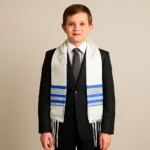
Modern Orthodox and Conservative communities often combine traditional elements with everyday Western fashion. Men may wear a kippah (or yarmulke) and a tallit for prayer, and some also wear a black hat or another modest head covering during Shabbat or religious services. The overall look tends to be a polished, modest, and professional style: dark suits or smart trousers, white or light shirts, and sometimes a bekishe or other simple outer garment for religious occasions. Women typically dress with modest hemlines and sleeve lengths, and head coverings may be required in synagogue or when visiting certain religious spaces, though the norms vary by community. Across this spectrum, the dress aims to harmonize religious obligation with contemporary life and professional wear.
Reform and secular-leaning communities: inclusive expressions of Jewish identity
In Reform and many secular-leaning Jewish communities, attire is often less constrained by traditional rules while still recognizing ritual needs. Prayer spaces may encourage wearing a kippah and modest clothing, but participation is typically more flexible. Women and men alike may choose to wear tallitot (prayer shawls) in services that invite inclusive participation, and many people express personal style through color, pattern, and cut. The emphasis is on voluntary participation in ritual life and a sense of inclusivity that welcomes modern fashion sensibilities while honoring Jewish rituals and symbols.
Sephardic and Mizrahi traditions: distinctive outerwear and ceremonial garments
Sephardic and Mizrahi communities bring color, texture, and tradition to their attire. Men may wear a white tallit with colored stripes and a bisht (a gold-embroidered cloak) on Shabbat, holidays, weddings, and other festive moments. The bisht is a sign of honor and occasion, and it is frequently worn over a suit or robe. A jubbah or qalansuwa (robe) can be worn in everyday life by some communities, with the kippah or turban-style head covering completing the ensemble. Women’s dress in Sephardic and Mizrahi communities often emphasizes modesty with long sleeves and maxi-length skirts, and hair is covered with scarves or hats in many communities. The fabrics and colors chosen for holy days may be brighter or more varied than in some Ashkenazi circles, reflecting regional aesthetics and customs.
Regional diversity: a global mosaic of Jewish attire
Across the Jewish world, attire reflects regional dress – from European-inspired suits to Middle Eastern robes to North African fabrics. The core ideas remain: respect for sacred time, communal belonging, and modesty in public spaces. While each community has its distinctive signs, the broader narrative is one of a living, evolving Jewish dress code that adapts to place, profession, and era without sacrificing reverence for tradition.
Key garments and accessories: what to know and why they matter
Kippah, head coverings, and hair traditions
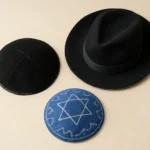
The kippah (also called yarmulke) is a small round cap worn by many Jewish men—and in some communities, by women as well—as a symbol of respect and awareness of a higher presence during prayer, study, and sacred moments. Beyond the kippah, head coverings vary by community: some married women cover their hair with a sheitel (wig) or tichel (scarf), while others may wear hats, berets, or scarves. In the context of holiday attendance or religious service, these coverings often appear in ways that signal devotion while accommodating personal style and climate. In many Reform and Conservative settings, women may choose to forego hair coverings entirely in secular spaces, while still wearing a head covering in synagogues or on certain occasions when tradition dictates.
Tallit, tzitzit, and tefillin: ritual garments and reminders
Tallit (prayer shawl): a rectangular shawl with knotted fringes. In traditional practice, men wear a tallit during morning prayers, and in many communities, some women may wear one as well in egalitarian settings or during special services.
Tzitzit (fringes): attached to the four corners of a tallit or a tallit katan (a four-c corner garment worn under clothing). The tzitzit serve as a physical reminder of commandments and a personal cue to prayer and reflection.
Tefillin (phylacteries): two small black leather boxes strapped to the arm and head during weekday morning prayers. The tefillin binding and the way they are worn are highly ritualized, with variations across communities. Not all Jewish groups practice tefillin in the same way or at the same ages, but it remains a powerful symbol of devotion for those who observe this practice.
Outer garments for ceremony: bekishe, kapoteh, and related robes
In many communities, outer ceremonial garments signal a formal occasion. A bekishe is a long satin or wool robe worn by some men on Shabbat and holidays, often paired with a white shirt and black pants. A kapoteh (a frock coat) is another traditional outer garment that can accompany formal dress. For weddings and other celebrations, a bisht may be worn by men of Sephardic and some Ancestral communities, typically with gold embroidery and a light, flowing cut. These pieces carry a sense of honor, solemnity, and historical continuity.
Women’s attire: modesty, hair, and complementing the look
Women’s dress in many Jewish communities emphasizes modesty and beauty within boundaries. Common features include long skirts or dresses, sleeves that reach the wrists, and outfits that cover the collarbone. Hair coverings differentiate communities: some married women wear a sheitel (wig) for ceremony and daily life, others wear a tichel (headscarf) or a hat. The choice can depend on tradition, family custom, and personal comfort. Modern fashion often fuses traditional modesty with contemporary silhouettes, such as a tailored knee- or ankle-length dress with sleeves that meet the modesty guidelines of a given community. In some reform and conservative environments, women may dress in more varied styles while maintaining appropriate modesty for worship and sacred spaces.
Shoes, fabrics, and color choices: practical details that matter
Shoes should be clean, modest, and suitable for the occasion—outdoor weddings, synagogue services, or festive meals may call for different textures or levels of formality. Fabrics often reflect the calendar: heavier fabrics like wool or velvet for winter holy days, and lighter materials for summer festivals. Color palettes can range from classic black and white to jewel tones or softer hues, depending on community norms and personal taste. Some communities assign symbolic meaning to colors chosen for holidays or life events, while others emphasize timeless elegance over fashion trends.
Holiday-focused attire: special occasions, costumes, and practices
Shabbat attire: preparing for sacred time
Shabbat is a time when many families elevate their dress, signaling the transition from ordinary weekdays to a curated period of rest and spiritual focus. Men may wear a suit, a white shirt, and a bekishe or coat, with the kippah and an optional hat completing the look. Women often choose modest, refined outfits with longer skirts and sleeves, reserving more formal pieces for Friday night dinners and synagogue services. The overall aim is to approach Shabbat with dignity and joy, reflecting the sanctity of the day in attire that is respectful and polished.
Passover and Yom Kippur: white garments and ceremonial reminders
During certain holidays, some communities adopt specific color cues or garment rituals. For instance, Yom Kippur is often observed with white clothing as a symbol of purity and atonement; some wear white outer garments or white kippot. In Passover, everyday dress continues, but families may select attire that feels especially clean and orderly to honor the sense of renewal that accompanies the festival. In all cases, the garments remain rooted in modesty and reverence for the holiday experience.
Sukkot and Simchat Torah: festival fashion and mobility
During Sukkot and Simchat Torah, the seasonal mood is festive and celebratory. While the core modesty guidelines persist, families might add brighter accents, such as a colored tallit or decorative elements on a tallit katan. Outer coats or shawls used for synagogue services can be chosen with richer textures or embroidery to reflect the joy of the harvest festival and the dancing of Simchat Torah.
Purim: costumes, creativity, and community joy
Purim is the holiday most associated with costumes and disguise. People of all ages dress in various outfits, sometimes humorous, sometimes symbolic, and sometimes culturally tied to characters from Jewish folklore or contemporary life. The practice of wearing costumes on Purim is a joyful expression of the holiday’s theme of salvation and reversal. Families often coordinate coordinated outfits or masks for the whole group, and children especially enjoy the playful Purim costumes that celebrate resilience and gratitude. While Purim costumes are a time for humor and creativity, the underlying respect for the holiday and its historical memory remains essential.
Weddings and lifecycle events: ceremonial dress as memory and meaning
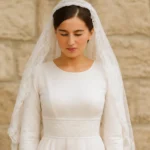
Beyond the synagogue, ceremonial attire becomes a key element of lifecycle events such as weddings, brit milah, and brit bat or bat Mitzvah celebrations. In Sephardic communities, a groom might wear a bisht for the ceremony, while a bride may wear a veil and modest, elegant dress consistent with community norms. The attire chosen for life-cycle events emphasizes dignity, tradition, and family heritage, often blending local styling with timeless Jewish symbols.
Cosplay and modern reinterpretations: fashion-forward Jewish identity
In contemporary life, many Jewish individuals enjoy incorporating elements of Jewish identity into everyday outfits, while maintaining modesty and respect for religious spaces. This can include wearing a tallit-inspired scarf on holidays, jewelry bearing menorah motifs, or color palettes that honor a family’s tradition. The trend toward modern interpretations demonstrates how Judaism attire can evolve with personal taste, seasonal fashion forces, and a desire to express Jewish identity in a global, pluralistic world.
Modern looks: styling guidelines for today’s wardrobe
Balancing tradition and trend: practical tips
For individuals who want to honor tradition while embracing contemporary fashion, here are practical guidelines:
Choose modest silhouettes that fit personal style, such as A-line skirts or tailored trousers paired with longer sleeves.
In formal settings, layered outfits can evoke traditional elegance—think a well-cut blazer over a modest blouse, or a classic cardigan paired with a knee-length dress.
In colder months, layering can preserve modesty while adding color and texture—think a velvet blazer, a knit scarf, and a long overcoat.
For holiday attire, add symbolic touches (a stripe on a tallit, a subtle kippah of distinct color, or a ceremonial shawl) that honor tradition without appearing ceremonial in everyday contexts.
Colors, fabrics, and textures: how to express meaning without compromising modesty
Fabric choices can reflect season, formality, and mood. Wool blends and crepe fabrics offer drape and modest coverage, while velvet or satin can communicate festivity for holidays and life-cycle occasions. For women who cover hair, scarves, weaves, and wigs provide a wide range of textures—from matte to glossy—allowing for personal expression within communal norms. For men and boys, fabrics such as wool suits, cotton shirts, and breathable blends support daily wear and high-holiday gatherings alike.
Purim costumes as a bridge between tradition and playfulness
Purim presents a unique opportunity to blend tradition with fun. Costumes are a vehicle for storytelling, humor, and shared memory. When choosing Purim costumes, it’s important to stay aware of community guidelines and avoid stereotypes or material that could be disrespectful to sacred symbols. Many families plan costumes that reflect historical figures, biblical stories, or cultural icons in a light-hearted and respectful way, while still respecting modesty and appropriate public behavior.
Head coverings in daily life: practical approaches
Head coverings can be brief or extended, depending on tradition. In daily life, some men wear a simple kippah; others adopt more formal options like a velvet yarmulke or a hat for synagogue. Women may choose different coverings for different contexts—scarf, hat, or wig—based on personal choice, cultural heritage, and the expectations of their community. A practical approach is to select coverings that are comfortable, easy to maintain, and appropriate for the event or space being attended.
Practical guide: shopping, care, and sustainability
Shopping for Judaism attire: what to look for
Whether you are purchasing Jewish ceremonial wear or everyday modest clothing, consider these factors:
Quality and durability: Look for well-made seams, sturdy closures, and fabrics that will hold shape after washing and wear.
Fit and comfort: Especially important for prayer, tefillin use, or long synagogue services. Consider tailoring for the best fit while preserving modesty.
Respect for tradition: Some communities have explicit guidelines about colors, patterns, and outer garments; if you are new to a community, consult a reliable source or community elder.
Ethical and sustainable options: Many people prefer sustainable fabrics and ethical production, which can align with values of human dignity and social justice often associated with Jewish ethics.
Care and maintenance: keeping garments in good condition
Proper care extends the life of ceremonial garments and everyday attire alike. Washing instructions vary by fabric, but general tips include:
Follow label instructions precisely for delicate fabrics like satin or fur trims (e.g., shtreimel or spodik maintenance may require professional cleaning).
Avoid high heat that could shrink or distort shapes; air-dry where appropriate.
Store outer garments on wide, padded hangers to preserve shoulder lines; use garment bags to protect from dust.
Keep accessories such as kippot, tzitzit strings, or tefillin in a clean, dry place to prevent wear and tear.
Where to shop: venues for traditional and modern looks
Shopping options range from specialty Judaica stores to mainstream fashion retailers that offer modest lines. Communities often have local suppliers for ceremonial wear, such as tallit and tefillin sets, bekishe or kapoteh, and sheitel suppliers. When traveling, you may find a mix of traditional pieces, designer modest fashion, and vintage pieces that can be ethically sourced. Online shops can be convenient, but if you are purchasing ceremonial items, consider consulting a local rabbi or community leader to ensure proper size, intent, and usage accommodate your tradition.
Careful considerations: cultural sensitivity and respect
Respecting diversity within Judaism
Judaism is not a monolith, and dress practices differ across communities and individuals. When discussing or displaying Judaism attire variations, it’s essential to approach with curiosity and respect. If you are writing about or illustrating Jewish dress, aim to highlight the historical and cultural significance behind garments rather than reducing communities to caricatures. Sensitivity helps readers of many backgrounds understand the beauty and complexity of Jewish ceremonial clothing.
Engaging with communities: learning and etiquette
If you are visiting a synagogue, attending a wedding, or participating in a holiday celebration, observe how attendees dress and follow guidance from local hosts. If you are unsure about what to wear, ask politely or consult a community member. Demonstrating respect for dress codes reinforces hospitality and inclusion within Jewish spaces and events.
Inclusive language and representation
In writing about Judaism attire, use inclusive language that reflects the range of practice and avoids stereotypes. Terms like Jewish dress code, Jewish ceremonial attire, and traditional Jewish garments help describe a broad spectrum without implying uniformity. Recognize that individual identity and family tradition shape what people wear, and that fashion can be a form of personal and spiritual expression within Jewish life.
Frequently asked questions about Judaism costume and attire
What is the significance of the tallit and tzitzit?
The tallit is a prayer shawl worn during morning services in many communities to surround prayer with a sense of sacred time. The tzitzit are the fringes attached to the corners of the tallit (or tallit katan) that serve as a reminder of commandments and spiritual duties. The practice connects the wearer to generations of worshippers and anchors daily prayer in a physical symbol.
Are women required to wear head coverings in all communities?
Head covering practices vary widely. Some communities require or encourage women to cover their hair after marriage, while others emphasize voluntary choice or different standards. In Reform spaces, hair coverings are less common, whereas in many Orthodox contexts, hair covering remains an important custom. Always respect local norms and personal preferences when visiting a synagogue or attending a ceremony.
Is Purim the only Jewish holiday with costumes?
Purim is the most widely known for costumes, but many communities incorporate festive dress on other holidays as well. On weddings or life-cycle events, ceremonial dress plays a central role, and on Shabbat or holidays, people may wear more formal or celebratory clothing. Purim is distinctive for its playful costume culture, which can include humor, storytelling, and communal sharing of joy.
How can I incorporate Jewish traditions into modern fashion?
There are many ways to blend tradition with contemporary style. Consider modest silhouettes, respectful color palettes, and accessible fabrics that suit your climate and lifestyle. You can incorporate symbols or motifs (like a small menorah pendant or a subtle tallit stripe on a scarf) in everyday outfits. For ceremonial occasions, seek pieces that honor tradition in dignified, stylish forms, and consult community standards when necessary.
Conclusion: a living tradition of dress, identity, and meaning
Judaism costume—encompassing traditional garments, ceremonial wear, and modern adaptations—tells a story about devotion, memory, and communal life. From the classic silhouettes of Hasidic bekishe and shtreimel to the minimalist lines of Modern Orthodox daily wear, from the splendor of a wedding bisht to the everyday modest fashion embraced by many Reform and Conservative congregants, Jewish attire remains a dynamic language. It communicates reverence for sacred time, respect for community norms, and a personal sense of style that honors history while welcoming the future. Whether you are exploring this topic for academic purposes, preparation for a holiday, or personal curiosity, the world of Judaism attire offers a fascinating lens on how people express faith through clothing, craft, and culture.