Introduction: What does it mean to become Jewish? A practical look at the journey of a Judaism convert
For many people, conversion to Judaism is a deeply personal voyage that blends belief, practice, community, and identity. It is not a single ceremony but a path that can unfold over months or years, varying by tradition, community norms, and personal circumstances. This article offers a comprehensive, practical guide to the process, common expectations, and the daily life of a Judaism convert as you explore what it means to join the Jewish people.
Understanding Jewish denominations: why the path to becoming Jewish differs
Judaism encompasses several streams of practice and interpretation. While the ultimate goal—becoming part of the Jewish people—remains the same, the requirements, rituals, and communal expectations can look quite different depending on the denomination you pursue. The main currents commonly involved in converting to Judaism are:
Orthodox Judaism
In Orthodox Judaism, the process tends to be the most structured and rigorous, with a strong emphasis on lifelong adherence to halacha (Jewish law). A prospective convert typically studies with a rabbi and local community, commits to observance of the commandments, and completes formal steps that include brit milah (circumcision) for males or hatafat dam brit (a symbolic drawing of blood if already circumcised), immersion in the mikveh, and appearance before a beit din (rabbinic court). Recognition by Orthodox authorities is essential for the conversion to be widely accepted within Orthodox communities and many other Jewish communities.
Conservative Judaism
Conservative Judaism offers a middle ground between Orthodoxy and Reform. The process usually involves study, observance of core commandments, and immersion in the mikveh. A male candidate may be required to undergo a brit milah (or hatafat dam brit if already circumcised). A beit din, typically composed of three rabbis or respected scholars, evaluates a candidate’s sincerity, knowledge, and commitment to Jewish life. The Conservative path values traditional text and practice while allowing for some flexibility in how mitzvot are observed in contemporary life.
Reform Judaism
In Reform Judaism, the emphasis is often on personal belief, ethical living, and a modern, evolving understanding of Judaism. The conversion process typically includes study, participation in Jewish community life, and ritual immersion in a mikveh. Circumcision may be recommended but is not always required in Reform conversions. The Reform movement recognizes that different communities may have varying standards for credentialing a Judaism convert, and local congregations can set their own criteria for conversion to membership.
Reconstructionist and Renewal paths
Reconstructionist and Renewal communities place emphasis on inclusive approaches to Jewish identity, spirituality, and practice. They usually require study, participation, and immersion in the mikveh, with community-driven criteria that prioritize sincerity and ongoing Jewish living. While they may differ in ritual details from Orthodox or Conservative routes, they share a commitment to meaningful Jewish belonging and lifelong learning.
The decision to convert: personal, familial, and spiritual considerations
Deciding to pursue conversion to Judaism is a deeply personal choice. People come to this path for a variety of reasons—spiritual seeking, connection to Jewish history and values, love or marriage to a Jewish partner, or a desire to participate in Jewish life as a full member of the community. Important questions to consider include:
What do you hope to gain from becoming Jewish—spiritual fulfillment, cultural belonging, or a sense of community?
What level of observance and daily practice feels authentic and sustainable for you?
How will your family, partner, and friends respond, and what support might you need?
Are you drawn to a specific denomination or a particular community, and why?
The path to conversion: a practical overview
While the exact steps can vary by denomination and community, most journeys to Judaism conversion share a common structure. Below is a practical roadmap that many candidates follow, with notes on where variation is common.
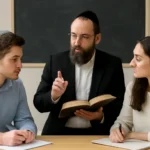
Step 1: Initial inquiry and finding the right rabbi or teacher
Begin by identifying a rabbi or teacher who can guide you through the process. Look for someone who:
Is open to answering questions and provides clear expectations
Has experience guiding converts and a track record of respectful, thoughtful mentorship
Is connected to a welcoming community that aligns with your approach to Judaism
Can discuss denominational expectations and help you evaluate which path suits you best
Step 2: Formal learning and study plan
Structured study is central to the journey. Expect a combination of:
Foundational text study (Torah, Talmud, Jewish law, liturgy)
Hebrew language basics (to follow prayers and read key texts)
Jewish history, ethics, and ritual practice
Involvement in Jewish life (shabbat meals, synagogue services, holidays)
Study plans are tailored to fit your prior knowledge, learning pace, and the requirements of the denomination and beit din you pursue.
Step 3: Living Jewishly: integrating practice into daily life
Conversion to Judaism is not only about study; it’s about embodying Jewish values in everyday behavior. You may be asked to:
Participate regularly in Shabbat and holiday observances
Adopt kashrut principles in daily meals, or follow a specific level of dietary observance
Engage in community service, charity (tzedakah), and acts of loving-kindness (chessed)
Incorporate Jewish prayers and blessings into day-to-day life
Step 4: Milestones: bris or hatafat dam brit, mikveh, and the beit din
There are three hallmark milestones that can appear in the journey, depending on the denomination and local customs:
Brit milah (circumcision) for males, or hatafat dam brit for those already circumcised
Mikveh immersion to symbolize spiritual renewal and formal acceptance into Jewish life
Beit din—a rabbinic court that reviews the candidate’s commitment, knowledge, and readiness for conversion
Step 5: The formal acceptance and community integration
After the beit din approves your path, you are officially recognized as a Judaism convert by the authorities involved in your journey. In many communities, formal acceptance is followed by rites, a public blessing, or the opportunity to participate in synagogue membership or other communal roles.
Key concepts and terminology you’ll encounter on the journey
Understanding the language of Jewish practice will help you navigate conversations with rabbis, mentors, and fellow converts. Here are some core terms you’re likely to encounter.
Beit din: The rabbinic court that assesses a candidate’s readiness for conversion
Mikveh: A ritual bath used for purification and renewal in Jewish life
Brit milah and hatafat dam brit: Circumcision and the symbolic bloodletting for a male convert
Giyur: The formal process of conversion
Halacha: Jewish law as it relates to everyday life and ritual practice
Mitzvot: Commandments or good deeds central to Jewish living
Kephila or kehilla: A Jewish community or congregation
Kashrut: Jewish dietary laws and standards
Practical timeline: what to expect when you pursue a conversion
Most conversion journeys unfold over months to years. The timeline is highly individualized and depends on denomination, community, and personal circumstances. A typical outline might look like this:
Months 1–3: Initial inquiry, finding a rabbi, and beginning foundational study
Months 4–9: Deeper study, participation in community life, and increased Jewish practice
Months 10–18: Milestones approach; preparations for mikveh and beit din
Month 19 and beyond: Immersion in the mikveh, beit din evaluation, and formal acceptance
Some paths move more quickly, especially when the candidate has prior familiarity with Jewish liturgy or a home environment rich in Jewish practice. Others may be slower to ensure deep understanding and genuine commitment. Regardless of pace, the process is designed to be thorough and meaningful rather than rushed.
Denominational variations: a closer look at expectations for prospective converts
Orthodox path to conversion
The Orthodox approach emphasizes strict adherence to the letter of the law and traditional practice. You can expect:
A thorough study plan with clear expectations for learning Jewish law and ritual
Mandatory brit milah for male candidates, with hatafat dam brit if applicable
Immersion in the mikveh and appearance before a decorated beit din
Recognition by Orthodox parties and, often, acceptance by other Orthodox communities
Conservative path to conversion
The Conservative route balances traditional texts with modern life. Key features include:
Structured study that covers essential Jewish texts and practice
Expectation of mitvot followed in a way that reflects contemporary life
A beit din with a focus on sincerity, knowledge, and long-term commitment
In some cases, male candidates may undergo brit milah; hatafat dam brit is possible if not already circumcised
Reform and other liberal paths
In Reform, Reconstructionist, and Renewal communities, the process tends to be more flexible regarding ritual requirements and gender roles. Common elements include:
Emphasis on belief, ethics, and community belonging
Study and participation in Jewish life, with ritual decisions often made with the guidance of the rabbi
Immersion in the mikveh as a personal and spiritual milestone
Beit din processes that reflect their denominational standards and community values
Living as a new Jew: what changes after conversion
Becoming a Judaism convert entails more than a one-time ceremony. It is a transition into ongoing Jewish life and communal membership. What may change includes:
Regular participation in synagogue services and holiday observances
Adherence to dietary laws or a chosen level of kashrut
Learning and saying blessings in Hebrew, and often continuing Hebrew study
Participation in life-cycle events (births, weddings, funerals) within a Jewish framework
Engagement in tzedakah (charity), chesed (acts of loving-kindness), and communal service
Common challenges and how to address them
Embarking on a journey to become Jewish can bring a mix of excitement, doubt, and pressure. Some common challenges and practical strategies include:
Family and partner dynamics: Communicate openly about your goals, seek support, and involve family where possible in educational activities.
Denominational fit: Take time to visit different synagogues and talk with multiple rabbis to find the community where you feel understood and supported.
Time and financial resources: Create a realistic study and practice schedule. Some programs offer scholarships or reduced dues for learners.
Doubt and spiritual questions: Maintain an ongoing dialogue with your mentor and engage with Jewish texts and communities that welcome inquiry.
Before beginning your journey, consider compiling a practical toolkit to help you stay organized and informed. Useful resources include:
Contact information for local synagogues and Jewish community centers
Lists of rabbis experienced with conversions in your denomination
A study calendar with milestones and dates for classes, mikveh, and beit din preparation
A glossary of common terms and procedures to reference when questions arise
Below are answers to questions commonly asked by prospective converts. These responses reflect general patterns and may vary by community.
Is conversion to Judaism the same in every country? No. Local rules, rabbinic authorities, and community expectations can differ widely. Always consult with a trusted rabbi in your area to understand the specific requirements.
Do I have to be Hebrew-speaking to convert? Not necessarily. Many programs include Hebrew study as part of the curriculum, but language proficiency is usually developed during the learning process, not a precondition for conversion.
Will a Jewish conversion affect my civil or personal status? In most cases, the civil status of a person is not altered by a religious conversion. However, Jewish status can impact eligibility for synagogue membership, religious rites, and family status within the community.
Can a conversion be reversed? It is exceedingly rare and generally not recognized when someone attempts to revoke a sincere, well-attested conversion. The process aims to create a durable and meaningful Jewish identity.
If you are considering a Jewish conversion, here are practical first steps you can take today:
Reach out to a local synagogue or Jewish community center to inquire about conversion programs
Ask for recommendations on rabbis who specialize in guidance for prospective converts
Request an initial meeting to discuss your goals, questions, and the denomination that best fits your values
Begin a study plan with reading materials and structured classes designed for beginners
Joining the Jewish people involves more than personal belief; it is about belonging to a community with shared rituals, values, and responsibilities. A Judaism convert typically gains access to:
A network of mentors and peers who support ongoing learning and spiritual growth
Opportunities to participate in lifecycle events (births, weddings, funerals) and communal rites
Participation in Jewish holidays, prayer services, and educational programs
In some communities, potential eligibility for synagogue membership, leadership roles, and volunteering
Becoming a convert to Judaism is a significant, transformative decision that invites ongoing study, practice, and community involvement. It is a journey of discovery, commitment, and belonging. The path you choose—from Orthodox rigor to Reform flexibility—will shape your daily life and your relationship to the Jewish people. No matter the route, the core intention remains the same: to join a people with ancient roots, vibrant traditions, and a present-day community dedicated to learning, living ethically, and caring for others.
Judaism is not a monolith. Each Judaism convert experiences conversion through a unique lens shaped by personality, background, culture, and the community they choose. While congregations share common rituals like mikveh immersion and reverence for the sacred texts, the interpretation and application of Jewish law can differ. This diversity is a strength of the broader Jewish world, inviting dialogue, learning, and mutual respect.
Whether you are drawn to the discipline of Orthodox practice, the flexible ethics of Reform, the study-rich approach of Conservative Judaism, or another path, the core experience of conversion to Judaism centers on commitment to Jewish life, learning, and community. If you’re considering this journey, take thoughtful steps: connect with a trusted rabbi, engage in meaningful study, participate in Jewish community life, and reflect on what being Jewish means to you personally. The road may be long, but the destination is a life of meaning, belonging, and a new chapter in a shared story that spans centuries.