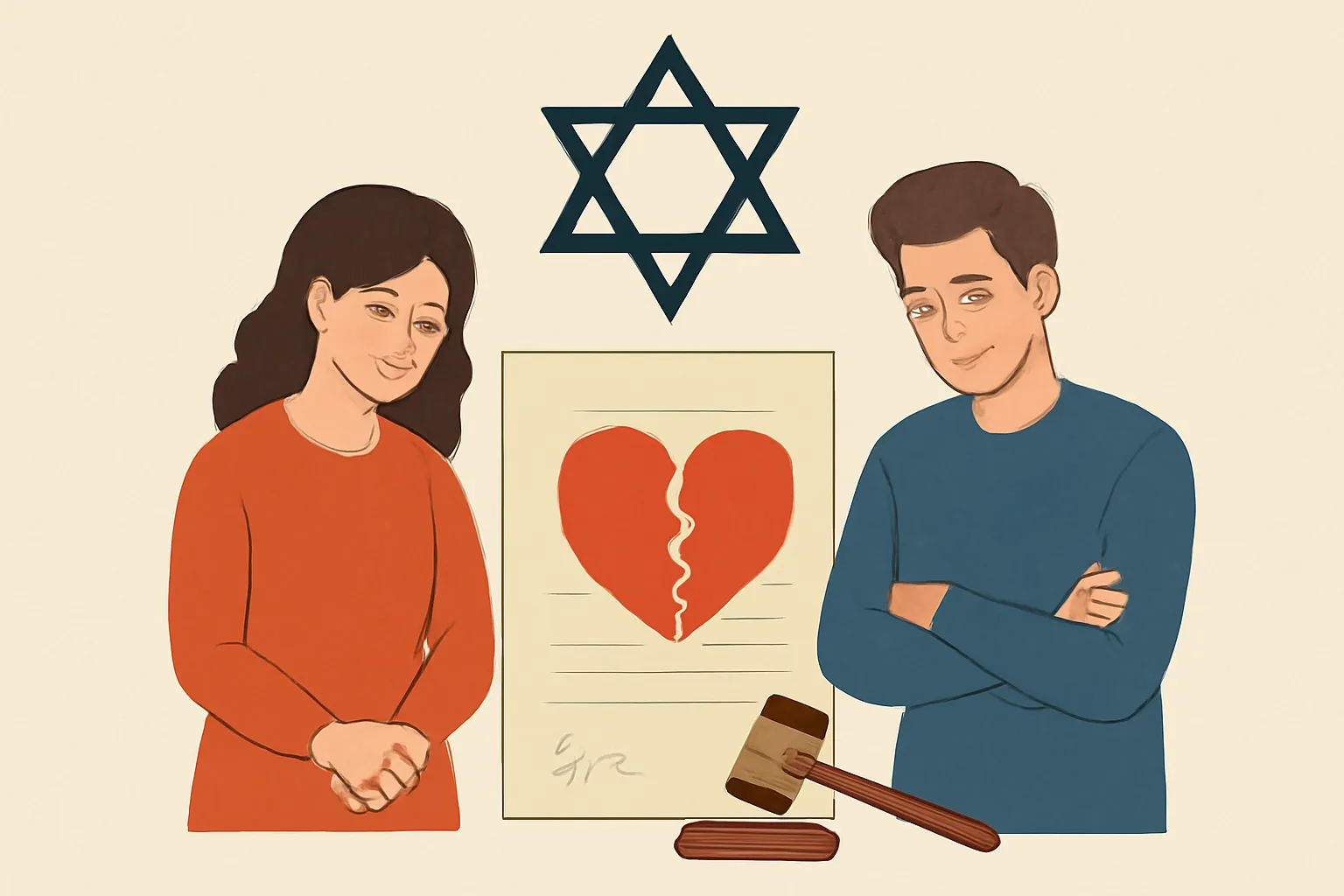
Understanding Jewish Divorce: A Practical Guide to Get and Gittin
Divorce Judaism, in its most formal sense, refers to the religious process and obligations surrounding the end of a Jewish marriage. This guide aims to explain the core concepts, the practical steps involved, and the ways in which Jewish law (the halakha) intersects with civil, emotional, and financial realities. While the details can vary by community and denomination, the essential framework—what a get is, how a Beit Din functions, and what the agunah phenomenon means—remains central in discussions of divorce in Judaism.
The purpose of this article is educational and informational. It does not replace personalized guidance from a qualified rabbi, lawyer, or counselor. If you or someone you know is navigating a divorce, seek counsel from a trusted rabbinic authority whose practice reflects your community’s standards and your personal situation.
What is a Jewish divorce, and why is it distinctive?
In Judaism, the formal end of a marriage is achieved through a religious document called a get (often transliterated as gittin in plural). The get is a parchment that is written, signed, and delivered in a specific religious procedure. Its purpose is to render the couple no longer married in the eyes of Jewish law, allowing both partners to remarry within the Jewish community from a halakhic perspective. The concept of gittin and the get document is what distinguishes a religious divorce in Judaism from a civil divorce. In divorce Judaism, both the legal status and the religious status of the spouses are addressed together.
Important words to know in this domain include Beit Din (rabbinic court), agunah (a «chained woman» who cannot remarry under Jewish law because her husband withholds a get), ketubah (the Jewish marriage contract), and halakha (the kosher legal framework governing family life). Across divorce in Judaism, these terms create a shared vocabulary for understanding the process, the rights and responsibilities of each party, and the potential legal and personal complexities involved.
The core elements of the get process
Though there are variations among communities, several elements are typically essential for a valid get under halakha:
Written document: A kosher parchment prepared by a trained scribe (sofer). The get must contain specific language that declares the dissolution of the marriage.
Appointment of witnesses: Two adult male witnesses (some traditions require male witnesses; others may recognize qualified witnesses in various contexts) attest to the signing and delivery of the get. Their presence helps ensure the ceremony’s integrity.
Signature by the husband: The husband’s consent and signature are required for the get to be valid.
Delivery to the wife: The get must be delivered to the wife in a proper setting—often in the presence of a Beit Din or an appropriate rabbinic authority—so that it is understood as an act of dissolution.
Acceptance by the wife: The wife must accept the get to complete the process and effect the dissolution in Jewish law.
In Judaism, therefore, the act is not merely a civil separation; it is a religious act with profound implications for future remarriage, religious identity, and the couple’s standing within the community. A successful get marks the formal end of a marriage in the eyes of Jewish law, enabling both parties to pursue remarriage within the faith according to halakha.
Who administers the process?
The procedural hub of a Jewish divorce is the Beit Din—the rabbinic court. In most communities, the Beit Din is composed of three rabbis or a panel of qualified authorities who specialize in gittin law. The Beit Din acts as the venue where issues are adjudicated, the get is written, and the two witnesses are verified. The court can also help draft a get in complex situations (for instance, if a party is abroad or if there are disputed issues about consent or ownership of assets).»
Practical steps: how the Jewish divorce process typically unfolds
While no two cases are identical, the practical steps often follow a recognizable arc. The following guide outlines a realistic path through the divorce Judaism process, emphasizing planning, collaboration, and the careful navigation of religious and civil requirements.
Seek early counseling and legal advice: Before significant decisions are made, both parties should consider speaking with a rabbinic authority experienced in gittin and with a family law attorney who understands civil divorce law in your jurisdiction. This initial step helps clarify goals, timelines, and potential obstacles. It also provides a framework for respectful communication, which is especially important when children, finances, and property are involved.
Consult a trusted rabbinic authority about the get and the Beit Din options: In many communities, the first stop is a local rabbi or a designated rabbinic court. They can evaluate whether a get is appropriate, discuss the preferred procedure, and outline prerequisites such as agreement on timelines and documentation. In some cases, a couple may pursue a prenup or a postnuptial agreement that anticipates the get to manage expectations and reduce conflict later on.
Choose the right Beit Din and understand jurisdiction: There are reputable rabbinic courts within different streams of Judaism (Orthodox, Conservative, Reform, etc.). Some communities work with a central Beit Din of their movement, while others rely on independent boards. It is crucial to ensure that the chosen Beit Din is recognized by your local community and that the process aligns with your values and beliefs.
Gather documentation and financial records: A transparent inventory of assets, debts, income, and ketubah terms helps the Beit Din and the parties to negotiate a fair arrangement. This step can include reviewing the ketubah, alimony or child-support expectations, and any marital property agreements.
Address child-related concerns and parental responsibilities: If there are children, the parents should discuss custody, visitation rights, education, and religious upbringing in a manner consistent with community expectations and the children’s best interests. This may involve separate agreements or stipulations that can be presented to the Beit Din.
Delineate the terms of the get: The couple and the rabbinic authority work to determine whether the get will be delivered in one sitting or staged, what language will be used, and how the acceptance by the wife will be documented. In some cases, there may be measures to ensure mutual consent and to prevent coercion, which is strictly prohibited in Jewish law.
Finalize the religious and civil divorce: After the get is written and delivered, the religious separation is complete. Separately, a civil divorce petition is filed in civil court to terminate the marriage under civil law. Ensuring coordination between the civil and religious processes is essential to avoid conflicts between the two systems.
Plan for post-divorce family life including religious status and remarriage considerations: The couple may need guidance on how their each party’s Jewish status is affected, how to handle remarriage, and how to support any children through the transition.
Important considerations during the process
Consent and autonomy: The get must be given with genuine consent. Coercion or manipulation can render the document invalid in Jewish law.
Two witnesses and proper observance: The integrity of the process depends on proper witness signatures and adherence to ritual requirements.
Timing and logistics: Some situations require careful timing—especially if one spouse is abroad or there are international aspects to the marriage. A careful plan helps avoid delays that can exacerbate emotional tensions.
Agunah considerations: If a spouse refuses to grant the get, or if there are barriers to delivering it properly, the situation may require a more specialized strategy to prevent the agunah problem from persisting. This is one of the most challenging aspects of divorce Judaism in practice.
Common challenges: the agunah problem and other obstacles
The term agunah refers to a woman who is legally unable to remarry under Jewish law because her husband has not given a valid get. This is a historically painful and emotionally complex issue, generating ethical concerns within communities and among scholars. There are several approaches to addressing agunah situations, including:
Rabbinic guidance and mediation: Community rabbis may work with both spouses to find pathways toward a legitimate dissolution, always respecting consent and due process.
Legal and halakhic strategies: In some cases, halakhic authorities may authorize measures that encourage or facilitate the get, while maintaining respect for the parties’ safety and autonomy.
Practical planning: Prenuptial agreements and postnuptial agreements can help prevent future entanglements that might lead to agunah scenarios, by clarifying expectations and procedures in the event of separation.
Beyond the agunah issue, several practical challenges frequently arise in divorce Judaism, including:
Property and asset division under halakha and civil law.
Child custody and upbringing in accordance with family and religious norms.
Spousal support and alimony as addressed by civil law and, where applicable, halakhic guidance.
Remarriage and status: How each party can pursue remarriage within the Jewish community after the get is completed.
Divorce Judaism across denominations: Orthodox, Conservative, Reform, and beyond
The experience and requirements of a Jewish divorce can differ markedly depending on the community’s approach to Jewish law and governance of gittin.
Orthodox communities
In traditional Orthodox contexts, the get and its delivery are strictly overseen by a Beit Din. The process adheres closely to halakhic standards, and the willingness of both parties, particularly the husband’s, is central to the dissolution. The use of a prenup or postnup is often seen as a tool to reduce the risk of impasses that can lead to agunah situations.
Conservative and Reform perspectives
Conservative and Reform communities may have different mechanisms for handling divorce. Some Conservative communities use a Beit Din that follows a halakhic framework while adapting certain procedural elements. Reform communities may emphasize civil divorce and personal autonomy while still valuing the Jewish legal tradition. In some Reform settings, couples might opt for non-halakhic rabbinic guidance or pragmatic agreements that respect personal beliefs and modern family life, while still preserving a meaningful Jewish identity and ritual framework.
Interdenominational and community-specific variations
In practice, many families encounter cross-denominational questions—such as when one spouse identifies with a different stream of Judaism than the other. In such cases, it is essential to identify a respectful, knowledgeable authority who can navigate the complexities of gittin and ensure that the process remains fair, clear, and aligned with the couple’s beliefs.
Practical considerations for individuals contemplating or undergoing divorce
For someone facing this challenge, the following practical considerations can help ensure a smoother, more ethical process within divorce Judaism:
Plan with empathy: Initiate conversations with care, recognizing the emotional stakes for all involved, including children and extended family.
Preserve children’s well-being: Separate family dynamics from religious expectations where possible, and consider counseling to help children process change.
Document everything: Keep clear records of financial assets, debts, and custody arrangements to facilitate a fair negotiation and to support the Beit Din’s deliberations.
Protect financial interests: Work with legal counsel to understand how civil divorce outcomes intersect with halakhic obligations and property rights under your jurisdiction.
Clarify religious status post-divorce: Confirm how each party’s status will be recognized within the Jewish community and what steps, if any, are needed to facilitate remarriage if desired.
Explore support networks: Engage with rabbis, community leaders, and counselors who can provide guidance and emotional support during this difficult transition.
Remarriage, future family life, and the aftercare of a Jewish divorce
Completing the religious dissolution by obtaining a get does not automatically resolve every practical matter—especially when children, finances, and housing are involved. In divorce Judaism, the aftercare phase is crucial to restore a sense of security and allow both parties to pursue healthy post-divorce lives. Important aspects to consider include:
Remarriage eligibility: After the get is finalized, both parties may explore remarriage within the Jewish community, subject to community norms and the guidance of a rabbinic authority.
Continuing religious obligations: Each individual may need guidance about how to maintain or adjust religious observances for themselves and for any children, especially if there are differences in background or practice between former spouses.
Custody and education choices: Ongoing decisions about schooling, religious rites, and family calendars may require collaboration and, in some cases, a formal agreement that can be brought to future proceedings if necessary.
Financial stability: After the dissolution, maintaining financial stability often depends on a clear plan for alimony, property division, and ongoing support where applicable under civil law.
Common questions about Jewish divorce
Here are answers to some frequently asked questions that people often have when navigating divorce in Judaism:
Is a civil divorce enough for a Jewish person to be considered divorced?
No. In Jewish law, the get provides the religious dissolution necessary for remarriage within the faith. Civil divorce, while essential for legal and civil purposes, does not automatically fulfill the religious requirements of gittin.
Can a get be revoked after it is given?
Generally, once a valid get has been delivered and accepted, the dissolution is complete. Reversing a dissolution would require a separate and carefully adjudicated process in a Beit Din, typically with the parties’ full consent and under strict halakhic guidelines.
What happens if one spouse refuses to cooperate?
This situation touches the agunah concern. Communities may pursue legal and halakhic avenues to encourage cooperation, while maintaining respect for the spouse’s safety and autonomy. In some cases, alternative dispute resolution mechanisms or court orders may be pursued within civil law to facilitate the process.
Can a prenup help prevent post-divorce complications?
Yes. A well-drafted prenup or postnup can clarify expectations about conduct, asset division, and steps toward a religious dissolution, reducing misunderstandings that can lead to conflict later on.
Resources and next steps: finding guidance and support
People often wonder where to turn when starting a journey through divorce Judaism. Practical steps include locating a reliable rabbinic authority who specializes in gittin and a reputable family law attorney with experience in civil divorce. Depending on your location, resources may include:
Local synagogues or Jewish community centers with a recognized Beit Din or a network of rabbis who handle gittin.
National or regional organizations that provide information about Jewish divorce, agunah support, and community mediation services.
Lawyer referral services that specialize in family law and understand how civil divorce intersects with religious requirements.
Post-divorce counseling and support groups that address emotional, social, and religious aspects of transition.
When seeking guidance, consider asking about:
Experience with gittin and Beit Din processes.
Approaches to preventing or addressing agunah situations.
Strategies for coordinating civil and religious divorce timelines to minimize delays.
Resources for family counseling and child-centered planning.
Conclusion: navigating divorce Judaism with care and clarity
Divorce within the Jewish tradition—often termed divorce Judaism or the Jewish divorce process—combines sacred law with practical life needs. By understanding the key terms (get, Beit Din, gittin, ketubah, agunah), recognizing the importance of consent and proper procedure, and seeking qualified guidance, individuals can pursue a resolution that honors both religious obligations and the realities of modern life. A thoughtful, well-supported approach helps protect the rights and dignity of all involved while preserving the community’s integrity and continuity.
Whether you are directly involved in a current situation or seeking to understand the landscape of divorce in Judaism, remember that you are not alone. Community leaders, legal and rabbinic authorities, and support networks exist to help you navigate this challenging transition with compassion, fairness, and adherence to tradition.