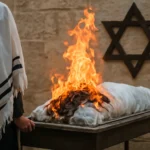
The question of whether a Jewish person can be cremated is a topic that touches theology, tradition, and personal choice. Across generations, communities have wrestled with how to honor the dead while navigating modern realities, cremation legislation, and diverse interpretations of Jewish law. This article explores the question in depth, presenting the range of Jewish beliefs, historical developments, and practical guidance for families and leaders who confront this issue. While the phrase “can a Jewish person be cremated?” appears frequently, we will use a spectrum of related language—such as could a Jew be cremated?, may a Jew be cremated?, is cremation permitted in Judaism?, and what does Halacha say about cremation?—to illuminate the topic from multiple angles and to help readers understand both the traditional and contemporary contexts.
Understanding the question: can a Jewish person be cremated?
At its core, the inquiry asks how Judaism views the handling of the body after death, and what role cremation plays within the spectrum of acceptable Jewish funeral practices. For many, the practical questions—whether cremation is legally, financially, or logistically feasible—must be weighed against religious commitments, communal norms, and personal wishes. The answer is not monolithic; it varies by movement, community tradition, and individual circumstances. Still, there are common threads in Jewish thought that shape the dominant norms and the exceptions that occasionally arise.
Key Jewish beliefs about the body, death, and afterlife
To understand the issue, it helps to map some core beliefs shared by many Jewish communities. These beliefs influence attitudes toward bodily integrity, burial, and the treatment of remains after death. While beliefs about the afterlife and the immortality of the soul differ among individuals and denominations, the following themes recur in rabbinic literature and communal practice:
Dignity of the dead (kavod hashem, kavod ha-met): Jewish law emphasizes treating the deceased with respect and humility. The body is considered a vessel that once housed the soul, and how it is cared for after death reflects reverence for the person’s life.
Burial as the preferred practice: Across many communities, burial in a simple cemetery is traditional, seen as the most fitting return of the body to the earth, and it facilitates the process of mourning (zikor orh). While burial is normative in most Jewish communities, the degree of emphasis differs by movement.
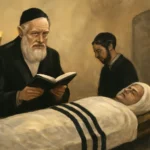
Respect for tradition and continuity: Rituals surrounding death—tahara (ritual purification of the body), shiva (seven days of mourning), and shomrim (watchers)—are part of a broader framework meant to comfort the living and honor the deceased.
Question of the afterlife: Jewish views on the afterlife are diverse and nuanced. Some emphasize bodily resurrection, others focus on memory, ethical continuity, and the legacy left by the living. These considerations often influence how strictly adherents interpret burial norms versus other options.
Given these principles, cremation is often evaluated in relation to the ideal of burial. In many communities, cremation is viewed as conflicting with kavod ha-met and the long-standing practice of returning the body to the earth through burial. Yet the actual stance varies widely depending on rabbinic authority, communal custom, and the specific circumstances of the deceased and their family.
Historical shifts and modern practices
History reveals fluctuating attitudes toward cremation within Judaism. In some periods and places, cremation was more common in the broader society, but Jewish authorities emphasized burial as a uniquely sacred practice. In modern times, a combination of factors—emancipation from restrictions, secular laws recognizing cremation, and global mobility—has led to a broader conversation about cremation among Jews. Several trends are worth noting:
Orthodox adherence to traditional law: Orthodox authorities generally discourage cremation and consider it contrary to Halacha (Jewish law) in most cases, reinforcing the importance of burial and the sanctity of the body after death.
Conservative and Reform responses: The Conservative movement has historically maintained strong support for traditional burial but has shown greater openness to individual circumstances within Halakhic constraints. Reform and Reconstructionist communities often emphasize personal autonomy and can be more accepting of cremation as an option in some contexts, though many still advocate burial when possible and work within ethical frameworks to respect tradition.
Israel and national norms: In Israel, burial is still the prevailing custom in many communities, and the state encourages adherence to burial norms. However, cremation is legally permitted in Israel and exists as an option in certain contexts, particularly among non-religious populations or in cases involving public health or logistical considerations.
Global migration and diversity: As Jews move, live, and die outside their ancestral homelands, local laws, cemetery availability, and family preferences intersect with religious guidance, leading to a more pragmatic approach in many communities.
Across eras, the question “could a Jew be cremated?” has been revisited amid changing social norms. Today, the debate continues in many synagogues, cemeteries, and memorial spaces, reflecting a spectrum of responses rather than a single universal rule.
Rabbinic perspectives by denomination
One of the most important differentiators in the cremation conversation is denominational stance. The guiding authorities—rabbinic bodies and rabbinic scholars—offer varying interpretations of Halacha and Jewish ethics, which in turn shape practice. Here is an overview of the broad tendencies in major movements:
Orthodox Judaism generally holds that cremation is not in keeping with traditional Jewish law. The rationale rests on several themes:
The sanctity of the body after death, and the duty to bury it promptly in accordance with burial customs.
The Halachic preference for returning the body to the earth as a sign of humility before God’s creation.
The concern that cremation may interrupt the mourning process and the lifetime of mitzvot (commandments) that rely on bodily integrity, such as tahara and kaddish, which presuppose burial.
In practice, Orthodox authorities typically advise families to pursue burial whenever feasible and view cremation as a last resort or as a choice inconsistent with traditional norms. Exceptions might be considered under exceptional circumstances (for example, imminent public health concerns or specific legal constraints in a given country), but these are not the norm in Orthodox halachic literature. For families seeking guidance, engaging with a local Orthodox rabbi or rabbinic court is commonly recommended to understand the applicable local practice and any allowed accommodations.
Conservative and Reform perspectives
Conservative Judaism tends to uphold burial as the preferred practice, but acknowledges the importance of individual autonomy and practical realities. In some circumstances, Conservative authorities may permit cremation, especially when burial is not available, cost prohibitive, or when family members are compelled by significant external pressures. The framework emphasizes honoring the deceased while also respecting the emotional, spiritual, and logistical needs of mourners.
Reform Judaism historically embraced a broad embrace of individual choice. In many Reform communities, cremation is not seen as a violation of core Jewish values, and it can be chosen for reasons including personal preference, modern ethics, or ecological considerations. Reform theologians emphasize that what matters most is the intent to honor the deceased and comfort the living, while maintaining respect for Jewish ritual life. Some Reform congregations may still encourage burial when feasible and financially viable, but they typically affirm the legitimacy of cremation as a personal decision.
Reconstructionist Judaism likewise supports personal autonomy and often integrates modern ethical considerations into ritual life. Cremation may be viewed as an acceptable option within a framework that prioritizes the dignity of the deceased and the needs of the mourners, especially when burial is not practical or accessible.
Practical considerations: rituals, legalities, and pathways to resolution
For families facing the prospect of cremation, several practical questions arise. The following sections outline the considerations that tend to shape decisions in contemporary Jewish life:
Ritual purity and preparation: In traditional practice, a tahara (ritual washing and purification) is performed for a Jewish body prior to burial. Cremation complicates or prevents this practice in most cases, which is one factor cited by many rabbis in discouraging cremation.
Timing and logistics: Burial is often preferred within 24 hours or as soon as possible after death, which aligns with many community customs. Cremation timelines can be influenced by local laws, funeral home procedures, and cemetery availability, potentially affecting mourning schedules and ritual observances.
Legal frameworks: National and local laws regulate cremation, cemetery allotments, and the handling of remains. Some jurisdictions require cremation for reasons of public health or space constraints; others may prohibit it. Jewish families should consult both civil authorities and religious authorities to understand the permissible paths in their location.
Cemetery rules and memorial requirements: Cemeteries have distinct policies about interment, plot ownership, memorial plaques, and ongoing maintenance. When a cremation occurs, families may need to consider options for memorialization that align with community norms and the family’s emotional needs.
In many communities, the practical advice might include a two-stage approach: contemplate burial as the default path; if burial is unavailable or unsuitable for legitimate reasons, explore cremation with a rabbinic advisor who can assess whether the choice aligns with Halachic and communal expectations. This approach helps balance respect for tradition with compassionate response to modern realities.
Israel, Halacha, and civic life: how cremation fits into a modern Jewish state
Israel presents a unique case study in Jewish practice. While burial remains the standard and most communities emphasize kavod ha-met, cremation exists as a legally recognized option under certain circumstances. This reflects a broader Israeli reality in which state institutions must accommodate diverse religious and secular populations. In practice:
Most Orthodox communities in Israel continue to prefer burial and are cautious about cremation, in line with traditional halachic guidance.
Non-religious or secular segments of Israeli society may opt for cremation for pragmatic reasons, and some municipalities have facilities that support cremation within regulatory frameworks.
In any given case, families may seek guidance from local rabbis or rabbinic courts to navigate specific rulings that consider the person’s religious background, level of observance, and the community’s norms.
Articulations of Halacha in Israel—like elsewhere—emphasize the primacy of kavod ha-met and the dignity of the deceased. Even within a country with diverse religious expressions, the dominant message for many Jewish authorities remains that burial is the ideal path, with cremation considered in special or constrained circumstances and always with careful pastoral consideration.
Contemporary choices and personal autonomy
In a pluralistic Jewish landscape, the question “can a Jew be cremated?” is not answered solely by Halachic text; it is answered in the lived experiences of families, communities, and rabbis who navigate the interplay of faith, memory, and ethics. Several contemporary factors shape decision-making:
Personal beliefs and family wishes: Individuals may hold religious, ethical, or environmental convictions that influence their preference for cremation or burial. Some people worry about the costs, the environmental footprint, or the desire for simplicity and practicality in end-of-life arrangements.
Interfaith or intercultural considerations: In multi-faith families or communities, the final disposition may involve interfaith traditions, diaspora norms, or cross-cultural legal requirements, necessitating careful discussion and inclusive planning.
Ethical and memorial needs: The emotional significance of final dispositions—where to place remains, how to memorialize, and how to support grieving people—often weighs heavily in the decision-making process.
Societal and cemetery constraints: Availability of burial plots, cemetery capacity, and municipal policies can affect choices, especially in densely populated urban areas with limited space.
In light of these realities, many families choose to explore all options early, consult with knowledgeable leaders across different denominations, and consider a plan that honors both their personal convictions and their obligations to community norms. Regardless of the path chosen, the emphasis on compassionate care for mourners and respect for the deceased remains central in Jewish practice.
Common questions and clarifications
Is cremation permitted in Judaism? Answers vary by tradition. In Orthodox Judaism, cremation is generally discouraged or deemed prohibited, though exceptions may be considered in specific circumstances. In Conservative, Reform, and Reconstructionist streams, cremation may be permitted or accepted within certain ethical and communal guidelines and with respect for the deceased and the family’s needs.
What about post-cremation memorialization? Many communities develop meaningful memorial practices after cremation, including cemeteries with columbariums, scattering limitations, and memory services. The goal is to honor the deceased while supporting the living in their grieving process.
How can families plan in advance? Advance directives about end-of-life preferences, discussions with loved ones, and engaging a rabbi or community leader can help ensure that the chosen path reflects religious values and personal wishes.
Does the Holocaust memory influence the discussion? The memory of the Holocaust has shaped Jewish attitudes toward the sanctity of the body and the memorialization of victims and survivors. For some families, this history informs their approach to burial and cremation in nuanced ways.
Practical guidance for families facing cremation decisions
For those confronted with the question “can a Jewish person be cremated?” in real-life circumstances, the following practical steps can help guide a thoughtful, respectful, and well-informed decision-making process:
Consult with a knowledgeable rabbi: A rabbi or halachic authority who understands the family’s tradition and local conditions can provide tailored guidance and help interpret relevant passages, rulings, and communal norms.
Assess burial options first: When possible, consider burial as the default choice, especially in communities where this is the norm and considered the ideal. Explore all logistical factors, such as cemetery availability, costs, and timelines.
Evaluate legal and logistical constraints: Understand the local laws, cemetery regulations, and funeral home policies. Some jurisdictions may have requirements or restrictions that affect decision-making.
Honor the deceased and support the mourners: Regardless of the disposition method, ensure that the rituals surrounding mourning—shiva, kaddish, and ongoing remembrance—are respected and that the family’s spiritual and emotional needs are addressed.
Plan memorialization and aftercare: Decide how to commemorate the deceased in a way that aligns with the family’s values—this may include plaques, donations in memory, or ongoing learning and community involvement.
Language matters: how we speak about cremation and Jewish practice
Because the topic intersects faith, culture, and personal autonomy, the language used to discuss cremation matters. Phrases like “cremation in Judaism,”“the practice of cremation among Jews,” or “Jewish law and cremation” carry different implications in different communities. When engaging in conversations about this subject, it is helpful to use precise terms:
Halacha (Jewish law)
Kavod ha-met (honor for the dead)
Tahara (preparation of the body for burial)
Shiva and Kaddish (mourning rituals)
Clarity in language supports empathetic dialogue, helps families feel heard, and fosters constructive decision-making in situations that may be emotionally charged or ethically complex.
In a world where Jewish communities reflect a broad spectrum of beliefs and practices, the question of whether a Jewish person can be cremated does not have a single universal answer. Instead, it invites careful listening, thoughtful study, and respectful dialogue among families, rabbis, and community leaders. The core remains consistent: regardless of the path chosen, the goals are to honor the memory of the deceased, support those who mourn, and maintain integrity with one’s values and traditions.
Readers seeking to understand how their own tradition views the question should consider the following practical approach:
Review the guidance of one’s own denomination or community authority, recognizing that local custom may vary.
Discuss options early with family members to reduce confusion and conflict during times of grief.
Explore educational resources that explain the rituals and meanings behind burial, cremation, and memorial practices.
Engage respectfully with congregational leadership to align end-of-life plans with personal beliefs and communal norms.
Conclusion: respectful choices within a diverse landscape
The question “can a Jewish person be cremated?” invites more than a yes-or-no answer. It opens a conversation about the dignity of the body, the needs of the mourners, and the ways tradition adapts to modern life. While many Jews, particularly in Orthodox communities, view burial as the preferred and most fitting option—grounded in centuries of ritual practice—other contexts allow for cremation under careful, well-considered guidance. The diversity of Jewish practice today reflects an ongoing commitment to balancing reverence for tradition with a compassionate response to contemporary realities.
Whether you are exploring the topic in a personal moment of planning, teaching about Jewish law, or supporting a family in crisis, remember that the central aim of Jewish ritual life is to honor the deceased while caring for the living. By approaching the subject with humility, openness, and an informed understanding of denominational differences, communities can navigate difficult choices with integrity and empathy.
In the end, questions such as “could a Jew be cremated under certain circumstances?” or “what does Jewish law say about cremation in today’s world?” are best answered through thoughtful dialogue, rooted in the tradition’s enduring values and the lived experiences of families in a changing world.