Jewish Kosher Caskets: A Guide to Kosher Burial Options
In many Jewish communities, kosher burial is more than a preference—it is a set of religious and communal guidelines designed to honor the deceased and to align with long-held halachic (Jewish legal) principles. A kosher casket (often called a kosher coffin in common parlance) is typically part of a larger system of burial practices that includes ritual washing, modest dress, and a focus on quick, dignified burial in accordance with Jewish law. This guide provides an in-depth look at what makes a casket kosher, the options available today, how to plan for a kosher funeral, and common questions families raise when selecting a casket and working with a chevra kadisha (holy burial society).
The topic of kosher caskets spans religious practice, cultural tradition, and practical considerations. While there are firm guidelines in many Orthodox communities, there is also variation among different denominations and geographic regions. With that in mind, this article aims to present a balanced overview that can help families understand the most important factors, regardless of their specific community affiliation. Always consult your local chevra kadisha, funeral director, or rabbi for guidance tailored to your situation.
What “Kosher Burial” Means in Practice
To understand why caskets are treated as a kosher burial concern, it helps to know the core elements of traditional Jewish burial practice. The emphasis is on the dignity of the body, the avoidance of delay and prolongation of the burial process, and adherence to prohibitions and emphases found in Jewish law. Core concepts include:
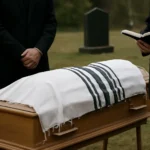
Tahara and tachrichin: Ritual washing of the body and dressing in simple shrouds. Tachrichin are typically basic fabric garments that cover the body in a modest way, signaling equality in death.
No embalming or cremation: Embalming is generally prohibited or strongly discouraged in traditional practice, and cremation is usually forbidden in Orthodox communities.
Prompt burial: In many communities, burial is ideally within 24 hours of death when possible, respecting the desire to return the body to the earth without unnecessary delay.
A plain, modest presentation: The way the body is interred should reflect humility and seriousness, avoiding ostentation or vanity.
These principles influence not only what happens at the taharah and levayah (funeral) but also what kinds of caskets and exterior elements are considered appropriate. In practice, a kosher casket is one that aligns with halachic concerns, avoids elements that could undermine ritual requirements, and provides a respectful, dignified container for burial.
What Makes a Casket Kosher?
There is no single universal set of technical specifications for a kosher coffin, because practices differ by community and rabbinic guidance. However, several common criteria appear across many Orthodox and traditional Chevra Kadisha guidelines:
Material: The casket is typically made from wood (often plain, unvarnished, or minimally finished). Plastic, metal, or heavy embellishments are generally avoided in many communities, though occasional allowances exist based on local tradition.
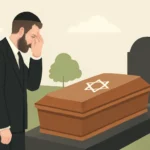
Exterior appearance: Exterior decoration is kept to a minimum. The focus is on a simple, unadorned box that does not draw attention or convey luxury.
Hardware: There is a strong preference—though not always universal—for minimal or no metal hardware on the exterior, to avoid elements that might complicate the ritual or the burial process. Some communities allow limited hardware if it does not interfere with ritual requirements; others prefer metal-free construction altogether.
Interior: The inside of the casket is typically clean, without ornate fabrics or padding that could complicate cremation or delays. In many cases, the inner lining is understated and free of metal zippers or decorative components.
Embalming and additives: A kosher casket is designed to accompany a body that has not been embalmed, perfumed, or treated with chemical enhancements. The surrounding materials should not introduce substances that would conflict with halachic norms or with the natural process of decomposition.
Certification and alignment with local practice: Some families seek caskets that are certified by local rabbis or by the chevra kadisha as adhering to their community standards. This certification can provide assurance that the casket meets the expectations of the particular kehillah (community).
In addition to these practical criteria, many families think about the environmental and ethical implications of a kosher casket. There is a growing interest in green burial options that still meet halachic requirements. Green caskets, typically made from sustainably sourced wood and finished with natural or non-toxic treatments, may be appropriate in certain communities, provided they conform to halachic stipulations and the preferences of the chevra kadisha.
Types of Kosher Caskets
Today’s landscape offers a range of options, reflecting both traditional demands and modern manufacturing. Below are the major categories commonly found when families search for kosher burial coffins or kosher wooden caskets.
All-Wood, Plain Caskets
The most traditional choice for a kosher burial is a simple, wooden casket with minimal or no finish. These containers emphasize the plain, unadorned approach that aligns with the ideals of equality and humility in life and death. Features often include:
Unpainted or lightly stained wood (often pine, poplar, or ash).
No metal interior hardware; limited exterior metal if any.
A straightforward, smooth interior with a basic lining or no lining beyond simple textile.
Plain handles or none, depending on community standards.
These caskets are widely used in traditional Jewish burials because they minimize non-wood elements and present a dignified, modest exterior.
Biodegradable or “Green” Caskets
As environmental awareness has grown, many families seek eco-friendly options that still adhere to kosher guidelines. Biodegradable kosher caskets may use:
Natural wood with minimal processing and non-toxic finishes, if any.
Water-based glues and adhesives that are low in volatile organic compounds (VOCs).
No metal hardware or only minimal hardware that is essential for structural integrity and does not interfere with ritual requirements.
Green burial options can align with kosher normative practices when the materials, construction, and handling meet the expectations of the chevra kadisha and rabbinic guidance in the local community. Families choosing green kosher options often do so for reasons of sustainability, budget considerations, or personal values.
Softwood vs. Hardwood Options
Within the all-wood paradigm, several material choices emerge:
Softwood caskets (e.g., pine) are typically lighter, less expensive, and easier to shape into a plain form. They can be finished with natural oils or left in a more raw state, depending on local custom.
Hardwood caskets (e.g., maple, oak) offer greater durability and a more substantial feel. Some families prefer hardwood for its enduring presence, while still maintaining a minimalist aesthetic.
Regardless of wood type, the emphasis remains on conveying dignity and humility, rather than opulence.
Metal-Free and Minimal Hardware Variants
For communities prioritizing strict metal-free construction, manufacturers offer variants that minimize or eliminate metal components. Common characteristics include:
Metal-free exterior with wooden handles or replaceable leather tie-on elements, if permitted by local custom.
Adhesive-based joints rather than metal fasteners, where permitted by the maker and the chevra kadisha.
Non-metal fasteners such as wooden dowels or traditional joinery techniques.
It is important to confirm with the local chevra kadisha whether a specific metal-free option complies with their procedures and halachic standards.
Choosing a Kosher Casket: Practical Guidance
Selecting a kosher casket involves balancing religious requirements with practical realities such as budget, availability, and family preferences. Here are practical steps and considerations to guide the process:
Consult the chevra kadisha: The first step is to speak with the local burial society or a rabbi who understands the community’s customs. They can provide specific guidelines about acceptable casket styles and construction details.
Ask the funeral home about kosher options: Not all funeral homes carry kosher caskets by default. Many collaborations exist between Chevra Kadisha groups and Jewish funeral homes to ensure compliance. Ensure the chosen option meets your community’s standards.
Clarify materials and finishes: If you prefer a green or natural option, verify that the finishes, adhesives, and inner lining meet halachic expectations. Some communities require no paint or chemical coatings, while others permit basic, non-toxic finishes.
Understand hardware requirements: If there is a preference for metal-free construction, confirm whether exterior or interior hardware is restricted and what exceptions exist (for example, structural elements that must be metal for safety).
Cost considerations: Kosher coffins span a range of prices depending on wood type, workmanship, and finish. Compare quotes from reputable suppliers who understand the kosher burial requirements and can provide documentation or rabbinic guidance if requested.
Delivery timing: Because the burial in Jewish law is ideally near-immediate, plan with your funeral home for timely delivery of the casket and a smooth handoff to the chevra kadisha for the taharah and levayah process.
Beyond the technical criteria, many families also consider personalization within community limits. While traditional kosher caskets emphasize modesty, it is common to arrange custom elements that reflect the deceased’s values or family heritage, such as inscriptions on the outer box (if permitted by the community), or choosing wood types that hold personal significance. Always confirm with the chevra kadisha before adding any non-standard features.
The Role of the Chevra Kadisha and Tachrichin
The Chevra Kadisha, a Hebrew term for the Holy Burial Society, plays a central role in ensuring that Jewish burial practices are observed with respect and care. Their responsibilities typically include:
Ensuring ritual purity and proper preparation of the body.
Overseeing the taharah (ritual washing) that occurs prior to burial and guiding the process so that it adheres to communal standards.
Supervising tachrichin (the shrouding process) to ensure modesty and dignity in death.
Coordinating with the funeral home, cemetery staff, and the family to ensure a timely and respectful burial.
In practice, the Chevra Kadisha also provides guidance on the choosing of a kosher casket, since the physical container must align with the ritual requirements and the rules of the local community. Some chevras kadisha publish recommended specifications or maintain lists of approved vendors. Others work closely with established Jewish-owned funeral homes that have experience with kosher coffins and universally accepted standards.
Families often find it reassuring to participate in the planning alongside the chevra kadisha, especially when clarifying questions about what can be done within the scope of halachic guidance. The goal is to honor the deceased, support the family, and ensure a dignified, efficient process that reflects the values of the Jewish tradition.
Common Questions About Kosher Caskets
As families explore the options for a kosher burial, several questions tend to arise. Here are some frequently asked questions (FAQs) and straightforward answers based on common practice. Remember that local custom and rabbinic guidance should always trump general guidance.
Do all Jews require a kosher casket?
Not every Jewish community or family uses the same language, and there is variation in adherence. In many Orthodox and traditional communities, the casket is expected to be simple and wooden, aligning with halachic principles. In Conservative, Reform, or less observant communities, casket choices may be more flexible, though many still honor the preference for modest, simple casket construction. Always check with the local rabbi or chevra kadisha.
Can a casket be metal-free if a family prefers it?
Yes, metal-free casket options exist and are commonly used in communities that emphasize minimalism and halachic compatibility. If a family wants no metal, they should confirm with their chevra kadisha and funeral director that the chosen product meets the community’s standards for metal-free construction and ritual compliance.
Is embalming ever permitted for Jewish funerals?
Embalming is generally discouraged or prohibited in traditional Jewish law, particularly in Orthodox circles. In some jurisdictions, legal requirements or medical circumstances may necessitate certain steps, but embalming remains uncommon in kosher funerals. Families are encouraged to discuss any medical or legal pressures with the rabbi and chevra kadisha to determine permissible alternatives, such as expedited burial arrangements.
What about personalization or inscriptions on a kosher casket?
Personalization is often approached with care. Some communities permit understated inscriptions or symbols that are meaningful to the deceased and family, so long as they do not detract from the fundamental modesty of the casket. Always obtain approval from the chevra kadisha and rabbi before adding personalized elements.
Are there differences between “coffin” and “casket” in Jewish burial practice?
The terms “coffin” and “casket” are commonly used interchangeably in contemporary settings, but in Jewish burial discourse, the emphasis remains on the construction’s compliance with halachic standards. Some communities prefer a “coffin-like” appearance that is structurally simple, while others use standard caskets made of wood. The key factor is alignment with ritual guidelines, not the nomenclature of the container.
Planning in Advance: Pre-Need and Pre-Planning for Kosher Burials
Many families find it beneficial to plan for kosher burial in advance, especially when establishing pre-need arrangements. Pre-planning can provide clarity about budgeting, material choices, and the process timing after death. Consider the following aspects when planning ahead:
Pre-need agreements with a Jewish funeral home that offers kosher caskets and chevrath kadisha support. Clarify whether the agreement guarantees a specific model, material, or price range.
Documentation: Gather any rabbinic guidance or community-specific approbations that may dictate the acceptable features of a casket, including hardware, finish, and interior lining.
Family values and preferences: If personal or family history suggests particular wood types, finishes, or cultural motifs, record these preferences with the understanding that changes may be constrained by ritual guidelines.
Educational resources: Some communities maintain materials explaining kosher burial norms, including FAQs for families who are new to the process. Access to such resources can help families make informed decisions with confidence.
Advance planning reduces stress during a difficult time and helps ensure that the burial remains consistent with Jewish law and community expectations.
Regional practice can influence what is considered “kosher” in a casket. While the fundamental halachic ideas endure, the following regional differences often shape expectations:
Israel: In Israel, cemeteries and funeral services are heavily influenced by Orthodox practice in many communities, with standardized approaches to tachrichin and casket construction. The availability of kosher caskets in Israel is generally high, and many teams coordinate directly with medevil-level Chevra Kadisha groups.
North America: In the United States and Canada, there is a broad range of options, from traditional all-wood, plain caskets to green or sustainable choices. Jewish funeral homes frequently provide kosher-certified options and work closely with chevras kadisha to ensure compliance.
Europe and other regions: Practices vary widely by country and by local community. Some communities maintain strict guidelines that align with Orthodox practice, while others emphasize a broader interpretation of Jewish tradition.
Regardless of region, the core idea remains: the container used for burial should reflect reverence, simplicity, and alignment with the community’s halachic guidance. Families should seek local rabbinic counsel and communicate with the chevra kadisha to understand any regional nuances that may affect the choice of a kosher coffin.
Choosing a kosher casket is more than a logistical decision—it is a step in fulfilling a religious obligation and honoring the memory of a loved one. Several ethical and spiritual considerations often surface in family discussions:
Dignity and equality: A central aim of tachrichin and kosher burial is to present the deceased in a modest, equal, and dignified manner, reflecting a shared humanity.
Respect for communal norms: Following the guidance of a chevra kadisha and rabbinic authorities demonstrates respect for the community’s values and for the deceased’s family.
Clarity and planning: Pre-planning and informed decisions reduce ambiguity at a vulnerable time, helping to ensure that rituals proceed smoothly and with intention.
Compassion for the living: The process should support mourners, offering clear expectations and compassionate coordination among funeral homes, rabbis, and burial societies.
In sum, a kosher casket is more than a box—it is a conduit for tradition, faith, and memory. The goal is to provide a container that respects halachic requirements, sustains the dignity of the deceased, and supports the family during the grieving process. By engaging with the chevra kadisha early, asking precise questions about materials and construction, and choosing a reputable source for the casket, families can navigate the process with confidence and care.
If you are beginning the process of selecting a kosher casket, consider the following practical next steps:
Contact your local chevra kadisha for guidance on acceptable casket types and any region-specific requirements.
Consult a licensed funeral director who has experience with kosher burials and can coordinate with rabbinic authorities.
Ask potential suppliers for documentation or certification demonstrating alignment with community standards for kosher caskets.
Outline your budget and preferences in advance, including whether a green or sustainable option is important to your family.
Consider pre-arranging a plan with explicit references to the preferred materials and construction methods to prevent last-minute uncertainty.
By approaching the process with knowledge and sensitivity, families can ensure that their decisions about kosher burial options convey respect for tradition, support for mourners, and a meaningful tribute to the person who has passed away.