Introduction: The Role of Gifts in Jewish Mourning
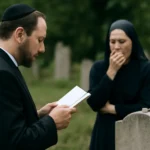
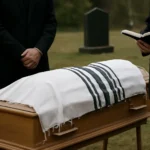
In Jewish communities, mourning is not only an individual experience but a communal act in which friends, family, and neighbors offer support, consolation, and meaning through actions, words, and thoughtful gifts. While the primary rituals—shiva, shloshim, yahrzeit, and yizkor—provide structure for grief, small gestures from loved ones can help the bereaved feel seen, cared for, and oriented toward remembrance. This article explores meaningful keepsakes for grief and explains how Jewish mourning gifts can honor a life lost while easing the path through mourning phases. The aim is to present practical, respectful ideas that reflect Jewish traditions, modern sensibilities, and the diverse ways families process loss.
Foundations of Jewish Mourning Practices
To choose an appropriate gift, it helps to understand the framework of Jewish mourning. The core periods are:
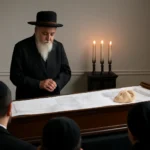
Shiva: A seven-day period of intense mourning immediately after burial, during which the community visits the mourners’ home to offer condolences and sustenance.
Shloshim: The first thirty days following burial, a time when public mourning eases but a mourner may still observe certain restrictions and rituals.
Yahrzeit: The annual observance of the death anniversary, marked by lighting a memorial candle and reciting prayers or psalms.
Yizkor: A memorial service recited on certain holidays, offering additional opportunities to remember the deceased and give tzedakah in their name.
Across these stages, gifts can serve several purposes: comfort, memory-preservation, acts of charity, and practical assistance for daily life. When selecting a gift, it is helpful to consider where the mourner is in their journey and what would be most meaningful within their community and tradition.
Memorial and Consolation Gifts: Core Categories
Gifts in the context of Jewish mourning often fall into a few recognizable categories. Below are some core ideas, each with examples and notes on how they fit into Jewish practice and sensibilities.
Condolence and Comfort Gifts
These gifts convey sympathy and offer practical or emotional support during and after the shiva period. They acknowledge loss while providing nourishment for body and spirit.
Food and meal baskets: A classic, practical gesture. Ready-to-eat meals, fruit bowls, and groceries help the bereaved focus on grieving rather than cooking.
Condolence cards and letters: Personal notes that bear witness to the person who died and the mourner’s experience.
Household essentials or gift cards for groceries, cleaning, or home services can ease the burden of daily life during shiva and beyond.
Comfort objects such as soft blankets or shawls can provide physical solace during difficult nights.
Charitable Memorial Gifts: Tzedakah in Memory
One of the most meaningful Jewish mourning gifts is to turn memory into action. Donating in the deceased’s name honors the person’s values and creates a living legacy.
Tzedakah in memory: A donation to a charity important to the deceased or to a cause aligned with their life’s work.
Charitable funds (often named in memory of a loved one) that support education, health, or community services.
Memorial campaigns that fund scholarships, research, or social services in the name of the departed.
Recurring giving plans set up to provide ongoing support, turning grief into sustained impact.
Memory Keepsakes and Memorial Items
Keeping memory tangible helps mourners maintain a connection to the person who died. The right keepsake can be a lasting reminder of a life well-lived.
Yahrzeit candles and memorial candle holders that are lit on the anniversary of the death each year.
Engraved keepsakes such as a small plaque, plate, or ornament bearing the name, dates, and a meaningful inscription.
Mezuzah or mezuzah-case gifts engraved with the departed’s name or a favorite verse, to mark a home with memory.
Memory books, photo albums, or journals that collect stories, photographs, and reflections about the deceased.
Practical Keepsakes for Daily Life
Gifts that ease daily routines or support endurance through the initial months after a loss are both thoughtful and useful.
Gift baskets for bereaved families that combine practical items (household supplies) with comforting treats.
Home organization aids or personal care items to help the mourner navigate the practical disruptions that accompany grief.
Journals or prompts for recording memories, prayers, or reflections tied to the deceased.
Memory-Forward Gifts: The Spiritual and Ritual Dimension
In addition to practical and memorial items, several gifts engage with the spiritual rhythms of mourning. These options align with Jewish ritual life and can deepen the mourner’s sense of continuity and community.
Yahrzeit-Related Keepsakes
The annual yahrzeit observance invites specific gifts that mark the enduring memory of a loved one.
Yahrzeit calendars featuring the Hebrew and secular dates, as well as a place to note the deceased’s memory and the caregiver’s acts of tzedakah.
Yahrzeit candles that burn for a designated period on the anniversary, often paired with a small inscription or message.
Commemorative plaques or engraved stones placed in a garden, synagogue, or cemetery plot as a quiet reminder of the deceased.
Hearing and Sharing Memory: Books and Placemards
Several thoughtful options invite families to remember publicly or privately, depending on their comfort level with visibility.
Memory albums or story jars that collect anecdotes from relatives and friends.
Donor or memorial books in synagogues or community centers that list those who contributed in memory of the deceased.
Commemorative wall placards or art pieces installed in communal spaces to honor a life.
How to Choose the Right Mourning Gift: A Practical Guide
Choosing a mourning gift is a careful balance of sensitivity, meaning, and practicality. Consider the mourner’s denomination, customs, personality, and current needs. Here are practical guidelines to help you decide what to give.
Listen for Clues and Respect Boundaries
Ask a close relative or the mourner’s rabbi or cantor if a particular gift would be appropriate at this time.
Respect the pace of grieving. Some gifts may be welcome during shiva, while others are better timed for later stages.
Avoid gifts that could be perceived as pressuring the mourner to move quickly through grief (e.g., overly cheerful items when the family is in early mourning).
Align with Values and Beliefs
Choose gifts that reflect the deceased’s own passions, causes, or community commitments.
Prefer modest and respectful expressions of memory, particularly in traditional or religious settings.
With charity gifts, ensure the recipient charity is reputable and aligns with the family’s wishes.
Personalization and Tone
Personalize inscriptions with the deceased’s Hebrew name, English name, and dates when appropriate.
Offer a handwritten note that speaks to the deceased’s character and the mourner’s feelings, without assuming a fixed outcome for the grieving process.
Stage-Sensitive Gifts: Timing and Context
The timing of a mourning gift can influence how it is received. Here are stage-specific considerations to help you decide when a gift might be most meaningful.
During Shiva
Practical food and household support is often most helpful, as the family is focused on visitation and rest.
Gentle condolence messages that acknowledge the loss without pressuring the mourner to speak can be comforting.
Small memorial keepsakes can be shared if the family is planning a longer-term ritual or if the mourners express interest in memory ideas.
During Shloshim and Post-Shiva
Gifts that support routine life (meals, cleaning services, or supplies) are appreciated as daily rhythms resume.
Please consider memorial items (e.g., a yahrzeit candle or memory book) that encourage ongoing remembrance beyond the immediate weeks.
On the Yahrzeit
Gifts that enhance remembrance, such as a yahrzeit calendar or a memorial fund, can be especially meaningful as the anniversary approaches.
Charitable acts and fundraising in memory are often warmly received during yahrzeit observances.
Special Considerations: Denominational and Cultural Variations
Jewish practice varies widely among Orthodox, Conservative, Reform, and secular communities. When selecting a mourning gift, it is wise to consider the family’s tradition and their community norms.
Orthodox households may prefer gifts that emphasize simplicity and kavod habayit (respect for the home) and may welcome tzedakah in memory or geniza-appropriate items (i.e., things that align with modesty and ritual sensitivity).
Conservative and Reform families may be more open to contemporary memorial practices, including digital memory books, scholarship funds, or flowers paired with a meaningful donation.
In some communities, fundraising or memorials are coordinated through synagogues or cemeteries; in others, families may prefer private acts of remembrance.
Ethical and Cultural Sensitivities in Mourning Gifts
Gifts in times of grief deserve care and respect. Here are some ethical and cultural considerations to guide your choices.
Avoid presuming a family’s level of observance or willingness to engage with certain rituals.
Privacy matters; some families may prefer donations or memorials to be kept private, while others welcome public acknowledgment.
Quality and sourcing matter; opt for well-made items or donations to reputable organizations to honor the deceased’s memory.
Clarity in messaging helps prevent misunderstandings about the purpose of the gift and the intended recipient.
Sample Gift Scenarios: Real-Life-Inspired Ideas
Below are illustrative scenarios with concrete gift ideas that illustrate how to tailor offerings to different relationships and mourning stages.
Close Friend or Neighbor: Shiva Support Kit
A refrigerated care package with ready-to-eat meals and fresh fruit
A memory journal for the friend to record thoughts and stories about the deceased
A Yahrzeit candle and a note inviting them to light it on the anniversary
Sibling or Adult Child: Memorial and Legacy Gift
Engraved keepsake (wood or metal) with the deceased’s name and a short inscription
Donation to a charity the person supported in their memory, with a note that explains the impact
A memory album gathering family photos and stories to be shared at a future gathering
Extended Family: Community-Based Gift
Establish a memorial fund through the synagogue or a reputable charity in memory of the deceased
Provide a donor plaque or service book that lists those who contributed in memory
Offer a calendar of remembrance that highlights the yahrzeit dates of loved ones in the family
Gifts that Honor Memory without Overstating Loss
In some cases, the best gift is one that honors memory without anchoring the bereaved to pain. Subtle, meaningful options include:
Quiet memorial journals for ongoing reflection
Donor-advised funds or scholarships that align with the deceased’s interests
Low-key memory plaques placed in a serene space in the home or garden
Practical How-To: How to Deliver a Mourning Gift Thoughtfully
Delivery matters as much as the gift itself. Consider these best practices to ensure your gesture lands with care.
Coordinate timing with the family’s needs and the appropriate mourning stage.
Acknowledge the loss in your note—name the deceased and share a memory or quality you admired.
Present with sensitivity whether in person, via mail, or through the synagogue, ensuring your approach respects privacy and boundaries.
Offer ongoing support in addition to the initial gift—check in over weeks and months with simple messages or small acts of kindness.
Where to Source Jewish Mourning Gifts: Practical Suggestions
Finding the right items or arrangements can be facilitated by several trusted channels. Here are practical places to look and what to expect.
Synagogues and community centers often host memorial funds, plaques, or designated charity drives in memory of community members.
Jewish gift shops and Judaica stores offer yahrzeit-related items, engraved keepsakes, mezuzah cases, and memorial jewelry.
Online Jewish memorial vendors provide customizable options for engraving, memory books, and memorial candles.
Charitable organizations may host memorial funds where donors can specify the deceased’s name and the intended purpose.
Gifts in the context of Jewish mourning are most meaningful when they are thoughtful, respectful, and aligned with communal norms and personal wishes. Consider the following best practices to ensure your gift is appropriate and welcome.
Ask, don’t assume about what would be valued. A brief conversation with a family member can prevent missteps.
Prioritize humility and simplicity over ostentation, especially during the early phases of mourning.
Honor the deceased’s memory in a way that reflects their life, not only their death.
Provide options for ongoing participation—for instance, an invitation to join in a charity drive on the anniversary of the death.
Here are answers to common questions about Jewish mourning gifts. If you have a particular scenario, you can adapt these guidelines accordingly.
Q: Is it appropriate to bring flowers during shiva?
A: Flowers are common in many cultures, but in traditional Jewish practice some families prefer minimal floral displays during shiva in favor of simple, unobtrusive comfort or charitable acts. If you are unsure, ask a family member or the host about preferences.
Q: What is the most meaningful gift to give in memory of a loved one?
A: A thoughtful tzedakah gift in the deceased’s name to a cause they cared about, combined with a personal note or memory, often resonates deeply. A well-chosen memorial item or a personalized engraving can also carry timeless meaning.
Q: Should I give gifts after the burial or only during shiva?
A: Gifts are appropriate at multiple stages. Immediately after burial, practical help and condolence messages are most appreciated. In the months and years that follow, memory-focused gifts, charitable remembrances, and memorial items help sustain the connection and support ongoing healing.
“Meaningful keepsakes for grief” are not about erasing pain but about anchoring memory, honoring intention, and sustaining a sense of community. Jewish mourning gifts can take many forms—from charitable donations and memory candles to engraved keepsakes and practical acts of care. The most powerful gifts acknowledge the deceased’s life, support the mourner through their unique path, and invite a lasting legacy that endures beyond the immediate moment of loss. By choosing gifts that reflect tradition, compassion, and personal resonance, you help transform grief into a focused, hopeful memory that can inspire generosity, learning, and connection for years to come.