The city commonly called holy site Jerusalem sits at a crossroads of memory, faith, and human history. For millennia, people of many faiths have viewed this place as a touchstone of meaning, a Jerusalem’s sacred landmark that transcends a single tradition. When scholars and visitors speak of the sacred site in Jerusalem, they are often pointing to a network of holy spaces that cluster within the Old City’s walls, plus outlying hilltops and valleys that acquire religious weight in the narratives of Judaism, Islam, and Christianity. This article offers a comprehensive guide to those sites, their significance, how they are preserved, and how a respectful traveler can approach them.
Overview of the Sacred Landscape
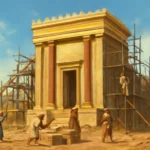
The Jerusalem’s holy places are not limited to one building or a single act of worship. Rather, they are a tapestry of sanctuaries, walls, tombs, chapels, and prayer halls that together form the spiritual geometry of the city. At the heart of this landscape lies the Temple Mount, a plateau that has been revered for thousands of years and is known to many as the holy site at the center of dispute and devotion. Surrounding the plateau are the Western Wall, the oldest visible remnant of the ancient Second Temple, and within the Christian Quarter, the Church of the Holy Sepulchre, which is believed by many to enclose the site of Jesus’ crucifixion and resurrection.
Beyond these core locations, the city holds other sacred precincts: the Mount of Olives with its ancient cemeteries and churches, the Pool of Siloam, the Garden of Gethsemane, and the many chapels and monasteries that trace the spread of faith through centuries. Each of these elements contributes to the broader narrative of Jerusalem’s sacred landmark, inviting visitors to consider not only architectural grandeur but also the layers of tradition that have shaped the city.
Key Landmarks Within the Old City
Dome of the Rock and the Noble Shrine: The Rock as an Icon
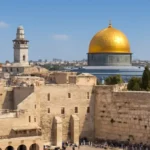
The Dome of the Rock is one of the most recognizable symbols of the sacred site in Jerusalem. Constructed in the late 7th century under the Umayyad caliph Abd al-Malik, this octagonal structure sits atop a rock that is revered in multiple faiths. The gilded dome catches the sun and has inspired countless artworks, poems, and scholarly descriptions. The building is not a temple but a shrine that anchors a complex of ritual space on the Temple Mount.
Inside, the interior is decorated with intricate calligraphy, mosaics, and a geometric order that reflects early Islamic architectural ideals. The sanctity of the rock at the center has given rise to debates about heavenly ascent, religious sovereignty, and the way sacred space is imagined across traditions. For visitors, the Dome of the Rock is a reminder that Jerusalem’s holy site status is not a single claim but a layered conversation about history, faith, and memory.
Al-Aqsa Mosque and the wider Temple Mount Complex
Adjacent to the Dome of the Rock sits the Al-Aqsa Mosque, part of the larger Temple Mount precinct. The Al-Aqsa compound also includes the ancient Golden Gate approaches, a variety of prayer halls, courtyards, and the historic underlying architecture that reveals the long continuity of worship on this hill. The mosque is a living place of prayer for Muslims and a key piece of the story of Jerusalem’s sacred sites as they relate to daily life, prayer, and pilgrimage.
It is important to note that the Temple Mount precinct is a place where access policies differ by religious authority and national context. Visitors should plan ahead, respect posted rules, and be mindful of times when certain areas may be restricted for ritual reasons. The experience of seeing the holy site in Jerusalem from this vantage point is inseparable from the responsibilities that come with approaching a living sacred space.
Western Wall (Kotel) and the Jewish Quarter
A short walk away lies the Western Wall, the holiest accessible site for Jewish prayer. What remains is a monumental retaining wall that forms the western boundary of the ancient Temple Mount. The Wall has become a focal point for personal prayer and communal rituals, with small notes tucked into crevices as offerings for blessings and remembrance. Around the Wall, the Jewish Quarter hosts synagogues, study halls, and markets that provide a sense of how Jewish life continues to animate the city’s sacred geography.
Visiting the Western Wall is an encounter with reverence in action: men and women often use separate lanes for prayer, and modest dress is appreciated in the vicinity. The Wall embodies the idea that Jerusalem’s sacred landmark can be encountered as a living tradition rather than a static monument.
Church of the Holy Sepulchre and Christian Holy Sites
In the Christian Quarter lies the Church of the Holy Sepulchre, a complex that includes Calvary/Golgotha and the tomb believed to hold Jesus’ body after the crucifixion. Constructed over centuries by various Christian communities, the church represents a shared religious memory that shapes the Christian presence in the city. The church’s chapels, processions, and liturgical rhythms offer visitors a window into how devotion is expressed through architecture, art, and ritual.
The surrounding area of the Church of the Holy Sepulchre is also rich with other Christian sites: the Chapel of the Angel at the Tomb, the Tomb of Mary, and nearby monasteries that preserve centuries of spiritual practice. The experience of approaching Jerusalem’s holy site through Christian sacred spaces emphasizes the city’s multi-faith texture and the way different communities interpret the same terrain as holy ground.
Other Sacred Spaces and Routes Beyond the Core Sites
Mount of Olives, Garden of Gethsemane, and the Priestly Tradition
The Mount of Olives is a ridge east of the old city that has long been associated with prophecy, lamentation, and hope. The skyline features ancient cemeteries and churches, including the Church of All Nations near the Garden of Gethsemane. For visitors, the Mount of Olives offers panoramic views of the old city and a sense of the broader sacred geography of Jerusalem’s sacred sites.
The Garden of Gethsemane preserves olive trees that are often linked to moments of prayer before important events in Christian memory. In combination with the Garden’s rock-cut channels and chapels, it provides a quiet counterpoint to the bustle of the Old City while reinforcing the theme that the sacred landscape extends into the surrounding hills.
Other Archaeological and Pilgrimage Sites
Alongside the major landmarks, Jerusalem hosts a network of sites that are significant for scholars and pilgrims alike. The Pool of Bethesda and other ancient water sources reveal how the city’s religious life linked ritual purity with daily life. The City of David excavations offer a glimpse into early urban history and the biblical dimensions of the city’s sacred past. While some of these places require guided visits, they contribute to an enriched understanding of the sacred site in Jerusalem.
Historical Significance: A Timeline of Sacred Space
The story of Jerusalem as a sacred city unfolds over thousands of years and across civilizations. While the exact dates of every event vary in historical sources, a concise timeline helps frame the meaning of the holy site Jerusalem for different communities:
Ancient Israelite tradition and the First Temple period, when the Temple stood on the Temple Mount and the city became a spiritual center.
Babylonian exile and later Persian and Hellenistic eras, during which the city’s religious life transformed yet remained a focal point.
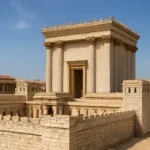
Second Temple Judaism era, culminating in the destruction of the Second Temple and the reverberating memory that shapes modern Jewish devotion at the Western Wall.
Early Islamic era, giving rise to the Dome of the Rock and Al-Aqsa as enduring symbols of faith and learning on the sacred site.
Crusader and Ottoman periods, which left an architectural palimpsest that visitors can still sense in the city’s churches, mosques, and fortifications.
British Mandate and modern statehood, during which Jerusalem’s holy places became a focal point of identity, diplomacy, and conflict resolution.
This timeline illustrates how Jerusalem’s sacred landscape has continually evolved while preserving its status as a holy site for diverse communities.
For Judaism, Jerusalem is deeply tied to the ancient Temples and the dream of a restored center for worship. The Western Wall stands as the closest surviving physical link to the ancient Holy of Holies. Jewish prayer, study, and life-cycle events often position this site as the most important public locus of devotion after millennia of longing and diaspora. The Temple Mount is revered in memory and aspiration, even as access to its most sacred sections remains a sensitive and regulated matter for various religious and political reasons.
Islam: A Substantial and Sanctified Space
In Islam, the Temple Mount is linked to the Isra and Mi’raj, a transformative night journey of the Prophet Muhammad. The Dome of the Rock and the Al-Aqsa Mosque symbolize a sacred collaboration of art, law, and devotion. The precinct is treated with reverence, and its guardianship is a topic of ongoing discussion, balancing worship, history, and sovereignty. For Muslims, this sacred site in Jerusalem represents not only architectural beauty but a living, liturgical space where prayers continue across centuries.
For Christians, the Church of the Holy Sepulchre is a central pilgrimage destination because it is associated with the events of Jesus’ crucifixion, burial, and resurrection. Churches, monasteries, and chapels across the city commemorate the Passion narrative in art and liturgy, reinforcing the idea that Jerusalem’s holy places are inseparable from the drama of faith, redemption, and human witness.
Conservation, Archaeology, and Preservation
Preservation of sacred heritage is a complex undertaking in a living city. The sacred landscape must be protected not only for its historical value but also for the daily spiritual life of residents and visitors. Archaeological projects reveal layers of occupation, ritual practices, and urban planning that illuminate how different communities understood the same space across time.
Architectural conservation of domes, mosaics, and stonework is essential to maintain the aesthetic and symbolic power of these sites.
Documentation of inscriptions, graffiti, and inscriptions contributes to scholarship and helps interpret multifaith significance.
Security and access policies are shaped by religious sensitivities and political realities, requiring careful cooperation among custodians, governmental bodies, and communities.
Educational programs and guided tours help visitors approach the sites respectfully, avoiding disruption of worship and ritual life.
Practical Guide for Visitors: How to Experience the Holy Site in Jerusalem Respectfully
Planning Your Visit: Hours, Access, and Etiquette
When planning a journey to Jerusalem’s sacred landmarks, check official schedules for each site, as times may change for religious holidays and special events. Dress modestly, covering shoulders and knees, and avoid loud behavior inside sanctuaries. Women’s head coverings may be appreciated in certain precincts, while men and women should follow posted guidelines in the Western Wall area and prayer halls.
In general, early mornings offer a quieter window to observe the holy site before the crowds arrive. For some travelers, late afternoon light on the stones provides a different ambiance that highlights architectural textures and inscriptions.
How to Move Between Sacred Spaces
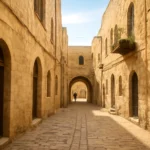
The Old City is walkable by foot, and its winding lanes offer opportunities for contemplation between sacred places. Public transportation, taxis, and guided tours can supplement the experience, especially for travelers who want context about the historical layering of the sites. When moving from the Jewish Quarter to the Christian Quarter or to the Muslim Quarter, be mindful of different norms and crowds that may form around major prayer times or processions.
Show respect for worshipers; keep voices low and avoid photography in restricted areas.
Remove hats in many indoor sanctuaries if requested, and dress modestly in all sacred spaces.
Seek permission before taking photographs of people praying or of sensitive rites.
Follow guidance from guards and custodians, and stay on designated paths when required.
Don’t:
Do not disrupt ceremonies or attempt to pose in sacred spaces during services.
Avoid touching objects that are considered sacred or closed to visitors.
Do not bring large bags into tight sanctuaries; security checks are common in the area.
Safety, Sensitivities, and Respectful Engagement
Jerusalem’s sacred spaces are also living communities where people worship, study, and carry out daily life. Visitors approach the holy site Jerusalem with gratitude and caution. The overlapping claims to the same hills require a patient, nuanced attitude. It is possible to appreciate the beauty of the architecture, the layers of history, and the sincerity of devotion without becoming part of political contention. The goal is to observe, learn, and reflect on the ways in which sacred spaces shape identity, memory, and peace-building.
One of the most meaningful aspects of visiting Jerusalem’s holy sites is witnessing how diverse communities honor the city’s sacred geography. Interfaith dialogues often emphasize shared values—beauty, justice, compassion—presenting a model for how ancient sites can inspire modern cooperation. Travelers can engage in conversations with guides, scholars, and local residents to understand how different faiths interpret the same stones, steps, and domes.
Archaeology as a Lens into Sacred History
Archaeological discoveries in and around the sacred precincts illuminate how urban development intersects with devotion. Excavations uncover inscriptions, altars, and structural remnants that reveal patterns of religious life and economic activity in ancient Jerusalem. For students and curious readers, these discoveries provide a bridge between myth, memory, and material culture—the tangible traces of the holy site across generations.
Recommended Itineraries for a Deep Dive into Jerusalem’s Sacred Landscape
Two-Day Pilgrimage Focus
Day 1: Start at the Western Wall in the morning, then walk through the Jewish Quarter to the Church of the Holy Sepulchre. Take time to visit nearby chapels and the Via Dolorosa, then cross into the Muslim Quarter to the Dome of the Rock and Al-Aqsa Mosque precincts, if access is permitted. End with a view from the Mount of Olives at sunset.
Day 2: Explore the Temple Mount precincts from the outside, then visit the Pool of Bethesda and the City of David for a broader historical context. Conclude with a contemplative walk through the Garden of Gethsemane and a quiet moment near the Church of All Nations.
Architectural and Artistic Focus
For those fascinated by art and design, allocate time to study the Dome of the Rock mosaics, the calligraphic inscriptions inside the Al-Aqsa Mosque, and the centuries of iconography in the Church of the Holy Sepulchre. Consider guided tours that emphasize architectural history, liturgical spaces, and the way sacred architecture encodes theological ideas.
The holy site Jerusalem is not a single monument but a living palimpsest of faiths, memories, and aspirations. Its sacred landscape offers a powerful invitation to study history, explore theology, and reflect on the responsibilities of stewardship in a city where every stone tells a story. Whether you come as a pilgrim, a student, or a curious traveler, you will encounter Jerusalem’s sacred landmark in a way that challenges simple summaries and rewards patient listening. The city remains a place where the past informs the present and where a respectful approach to sacred spaces can foster greater understanding among diverse communities.