Holy Sites in Israel: A Guide to Israel’s Sacred Places
Israel’s sacred landscape is a mosaic of faiths, histories, and cultures. From ancient hills in Jerusalem to the tranquil shores of the Sea of Galilee, the land hosts a remarkable collection of holy sites that draw pilgrims, students, and curious travelers alike. This guide explores holy places in Israel, sometimes called sacred sites in Israel, and explains their significance, the varied traditions that accompany them, and practical considerations for visiting. Whether you come seeking Jewish, Christian, or Muslim heritages, or you simply wish to understand how these Israel’s sacred sites shape the region’s identity, this article offers an overview and pointers for responsible travel.
Jerusalem: The sacred core of the Holy Land
No catalog of holy sites in Israel is complete without Jerusalem, a city that many faiths regard as a spiritual capital. Its sacred geography is layered with centuries of worship, conflict, and cultural exchange. In this section you will find some of the most revered holy places in Israel and an overview of what makes them pivotal.
The Temple Mount and Haram al-Sharif
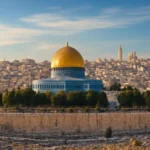
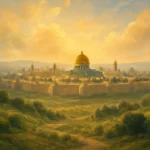
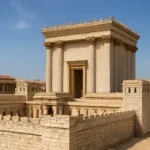
The complex known as the Temple Mount in Jewish tradition and as Haram al‑Sharif in the Islamic tradition is one of the world’s oldest measure of holiness. For Jews, the Temple Mount is the historical site of the ancient Jewish temples and a symbol of worship, while Muslims recognize it as home to the Noble Sanctuary and its iconic domed structures. Access is controlled and varies by schedule and policy, and visitors should be mindful of religious sensitivities and security arrangements. The site stands as a primary reference point for discussions of Israel’s sacred places and the ongoing interplay between faith, history, and politics.
The Western Wall
A remnant of the Second Temple complex, the Western Wall (the Wailing Wall) is revered by Jews as a place of daily prayer and intimate encounter with sacred space. People come to insert notes in the crevices, offer prayers, and reflect in a setting that has witnessed millennia of devotion. The Wall is part of the larger precinct that also invites interfaith curiosity, making it a focal point for understanding sacred geography in the city.
In the Christian world, the Church of the Holy Sepulchre is a central pilgrimage site, believed to enshrine both the site of the crucifixion and the tomb of Jesus. The church complex features multiple chapels, sanctuaries, and rites conducted by several Christian denominations, reflecting the shared reverence for Jerusalem’s sacred sites in Christianity as well as the region’s ecumenical history.
Mount of Olives and Gethsemane
The Mount of Olives offers sweeping views of the old city and is intertwined with biblical narratives. Nearby, Gethsemane is associated with prayer and contemplation in the Christian tradition. These sites are often visited by those seeking a sense of quiet reflection among ancient olive trees and sacred storytelling.
Just beyond the city’s walls lies Bethlehem, home to the Church of the Nativity, traditionally considered the birthplace of Jesus. For Christians around the world, this sacred place in Israel embodies the divine mystery of incarnation and the roots of Christmas observances. The site is deeply connected to the living communities and history of the West Bank.
Ma’arat HaMachpelah (Cave of the Patriarchs) in Hebron
Hebron hosts the ancient tombs of the patriarchs and matriarchs in the cave known as Ma’arat HaMachpelah. This is a site of reverence for Jews and Muslims alike, each tradition honoring the shared patriarchal narrative in a space that has witnessed continuity and change for many centuries.
Galilee and the sacred landscapes of the north
The Galilee region is a cradle of biblical memory and a living center for religious communities. Its landscapes, towns, and lakeshores host a diverse array of holy places in Israel that are meaningful to multiple faiths and historical periods.
Capernaum, Tabgha, and the Sermon on the Mount
The kibbutz and town around the Sea of Galilee area are linked to dramatic events in the Gospels. Capernaum is associated with Jesus’ ministry in Galilee, while Tabgha is linked to the multiplication of loaves and fishes. The Mount of the Beatitudes commemorates the sermon on the mount and offers a landscape that invites contemplation, reflection, and study of Christian biblical heritage.
The Church of the Annunciation in Nazareth
Nazareth’s Church of the Annunciation stands at a site long associated with Mary’s annunciation. This sacred place in Israel is a magnet for pilgrims of various Christian traditions who come to reflect on the inception of the Nativity narrative and the geography of early Christian communities.
River Jordan and baptismal sites
Several spots along the Jordan River are associated with biblical events of baptism and renewal. Areas around Yardenit are popular for baptisms and spiritual reflection, presenting an opportunity to connect with a rite that is central to Christian practice across many denominations.
Desert and wilderness sacred places
The Israeli landscape is not only about cities and sanctuaries; it also preserves places of deep historical and spiritual resonance in desert and wasteland environments. These sacred places in Israel highlight resilience, memory, and a sense of the ancient wandering that shapes religious imagination.
Masada
Masada stands as a symbol of Jewish resilience and a dramatic desert fortress built by Herod the Great. While it is an archaeological site, it also serves as a place of memory and pilgrimage for some who connect with the ancient story of the zealot fighters who stood against oppression. The cable car ascent and the panoramic views give visitors a sense of place that is both historical and inspirational.
The ruins at Qumran near the Dead Sea are famous for the discovery of the Dead Sea Scrolls, manuscripts that shed light on the religious life of the Second Temple period. This sacred archive offers scholars and travelers alike a window into the diverse religious currents that circulated in the ancient Near East.
Jericho and the Jordan Valley
One of the oldest continuously inhabited cities in the world, Jericho is linked to biblical narratives about early urban history and spiritual memory. The surrounding Jordan Valley holds sites of agricultural and religious significance that have shaped regional identities for thousands of years.
Ritual journeys and modern sacred experiences
For many travelers, encountering holy sites in Israel is not merely sightseeing but an opportunity to learn about traditions, rituals, and the reverence people bring to places believed to be chosen by history and divine presence. In Israel, pilgrimage routes span multiple faiths and generations, offering a chance to reflect on shared themes of devotion, hope, and peace.
Christian pilgrims often follow routes that traverse holy places in the Holy Land, tracing the events of the life of Jesus through Bethlehem, Nazareth, Galilee, and Jerusalem. Interfaith encounters in this region can illuminate how successive generations have encountered the same places with different spiritual languages and rituals.
For Jews, many sites across the landscape commemorate biblical narratives, ancient temples, and the enduring covenant with God. The experience of visiting Israel’s sacred places includes an encounter with Jewish liturgy, history, and the ongoing dialogue with memory as a living practice.
The Muslim sacred geography of Israel and Palestinian territories adds another layer to the concept of sacred sites in Israel. The Dome of the Rock, the Haram al-Sharif area, and other mosques significant to Islam contribute to a layered narrative of faith that coexists with other traditions in the same physical space.
Practical guidance for visiting sacred places in Israel
Visiting holy sites requires sensitivity and planning. Here are practical guidelines to help travelers engage responsibly with Israel’s sacred sites.
Dress modestly when visiting religious spaces. In many sites, shoulders and knees should be covered, and hats and sunglasses may be discouraged inside worship spaces.
Respect prayer times and the rhythms of the place. Some areas may restrict access during formal services or rituals.
Photography policies vary by site. In religious sanctuaries, ask permission before photographing worshippers or ceremonies.
Follow guide instructions and posted signs. Security procedures are common at sensitive locations and can change according to events and holidays.
Speak softly and maintain a respectful demeanor, especially in prayer halls and caves, tombs, and mosques.
Honor local customs and be mindful of the diversity of beliefs among visitors. Interfaith dialogue is a common feature of this region’s sacred public life.
Plan ahead for opening hours and closures during religious holidays, Shabbat, or political events. Many sites publish seasonal schedules and visitor requirements.
The timing of visits to Israel’s sacred sites can affect crowds, weather, and the atmosphere of the experience. Early mornings and late afternoons often offer cooler weather and thinner crowds, particularly in hot seasons. In Jerusalem, plan to stroll through the Old City at dawn or towards sunset to see the light striking its ancient stones. In desert sites like Masada, sunrise visits can be especially powerful, while the Galilee’s shores are pleasant year-round, with spring and autumn ideal for outdoor exploration.
Preservation, ethics, and the future of sacred spaces
The holy sites in Israel are not merely attractions; they are living spaces where history meets ongoing faith, memory, and civic life. The management of these places involves complex legal, religious, and cultural considerations. Responsible travel means understanding that these are not purely tourist venues but places of personal and communal meaning. This section highlights some core ethical considerations for visitors who want to honor the sanctity of sacred places in Israel.
Support conservation efforts that protect ancient stones, mosaics, scripts, and archives associated with these holy sites.
Acknowledge the diverse religious claims attached to each location and avoid actions that could be seen as provocative or disrespectful.
Learn about the historical context of each site to gain a deeper understanding of why it holds sacred significance for different communities.
Consider guided tours led by reputable organizations that emphasize education, respect, and cultural sensitivity.
Interfaith dialogue and the regional significance of sacred spaces
The narrative of holy sites in Israel is inherently interfaith and intercultural. Across centuries, people of Jewish, Christian, Muslim, and other faiths have prayed, studied, and debated within similar landscapes. This convergence has created a unique opportunity to foster dialogue about shared values—peace, memory, justice, and human dignity. By engaging with the sacred geography of this land with humility and curiosity, visitors can contribute to a broader understanding of how faith communities live together in one of the world’s most historically charged regions.
Stories behind the sacred places: what visitors learn
Beyond the architectural beauty and the religious rituals, Israel’s sacred sites offer stories about human courage, devotion, and longing. The following short reflections illustrate how different pilgrims encounter these places:
The Temple Mount/Haram al-Sharif embodies competing narratives of sovereignty, faith, and memory that shape contemporary politics as well as personal prayer.
The Western Wall invites a sense of immediacy—where whispered prayers are pressed into the stone, linking modern visitors with generations of worshippers who stood before the same wall.
The Church of the Holy Sepulchre captures questions about suffering, hope, and resurrection, while its many chapels reveal how diverse Christian traditions can coexist within a single sacred space.
In Nazareth and the Church of the Annunciation, visitors encounter the human scale of biblical narratives and the way place shapes memory and vocation.
At Masada, the stark beauty of the landscape becomes a metaphor for resilience, risk, and the endurance of a people’s story in the face of adversity.
The sacred places in Israel are not only monuments but living centers of memory and practice. They help explain how a land can be both a place of dispute and a place of shared heritage. This guide to holy sites in Israel has highlighted major locations, their spiritual significance, and practical considerations for respectful travel. By approaching these sacred landscapes with curiosity, patience, and reverence, visitors can gain a deeper appreciation for how faiths are kept alive in the modern world and how interfaith respect can illuminate pathways toward peace.
Glossary of key terms for readers of this guide
The following terms are frequently encountered when discussing holy sites in Israel and their broader religious, historical, and cultural contexts:
Temple Mount / Haram al-Sharif: A contested and sacred precinct with deep significance in Judaism and Islam.
Western Wall: A holy site of prayer and reflection in the Jewish tradition.
Church of the Holy Sepulchre: A core Christian pilgrimage site in Jerusalem.
Church of the Nativity: The traditional birthplace of Jesus in Bethlehem.
Ma’arat HaMachpelah (Cave of the Patriarchs): An ancient tomb site revered in Judaism and Islam.
Masada: A symbol of Jewish endurance in a desert fortress setting.
Qumran: The site nearby where the Dead Sea Scrolls were discovered.
Jordan River and Yardenit: Important sites for baptismal practices in Christian traditions.
Sea of Galilee region: A landscape of biblical significance with towns and churches tied to Jesus’ ministry.
For readers exploring holy sites in Israel, this guide aims to provide a balanced introduction to the main places of reverence, a sense of their historical layers, and practical guidance on respectful travel. The landscape is dynamic—religious authorities, political developments, and social changes can influence access and practices. Always check current visitor information before planning your trip and consider engaging with local guides who can offer nuanced insights into the diverse narratives that constitute Israel’s sacred places.