Experience Israel: A Practical Guide for Travelers
Israel offers a concentrated blend of ancient history, cutting‑edge cities, sacred landscapes, and astonishing natural beauty. Whether you come as a history buff, a foodie, an outdoor adventurer, or a curious traveler who wants to understand a modern society with deep roots, this guide is designed to help you craft a meaningful and practical journey. We’ll explore the different faces of experience Israel, from urban rhythms in Tel Aviv to contemplative moments in Jerusalem, from the mineral-rich waters of the Dead Sea to starry skies above the Negev. The aim is to help you plan efficiently, travel responsibly, and come away with a memorable impression of the country and its people—the diverse experiences that can be found in a relatively small geographic space.
Before You Arrive: Documentation, Planning, and Packing
Visas and Entry Requirements
For many travelers, entering Israel is straightforward, but it’s important to verify current conditions before you book. Entry rules can change, and some nationalities require a visa in advance or an intermediate step at a consulate. In practice, a number of visitors enjoy visa‑free stays for up to 90 days, while others obtain a visa on arrival or apply online. Always consult official sources such as your country’s Israeli Ministry of Foreign Affairs or your local embassy to confirm the latest requirements. A smooth start often hinges on having:
A valid passport with at least six months of validity remaining
Proof of onward travel or return flight
Accommodation details or an invitation letter if required
Health insurance that covers you abroad
When in doubt, plan ahead. If you carry any special documents (work permits, study letters, or medical necessity papers), keep digital copies and carry them in both your local language and English. This is part of experienced preparation for your Israeli adventure.
What to Pack
Israel’s climate ranges from Mediterranean coastal warmth to high desert heat, with mountains offering cooler air. Packing smartly helps you stay comfortable and save space in your luggage. Consider the following:
Comfortable walking shoes for ancient streets, markets, and nature trails
Light, breathable clothing for daytime; modest options for sacred sites
A lightweight jacket for evenings and higher elevations
Sun protection: hat, sunscreen, sunglasses
A refillable water bottle and a small daypack for day trips
Travel adapters and chargers (Israel uses Type C and Type H plugs)
Swimwear for beaches and the Dead Sea, plus a quick‑dry towel
Small first‑aid kit, medications, and copies of prescriptions
For historic or religious sites, bring clothes that cover shoulders and knees as a sign of respect in many places of worship. While street wear is common in Tel Aviv, you’ll be asked to dress more conservatively at certain sites in Jerusalem.
Money and Connectivity
Israel uses the Israeli new shekel (ILS). Credit cards are widely accepted in cities and many tourist spots, but it’s handy to carry a small amount of cash for markets, buses, or remote sites. A note on tipping: in busy services, a tip of 10–15% is customary if the service is good, though it’s not mandatory.
ATMs are abundant in cities, airports, and major routes
Consider a travel debit/credit card with no foreign transaction fees
Local SIM cards are affordable and widely available at airports and shops
For connectivity, you have options:
Buy a local SIM card (cellular provider options include Cellcom, Partner, and Pelephone)
Consider an eSIM for quick setup if your phone supports it
Rely on Wi‑Fi at hotels, cafes, and public spaces in urban areas
Staying connected can enhance your experience—maps, translations, and real‑time transit updates help you navigate efficiently as you explore Gear up for a multifaceted experience across the country.
Two cities, two distinct vibes, both essential to a complete experience Israel. Tel Aviv is the restless heart of modern Israel: beaches that glow at sunset, Bauhaus architecture, thriving nightlife, and a culinary scene that blends street food with refined dining. Jerusalem is a tapestry of sacred history and living culture, where ancient walls frame today’s debates, markets, and art. Together they illustrate the breadth of the country.
Tel Aviv highlights: the Medina or Carmel Market, the White City’s Bauhaus streets, Levinsky Market for spice and street food, the port city vibes of Jaffa, and the contemporary museums that drive a creative scene.
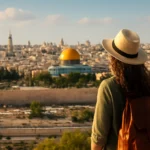
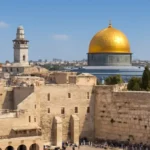
Jerusalem highlights: the Old City with its Holy Sepulchre, Western Wall, and the Temple Mount; the Temple Mount site is sensitive and access can change—consult local guides; Yad Vashem for Holocaust memory; Mt. of Olives vistas; Eins of nature in the Old City, and vibrant neighborhoods like Nachalat Binyamin and the Jewish Quarter’s markets.
In both cities, you’ll encounter a living culture that blends ancient faiths with modern life. Expect delicious coffee, street performances, and a spectrum of architectural styles that narrate centuries of change. For many travelers, a mix of guided tours and free exploration yields the richest experience Israel possible.
Nature and Wilderness: Dead Sea, Negev, Galilee
Beyond urban centers, Israel opens to dramatic landscapes where silence can feel almost magical. The Dead Sea’s buoyant waters and mineral mud offer a unique spa experience; the Negev Desert’s cratered expanses invite long hikes, and the Galilee’s green hills provide a serene counterpoint to the coast. These landscapes are a reminder of Israel’s geographic diversity and the outdoor possibilities that echo through a country with a compact size.
Dead Sea experiences: floatation in extremely salty water, mineral mud applications, sunrise or sunset viewpoints, and a chance to walk along ancient trade routes nearby.
Negev adventures: Machtesh Ramon crater, crater rim trails, desert flora, Bedouin hospitality, night skies rich with stars.
Galilee scenes: the Sea of Galilee (Kinneret) offers boat rides, sites associated with ancient towns, green valleys, and hiking in the Golan Heights for volcanic rock and panoramic views.
Each region invites different experiential goals: healing and relaxation around the Dead Sea, stark beauty and stargazing in the desert, or tranquil landscapes and religious history in the Galilee. Consider pairing these experiences with cultural stops for a well‑rounded journey that respects pace and comfort.
Religious and Historical Sites: Nazareth, Capernaum, Bethlehem (where accessible)
Israel’s landscape is inseparable from its history. Visiting sites tied to Judaism, Christianity, and Islam can be a powerful aspect of your trip. Some areas, such as Bethlehem and certain restricted border zones, require updated travel advisories and careful planning. When in doubt, join guided tours for safety and context. The goal of religious travel is not only to see places but to understand their meaning for locals and visitors alike.
In Jerusalem’s Old City, wander the ancient lanes, visit the Western Wall, and contemplate how faith, politics, and daily life intersect in a living city.
In Nazareth, explore the Basilica of the Annunciation and nearby markets that blend Muslim and Christian communities.
In Capernaum and the Galilean towns, discover the settings that shaped historical narratives and consider how archaeology guides modern understanding.
Foodie Trails and Markets
The culinary scene in Israel is a microcosm of its people—immigrant flavors, regional specialties, and a penchant for social dining. Food markets (shuks) are not only places to eat; they’re social hubs where stories are exchanged as easily as spices. From hummus and falafel to fresh pita, grilled halloumi, shakshuka, sabich, and farm‑to‑table produce, there is a taste for every season and mood.
Carmel Market in Tel Aviv and Mahane Yehuda Market in Jerusalem offer diverse stalls and prepared foods that showcase local produce and culinary innovation.
Consider a guided street‑food tour to sample iconic dishes in context and to hear stories behind family recipes.
Dining with locals or in family kitchens can deepen your experience Israel through hospitality and shared conversation.
Practical Travel Tips: Getting Around, Accommodations, Food, and Etiquette
Transportation
Israel’s transport network is comprehensive and traveler‑friendly, especially in urban centers and major routes. You’ll typically mix trains, buses, and rideshares or taxis to cover longer legs. Here’s a quick framework to plan your transit:
Intercity travel is well served by buses (Egged, Kavim, and others) and limited rail lines that connect major cities and tourist hubs. A rail pass can be useful for longer stays in urban settings.
In-city transport includes buses, light rail in Tel Aviv, and centralized taxi apps. Walking is often the best way to explore city centers and markets.
For day trips and desert excursions, consider joining a guided tour that handles transportation logistics and safety considerations.
If you plan to rent a car, be aware that driving is on the right side of the road. Roads in some desert regions can be long and sparsely populated, so plan fuel and water accordingly. Always park legally and follow local signage—some areas have restricted hours or permit requirements. While a car can provide flexibility, it’s not essential for most visitors who stay in cities and use day tours to access more remote landscapes.
Accommodations
Israel offers a broad spectrum of places to stay, from budget hostels and guesthouses to luxury hotels and desert lodges. Your choice will shape your daily rhythm and mood for your experience Israel journey.
Urban stays in Tel Aviv or Jerusalem let you explore by day and by night, with options ranging from boutique hotels to modern high‑rises.
Desert and nature lodges in the Negev provide a different pace—stargazing, quiet mornings, and easy access to crater rims or desert trails.
Consider staying in a mixed itinerary that includes a city focus and a more tranquil countryside base to balance exploration with rest.
Food and Etiquette
Food in Israel is as diverse as its people. Embrace the cultural exchange by trying local specialties and observing local customs. A few points to help you fit in respectfully:
In markets and street food stalls, you’ll often find communal seating. Try different dishes and share plates with companions to savor the spectrum of flavors.
At religious sites, dress modestly and remove hats; some sites require coverings or restrictions on photography. When in doubt, follow local guide instructions.
When dining with locals, tipping is appreciated but not always mandatory; a smile and appreciation can go a long way if service is included in the price.
Health, Safety, and Respect
Travelers should stay informed and prepared. Israel is generally safe for tourists, but you should remain mindful of the dynamic security context in certain areas. Practical steps include:
Register with your country’s travel advisory system if available; heed any local advisories or restrictions.
Carry vaccine records and basic medical information; know the location of the nearest hospital or clinic in your areas of travel.
Respect local customs, religious practices, and daily life. Noise, photography in sensitive locations, and public behavior may be subject to local norms that differ from your home country.
Seasonal and Thematic Experiences
Israel’s seasons influence what you’ll see and do. Spring brings blooms in the countryside and pleasant temperatures for hiking. Summer offers long days on beaches and lively street life, but it can be hot in desert regions; autumn often brings refreshed air and harvest flavors. Winter cools the north and hills, sometimes with rain, while the Dead Sea stays warm and inviting most of the year. Think of your trip as a sequence of seasonal experiences and adapt your itinerary to match weather, events, and personal energy levels.
Religious calendars shape schedules—Passover, Shavuot, Ramadan, Eid, and Christmas celebrations can influence opening hours and crowd patterns. Plan ahead for closures or special events.
Avoid traveling on peak holiday periods unless you’re drawn to crowds—the trade‑offs include longer lines but richer cultural experiences.
Desert bloom seasons in spring can be dramatic after rain; autumn is ideal for hiking and outdoor activities with milder warmth.
Day 1–2: Tel Aviv—Beaches, markets, and the White City’s architecture
Day 3–4: Jerusalem—Old City, Yad Vashem, Machane Yehuda Market
Day 5: Dead Sea day trip, with a spa mud experience and a float in mineral waters
Day 6–7: Northern scenery or a return to Tel Aviv for a final coastal evening
Option 2:10–12 Days Deep Dive
Days 1–3: Tel Aviv and Jaffa—food, nightlife, galleries
Days 4–5: Jerusalem—holy sites, museums, and markets
Days 6–7: Dead Sea and Masada
Days 8–9: Galilee region—Capernaum, Tiberias, and nature trails
Days 10–11: Negev desert—Ramon Crater, Mitzpe Ramon, and star gazing
Day 12: Eilat or return north for coastal relaxation
Option 3: Family or Solo Adventure
Balance city days with nature days for energy management
Include accessible trails, theme parks, and interactive museums
Choose guided tours for historical sites to enrich context and safety
Final Thoughts: Crafting Your Unique Experience Israel
To create a deeply personal experience Israel, blend structured plans with spontaneous discovery. Allow time for wandering through side streets, lingering at viewpoints, and conversation with locals. The country’s edges and centers—ancient stones and modern cafes, sacred rites and secular festivals—form a spectrum that rewards curiosity and respectful curiosity. Whether you arrive as a pilgrim, a student, a nature lover, or a gourmet traveler, you’ll discover that Israel’s landscape invites you to listen, taste, walk, and think in new ways.
Practical Considerations for a Smart Journey
Safety and Respectful Travel
Travelling with an informed mindset is part of a responsible itinerary. Here are some practical guidelines to keep in mind as you pursue a rich and respectful Israel experience:
Stay informed about current events and travel advisories in the areas you plan to visit.
Respect religious and cultural sites by dressing appropriately and asking before taking photographs where required.
Choose guided tours for historically sensitive sites. Local guides provide context and help you avoid missteps.
Be mindful of language—Hebrew and Arabic greetings carry different tones; simple phrases in local languages are appreciated.
Language and Communication
Many Israelis speak English, and you’ll find helpful signs and menus in English at major sites. Some basic phrases in Hebrew can enhance one’s experience and engagement:
Shalom (שלום) – Hello/peace
Bevakasha (בבקשה) – Please
Todah (תודה) – Thank you
HaYom, HaLev—these phrases connect you to daily life and add a layer of respect in interactions
A Snapshot of the Israel Experience: What to Expect
In summary, the journey through Israel offers a layered tapestry of experiences. You’ll ride sunrise in a modern city beside a night market that glows with colors. You’ll stand in a place where stones carry stories of millennia, and you’ll share a table with locals who embody hospitality and resilience. To maximize your experience Israel, plan around your interests but remain flexible enough to accept serendipity—the best travel moments often arrive when plans pause and curiosity takes the lead.
Closing Notes: Embracing Diversity in the Promised Land
Consider this guide a starting point for your own experience Israel. The country invites you to see it as a living museum and a contemporary society at once. By preparing thoughtfully, staying curious, and engaging with local culture and traditions, you’ll transform a trip into an education, a personal journey, and a collection of memories that stay with you long after you return home. Whether you’re drawn to the ancient streets of Jerusalem, the sunlit shores of Tel Aviv, or the rugged quiet of a desert dawn, your path through Israel will be a window into a culture defined by continuity, change, and an enduring sense of hospitality.