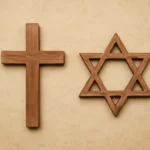
In Christian and Jewish thought, the term the Bible Sabbath refers to a divinely instituted day of rest and worship that appears in the Hebrew Bible and is developed in the New Testament and historical Christian practice. This article offers an informed overview of its meaning, its historical development, and practical guidance on how to observe the Sabbath today. By looking at both biblical text and centuries of interpretation, readers can gain a clearer sense of what a Sabbath rest can mean for faith, family life, and community today. The discussion uses a broad lens—recognizing variations in practice across Jewish, Messianic, and Christian communities—while highlighting the core themes that recur across time: rest, holiness, mercy, and worship.
The Bible Sabbath is commonly understood as a weekly day of rest designated by God for humanity. It is more than a calendar moment; it is a rhythm that shapes life around divine priority. In biblical terms, the Sabbath is
Rest from ordinary labor, acknowledging God as the provider and author of life.
Holy time set apart for reflection, worship, and relationship with God and neighbor.
Covenant memory—a sign of God’s relationship with his people, reminding them of deliverance and creation.
Across traditions, these aims are expressed with different emphases. In Jewish practice, the Sabbath emphasizes rest from work and the sanctification of time through ritual, prayer, and communal meals. In Christian circles, the Sabbath conversation has often focused on the tension between observing a specific day and honoring the broader biblical call to rest in Christ. Across both lines, rest, worship, and mercy are central: a Sabbath is not only about abstaining from labor but also about filling time with activities that build up faith and serve others.
Key terms often recur in discussions of the Sabbath: Shabbat (the Hebrew word for rest or ceasing), the Sabbath commandment, and phrases like sabbath-keeping or sabbath rest. These expressions point to a shared aim: to orient life toward God, to refuse the tyranny of constant work, and to cultivate community through shared worship and care for the vulnerable. The Bible presents the Sabbath as both a gift and a discipline—an invitation to slow down, listen, and re-center the soul in God’s presence.
Foundations in Scripture: Creation, Law, and Covenant
Creation and the pattern of rest
The earliest biblical account frames the Sabbath in the story of creation. After six days of creative work, God rests on the seventh day and blesses it as a recurring pattern for all humanity. This is not merely an anecdote about God’s rest; it is a model for human life. The creation narrative establishes a cadence: work punctuated by rest, labor balanced with reverence, and a call to imitate God’s own rest in a way that honors the Creator. For many readers, the Sabbath embodies a holistic rhythm—body, mind, and spirit all resting, worshipping, and reconnecting with God and others.
The Sabbath commandment in the Mosaic Law
When Israel receives the Ten Commandments, the Sabbath commandment appears as a concrete instruction: on the seventh day, the people must cease from labor. In Exodus 20:8-11, the command explicitly ties the stop-work requirement to creation and deliverance from Egypt: a weekly reminder of God’s creative power and saving acts. In Deuteronomy 5:12-15, the reason expands to memory of liberation: the Sabbath becomes a sign of freedom, a temporal antidote to oppression. In this sense, the Sabbath becomes more than personal piety; it is a social and cosmic statement about freedom, justice, and humane care for workers and strangers.
Alongside the command, the Mosaic law develops a broader framework of Sabbath observance, including the concept of a Sabbath year (shmita) and the Year of Jubilee (yovel) after seven cycles of the seven-year cycle. These cycles extend the Sabbath ethic to land, economy, and social order, inviting the land to rest and the community to rethink cycles of debt and release. The Bible thus presents the Sabbath not only as a weekly cadence but as a motif that informs family life, property, and social justice.
The Sabbath as a covenant sign
In several passages, the Sabbath is described as a sign of the covenant between God and Israel. It stands as a reminder of creation, redemption, and stewardship, a daily reminder that life itself is a gift from God. The Sabbath functioned as a visible marker that distinguished Israel among the nations because of the unique relationship to God expressed through worship, rest, and acts of mercy. In this sense, the Sabbath bears theological weight: it is not merely a rule but a theological symbol that expresses who God is and what God desires for humanity.
Historical development: from ancient Israel to the early Christian church
From Israel to the Jewish diaspora
Within ancient Israel, the Sabbath was integrated into a rich set of practices, laws, and rituals designed to guide daily life. Over time, rabbis and teachers expanded the Sabbath code to include a wide range of regulations intended to preserve the sanctity of the day. In the post-exilic and Second Temple periods, the Sabbath evolved into a distinct weekly festival in which the community gathered for rest, study, song, and prayer. The Sabbath also served as a communal response to exile and oppression: a day to remember who they were as a people and who God was for them. In Jewish communities worldwide, the Sabbath remains a weekly anchor, with rituals that are both ancient and living, including lighting candles, reciting blessing prayers, sharing meals, and refraining from common work activities.
Jesus and the Sabbath: controversies, healing, and clarity
In the New Testament, Jesus engages with Sabbath practices in several narratives. Rather than abolishing the Sabbath, Jesus often reframes it. He performs healings on the Sabbath and discusses the intention behind the law, emphasizing mercy and human need. The Gospel writers portray him as speaking about the Sabbath as made for people rather than as a rigid burden, and he attributes authority over the Sabbath to himself in some passages (for example, calling himself the lord of the Sabbath in some translations). These episodes highlight a tension within early Christian circles: should Sabbath keeping be retained as a distinct Jewish symbol, or should the community re-interpret it in light of Jesus’ resurrection and the rising prominence of Gentile communities? The texts point toward a shift in some circles toward a more flexible approach to Sabbath practice while maintaining its underlying aims—rest, worship, and mercy.
The early Church and the Lord’s Day
In the decades after Christ, many communities began gathering on the first day of the week—Sunday—to commemorate the resurrection. This shift, often referred to as the emergence of the Lord’s Day, reflects a growing conviction that Jesus’ victory over death opened a new dimension of rest and hope for believers. The New Testament contains references to early Christians meeting on the first day for communal worship and the breaking of bread (for example, Acts 20:7 and 1 Corinthians 16:2), though it does not present a single, universal mandate that replaces the Jewish Sabbath with Sunday observance. Over time, in various Christian traditions, Sunday worship became the normative weekly ritual, while some groups preserved Saturday Sabbath-keeping as a continuous practice rooted in biblical revelation. The result is a spectrum: some communities emphasize a strict Saturday Sabbath, others celebrate Sunday worship, and many hold a combined approach that honors both the continuation of ancient practice and the recognition of the risen Christ’s day.
Through the medieval period and into modern times, the Sabbath continued to shape religious life in many societies, influencing labor rules, social rest, and community rhythm. In some Christian traditions, the Sabbath commandment began to be understood as fulfilled in Christ, not as a binding requirement for all times, while in others, the day of worship remained a fixed, legally observed rhythm. In Jewish and Messianic contexts, the Sabbath has remained central as a weekly, covenantal sign—transcending generations and evolving within diaspora communities that bring new linguistic and cultural expressions to ancient practices. In contemporary times, Sabbatarian groups, reform movements, and ecumenical conversations have created a diverse landscape in which the Sabbath remains a living, dynamic practice. Across these developments, the core questions persist: How does the Sabbath shape one’s relationship with God? How does it affect one’s relationships with family, neighbors, and the vulnerable? And how can communities practice mercy, justice, and worship on this holy day?
How the Bible Sabbath is observed today across traditions
Observance in Judaism and in Messianic and Jewish-Christian communities
Shabbat worship remains a cornerstone of Jewish life and is often observed from Friday evening to Saturday evening. Typical elements include lighting the candles, reciting blessings over the family, sharing two or three festive meals, refraining from work, studying Torah, and gathering for synagogue services. In many communities, a Kiddush blessing over wine and a Havdalah ceremony at the end of Shabbat mark transitions between the sacred day and ordinary time. In Messianic Jewish settings, these practices are often combined with explicit acknowledgment of Jesus as the Messiah, seeking to harmonize Sabbath-keeping with beliefs about Christ. The Sabbath remains a communal and familial event—an opportunity to unplug from weekday pressures, to study scripture together, and to show hospitality to guests and the vulnerable.
Christian practices: Saturday Sabbath, Sunday worship, and beyond
In the Christian world, there are several streams of Sabbath practice. The tradition that identifies as Sabbath-keeping or Saturday worship emphasizes a complete rest from labor from Friday sunset to Saturday sunset, with worship centered on Scripture, prayer, and fellowship. The majority of mainstream Christian denominations emphasize Sunday worship, sometimes called the Lord’s Day, as their weekly day of worship in honor of the resurrection. Some churches teach a combined approach, encouraging regular personal rest and community worship while leaving room for cultural and occupational realities. Regardless of the day chosen for worship, the aim remains: to shape daily life around God’s presence, to practice generosity, and to cultivate spiritual growth through rest, prayer, and service. In many Christian communities today, the Sabbath is seen less as a regulation about ritual compliance and more as a rhythm of life that counters busyness and distractions, inviting the believer into companionship with God, family, and neighbors.
Practical guidelines for individuals and families
Across traditions, several practical practices help people translate the idea of the Bible Sabbath into daily life. Some guidelines include:
Preparation beforehand to minimize weekday tasks, reduce digital distractions, and set expectations with household members.
Worship as central: read Scripture, sing together, offer prayer, and attend or participate in worship gatherings when possible.
Rest in all its forms: sleep well, spend time in nature, avoid unnecessary labor, and cultivate a pace of life that respects limits.
Mercy and service: use the day to help those in need, visit the sick, or engage in acts of charity that embody the Sabbath’s justice dimension.
Family and community: share meals, teach children about spiritual values, and invite friends and neighbors to join in the day’s rest and reflection.
Study and contemplation: read Scripture, meditate on God’s character, and consider how faith applies to everyday concerns.
Boundaries with work: set clear limits on nonessential tasks, screens, and commerce, while remaining open to emergency or compassionate actions.
Plan and prepare on Friday or the day before. Create a simple schedule, prepare meals, lay out scriptures or devotional guides, and communicate boundaries to household members.
Start with blessing. Light a candle or offer a small blessing to mark the transition from ordinary time to holy time. This signals a shift in focus toward gratitude and worship.
Worship together. If possible, gather for a worship service or watch a trusted teaching. Read a Bible passage aloud, sing hymns or spiritual songs, and offer prayers of gratitude, confession, and intercession.
Share meals and hospitality. A common Sabbath practice is a festive meal that reinforces family bonds and welcomes guests. The meals themselves become acts of worship, a way to honor God’s provision and to care for others.
Rest and recreation. Resist the pressure to fill the day with chores. Rest can include quiet reading, nature walks, or time with family. Refrain from routine work that depletes energy and attention.
Study and reflection. Dedicated time for Scripture, reading spiritual books, or discussing faith with family and friends helps deepen understanding and resolve.
Mercy and service. Use part of the day to serve someone in need, volunteer, or perform small acts of kindness that align with Sabbath aims of justice and compassion.
Evening closing. End with a brief service of gratitude and a plan to carry Sabbath themes into the coming week. Some traditions end with a short prayer or a symbolic-binding moment such as Havdalah or a simple blessing over the family.
Sample Sabbath schedule
The following is a flexible template that can be adapted to individual or family needs. It emphasizes balance and spiritual formation rather than rigid rule-keeping:
Sunset start or morning start: Brief worship and blessing; read a short passage and sing a hymn.
Mid-morning: Family study or a devotional time; discuss a theme such as gratitude, service, or creation care.
Noon: Meal time with family or friends; a time to tell stories of faith and blessing.
Afternoon: Rest and recreation; optional community gathering or service project.
Evening: Closing prayers or a reflective walk; prepare for the week ahead with a simple plan and a gratitude list.
Common questions about the Bible Sabbath
Is the Sabbath strictly a Jewish practice?
While the Sabbath has its roots in the Jewish tradition, its biblical basis and spiritual aims extend beyond a single religion. Many Christians view the Sabbath as a divine invitation to rest in God and to worship, even as the day of observance diverges in various communities. For some, the Sabbath is primarily a theological principle about rest in God’s grace; for others, it remains a concrete weekly practice tied to a specific day. The central idea remains: the Sabbath is a gift intended to shape life toward God, neighbor, and creation.
What about work and emergencies?
The Bible Sabbath includes allowances for urgent or merciful work in the case of emergencies or essential services. The principle of mercy—to demonstrate care for those in need—can guide decisions on what constitutes an exception. In many communities, this is a key conversation: distinguishing between essential duties that protect life and property, and optional or elective work that might be deferred without harm.
How should communities address diverse needs within a family?
Families differ in their schedules, ages, and responsibilities. A compassionate approach recognizes these realities and seeks to preserve the Sabbath’s spirit rather than enforce a rigid schedule. Some families adopt a more flexible Sabbath model that still emphasizes rest, worship, and generosity, while others adhere to a stricter pattern. The aim is intentionality—to cultivate a cadence of time that centers God and strengthens relationships rather than adding stress or legalism.
Across historical eras and across traditions, the Sabbath remains a central conversation about how people live in the presence of God. The Sabbath is not merely a rule about time; it is a spiritual practice that forms character, shapes communities, and invites people into a deeper trust in God’s provision. Whether observed on Saturday, on Sunday, or in a hybrid pattern, the core aim remains consistent: to honor the God who created, redeemed, and sustains. The Bible Sabbath—whether described as Shabbat, the Sabbath, the Lord’s Day, or sabbath rest—invites believers to reorient life around rest, worship, and mercy, thereby bearing witness to God’s good design for the world.