How Does Jewish Religion Differ from Christianity? A Clear Comparison
Understanding the differences between Judaism and Christianity can illuminate how two closely related, historically intertwined traditions diverged in belief, practice, and interpretation. This article offers a clear, structured comparison that covers core beliefs, sacred texts, practices, and the ways each tradition understands salvation, law, and community life. It uses accessible language while preserving nuance, and it highlights the terms, ideas, and rituals that most often appear in discussions of how Jewish faith differs from Christian belief.
Foundations of Belief: God, Scripture, and Covenant
To address the question of how does Jewish religion differ from Christianity in its core beliefs, it helps to start with three pillars that shape both traditions: the nature of God, the role of scripture, and the understanding of covenant.
Judaism is rooted in strict monotheism. It declares that there is only one, indivisible God who is the creator and ruler of the universe. This God is eternal, incorporeal in the sense of not being part of the material world, and morally perfect. The central Jewish confession of faith, the Shema (“Hear, O Israel: the Lord our God, the Lord is one”), expresses the uncompromising unity of God. In Judaism, God is not understood as a composite or divided nature; the concept of a multiplicity of persons within God is not accepted.
Christianity, by contrast, presents a more complex understanding of God in most traditions, most notably the doctrine of the Trinity—the Father, the Son (Jesus), and the Holy Spirit as three persons in one divine essence. This notion of a triune God is a defining difference for many who compare Christian faith with Judaism. While Christian theologians insist that there is one God, they describe God as revealing Himself in three persons, a claim that Judaism rejects as incompatible with strict monotheism.
Scripture and Authority
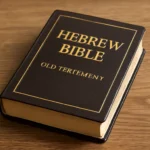
In Judaism, the foundational sacred texts are the Tanakh (Hebrew Bible) and, within that corpus, the Torah (the Five Books of Moses) as the primary literary and spiritual backbone. The Torah is accompanied by the broader scriptural and interpretive tradition found in the Prophets (Nevi’im) and the Writings (Ketuvim). Beyond the written scriptures, the rabbinic tradition—as captured in the Mishnah and the Talmud—offers ongoing analysis, discussion, and guidance for how to apply the Torah’s laws to daily life. Scripture and tradition together define how Jews understand God’s will and how it is lived out in community.
In Christianity, the Bible is the central sacred text, but the Christian canon differs from the Tanakh. The Old Testament corresponds largely to the Hebrew Bible, though the order, translation, and interpretive framing can differ across traditions. The New Testament—including the Gospels, the Acts of the Apostles, the Epistles, and the Book of Revelation—centers on the life, death, and resurrection of Jesus and on teachings about salvation, church life, and the coming kingdom of God. For many Christians, the Bible is complemented by the living authority of the church, its shepherds, creeds, and, in some denominations, tradition. Some traditions emphasize scripture alone (sola scriptura), while others emphasize scripture and tradition as authoritative sources for faith and practice.
Covenant and People
A key area of divergence within the broader question of how Judaism differs from Christianity concerns covenant—the sense in which God relates to a people and a path of living that follows God’s commands. In Judaism, the covenant is traditionally understood as a historic and ongoing relationship between God and the people of Israel, beginning with Abraham and culminating at Sinai through the giving of the Torah. Jewish identity is historically bound to that covenant, with circumcision as a sign of the covenant with Abraham and the ongoing obligation to observe the commandments (mitzvot) as an expression of fidelity to God and to the Jewish people.
In Christianity, many communities understand the covenant in more universal terms. Christians often describe the New Covenant ushered in by Jesus, who is believed to fulfill and complete the old covenant and to establish a new relationship between God and humanity. This new covenant is typically associated with faith in Jesus as the Messiah, acceptance of his sacrifice, and the promise of eternal life. While Judaism emphasizes national and ritual covenantal obligations tied to Jewish law, Christianity emphasizes a personal response to God’s grace, faith in Jesus, and participation in a community of believers.
Messiah, Atonement, and Eschatology
Understanding how does Jewish religion differ from Christianity also requires looking at beliefs about the Messiah, atonement, and the afterlife. These topics shape how each tradition envisions salvation, history, and the end of days.
Messiah and the End of Days
In Judaism, the Messiah (mashiach) is anticipated as a human leader—a descendent of King David—who will gather the Jewish exiles, restore the Temple in Jerusalem, and bring about an era of peace and knowledge of God. Importantly, Judaism does not view the Messiah as a divine figure who dies for humanity’s sins; rather, the Messiah is a human agent who will fulfill specific, concrete redemptive tasks. Some strands of Jewish thought emphasize ongoing messianic expectation without a single, universally agreed timetable.
In Christianity, Jesus is identified as the Messiah (the Christ) and is understood to be the divine Son of God who accomplishes salvation through his death and resurrection. Christians believe that Jesus’ earthly life fulfills Old Testament prophecies about the Messiah but interprets his mission as bringing spiritual reconciliation with God and the promise of eternal life. The concept of salvation and the culmination of history in the Second Coming are central to Christian eschatology.
Judaism emphasizes confession, repentance, and acts of repair (teshuvah) as the path to forgiveness. Atonement is achieved primarily through sincere repentance before God, prayer, charitable acts, and, in some cases, ritual observances and sacrifices historically tied to the Temple in Jerusalem. The Day of Atonement, Yom Kippur, stands as the holiest day for grappling with sins, seeking reconciliation with God, and making amends with others.
Christianity centers on the belief that Jesus’ atoning death provides the means for humanity’s forgiveness of sin. In many Christian traditions, salvation is offered as a gift of grace received through faith in Jesus, rather than earned solely by personal effort. The exact balance of faith and works, and the role of baptism and sacraments, varies among Christian denominations, but the theme of redemptive forgiveness through Jesus is a defining feature for most of Christianity.
Law, Ethics, and Religious Practice
Another axis of difference is how the two traditions approach law, ethics, ritual practice, and the rhythm of everyday life. Here we see distinct patterns in how adherents live out their beliefs and how communities structure their religious life.
Law and Commandments
Judaism places a heavy emphasis on halakhah—the body of Jewish law derived from the Torah, Mishnah, Talmud, and later rabbinic writings. Observance of the mitzvot (commandments) covers a wide range of life: ethical conduct, ritual purity, dietary laws (kashrut), Sabbath rest (Shabbat), family purity, charitable obligations, and more. Jewish life is often framed around how the law is applied in daily living, communal life, and personal behavior. The interpretation of law can vary by denomination (Orthodox, Conservative, Reform, and others), reflecting different attitudes toward tradition, modernity, and modern life.
Christianity also has moral and ethical guidelines, but the source and emphasis differ. Christian ethics draw on the New Testament, the teachings of Jesus, and the broader Christian tradition. In many denominations, faith in Jesus and the leadership of the church play central roles in guiding moral decisions. Some Christian groups emphasize faith as the primary means of righteousness, while others stress the importance of good works as a response to faith. The specific expectations around dietary laws, ritual purity, or Sabbath observance vary widely across Christian communities, and many do not impose the level of ritual law seen in traditional Judaism.
Key religious practices that illustrate these differences include:
Shabbat observance in Judaism as a weekly day of rest and worship, often involving lighting candles, prayers, and family meals; Christian communities may treat Sunday as a day of worship, but the exact rituals differ widely.
Kashrut (keeping kosher) in Judaism, guiding what foods are permissible and how they are prepared; Christianity generally does not mandate such dietary laws, though some groups maintain personal dietary practices.
Ritual purity concepts in Judaism, with ritual washings and purity rules; Christianity has different ideas about ritual cleanliness and sacramental mediation.
Worship Life and Liturgy
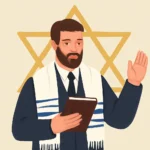
Judaism centers on synagogue worship, Torah study, and communal prayer. The rabbi serves as a teacher and guide, not a mediator between God and people in the same sense as the Catholic priesthood. Liturgy varies by tradition, but common elements include weekday and Shabbat services, readings from the Torah, and the recitation of prayers such as the Shema and the Amidah.
Christianity emphasizes worship in churches, with liturgies that often center on preaching, prayer, and sacraments. In many traditions, priests, pastors, bishops, and deacons perform sacramental rites such as baptism and the Eucharist (Communion). The style of worship ranges from highly structured liturgies in Catholic and Orthodox churches to more informal services in many Protestant churches. The role of a sacred leader as a mediator or intercessor can be a distinguishing feature between branches of Christianity and different from the rabbinic leadership in Judaism.
These differences in worship reflect broader theological assumptions about how God is encountered and connected to in community life.
Historical Development and Key Divergences
Historical context helps explain why Judaism and Christianity evolved into distinct religions with their own identities and practices. Understanding their shared roots and later divergences clarifies how the two faiths differ in their self-understanding and in their relationship to tradition and scripture.
Both Judaism and Christianity originate in the ancient Near East within the milieu of Second Temple Judaism. Early Christians emerged from Jewish communities, recognizing Jesus as a Jewish teacher and belief as part of a revitalized Jewish movement. The differences emerged as followers began to interpret Jesus’ life, death, and resurrection in ways that claimed a new sense of salvation history, the authority of Jesus, and the relevance of his message for both Jews and Gentiles. Over the first few centuries, theological debates regarding the identity of Jesus, the nature of God, and the authority of scripture led to distinct ecclesial communities and formal doctrinal statements.
The Temple, its Destruction, and Identity Formation
The destruction of the Second Temple in 70 CE profoundly affected Jewish religious life, leading to a shift toward Rabbinic authority, Torah study, and synagogue-centered worship. Judaism’s post-Temple evolution centered on law, study, and communal life without a centralized temple ritual. Christianity, meanwhile, gradually formed a predominantly Gentile church with a growing emphasis on Christ as mediator and Savior, a move away from temple-centered sacrifice to a faith centered on belief in Jesus and, in many communities, baptism and communion as core rites.
Doctrinal Fault Lines
Over centuries, debates about the nature of Jesus, the Trinity, the role of the law, and the authority of tradition created clear doctrinal lines. The Christian claim of Jesus as divine and as the savior who accomplishes atonement through his death on the cross is the most visible theological divergence from Judaism. While Christians see Jesus as the fulfillment of prophecies and the agent of salvation, Judaism continues to await the Messiah and emphasizes adherence to the covenantal law as the central path to righteousness.
Ethical Life, Community, and the Common Ground
Despite these differences, Judaism and Christianity share many ethical commitments and moral concerns. They draw on common moral wells—respect for human dignity, care for the vulnerable, acts of justice, and concern for communal welfare. The conversation between these two traditions often centers on how they apply shared values in different theological frameworks and historical contexts.
Common Moral Endeavors
Both traditions stress the importance of justice, charity, and compassion. The Jewish concept of tikkun olam (repairing the world) and Christian calls to love one’s neighbor, care for the poor, and seek peace reflect overlapping ethical commitments. In practice, both communities engage in social service, advocacy for the vulnerable, and guidance on ethical issues in modern life, including responses to poverty, immigration, and human rights.
Shared People and Shared Histories
Both traditions trace ancestry to the patriarchs of the Hebrew Bible and share many stories, rituals, and values that have shaped Western moral imagination. Acknowledging shared roots can foster respectful dialogue, mutual understanding, and cooperation in areas such as education, humanitarian work, and interfaith dialogue.
Practice, Identity, and Community Life
How does Jewish religion differ from Christianity in the way communities practice faith, form identity, and organize religious life? The differences are seen in ritual life, sacred calendars, and the roles of religious leaders, while the similarities point to a long history of interaction and influence.
In Judaism, places of worship are primarily synagogues, where communal prayer, Torah study, and life-cycle events take place. The rabbi provides teaching and spiritual leadership but does not act as a mediator between God and individuals in the same way as priests in some Christian traditions. Ritual life is deeply tied to the calendar and to the commandments, with seasonal festivals such as Passover, Rosh Hashanah, Yom Kippur, Sukkot, and others shaping yearly rhythms of worship and family life.
In Christianity, worship is often held in churches or chapels, with a liturgical or non-liturgical format depending on tradition. The clergy—priests, pastors, bishops, deacons—play different roles in sacraments, preaching, and pastoral care. Celebrations such as Easter and Christmas anchor the liturgical year and mark central beliefs about Jesus’ life and work. Sacraments like baptism and the Eucharist (Communion) are central in many denominations, serving as outward signs of inward grace for believers.
Calendar and Holidays
The Jewish calendar is anchored in seasonal and lunar observations, with holidays that include Shabbat weekly, and annual feasts such as Passover ( commemorating liberation from Egypt), Shavuot (receiving the Torah), Rosh Hashanah (New Year), Yom Kippur (Day of Atonement), and Sukkot (Feast of Booths).
By contrast, the Christian calendar often centers on the life of Jesus and the church calendar, with major feasts like Advent, Christmas, Lent, Easter, and Pentecost. While both calendars celebrate sacred time, the events highlighted and the theological emphasis associated with them differ, reflecting divergent understandings of salvation, covenant, and divine history.
Intersections and Dialogue: Why Differences Matter
Understanding how does Jewish religion differ from Christianity also means recognizing areas of shared heritage and potential for constructive dialogue. Both traditions value learning, ethical living, and a sense of communal responsibility. They converge on the importance of justice, compassion, memory, and the dignity of every person. At the same time, differences in doctrine, ritual practice, and the way each tradition frames salvation and divine revelation shape distinct paths for believers and communities.
Constructive Interfaith Engagement
Exploring shared narratives and ethical commitments can strengthen mutual respect and collaboration on social justice, education, and humanitarian projects.
Open dialogue about doctrinal differences—such as the divine nature of Jesus, the Trinity, and the New Covenant—helps prevent miscommunication and fosters understanding.
Educational programs that teach both traditions about their histories, rituals, and beliefs can reduce misconceptions and promote peaceful coexistence.
Common Misconceptions and Clarifications
There are several common misunderstandings about the relationship between Judaism and Christianity. Clarifying these helps illuminate the real differences and the real connections:
Misconception: Christians believe in the God of Judaism. Clarification: While Christians also worship the God of Israel, Christian doctrine asserts concepts (like the Trinity and the divinity of Jesus) that Judaism does not accept.
Misconception: Judaism rejects Jesus as a historical figure. Clarification: Jews may recognize Jesus as a historical figure or teacher, but he is not recognized as the Messiah or as divine in Judaism.
Misconception: The two faiths have no shared scriptures. Clarification: They share much of the Hebrew Bible, though the Christian canon includes the New Testament, which Judaism does not accept.
Misconception: Judaism focuses only on this world; Christianity focuses only on the afterlife. Clarification: Both traditions emphasize ethical living in this world and belief about life beyond, but they articulate those beliefs in different ways.
Glossary of Key Terms
To help readers navigate the discussion of how does Jewish religion differ from Christianity, here is a quick glossary of essential terms:
Torah — The first five books of the Tanakh; central to Jewish law and identity.
Tanakh — The Hebrew Bible, comprising the Torah, Nevi’im (Prophets), and Ketuvim (Writings).
Talmud — A vast collection of rabbinic discussions and commentaries on the Torah and Jewish law.
Halakhah — Jewish law derived from the Torah and rabbinic interpretation.
Messiah — In Judaism, a future human leader who will bring redemption; in Christianity, the divine Son, Jesus, who accomplishes salvation.
Eucharist / Communion — A Christian sacrament commemorating Jesus’ last supper, central in many congregations.
Peshat (in Rabbinic study) — The simple or plain meaning of a text, contrasted with deeper or allegorical interpretations.
Gospel — The accounts of Jesus’ life and teachings in the New Testament.
Yom Kippur — The Day of Atonement, the holiest day in Judaism for repentance and reconciliation with God.
Shabbat — The weekly day of rest and worship in Judaism.
Trinity — The Christian doctrine of one God in three persons (Father, Son, Holy Spirit).
Conclusion: A Structured Perspective on Difference and Dialogue
The question how does Jewish religion differ from Christianity is best answered by looking at the lenses each tradition uses to interpret God, the world, and the human vocation. Judaism centers on a covenantal relationship with a singular, indivisible God, the enduring authority of the Torah, and a life shaped by law, study, and ritual that binds a community to its historical and ongoing obligations. Christianity centers on the person and work of Jesus as the Messiah and Savior, the New Covenant proclaimed in the New Testament, and a faith framework in which grace, faith, and community worship play decisive roles in salvation and daily living. Both traditions affirm a shared moral impulse toward justice, compassion, and care for the vulnerable, and both have shaped countless lives and cultures across centuries.
For readers seeking clarity, this overview highlights the core distinctions while also acknowledging the common spiritual ground that informs respectful interfaith dialogue. If you are exploring this topic for personal study, academic interest, or interfaith engagement, consider engaging primary sources, attending diverse worship services with an open heart, and seeking guidance from knowledgeable leaders in both communities. The conversation between Judaism and Christianity remains a meaningful site of learning about faith, identity, and humanity.