Chabad Shabbat Times NYC: Your Complete Shabbat Schedule for New York City
In a city as vibrant and diverse as New York, the Shabbat schedule can feel complex at first glance. Yet for many homes and Chabad centers across the five boroughs, the rhythm of Shabbat follows a predictable pattern that blends tradition with local nuance. This article offers a comprehensive guide to the Chabad Shabbat Times NYC, also known as the Shabbat calendar for New York City, and explains how to read, verify, and apply these times in everyday life. Whether you are visiting a Chabad house for Shabbat meals, hosting guests, or planning a weekend in the city, understanding the schedule will help you participate with confidence and joy.
Throughout New York City, countless Chabad houses and synagogues publish Shabbat schedules tailored to their neighborhood. The underlying framework is the same in every case: Shabbat begins with candle lighting and ends with Havdalah, with several annual milestones and seasonal shifts that influence the precise minutes. By learning the terminology, knowing where to look for a reliable timetable, and understanding how to read the data, you can synchronize your plans with the city’s unique Jewish calendar—whether you are in Manhattan, Brooklyn, Queens, the Bronx, or Staten Island.
Understanding the core elements of Shabbat timing
To confidently navigate the Shabbat schedule in NYC, it helps to know the main terms and their practical meaning. The times are anchored to the sun and the lunar calendar, but the customs surrounding when to light candles, when Shabbat begins, and when it ends can vary by community.
Candle lighting and Shabbat start
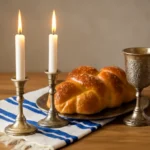
The act of welcoming Shabbat usually begins with candle lighting 18 minutes before sunset in many communities, though some families light earlier. In NYC, this window shifts with the seasons as the sun’s schedule changes. The important idea is that candle lighting signals the onset of Shabbat for those traditions that honor this practice, and it marks the moment when many families stop their weekday activities and prepare for rest, meals, and prayer.
In practical terms, when you see a Shabbat times page listing “candle lighting,” you should treat that as the moment your household begins Shabbat according to customary practice in that community—whether you personally light before or exactly at that time. If you follow a different custom, you can still use the published time as a reliable reference point, and adjust as your family tradition dictates.
Shabbat start and end times: shkiah, tzeit hakochavim, and havdalah
Two key moments bracket Shabbat in every community: the start, often marked by candle lighting, and the end, which is marked by Havdalah. In halachic terms, Shabbat traditionally begins at sunset or when candle lighting occurs, and ends when three stars appear in the sky, known as tzais hakochavim (nightfall), followed by Havdalah. In practice, many NYC families observe Havdalah a set amount of time after sunset, a practice that can range from about 40 minutes to an hour, depending on tradition and time of year. When you consult a Shabbat timetable, you will often see times given for shkiah (sunset), tzais hakochavim, and havdalah, with approximate intervals between them.
The exact interval between sunset and tzais varies across the seasons. In the winter, the gap can be shorter because the sky darkens earlier; in the summer, the window is longer because the night falls later. Chabad communities in NYC typically provide these three benchmarks to help households plan meals, services, and travel, while allowing for personal customs and synagogue rules.
Other key concepts: plag hamincha and mincha schedules
For those who wish to participate in daily services or to prepare for Shabbat prayers, it is useful to know the concept of plag hamincha, the one-and-a-half hours before sunset during which some communities begin to prepare for Shabbat. The mincha prayers occur in the late afternoon and are relevant not only for Shabbat but for the Shabbat-eve preparations as well. While these details may seem technical, they matter for travelers, students, and people managing work schedules in the city, ensuring a smooth transition from weekday to Shabbat.
Where to find accurate Shabbat times in New York City
New York City houses a large ecosystem of Jewish communities, and there is no single universal website that covers every block. Instead, you will want to consult a few dependable sources to build a precise Shabbat plan tailored to your location and date. Here are the most reliable avenues for obtaining Chabad Shabbat Times NYC and related schedules.
Chabad.org has a robust database of Shabbat times by city and neighborhood. For NYC, you can search by borough or neighborhood and see candle lighting, shkiah, tzais, and havdalah for specific dates. This is a go-to resource for many Chabad houses across the city and beyond.
Local Chabad houses and synagogues publish weekly and seasonal calendars on their own websites. In NYC, you’ll encounter a mix of well-known centers and small, community-based chapters that provide times for Friday night and Saturday morning services, as well as meals and programs.
Hebrew calendar apps and websites offer Shabbat times as part of overall Jewish calendar features. Apps and websites like CalJ, MyZmanim, and others routinely pull data from authoritative Jewish halachic sources and convert them to local time zones.
New York Jewish press and community bulletins often publish seasonal calendars, including school break schedules and special Shabbatot (like Shabbatot reading of the weekly parsha that coincide with holidays).
When you plan a visit or a stay in NYC, it’s a good habit to cross-check a primary source like Chabad.org with a local center’s page. That way you confirm the exact minutes for candle lighting and Havdalah, which can vary by date and neighborhood. If you are visiting multiple neighborhoods (for example, Brooklyn and Manhattan during a weekend), you might find distinct times due to their different city orientations and community customs.
How to integrate Shabbat times with daily life in NYC
New York is a fast-paced city, and even dedicated Shabbat observers juggle work, transit, and family obligations. The practical approach is to always have a plan for the Friday afternoon window, so you are ready to transition without stress. Here are practical steps to integrate the times you find with your real-life schedule:
Check the candle lighting time first, then plan your departure times to get home or to the synagogue before it begins.
Note the Shabbat end time or Havdalah time so you know when you can resume weekday activities, especially if you have late-night plans or travel plans after Shabbat ends.
Account for travel and security in a large city, where trains and buses may have different frequencies on Friday afternoon. Build in extra buffer time around candle lighting and Havdalah.
Plan meals and guest arrivals around the times published by your local Chabad center or home community. If you are hosting, alignment with the community schedule makes coordination easier for guests who arrive from various neighborhoods.
How to read a typical NYC Shabbat timetable
A well-constructed Shabbat timetable for New York City will usually present several time markers: candle lighting, shkiah (sunset), tzais hakochavim (nightfall), and havdalah. In some cases, you will also see Plag Hamincha and mincha times listed for those who want to begin Shabbat preparations or join prayers before Shabbat begins. Below is a practical guide to reading these timetables and how to use them in everyday planning.
Interpreting candle lighting and Shabbat start
On the timetable, “candle lighting” is the moment when households begin Shabbat according to common practice in the area. If your family lights earlier or later than the published candle lighting time, you should adjust accordingly. The key is to be consistent with your family’s customs while using the published candle lighting as a helpful baseline for planning meals, parking, and synagogue attendance.
Interpreting sunset, tzais hakochavim, and havdalah
Most Shabbat schedules provide sunset as a fixed marker, but the end-of-Shabbat times depend on when three stars appear—tzais hakochavim. Havdalah is typically scheduled after tzais by a standard buffer (which may be 40–90 minutes in NYC, depending on the season and community). Read the timetable’s Havdalah time as your practical end of Shabbat. If you attend a specific synagogue with a particular Havdalah practice, you may prefer that center’s time for a precise end-of-Shabbat moment.
Seasonal adjustments you can expect
In New York City, days are longest in late spring and early summer, and shortest in late fall and winter. The candle lighting time tends to advance earlier in winter and later in summer. Shabbat end times follow the same seasonal pattern, with Havdalah occurring later in the evening as daylight lasts longer. By understanding this seasonal rhythm, you can plan meals, Torah study, and family time more effectively, even as you travel between boroughs with different neighborhood customs.
Seasonal snapshots: what NYC Shabbat times look like across the year
To illustrate how timing shifts throughout the year, here are broad, representative patterns you may encounter in NYC. Remember: exact minutes are date- and location-specific, so always verify with a current timetable.
Winter (December–February): Candle lighting often occurs in the early to mid-evening, roughly around 4:00–5:00 pm, depending on the date and neighborhood. Sunset may be around 4:40–5:15 pm, and tzais hakochavim could fall around 5:15–6:15 pm. Havdalah usually happens about 40–60 minutes after sunset.
Spring (March–May): As days lengthen, candle lighting shifts later, perhaps around 6:00–7:30 pm in March and into the 8:00–9:00 pm zone by late May. Sunset follows a similar push later, and Havdalah moves correspondingly later.
Summer (June–August): The city experiences its latest candle lighting times, often around 8:30–9:30 pm or later in peak-season neighborhoods, with twilight lingering. Havdalah may occur after 9:30 pm to 11:00 pm depending on the specific date and community custom.
Autumn (September–November): Times begin to shift back toward earlier windows as days shorten. Candle lighting might land in the 6:30–8:00 pm range in September, moving earlier through October and November.
For NYC residents and visitors, these seasonal patterns help structure plans for Friday-night meals, Saturday-day learning sessions, and the occasional late-night or early-morning Shabbat program. When you combine the seasonal rhythm with neighborhood-specific customs, you gain a practical, flexible approach to Shabbat in a big city.
Neighborhood notes: how Shabbat times differ across NYC
New York City isn’t a monolith when it comes to Shabbat observance. Different neighborhoods and Chabad houses maintain their own calendars in accordance with the community’s traditions and the practicalities of daily life in that area. Here are some general considerations to keep in mind when planning a Shabbat in NYC.
In areas like the Upper West Side, the Upper East Side, and sections of Midtown, you often see a strong emphasis on timely candle lighting and early Friday evening programming due to commuting patterns and crowd density. The Chabad shuls and centers in these districts frequently publish a robust Friday schedule with multiple options for services, meals, and study sessions. If you are staying in a hotel or apartment in these zones, check the specific center’s timetable to align your plans with the nearest community calendar.
Brooklyn and Queens: a broader mosaic
Brooklyn (including Crown Heights, Borough Park, Flatbush, and Century Village) and parts of Queens offer a diverse array of Shabbat experiences, from family-oriented meals to more formal services. Because these neighborhoods host a large number of Chabad houses, you may find variation even within a few miles. The core idea remains the same: plan around candle lighting, Shabbat start, and Havdalah, but follow your chosen community’s specifics for best alignment.
South Bronx, the Bronx, and Staten Island
In these boroughs and areas, Shabbat scheduling often reflects local centers serving students, families, and mixed commuter populations. The published times are generally reliable, but you may want to double-check if you are traveling or staying in a less central chabad house. The advantage of these communities is often a more intimate, homey atmosphere that makes Shabbat planning straightforward and meaningful.
Practical steps to plan a Shabbat in New York City
Planning Shabbat in NYC doesn’t have to be overwhelming. With a simple set of steps, you can coordinate activities, meals, and travel, ensuring you impact your Shabbat with intention and joy. Here is a practical framework you can adopt.
Identify your base neighborhood and locate the nearest reliable Shabbat timetable. If you’re staying in a hotel, contact the front desk or a local Chabad center for guidance and printed schedules.
Check candle lighting and Havdalah times for the specific date and neighborhood. If you are traveling on Friday, verify the arrival deadline to ensure you arrive home before candle lighting.
Plan your Friday afternoon around the candle lighting window. If you intend to participate in a Chabad meal or service, map the travel route and transport options to avoid last-minute rush.
Prepare for Shabbat ahead of time with necessities such as food, a mezuzah, prayer books, and any personal prayer items you might need for services.
Coordinate guest arrivals with your hosts’ timetable. If you are a guest, communicate your intended arrival time to fit within the community’s schedule.
Carry a backup plan for weather or transit delays. NYC’s public transit can experience disruptions on Fridays; a little flexibility goes a long way.
These steps work well for any traveler, student, or resident navigating the bustling calendar of a metropolis. By anchoring your plan to the published times and then adding a cushion for transit, you can enjoy Shabbat with less friction and more focus on the spiritual aspects of the experience.
Tools and tips for staying connected to Shabbat times in NYC
Technology can be a helpful ally in keeping your Shabbat schedule in sync with city life. Here are some practical tools and tips you can use to stay informed, organized, and respectful of Shabbat boundaries in a busy urban environment.
Calendar integration: Many Shabbat timetables offer iCal or Google Calendar feeds. Subscribing to these can keep your phone or desktop updated with the latest candle lighting and Havdalah times for your chosen borough.
Mobile apps: Apps that provide Jewish calendar features often include Shabbat times by city. Look for apps that let you set your location to NYC boroughs for precise data, and that allow notifications for Friday planning.
Local announcements: Sign up for email newsletters or follow your local Chabad center on social media. Centers frequently publish seasonal calendars, special Shabbat announcements, and last-minute changes due to holidays or events.
Printed guides: While digital tools are convenient, a small printed schedule from a nearby Chabad house can be a reliable backup in case of connectivity issues while you are out and about in the city.
A note on accuracy and reliability
Because Shabbat times depend on precise astronomical data and local customs, it is wise to cross-check multiple sources when planning a major event—such as a Friday night meal for guests visiting from multiple neighborhoods. If you are coordinating with a host or a hotel, ask for the center’s preferred timetable and confirm any exceptions that might apply to that particular Friday or Shabbat. In NYC, a combination of Chabad.org data, local center calendars, and the city’s own seasonal patterns usually yields an accurate picture for any given date.
Frequently asked questions about Chabad Shabbat Times NYC
What is the best source for NYC Shabbat times?
For most people, the best approach is to consult both a national resource such as Chabad.org and the specific Brooklyn, Manhattan, or Queens Chabad house where you plan to participate. This two-pronged approach ensures you capture the general framework and the local nuances of your exact location.
Do Shabbat times in NYC vary a lot by neighborhood?
Yes. While the fundamental halachic concepts remain the same, candle lighting, Shabbat start, and Havdalah times can vary by neighborhood due to differences in time zone use, population density, and local tradition. It is common to find several minutes to a few dozen minutes of variation between neighboring communities, so always rely on the local timetable for the most precise data in a given week.
How early should I plan to arrive for Friday night services?
In NYC, many people arrive 10–30 minutes before the start of services. If you are visiting a specific Chabad house, check their posted service times and plan to arrive a bit early to greet friends, settle in, and participate in pre-service singing or inspirational talks. If you’re hosting guests, consider giving them a recommended arrival window that aligns with the center’s candle lighting and service schedule.
What about last-minute changes or holidays?
Shabbat calendars in NYC sometimes adjust around holidays, special Shabbatot, or community-wide events. Always verify that week’s times on the official center page or trusted calendar service. If you are traveling on busy weekends, you may encounter additional programs or alternate service times—checking in advance avoids confusion on Friday evening or Saturday afternoon.
Conclusion: embracing the NYC Shabbat rhythm
With a reliable understanding of the essential timing concepts and a plan for where to obtain accurate data, you can embrace the Shabbat experience in New York City with confidence. The city’s many Chabad centers provide an expansive spectrum of opportunities to observe Shabbat—whether you prefer intimate home gatherings, formal services, or study sessions that feature a Torah portion, a Hasidic interpretation, or modern commentary.
Remember to adapt the guidance to your family’s customs, to the neighborhood you are in, and to the specific date. The fundamental idea behind the Chabad Shabbat Times NYC framework is consistency, community, and connection: candle lighting as the spark that begins Shabbat, meaningful prayer and meals that fill the hours, and Havdalah that marks the return to the weekday week with a sense of renewal. By staying informed and preparing in advance, you transform a big city into a welcoming environment for observing Shabbat with intention and joy.
Whether you are a resident of the city, a student in a yeshiva, or a visitor exploring the breadth of NYC’s Jewish life, the Shabbat timetable is your map. Use it to enjoy familiar rituals, invite new friends to your table, and discover the unique flavor of Shabbat in each neighborhood. The city’s vibrant tapestry of centers, houses, and communities invites you to partake in a tradition that has endured for generations—and to experience it in a setting that is distinctly New York.