Celebrating Yom Kippur: Traditions, Meaning, and Observances
Yom Kippur, often translated as the Day of Atonement, stands as the pinnacle of the Jewish year. It is not a celebration in the sense of festive feasting, but a profound moment of self-scrutiny, communal prayer, and solemn commitment to change. Across generations and cultures, communities mark this sacred day with similar overarching goals: to seek forgiveness, to reconcile with others, and to renew one’s relationship with God. This article explores the meaning behind Yom Kippur, the traditions that shape its observances, and practical guidance for both longtime practitioners and first-time visitors. Whether you refer to it as observing Yom Kippur, celebrating Yom Kippur, or marking Yom Kippur, the essence remains the same: a focused interlude of reflection and renewal.
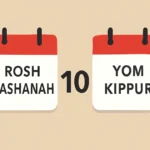
At its heart, Yom Kippur is about reconciliation—reconciliation with God and with one’s neighbors. The day follows the period of introspection that culminates in the High Holy Days, beginning with Rosh Hashanah, the Jewish New Year. The themes of repentance and forgiveness are not merely personal; they are communal, shaping how individuals relate to family, friends, and the broader society. In many communities, the day is observed as a time to pause work, step back from routine, and immerse oneself in prayer, study, and acts of charity. The word teshuvah (often translated as repentance) captures this process: turning back toward one’s ideals, repairing harm, and committing to meaningful change in the year ahead.
Different Jewish denominations and communities may emphasize particular practices, but the overarching aim is shared: to purify the heart, restore ethical balance, and reaffirm commitments to compassion, justice, and humility. In practice, that means that a Yom Kippur experience can look different from one community to another, yet all versions center on deliberate self-examination and spiritual renewal. The mood is penitential, but the outcome aspires toward hope—an opportunity to begin again with renewed integrity and responsibility.
Preparing for Yom Kippur
Preparation for Yom Kippur begins before the sun sets on the eve of the fast. It is both practical and spiritual, inviting individuals and families to set intentions, gather necessary items, and mentally prepare for a day that can feel physically demanding but spiritually transformative. The preparations typically blend ritual, ritualistic self-care, and a focus on community support.
Spiritual preparation: Many people engage in a personal process of teshuvah during the days leading up to Yom Kippur. This may involve reviewing relationships, apologizing to those who have been hurt, and making concrete plans to repair harm.
Family readiness: Families coordinate schedules, designate quiet zones for study and prayer, and discuss boundaries for the fast to ensure everyone can participate safely and meaningfully.
Practical arrangements: Grocery shopping for the pre-fast meals, stocking up on appropriate foods for the post-fast (when the fast ends), and making arrangements for seating in synagogue or a place of study.
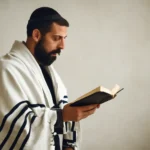
Clothing and symbols: Some people prepare by choosing attire that signals humility and reflection—often white or light-colored clothing, and, in Ashkenazi traditions, the kittel or a simple garment may be worn as a reminder of mortality and renewal.
For first-time celebrants or visitors, it can be helpful to review the structure of the day in advance. You will encounter long periods of prayer, reading from the machzor (the prayer book for the High Holy Days), and occasions for quiet contemplation as well as communal confession. Being aware of the general rhythm can reduce anxiety and deepen the sense of meaning you experience during Yom Kippur observances.
Traditions and Observances
The traditional framework of observing Yom Kippur centers on fasting, prayer, repentance, and community. While many of these elements are universal, there are also distinctive customs that reflect local practice, denominational emphasis, and family tradition. Below are some of the key components you are most likely to encounter.
Fasting and Abstinence
One of the defining features of the Yom Kippur fast is its duration and its scope. The fast begins before sunset on the eve of Yom Kippur and ends after nightfall on the day itself, typically totaling about 25 hours. During this time, practicing Jews abstain from eating and drinking, as well as from other pleasures that might distract from the day’s purpose. The intention is to cultivate humility, self-denial, and heightened spiritual focus.
Fasting on Yom Kippur is accompanied by specific prohibitions that underscore its penitential character. In many communities, adherents refrain from bathing, applying cream or perfume, wearing leather shoes, and engaging in marital relations. Some of these restrictions are rooted in ancient rabbinic sources and have evolved into meaningful expressions of restraint and discipline. It’s important to note that individuals with medical conditions, pregnant or nursing people, the elderly, or anyone who might face health risks are allowed to seek exceptions or adjust the practice with guidance from a rabbi or community authority.
In place of regular meals, families often share a pre-fast meal before sunset and a post-fast meal after the fast ends. The idea is to ease the body back into nourishment and to celebrate the day’s close with communalized, thoughtful eating. In some households, it may be customary to break the fast with a small snack and then a fuller meal, whereas others begin with light fruit or dairy. Regardless of tradition, the goal is to honor the sanctity of the day while caring for one another’s wellbeing.
The evening service on the eve of Yom Kippur is dominated by Kol Nidre, a principal liturgical declaration that renounces vows made to God that cannot be fulfilled. This ancient recital sets a solemn tone for the day, inviting participants to reflect on the promises they have made to themselves and to others over the past year. The Kol Nidre service is often followed by additional evening prayers, study, and reflection, as the community prepares for the long day ahead.
During the day of Yom Kippur, the synagogue becomes a central arena for the day’s observances. The centerpiece is the daytime prayers, which include confessional liturgy and readings from the Torah. In many communities, there are multiple prayer services—morning, afternoon, and the closing Ne’ilah service—offering different tempos and opportunities for contemplation. The atmosphere can be intensely focused, with readers and congregants joining together in a shared search for sincerity and meaning.
A core element of Yom Kippur observances is the confession of sins, known in Hebrew as Vidui. The confession is recited both in a communal framework and individually, often in a fashion that lists categories of wrongdoing—between people and before God. The public recitation is meant to be a collective acknowledgment of imperfection and a demonstration of accountability, while the personal dimension invites inner honesty and commitment to change.
The structure of Vidui is designed to be comprehensive and balanced, recognizing sins of action, speech, and intent. It emphasizes repair—how one will make amends, seek forgiveness, and move forward with integrity. This is not merely a ritual flourish; it is a practical vow to alter behavior in tangible ways, reinforcing the transformative aim of teshuvah on this holy day.
Yizkor and Remembrance
Many communities include Yizkor—a memorial prayer—on Yom Kippur, honoring deceased relatives and loved ones. The sense of continuity between generations—between those who lived and those who live now—is a meaningful thread in the day’s fabric. Yizkor can deepen the emotional resonance of the fast and confession, reminding participants that repentance and renewal are part of a longer, communal journey through time.
In some congregations, Yizkor is followed by readings from the Book of Life or other liturgical passages that invite reflection on mortality and legacy. The exact customs surrounding Yizkor vary, but the underlying purpose remains the same: to acknowledge loss, to remember with gratitude, and to recognize how memory can shape ethical responsibility in the present.
Ne’ilah: The Closing Service
The final, climactic service of Yom Kippur is Ne’ilah, a poignant hour of nearly complete closure that culminates with the blowing of the shofar in many communities. The name Ne’ilah means “locking” and evokes the image of doors to heaven closing as the day draws to a close. The concluding moments are filled with heightened urgency, heartfelt prayers, and the opportunity to seal one’s fate for the coming year.
For many people, Ne’ilah is the day’s emotional apex. It is a time to present one last, earnest plea for forgiveness and a final commitment to personal repair. When the shofar sounds, marking the end of the fast, the sense of liberation and renewal is palpable. Afterward, celebrants often share a sense of relief and gratitude, transitioning back into ordinary life with a renewed sense of purpose.
Clothing, Symbols, and Atmosphere
Beyond the formal prayers, the day is shaped by visual cues that reinforce its meaning. Many participants observe a language of modesty and humility through attire. Wearing white is common because it symbolizes purity and renewal, while others might wear a kittel or simple white garments as a reminder of mortality and the possibility of new beginnings. Some communities emphasize simplicity in dress to minimize distraction and to focus attention on introspection and prayer.
In homes and synagogues, the atmosphere is typically quiet and contemplative. There is a strong emphasis on restraint, silence at times, and a shift away from ordinary activities. Music is used selectively, and many synagogues reserve joyful singing for after the day’s fast has ended. The overall tone is one of earnestness, humility, and hope—an invitation to let the day’s experiences influence the choices one makes in the year ahead.
Celebrating Yom Kippur is ultimately about personal and communal transformation. The day challenges each participant to examine the ways in which words and actions have affected others, to acknowledge harm, and to make concrete plans to repair relationships. The process of teshuvah—returning to one’s best self—can be rigorous and demanding, but it also holds out the promise of reconciliation, forgiveness, and renewed integrity.
At an individual level, many people use the day to reflect on core values, such as honesty, responsibility, compassion, and justice. The prayers and readings provide a vocabulary for expressing remorse, seeking forgiveness, and pledging to change behavior. The recitation of Vidui is not merely a ritual; it is an invitation to listen to one’s conscience, to acknowledge mistakes, and to commit to acts of repair, generosity, and humility in the year ahead.
From a communal perspective, Yom Kippur reinforces shared responsibility. The day emphasizes how actions affect others, how communities support one another in times of struggle, and how collective prayer can uplift the spirit. The practice of tzedakah (charitable giving) during the period surrounding the High Holy Days is often highlighted as a practical expression of repentance: giving back to those in need is a concrete way to repair the social fabric and demonstrate commitment to ethical conduct.
Community and Family Dimensions
Across different communities, observing Yom Kippur is also a social and familial experience. People gather, sometimes traveling to be with extended families or in the local synagogue, and they share in the day’s rhythm—prayer, reading, study, and quiet moments of interior life. The day is an opportunity to teach younger generations about values, to introduce newcomers to the prayers and customs, and to participate in a shared spiritual enterprise that transcends ordinary life.
Families often use the day to have meaningful conversations about forgiveness, personal growth, and the ways they want to relate to one another in the coming year. Some households incorporate simple rituals at home, such as lighting candles, reciting selected prayers, or reading passages about conscience and renewal. Even for those who are not observant in a strict sense, Yom Kippur can offer a framework for cultivating a more mindful, compassionate approach to daily life.
Practical Guidance for First-Timers and Visitors
For anyone who is new to Yom Kippur observances, preparation and a gentle pace can help you engage fully without feeling overwhelmed. Here are practical guidelines and considerations to help you participate with respect and understanding.
Know the timing: The fast begins before sunset on Erev Yom Kippur and ends after nightfall on the day itself. Check local times and plan meals and rest accordingly.
Dress appropriately: Opt for modest, comfortable clothing. If you are attending synagogue, you may notice many people wearing white or a simple kittel—respect local custom, and don’t feel pressured to conform.
Plan for the fast: If you have a medical condition, consult with a healthcare professional and a rabbi about safe fasting. Bring water if permitted in your community, and listen to your body during the day.
Arrive early: For first-timers, arriving early can be helpful to find a place, acclimate to the crowd, and receive a brief orientation from companions or ushers.
Participate in the services as you are able: It is acceptable to stand, sit, or stay in your seat as needed. If you are not familiar with Hebrew, you may follow along in the machzor or translations available in many synagogues.
Ask questions with sensitivity: If you are attending a synagogue unfamiliar with your background, approach leaders or volunteers with courtesy. They can explain customs, accommodations, and what to expect during Kol Nidre and Ne’ilah.
Engage in quiet study: If you are not comfortable with intense prayer, you can still participate by reading, reflecting, or listening. The day is about inner life as much as outward ceremony.
Respect the pace: Yom Kippur often features long rituals and pauses for contemplation. Be mindful of the pace, take breaks if needed, and follow guidance from the hosts or leaders.
For families and communities that welcome guests, the day can be a bridge to deeper understanding. If you are visiting a home or synagogue for Yom Kippur, consider bringing a note of appreciation or a small token of gratitude for the hosts, and be mindful of the sanctity of the day when discussing topics outside the prayer spaces. The aim is to participate with reverence and to honor the solemn purpose that defines this sacred time.
Throughout the world, Jewish communities celebrate Yom Kippur with a diversity of practices and expressions. While the core elements—fasting, prayer, confession, and repentance—remain common, the way these elements are enacted can vary widely. Some communities place a strong emphasis on liturgical chant, while others foreground study, songwriting, or informal evening gatherings. Some congregations incorporate modern elements, such as translations, educational programs about social justice, or discussions about ethical conduct in the year ahead.
In secular or unaffiliated contexts, individuals may approach Yom Kippur as a personal day of reflection and community outreach, choosing to engage in acts of service or charitable giving as a way to honor the day’s higher aims. The flexibility of interpretation allows people from many backgrounds to join in the core intention: to examine one’s values, to seek forgiveness, and to commit to living with integrity and compassion.
The impact of Yom Kippur extends beyond the hours of fasting and formal prayers. The day’s emphasis on moral recalibration can ripple into everyday life, encouraging acts of kindness, improved speech, and greater empathy in relationships, workplaces, and communities. Many people carry forward the messages of accountability and renewal in the weeks and months after the fast, striving to repair damaged relationships, to offer forgiveness, and to act with generosity and humility.
Because the day is intensely focused, some individuals find it helpful to create post-fast rituals that honor the transition back to ordinary life. This might include a modest, shared meal with family and friends, a quiet walk, or personal journaling about insights gained during the day. The goal is to capture the sense of spiritual renewal and to translate it into steady, practical steps that sustain growth over time.
Historical Context and Modern Relevance
Yom Kippur has deep historical roots in Jewish tradition, drawing on centuries of liturgical development and religious practice. Its central rites—Kol Nidre, Vidui, Ne’ilah, and Yizkor—have been preserved and reimagined across generations. Yet its modern relevance remains strong, as people look to it for guidance in ethical decision-making, community reform, and personal resilience. In a world that often moves quickly, the day offers an intentional pause—a moment to recalibrate priorities, repair harms, and commit to a more compassionate future.
As societies become more diverse and inclusive, communities have found ways to welcome visitors and newcomers into the fold of Yom Kippur observances, while preserving the integrity of the day’s sacred purposes. The balance between tradition and adaptability reflects the enduring value of the day: a sacred invitation to examine the heart, cleanse the spirit, and enter the year ahead with a renewed sense of purpose and responsibility.
Conclusion: The Transformation the Day Seeks to Inspire
In sum, celebrating Yom Kippur is a multifaceted, deeply human endeavor. It fuses the somber beauty of liturgical prayer with the practical ethics of human conduct. It invites each person to reckon with mistakes, to repair broken bonds, and to recommit to values of honesty, fairness, and mercy. Whether you are observing the day within a long-standing tradition or exploring it with curiosity as a guest, the core message remains universal: the path to a more virtuous life is paved by humility, accountability, and acts of kindness toward others.
As you navigate this sacred day, may you find meaning in the prayers you recite, strength in the disciplines you observe, and hope in the opportunities for renewal that come with the conclusion of Yom Kippur. The closing shofar blast signals more than the end of the fast; it marks the opening of a renewed life guided by intention, justice, and compassion. In the words of the day itself, may your teshuvah be sincere, your relationships be strengthened, and your year ahead be characterized by growth, generosity, and peace.