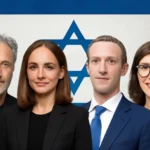
In the world of entertainment, public figures often wield influence beyond screen credits and album sales. When a celebrity speaks out in support of a country, a humanitarian cause, or a political position, that message can reach millions of fans and shape public discourse. In the case of Israel, a number of well-known actors, musicians, and media personalities have used their platforms to express solidarity with Israel, advocate for its security, and highlight humanitarian efforts tied to the Jewish state. This article explores the landscape of notable stars who have publicly backed Israel, the ways they express their support, and the broader cultural impact of their voices.
This overview highlights a range of public figures—from global film icons to television personalities, from Israeli-born stars who grew up with the country’s narrative to international celebrities who have used their fame to emphasize Israel’s right to exist, its contributions to arts and science, and its humanitarian work. It is a story about how celebrity influence intersects with national identity, diplomacy, philanthropy, and the ongoing conversation about peace and security in the Middle East.
Why do celebrities publicly back Israel?
The motivations behind a celebrity’s public support for Israel are diverse. Some draw on personal heritage and family history, while others emphasize shared democratic values, cultural exchange, or humanitarian concerns. A few common threads recur across many statements and actions:
Heritage and belonging: For Israeli-born artists and Jewish performers, ties to Israel often run deep, shaping their sense of identity and their desire to stand with the country in times of tension.
Security and resilience: Many stars articulate support for Israel’s security, the protection of civilians, and the country’s right to defend itself in a volatile regional landscape.
Humanitarian and philanthropic work: Numerous celebrities fund or promote relief efforts, medical aid, education, and children’s programs associated with Israel and Jewish communities worldwide.
Public diplomacy and cultural exchange: Entertainment and philanthropy provide soft power that can broaden international understanding, encourage dialogue, and showcase Israeli innovation and culture.
Opposition to anti-Israel bias: Some artists speak out against antisemitism, anti-Israel sentiment, or boycotts that they view as unfair or one-sided, arguing for fair treatment and nuanced discussion.
It’s important to note that expressions of support can take many forms—benefit concerts, advocacy for humanitarian programs, social media posts, interviews about Israel’s achievements, or participation in charitable initiatives. The diverse approaches reflect a spectrum of perspectives within the public sphere, ranging from emphatic endorsement to measured calls for peace and coexistence.
Notable stars backing Israel: a survey of prominent supporters
Global icons from film and television
Among the most recognizable faces associated with Israel’s global image are those who have built careers in cinema and television across multiple continents. Their influence extends beyond entertainment to public diplomacy, fundraising, and international cultural exchange.
Gal Gadot — An Israeli-born actor and former member of the Israel Defense Forces, Gadot rose to international fame as Wonder Woman and later became a symbol of national pride for many Israelis and Jewish fans worldwide. Her public presence often combines artistic achievement with advocacy for humanitarian causes, including women’s empowerment and children’s welfare. While her career spans Hollywood and global philanthropy, she remains a passionate ambassador for Israel in many of her public appearances and campaigns.
Barbra Streisand — A veteran performer and longtime supporter of Israel, Streisand has contributed to fundraising efforts, humanitarian initiatives, and cultural programs that highlight Israel’s contributions to science, the arts, and philanthropy. Her sustained engagement with Israeli charities and causes has made her one of the era’s most enduring voices linking American culture with Israel.
Natalie Portman — Born in Jerusalem and raised in Israel before rising to global stardom, Portman embodies a unique blend of cinematic influence and national pride. She has publicly spoken about Israel’s right to exist and the complexity of the peace process, while also participating in initiatives that support Israeli science, education, and humanitarian aid. Her status as an Israeli-born artist gave her a distinctive platform within international entertainment to discuss identity, security, and collaboration.
Michael Douglas — A prominent Hollywood icon with deep links to Jewish and Israeli heritage, Douglas has used his platform to advocate for strong U.S.-Israel relations and to support charitable and cultural institutions tied to Israel. His public remarks and philanthropic engagement reflect a broader commitment to the country’s well-being and its ties to Jewish communities around the world.
Mayim Bialik — Best known for her work in television and her academic background as a scientist, Bialik is also recognized for her strong Zionist voice and for speaking about Israel’s place in contemporary life. She has used her public profile to discuss Jewish identity, education, and the importance of Israel in the broader context of Jewish continuity and culture.
Scarlett Johansson — One of Hollywood’s most recognizable stars who tied her public image to Israel-based business partnerships as a global spokesperson for SodaStream, a company with Israeli origins. Johansson’s engagement became a touchstone in discussions about ethics, commerce, and geopolitics; she faced vocal debates from various sides but remained a high-profile example of a global celebrity linking a major brand to Israel in a way that brought attention to Israeli industry and innovation.
Jon Voight — A veteran actor and outspoken voice in defense of Israel, Voight has repeatedly emphasized strong support for Israel in interviews and public appearances. His outspoken stance has positioned him among the ranks of entertainment figures who foreground Israel’s security concerns and the importance of the U.S.-Israel alliance in public discourse.
Bar Refaeli — As one of Israel’s most recognizable fashion and media personalities, Refaeli has used her public visibility to highlight Israeli culture, economy, and charitable efforts. Her work demonstrates how Israel’s arts and entertainment sectors can influence international audiences and foster constructive dialogue about the country’s role in the global community.
Howard Stern — The radio host and media personality has been a vocal advocate for Israel in various interviews and commentaries, often framing Israel’s story within broader conversations about security, antisemitism, and Jewish identity in the modern world.
These figures illustrate how celebrity voices can amplify discussions about Israel’s place on the world stage, public safety concerns, and humanitarian initiatives. Their support, whether vocal, philanthropic, or through strategic partnerships, contributes to a wider narrative about Israel’s people, culture, and ongoing challenges.
American and international actors who publicly advocate for Israel
Beyond the most famous global names, there are numerous actors who have used interviews, panel appearances, and charity events to show solidarity with Israel. They often emphasize the country’s contributions to science, technology, and humanitarian aid, while also acknowledging the complexities of regional conflict. These figures may not headline in every news cycle, but their sustained engagement helps shape audience perceptions and broadens the conversation around Middle East diplomacy.
Public advocacy and philanthropy by these celebrities frequently includes support for Israeli hospitals, universities, clinics, and NGOs that operate across the country. It also encompasses partnerships with organizations that run educational programs, disaster relief, and cultural exchange initiatives. The net effect is a broader cross-border dialogue that can reduce intimidation and promote mutual understanding, even among diverse political viewpoints.
Musicians, writers, and other cultural voices
While not every musician or author makes a political statement, many use their art to celebrate Israel’s heritage and contemporary culture. This can manifest as benefit concerts that raise funds for relief projects, collaborations with Israeli artists, or interviews that highlight scientific and artistic innovations rooted in Israeli society. These voices contribute to a multifaceted image of Israel as a place of creativity, resilience, and ongoing renewal.
Support in practice: how celebrities help beyond words
Public statements are one channel, but several stars also back Israel through concrete actions that align with humanitarian, educational, and cultural objectives. The following patterns are common among those who publicly back Israel:
Fundraising and philanthropy: Benefit concerts, charity drives, and donations to Israeli hospitals, universities, and relief organizations.
Advocacy for humanitarian programs: Initiatives that support medical aid, education for underserved populations, and refugee assistance tied to Israeli institutions or international partnerships.
Public diplomacy through media appearances: Interviews, podcasts, and social media posts that highlight Israel’s innovations, arts, and history, aiming to foster understanding and combat stereotypes.
Visits to Israel: Official or unofficial visits that showcase solidarity and give celebrities firsthand exposure to Israeli society, technology sectors, and cultural life.
Importantly, not all expressions of support are identical. Some celebrities frame their messages around security and resilience, others center humanitarian aid and education, and a number emphasize the value of peaceful coexistence and dialogue. This diversity reflects the broader range of perspectives within the entertainment industry and among audiences around the world.
Complexities and conversations surrounding celebrity backing
Public support for Israel is not without controversy, and some celebrities who are widely admired for their talent still navigate difficult discussions about Israeli policy, Palestinian rights, and peace prospects. It is essential to understand that endorsement from a celebrity does not automatically resolve complex geopolitical questions, nor does it replace the work of policymakers, scholars, and grassroots advocates.
Balancing identity and policy: Some stars emphasize cultural ties and historical experiences while acknowledging the need for a fair and nuanced conversation about regional politics.
Balancing activism and artistry: Celebrities often weigh the potential impact on their audiences, sponsors, and projects when choosing how to engage with Israel on sensitive topics.
Public response and polarization: Support can attract both praise and criticism, illustrating how public opinion on Israel remains deeply divided in various parts of the world.
Despite these complexities, the recurring thread is that many celebrities bring attention to Israel’s cultural achievements, scientific innovation, and humanitarian efforts—areas where international audiences may find common ground. For fans and fellow artists, these public signals can inspire curiosity, foster dialogue, and encourage people to learn more about Israeli history, society, and contributions to global civilization.
What this means for fans, aspiring artists, and the media landscape
The presence of celebrities backing Israel in pop culture has several visible effects:
Increased visibility: Israel’s achievements in technology, humanitarian work, and culture receive amplified attention when prominent stars discuss them to large audiences.
Influence on tourism and education: Celebrity visits and endorsements can influence fans to explore Israeli universities, museums, and innovation hubs, contributing to people-to-people connections.
Charitable mobilization: Fundraising concerts and charitable campaigns linked to Israeli causes gain momentum when a well-known artist lends their name or platform.
Dialogue about peace and coexistence: High-profile discussions can introduce nuanced debates about security, human rights, and the path toward a sustainable peace in the region.
For aspiring artists, these dynamics offer both opportunities and responsibilities. A celebrity’s voice can attract media attention and audience interest, but it also invites scrutiny. Emerging performers can learn from these examples about how to communicate complex topics with empathy, accuracy, and respect for diverse perspectives. For journalists and fans, celebrity advocacy also raises questions about representation, bias, and the need for balanced reporting that includes multiple viewpoints from across the political spectrum.
Conclusion: the enduring role of public figures in shaping discourse
The topic of celebrities supporting Israel sits at the intersection of entertainment, politics, and diplomacy. The stars highlighted in this article illustrate a broader trend: public figures who leverage their fame to spotlight humanitarian ideals, celebrate cultural connections, and advocate for national security and resilience. While their voices do not substitute for the work of policymakers or the lived experiences of people on the ground, they can spark curiosity, humanize a national narrative, and mobilize support for charitable and educational initiatives.
As the global audience continues to engage with celebrity voices, it is valuable to approach statements with critical listening: recognizing the intent behind advocacy, examining the specifics of what is being supported, and seeking a well-rounded understanding of the issues at hand. Ultimately, the conversation about Israel—its past, present, and future—benefits from a diverse chorus of perspectives, including those offered by artists, actors, musicians, and cultural leaders who choose to lend their platforms to meaningful, constructive dialogue.