Exotic Kosher Meats: A Comprehensive Guide to Unique Flavors
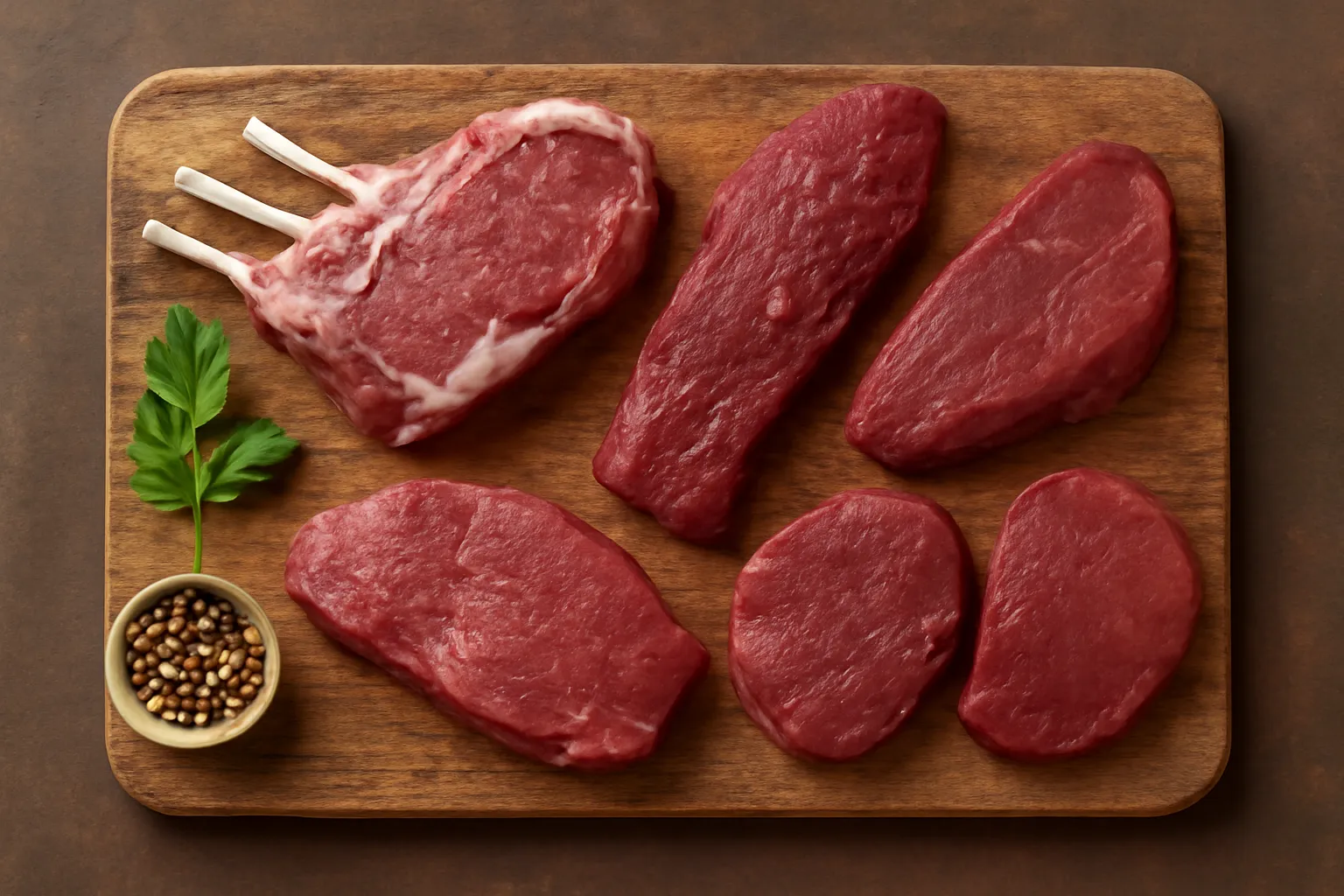
The world of kosher meat goes far beyond the familiar cuts of beef and lamb. For households seeking new textures, nuanced flavor profiles, or specific culinary traditions, exotic kosher meats offer an expansive frontier. This guide explores a range of meats that are kosher when sourced from reputable suppliers, discusses how they fit within kashrut, outlines how to prepare and cook them to maximize flavor, and points to practical tips for sourcing responsibly. Whether you are cooking for a special occasion or simply curious about game-on flavors, understanding the landscape of exotic kosher meats can expand your kitchen repertoire while preserving religious dietary guidelines.
Before diving into specific varieties, it is helpful to anchor the discussion in two background ideas. First, kosher status is defined by Jewish law (halacha) and can depend on both the species and the way the animal is slaughtered and processed. Second, the way meat is handled after slaughter—such as processing, storage, and the absence of non-kosher ingredients—matters just as much as the animal itself. In practice, sourcing from a rabbinic-approved hechsher or a trusted kosher butcher is essential when you are exploring exotic options.
Understanding Kosher Law and Exotic Meats
To appreciate why some meats are considered exotic yet kosher, it helps to review the core requirements of kashrut as it applies to land animals. Broadly speaking, the animal must meet two criteria:
Split hooves (shaatnez in hoof form) and
Chews its cud (rechew and regurgitate partially digested food).
Only animals that satisfy both of these criteria are considered kosher. For birds, the category is different: only birds that appear on a traditional list and are slaughtered in accordance with halacha are deemed kosher. For fish, the requirement is fins and scales.
In addition to the species question, the method of slaughter matters. The process of shechita, performed by a trained and certified practitioner, aims to minimize pain and ensure humane treatment. After slaughter, proper kosher processing and supervision (with a reliable hechsher) help ensure the meat remains within halachic guidelines. Finally, some households observe differences such as glatt kosher (a stricter standard in some glatt-certified establishments) depending on communal or family tradition. When exploring exotic meats, a good rule of thumb is to seek out sources that provide clear documentation of species, slaughter method, and kosher certification.
Common Exotic Kosher Meats
Below is a curated overview of several exotic kosher meats that you are most likely to encounter in markets, specialty shops, or high-end kosher butchers. For each, you’ll find a quick culinary profile, typical preparations, and practical tips for bringing out its best flavor while staying true to kashrut.
Venison (Deer Meat)
Venison is perhaps the most widely recognized “exotic” kosher meat in many North American markets. It comes from deer and related species such as elk and caribou, depending on the supplier and regional availability. Venison tends to be lean and robust, with a gamey aroma that can range from mild to pronounced depending on age, diet, and cut.
Tender cuts (loin, ribeye, tenderloin): best when cooked to medium-rare or medium to preserve juiciness.
Cooking methods: pan-searing, roasting, or grilling; baleful heat keeps the meat from drying out because of its low fat content.
Flavor pairings: juniper, red wine, black pepper, mushrooms, rosemary, and bold garlic rubs.
Texture: firm yet tender; overcooking can lead to a dry finish.
Venison works well in classic dishes like roasted roasts, stews, or seared steaks with a red-wine reduction. For a kosher-friendly game-night menu, consider venison kabobs with onions and peppers, or a slow-cooked venison ragout served over mashed roots.
Elk and caribou (reindeer) belong to the deer family and share a similar flavor profile with venison, but they often present slightly different textures and fat contents. Elk tends to be milder and a touch sweeter, while caribou can carry a deeper mineral note depending on habitat and diet. Both are embraced by cooks who appreciate a gamey edge combined with relatively lean flesh.
Best methods: quick-sear steaks, robust roasts, or slow-cooked braises; their lean character responds well to braising or marinade-based cooking.
Marinades: red-wine-based, soy-ginger, coffee-based rubs, or cocoa-nut spice blends can accentuate natural flavors.
Roast timing: aim for medium-rare to medium to retain succulence. Use a thermometer to target 130–135°F (54–57°C) for steaks.
Pairings: earthy mushrooms, parsnip, sweet potato, and pomegranate for a regional or holiday twist.
Because elk and caribou are less common than beef, sourcing them from reputable kosher purveyors is important. Look for clear documentation of species, animal welfare, and a reliable hechsher. When prepared thoughtfully, elk and caribou can offer a luxury-gameflavor that elevates festive meals or special gatherings.
Bison meat has grown in popularity for its rich flavor and exceptionally lean profile. It is commonly described as having a slightly sweeter, milder taste than beef, with less intramuscular fat. This makes it a friendly option for cooks seeking depth without the heaviness that can come with fattier cuts.
Protein and fat: high protein, low fat; can dry out if overcooked, so careful timing is essential.
Cooking tips: grill or pan-sear to medium-rare and let rest; for roasts, use a slow, gentle roast with a moist pan braise to maximize tenderness.
Popular cuts: steaks, burgers, ground meat, and pot roasts.
Flavor: earthy, slightly sweet with a clean finish that takes well to bold seasoning.
In a kosher kitchen, bison can be a comforting alternative to beef for big family dinners or formal events. Its versatility makes it suitable for ground meat preparations (like burgers or meatloaf) as well as classic roasts with herb crusts.
Water Buffalo and Other Bovine Relatives
Species in the bovine family beyond standard beef cattle—such as water buffalo—are sometimes encountered in specialty markets. Water buffalo meat is similar in texture to beef but typically leaner and with a different fat distribution. The kosher status of water buffalo varies by community and supplier; some authorities accept it if the animal is slaughtered under proper supervision and processed with a recognized hechsher.
Best uses: slow braises, stews, and casseroles where the meat’s lean character benefits from moisture and low-and-slow cooking.
Flavor notes: deeper beef-like flavor with a touch of sweetness from the diet; pairs well with root vegetables and bold spices.
Careful handling: monitor internal temperature to prevent overcooking; use moist cooking techniques to maximize tenderness.
As with all exotic meats, verify kosher certification and the slaughter method before purchasing. When properly sourced, water buffalo can expand your menu with a familiar yet distinct taste profile that resonates with fans of classic beef dishes.
Antelope, Gazelle, and Other Wild-Game Members
Antelope, gazelle, and similar wild-game species sit on the more adventurous end of the exotic kosher spectrum. These animals are generally lean and can offer earthy, game-forward flavors that work beautifully in long braises and bold spice rubs.
Texture: leaner than many deer species; care to avoid overcooking to protect tenderness.
Seasonings: juniper, coriander, black pepper, and smoked paprika complement the natural game notes well.
Cooking approaches: pot roasting, slow braises, or simmered stews with aromatics and dried fruits.
Serving ideas: pair with earthy vegetables (mushrooms, root vegetables) and a tart fruit glaze (plum or pomegranate).
Because these meats are less common, sourcing them through established kosher game suppliers or specialty butchers is particularly important. They can be an excellent centerpiece for a tasting menu or a cultural celebration that emphasizes regional game traditions.
Ostrich and Other Birds: A Note on Non-Kosher Options
In some markets you may encounter large, farm-raised birds marketed as exotic options. However, ostrich and several other large flightless birds are not universally recognized as kosher. The traditional list of kosher birds excludes predators or scavengers, and ostrich is not typically accepted as kosher in most rabbinic authorities. For households strictly observing kashrut, it is best to avoid relying on ostrich unless your rabbi approves a specific source and certification. This caution illustrates an important point about exotic meats: not every unusual animal is permitted, even if it is raised in a controlled environment.
Always check with a trusted authority or hechsher about the kosher status of any non-traditional animal you encounter. When in doubt, choose varieties with clear rabbinic certification to ensure your dietary observance remains intact.
Preparation, Handling, and Cooking Tips for Exotic Kosher Meats
Cooking exotic kosher meats is not just about selecting the right cut; it is also about handling, trimming, and timing in a way that respects their unique textures and flavor profiles. Here are practical tips to help you bring out the best in these meats while staying within kosher guidelines.
Thawing and trimming: thaw frozen exotic meats slowly in the refrigerator and trim excess sinew or fat where appropriate to improve texture and even cooking.
Seasoning strategies: use bold herbs and spices (rosemary, thyme, garlic, black pepper, juniper, paprika) to counterbalance gamey notes; pair with sweet touches (pomegranate molasses, dried fruit) for balance.
Marinades: acidic marinades (red wine, vinegar, citrus) can help tenderize lean cuts and add depth; avoid overly long acidic marinades that may dry the meat.
Cooking methods: searing first to develop crust, followed by gentle roasting or braising, works well for lean game. For very lean cuts, finish with a brief rest and a light glaze or jus.
Internal temperatures: use a meat thermometer to avoid overcooking: venison and elk steaks are often best at 125–135°F (52–57°C) for medium-rare; bison roasts may benefit from 135–145°F (57–63°C) depending on cut and desired tenderness.
Resting: allow meat to rest after cooking so juices redistribute; this is particularly important for lean game.
Kosher considerations: keep meat separate from dairy; ensure all cookware and utensils used in cooking are kosher-certified; preserve the integrity of the hechsher with proper supervision during processing.
When planning a meal around exotic kosher meats, think about a cohesive menu: an introductory appetizer with a gamey pâté or crostini, a main course featuring a main-cut roast or seared steak, a vegetable-forward side (roasted root vegetables, mushroom ragout), and a dessert that brightens the palate (pomegranate seeds, citrus, or a berry compote). The goal is to highlight the meat’s natural character while marrying it to components that complement rather than overwhelm its flavor.
Sourcing and Availability: Navigating Supply and Quality
Access to exotic kosher meats depends on geography, market size, and the local kosher infrastructure. Here are practical considerations to help you source high-quality products with confidence.
Look for reputable purveyors: choose sellers with clear kosher certification, traceability, and transparent sourcing policies. Hechsher listings should align with your community’s standards (for example, glatt versus standard kosher certification).
Seasonality and availability: game meats like venison and elk can be more seasonal, while bison and other mammals may be more readily stocked in specialty markets year-round.
Online ordering: many kosher butchers and game specialists ship nationwide; verify packaging, cold-chain integrity, and the credibility of the certification before purchasing.
Local hunting laws and farm sources: if you acquire game through local suppliers or farm-raised programs, ensure that all animals are processed under supervision and with proper tagging and documentation.
Storage and handling: keep exotic meats frozen until use, thaw safely in the refrigerator, and use within recommended windows to preserve texture and flavor.
Moreover, some households prefer to keep a small rotation of seafood-based kosher proteins or poultry for variety, but exotic meats can be a special treat for celebrations or guests who appreciate different culinary traditions. The key is to select sources that offer reliable certifications and clear animal-specific information so you can cook with confidence.
Flavor Profiles and Culinary Approaches: How to Highlight Uncommon Tastes
Every exotic kosher meat brings a distinct flavor story: some lean and clean, others richly gamey, some with a mineral note from foraging grounds. Here are broad flavor cues and corresponding cooking approaches to help you design meals that honor the meat’s character.
Gamey and earthy (venison, elk, caribou): pair with root vegetables, juniper, aromatic herbs, and wine reductions to complement the meat’s natural depth.
Lean with a bright finish (bison, water buffalo): use mild, bright marinades and quick searing, finish with a light glaze or herb butter to brighten the dish.
Rich and robust (antelope and similar lean game): employ longer braises with flavorful broths, cocoa or coffee rubs, and fruit glazes to add sweetness and balance.
Fermented or smoky notes (where culturally appropriate): consider smoke-roasting for a depth of flavor that complements strong seasonings without masking the meat’s intrinsic character.
Texture management: lean game benefits from moisture-retaining techniques (braising, covered roasting) and small amounts of fat or oil to preserve tenderness.
When building a menu around exotic kosher meats, consider balance and contrast as well as the guest’s palate. A well-composed course sequence—perhaps a delicate starter, a bold mains course, and a lighter finish—allows each meat to shine without competing with others.
Ethical and Sustainability Considerations
Many readers care about the ethics and environmental footprint of their meat choices. The good news is that exotic kosher meats can align with sustainable practices when you choose sources with responsible farming, humane handling, and traceable supply chains.
Animal welfare: seek suppliers that emphasize humane handling, low-stress transport, and respectful slaughter practices, alongside halachic supervision.
Traceability: reliable labeling and documentation help you understand the animal’s origin, feed, health status, and processing timeline—key components of a responsible purchase.
Environmental impact: compare producers’ farming methods, land use, and wildlife management practices. Some game programs support habitat conservation and responsible wildlife stewardship.
Cultural respect: many exotic meats are tied to regional culinary traditions. Approaching them with curiosity and respect helps ensure a meaningful and lawful dining experience.
For families observing dietary laws, aligning ethical considerations with religious requirements reinforces conscientious eating. A thoughtful approach to sourcing can turn a dinner featuring exotic kosher meats into a teachable moment about food ethics, tradition, and the global tapestry of kosher cuisine.
Practical Guides: Menu Ideas and Sample Dishes
To help you envision how exotic kosher meats can appear on a real table, here are a few sample menus and dish ideas that balance tradition with novelty. You can adapt these concepts to your community’s preferences and the availability of ingredients in your area.
Festive supper featuring venison tenderloin with a red-wourld wine reduction, roasted root vegetables, and a pomegranate-glazed carrot side. The zesty pomegranate provides a bright counterpoint to the meat’s depth.
Herb-crusted elk chops with mushroom beurre monté and parsnip purée, finished with a light juniper sprig jus. This pairing celebrates earthy flavors with a refined finish.
Bison pot roast with a miso and red-well marinade, slowly braised with onions and carrots, served with mashed yams and a crisp herb salad.
Game night tasting featuring bite-sized venison kebabs, elk sliders, and a small plate of antelope-topped crostini, accompanied by fruity chutney and arugula salad.
These ideas demonstrate how exotic kosher meats can be integrated into both everyday meals and special occasions. The key is to respect the meat’s character, keep the preparation kosher, and pair the dish with components that elevate rather than drown the flavors.
Conclusion: Embracing a World of Flavor within Kosher Guidelines
Exploring exotic kosher meats broadens the culinary landscape for kosher households without compromising tradition. From the lean, game-forward notes of venison and elk to the slightly sweeter, milder profile of bison, there is a spectrum of textures and tastes waiting to be discovered. The journey benefits from thoughtful sourcing, clear kosher certification, and an approach to cooking that honors the meat’s natural strengths. By combining reliable information, skilled butchery, and inventive but balanced recipes, you can enjoy unique flavors that remain firmly within the framework of kashrut.
Whether you are cooking for a special Shabbat meal, a holiday gathering, or an intimate dinner party, the world of exotic kosher meats invites you to explore with confidence. Remember to prioritize kosher certification and to consult with your local rabbinic authority if you have questions about particular species or processing practices. With careful planning and a sense of culinary adventure, you can savor a rich array of textures, aromas, and flavors that honor both tradition and curiosity.