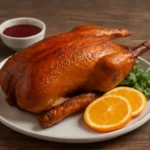
The phrase goose kosher refers to goose meat that has been produced and processed in accordance with kashrut, the Jewish dietary laws. Like other kosher birds—such as chicken and duck—a goose can be considered kosher if it comes from a source that adheres to traditional requirements for slaughter, handling, and processing. In practice, this means the bird is of an acceptable species, has been slaughtered according to kosher slaughter rules (often by a trained shochet), and has been processed in facilities supervised by a reliable kosher certification.
Because the term is sometimes used in marketing, it’s important to distinguish between a truly kosher-certified goose and a generic claim. When you buy a goose billed as kosher, you should look for a visible hechsher on the packaging—symbols from reputable kosher supervision organizations. If you have questions about how strictly your household follows halacha (Jewish law), consult your rabbi or your community’s kosher supervisor for guidance about specific products or brands.
Understanding kosher certification for goose
The foundations of kashrut for poultry
Species approval: Only species traditionally deemed permissible for consumption are considered kosher poultry (which, in modern markets, includes goose, chicken, duck, and turkey).
Slaughter method: The bird must be slaughtered in a manner that minimizes suffering and follows ritual guidelines. This is typically performed by a trained shochet using a sharp, single-blade knife.
Blood removal: After slaughter, the bird must be prepared so that residual blood is removed, in keeping with the prohibition against consuming blood. In most cases, this is accomplished in a kosher facility, with compliant processing methods.
Processing standards: The goose can be certified as kosher only if the facility maintains strict separation of meat and dairy, uses kosher equipment, and adheres to traceable sourcing and handling protocols.
Certification marks: Look for a reliable hechsher such as OU, OK, Star-K, KLBD, or another established symbol. Different communities may have preferred certifiers.
What “glatt” means in poultry context
The term glatt kosher is more commonly associated with beef (lungs examined for imperfections) and is less typical for poultry. Some producers may advertise “glatt” poultry to indicate especially strict processing, but this label is not universally used for birds. If you see it, verify with the certification agency and your rabbi what it entails in that particular product line.
Non-certified but potentially acceptable options
In homes that do not observe strict kashrut certification, some families keep poultry according to their own standards. If you’re buying goose meat without a formal hechsher, you should thoroughly understand how the birds were handled and which kitchen practices you’ll follow at home to maintain consistency with your beliefs. This often includes separate utensils, dedicated surfaces, and careful supervision of blood removal and meat handling. When in doubt, ask the retailer for documentation or select a product with a recognized certification.
Choosing a kosher goose: what to look for
Key criteria for selecting a kosher goose
Certification and branding: Verify the presence of a reputable hechsher on the packaging and confirm the product’s kosher status with the retailer if needed.
Breed and size: Common goose varieties include Embden and Toulouse. Embden geese tend to be larger and leaner, while Toulouse geese can be meatier with more fat. Consider your cooking method and the number of servings when choosing size and breed.
Fresh vs frozen: Fresh geese offer shorter cooking times and crisper skins, while frozen geese can be more economical and convenient. For kosher preparation, ensure freezing timelines align with the certification’s guidelines and that the product remains properly labeled.
Appearance: Look for firm, intact skin with even color. Avoid pimps or bruising, and check for any signs of freezer burn if the goose is frozen.
Giblets and innards: Some goose products include intact giblets for stock. If you follow strict salt-and-blood removal rules in a home kitchen, know whether the giblets are included and whether they are separately certified for use in a kosher kitchen.
Handling and packaging: Packaging should be clean, sealed, and free of damage. The presence of a seal from a recognized kosher authority on the outer packaging is a helpful indicator of compliance.
Practical considerations for planning a feast
Meal timing: Goose meat is substantial and benefits from ample rest after roasting. If you’re serving as the centerpiece of a holiday meal, plan sides and timing to accommodate a long roast and a resting period.
Relying on certified suppliers: If you’re new to poultry koshering, buying from a trusted supplier reduces the complexity of kashering at home and provides consistent results.
Budget and yield: Goose generally yields more meat per pound than chicken or turkey, but the price can be higher. Consider bone-in vs. boned-out options and adjust your guest count accordingly.
Preparing a kosher goose: essential steps
Preparation is where culinary technique meets the constraints of kosher handling. Here are essential steps to ensure a successful outcome, with emphasis on safety, flavor, and authenticity.
Initial checks and thawing
If your goose is frozen, plan for a thorough thaw time in the refrigerator. A typical 8–12 pound goose may require 24 to 48 hours to thaw completely, depending on the refrigerator’s temperature. For larger birds, allocate extra time. Never thaw at room temperature, which invites bacterial growth. While thawing, keep the goose wrapped and place it on a tray to catch any drips.
Rinse and pat dry: After thawing, rinse the outside and cavity with cold water, then pat dry with paper towels. This step helps begin the crisping of the skin during roasting.
Remove giblets and neck: Most geese come with giblets and a neck in the cavity. Remove these parts for stock or discard as you prefer. If your kosher guidelines require, set aside the giblets for use in a separate, strictly kosher preparation or discard per your tradition.
Trim excess fat: Goose skin and fat carry a lot of flavor but can overwhelm the meat if left in excess. Trim visible fat around the cavity opening and at the neck if desired, but leave enough fat to baste and flavor during roasting.
Score the skin: Lightly score the skin in a crosshatch pattern or shallow parallel cuts. This helps fat render during roasting and yields a crisper, more even skin. Do not cut into the meat; you want to render fat, not expose the flesh.
Seasoning: Kosher salt and pepper are the foundation. You can also add fresh herbs (thyme, rosemary) and aromatics (onion, citrus) to the cavity for improved fragrance and flavor.
Dry brining and seasoning
Many cooks favor a dry brine for poultry, including goose, to enhance moisture retention and skin texture. If you plan to use this method, apply a liberal coat of kosher salt over the skin and inside the cavity, then refrigerate uncovered for several hours or overnight. This helps draw out moisture and allow it to be reabsorbed with flavor.
Soaking and salting: traditional notes for the home kitchen
In professional kosher processing, birds may undergo soaking and salting to remove blood. In a home kitchen, the practice is optional and should be discussed with a competent authority if you’re aiming for strict adherence. If you choose this route, you could perform a cautious home procedure:
Soak the goose in cold water for 1–2 hours, changing the water once or twice to remove blood and impurities.
Salt generously using coarse kosher salt, especially on the skin and cavity openings, to draw out residual moisture and blood.
Rinse and dry thoroughly after the soaking and salting, then pat dry before roasting.
Note: Many households rely on a certified goose to avoid the need for home kashering. If you are uncertain about the proper steps within your community’s practice, consult a local rabbi or a kosher supervisor before proceeding with home salting and soaking.
Roasting a kosher goose: technique and timing
Roasting is where flavor, texture, and presentation come together. Goose cooks differently from chicken or turkey, with higher fat content and stronger muscle fibers. The goal is crisp skin, juicy meat, and even cooking throughout the bird.
Oven setup and general method
Preheat to a high temperature, commonly 425°F (220°C) for the first 20–30 minutes to begin crisping the skin, then reduce to about 350°F (175°C) for the remainder of the roast. Depending on your oven, you may opt for a two-stage method with an initial blast and then a steady roast.
Placement: Position the goose breast-side up on a rack in a roasting pan to prevent sitting in fat as it renders. A shallow pan helps fat drain away while letting heat circulate.
Roasting time: General guidelines suggest about 15–20 minutes per pound for a goose, but the exact time depends on weight, oven, and whether the bird is stuffed. Always rely on a reliable meat thermometer to determine doneness rather than strictly following time estimates.
Internal temperature: The thickest part of the breast should reach approximately 160–165°F (71–74°C) and the inner thigh should reach at least 165°F (74°C) to ensure safety and tenderness. Goose can be slightly pinker than poultry like chicken, but many prefer the leg meat fully cooked.
Maintaining moisture and achieving crisp skin
Basting: Avoid frequent basting, which can slow down crisping. If you baste, do so sparingly and with the rendered pan juices.
Skin crisping tricks: Towards the end of roasting, you can increase the oven temperature briefly or run the broiler for a few minutes to maximize skin crispness. Watch carefully to prevent scorching.
Resting: After roasting, let the goose rest for 20–30 minutes before carving. Resting seals in juices and makes carving easier.
Stuffing and cavity aromatics
Stuffing can add flavor but must be carefully managed in a kosher kitchen to avoid cross-contamination. If you choose to stuff the goose, use a simple aromatic stuffing with bread, apples, onions, herbs, and spices that are kosher-certified if required. Keep stuffing separate from the main cavity if your practice prohibits stuffed birds.
Geese lend themselves to bold, comforting flavors that complement their rich meat. Here are some ideas that respect kosher cooking principles while delivering memorable meals.
What glaze or glaze accents work well?
Orange glaze with a touch of honey and citrus zest
Apple cider reduction with fresh apples and onions
Cranberry and pomegranate glaze for a tangy-sweet note
Herb and garlic butter brushed under the skin for moisture
Herbs and aromatics for stuffing and cavity flavor
Fresh thyme, rosemary, sage
Onion, garlic, lemon wedges
Apple chunks, gourd, or root vegetables in the roasting pan to add moisture and aroma
Serving suggestions for a kosher goose
When planning the table, consider the needs of a kosher kitchen, where meat and dairy are separated and utensils are not mixed inappropriately. Here are some practical serving ideas and considerations to ensure a smooth, respectful, and delicious experience.
Plating and presentation
Carving: Carve the goose at the table or in the kitchen, depending on your space and tradition. For ease, slice the breast meat first to highlight tenderness.
Pan drippings: Use the saved pan juices to create a sauce or gravy that enhances the meat’s natural flavor without overpowering it. Ensure any gravy is dairy-free if you’re serving a strict meat course.
Side dishes: Pair with roasted root vegetables, apples, squash, and a grain like barley or farro to complement the goose’s richness.
Accompaniments that suit kosher practice
Soft breads or challah to accompany the meat
Vegetable sides like roasted carrots, parsnips, or Brussels sprouts
Fruit-based sauces or glazes that harmonize with the meat
Red wine or grape juice to pair with the full-bodied flavor
Safety, storage, and leftovers
Proper handling and storage are as important as the cooking itself. Here are safety guidelines and best practices for keeping a kosher goose safe to eat and enjoyable as leftovers.
Storage guidelines
Refrigeration: Store leftover goose within two hours of cooking. Refrigerate promptly in shallow containers to cool quickly and evenly.
Cold storage: Leftovers can last 3–4 days in the refrigerator. For longer storage, freeze portions in airtight freezer bags or containers for up to 2–3 months.
Reheating: Reheat gently to avoid drying the meat. A slow warm-up in the oven or on the stove with a small amount of broth or water can help retain moisture.
Food safety reminders
Proper temperatures: Reheat to at least 165°F (74°C) to ensure safety for leftovers.
Cross-contamination: Keep raw meat, poultry, and any dairy products separate. Use dedicated utensils and cutting boards where required by your kosher practice.
Hygiene: Wash hands thoroughly after handling raw poultry, and sanitize all surfaces and tools that contact the bird.
Common questions about goose kosher practice
Is goose always kosher if it’s labeled as such?
No. A goose must come from a source that follows kosher guidelines, with a valid hechsher and proper handling through slaughter and processing. A non-certified bird may not meet all halachic requirements, so verification is essential.
In strict kosher practice, using meat fats in a dairy meal is prohibited. If you are serving a dairy course or a dairy meal, you would not combine meat from a kosher goose with dairy. However, this is a matter to discuss with your local rabbinic authority if you’re building a multi-course menu that spans meat and dairy courses in a single setting.
What about Passover considerations?
Geese can be part of Passover meals, provided all ingredients, seasonings, and sides are certified kosher for Passover. Some spice mixes or pre-made sauces may not be appropriate for Passover, even if they are kosher year-round. Always verify that your kosher for Passover designation is present on packaged products you plan to use during the holiday.
Pairing and planning for a kosher goose meal
A well-planned goose feast balances technique, tradition, and taste. Here are strategic suggestions to help you plan a memorable event that respects kosher guidelines while delivering robust flavor.
Menu planning
Decide on a consistent kosher kitchen workflow that respects meat-dairy separation, cleaning, and equipment use.
Choose a glaze or sauce that complements the goose’s richness and remains within your kosher constraints.
Develop a vegetable-forward side plan to provide color, texture, and balance to the plate.
Timeline for a successful roast
Two days before: if using a brine or soaking method, begin as required by your plan and ensure you have all ingredients and tools ready.
One day before: dry-brine and season. Prepare any accompaniments that can be cooked ahead.
Day of: thaw (if frozen), preheat oven, prepare stuffing or aromatics, and set the table with kosher utensils and serving ware.
Serving: roast and rest, carve, and present with sides and sauces.
A properly chosen and prepared goose that is kosher-certified can be a spectacular centerpiece for celebrations, seasonal gatherings, and holiday meals. The key is attention to sourcing, adherence to kashrut guidelines in processing, and careful cooking to achieve a balance of crisp skin and moist meat. By understanding the basics of kosher goose selection, preparation, and serving, you can create a memorable dining experience that respects tradition while delivering modern flavors.