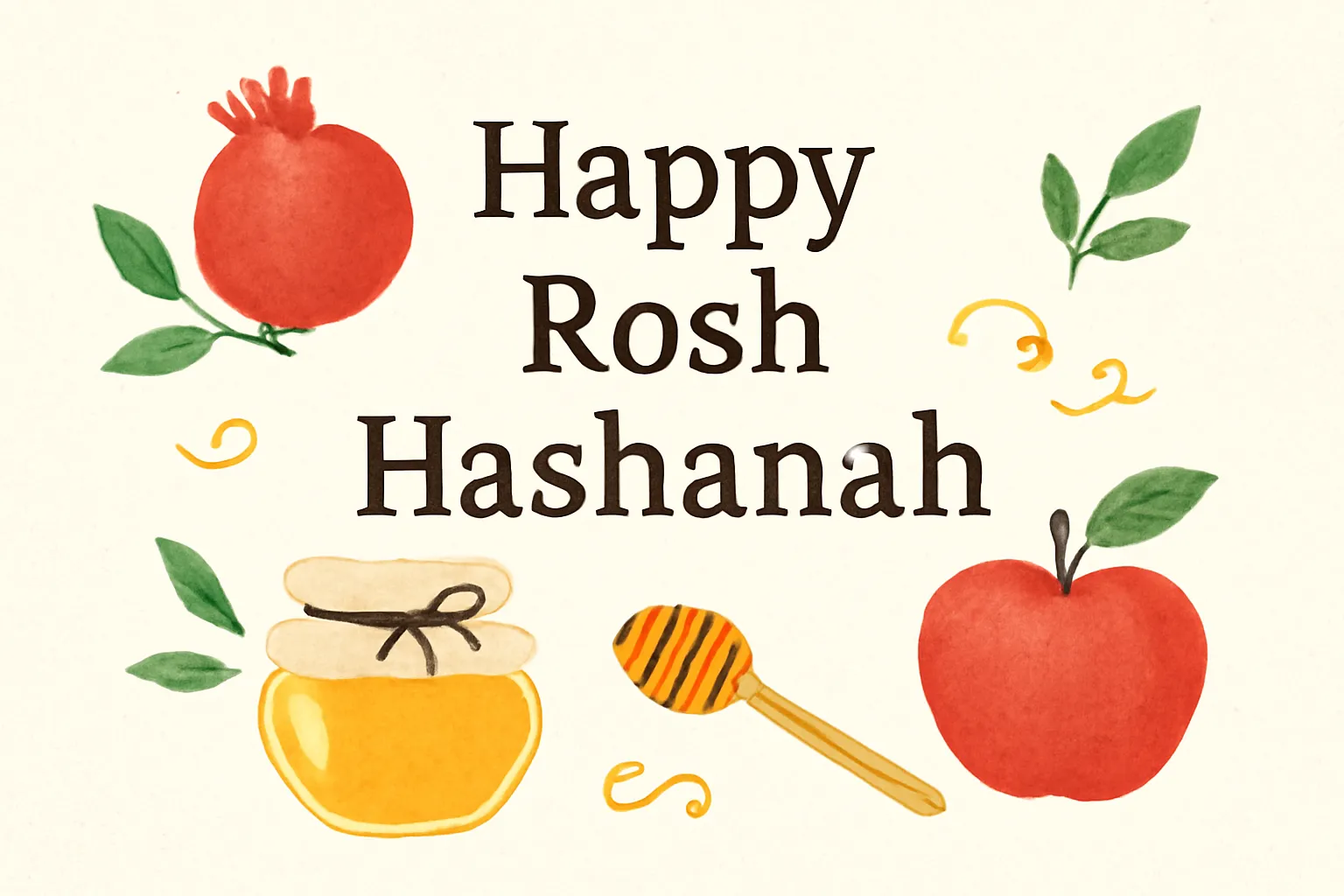
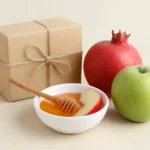
The tradition of sending greeting cards for Rosh Hashanah has evolved with technology, but many people still love the charm of a printable card. In this article, we explore Free Rosh Hashanah Greeting Cards and Printable Templates that can be downloaded, customized, and printed at home or in a local print shop. Whether you want a simple e-card or a high-quality physical card, there are abundant no-cost options that combine aesthetic appeal with respectful, seasonally appropriate messaging.
Free Rosh Hashanah greeting cards are design templates that users can download at no charge and tailor to their own voice and recipient. These templates typically include:
Pre-set layouts for front and inside messages
Editable text fields for personal notes, names, and wishes
Graphics or imagery associated with Rosh Hashanah (shofar, honey pot, apples, pomegranates, olive branches, and symbolic motifs)
Printable formats (PDF, PNG, JPG) and often source files for deeper customization
Many templates are issued under permissive licenses that allow personal use, non-commercial redistribution, or even modification, as long as attribution or licensing terms are followed. Free templates make it easy to create personalized cards that reflect your family tradition, community affiliations, or personal style—without spending money on design services.
Printable Templates: Why They Matter
Printable templates offer a bridge between tradition and practicality. They are valuable for several reasons:
Cost savings: No design fees, just print costs and ink.
Customization: You can adjust wording, fonts, colors, and imagery to fit the recipient and context.
Timeliness: Templates enable quick preparation for mailing or hand-delivery, especially during busy holiday seasons.
Consistency: For groups, temples, or schools, templates ensure a uniform look across many cards.
Accessibility: Inclusive language options and larger-print setups can be built in from the start.
When used thoughtfully, printable templates become more than just a design; they are a conduit for warmth, good wishes, and the spirit of the High Holy Days.
Where to Find Free Rosh Hashanah Templates
There are multiple reputable sources for free, downloadable Rosh Hashanah templates. Each source may offer different licensing terms, so it’s wise to verify usage rights before printing. Here are common places to look:
Nonprofit and religious organizations sites often share seasonal templates for congregants and members. Look for temple newsletters or community center pages.
Educational and library portals provide templates intended for teachers, students, and families, sometimes with printable activity pages bundled with cards.
Open-source design repositories host vector and image templates with permissive licenses that allow modifications and redistribution for personal use.
Design and stationery blogs frequently publish free card templates, with accompanying tutorials on how to customize.
Creative marketplaces may offer free samples or seasonal freebies that you can adapt for Rosh Hashanah while respecting the licensing terms.
Tip: Search terms such as “free Rosh Hashanah card template,”“printable Jewish New Year template,” or “Shanah Tovah card printable” can yield a wide array of options. Always check the license section or footer for details on usage rights.
Design Styles and Variations
One of the strengths of free templates is the breadth of design styles. Below are several design families you’ll commonly encounter, with notes on when they work best.
Traditional and Symbolic
These templates favor classic Jewish symbols and a color palette that leans toward gold, blue, and deep reds. Common motifs include shofar calls, apple slices with honey, pomegranates, and menorahs. The typography is usually serif or script for a formal tone, with balanced margins and ample whitespace.
Modern Minimalist
Minimalist templates emphasize clean lines, plenty of negative space, and limited color palettes. They appeal to contemporary families and communities seeking a sophisticated look while preserving a sense of solemnity.
Watercolor and Hand-Lettered
Watercolor cards bring softness and warmth to the New Year greeting. Look for hand-lettered quotes or numerals that feel personal and artisanal. These templates often pair with floral or fruit motifs for a gentle aesthetic.
In typography-centric templates, the message itself becomes a work of art. The emphasis is on font choices, hierarchy, and readable friendly language. You may see bold headlines, decorative initials, and expressive but legible text layouts.
Photo-Based and Family-Centric
Photo templates let you insert a family portrait or a meaningful scene. They are especially popular for personal cards to send to relatives far away, as the image adds emotional resonance to the season’s message.
Cultural and Community-Inclusive
Some templates celebrate the diverse ways communities observe Rosh Hashanah, including multilingual messages or designs that reflect local customs, foods, or landmarks. These templates can help inclusively reach friends, neighbors, and members of different backgrounds.
Seasonal and Nature-Inspired
Natural motifs such as honeycombs, bees, autumn leaves, apples, and orchards are common in free templates. They convey the seasonal atmosphere and can pair well with a tactile, paper-focused printing approach.
Card Sizes, Printing, and Delivery Options
Understanding practical constraints helps you make the most of free templates. Here are practical guidelines for sizes, printing, and delivery:
Standard sizes: A2 (4.25 x 5.5 inches) is a common small card size; A6 (4.5 x 6.25 inches) is standard for many printable cards; 5 x 7 inches is popular for a more formal feel.
Duplex printing vs. single-sided: A double-sided card offers room for a front design and an inside message, while a single-sided card is simpler and cheaper to print.
Paper stock: Choose a heavier stock (80–110 lb cover weight) for a sturdy card, or opt for 28–32 lb text weight for simple letter-size printing. Consider matte or satin finishes for readability and aesthetic.
Color management: If the template includes color profiles, print with the same settings to preserve fidelity. For home printers, use high-quality printer settings and perform a test print on plain paper before using specialty stock.
Print-to-mail vs. in-person: You can mail physical cards, hand them to neighbors, or share digital versions by email or messaging apps.
If you don’t have a printer at home, many local libraries, community centers, or print shops offer affordable color printing, often with guidance on the best paper choice. Some shops also offer folding and scoring services, which makes assembly quicker and neater.
Personalization and Customization Options
Most free templates are designed to be easily personalized. Here are the most common, along with tips to do them well:
Text customization
Adapt the greeting to fit your relationship with the recipient and your personal style. Typical phrases include “Shanah Tovah U’Metukah” (a good and sweet year), “L’Shanah Tova”, or “Wishing you a year of health, happiness, and peace.” Add a short personal line to remind the recipient of common memories or shared hopes for the new year.
Font and color choices
Choose fonts that match the card’s tone. Serif fonts project tradition; sans-serif fonts feel modern. Use color to convey mood: warm golds and ambers for honey symbolism, cool blues for solemnity, or rich greens for renewal. Ensure accessibility by choosing high-contrast text and legible font sizes.
Images and motifs
Attach a personal photo or replace stock imagery with something meaningful to your family or community. If you’re sharing with a faith group, ensure the symbols align with the group’s traditions and sensitivities.
Inside vs. outside content
Decide whether the inside text carries most of the message or the outside front carries the primary sentiment. Some people prefer a short front message with a longer note inside, while others use a full-length inner greeting for a more expansive message.
Accessibility considerations
Provide options for large print or high-contrast versions. If you share digitally, ensure compatibility with screen readers by keeping decorative text separate from the main message and including descriptive image alt text for any non-text graphics.
Phrases, Etiquette, and Language for Rosh Hashanah Cards
Choosing the right wording respects the occasion and enhances the card’s impact. Here are guidelines and examples to help you craft suitable messages:
Begin with a blessing: Classic openings like “Shanah Tovah! Have a sweet and healthy new year.”
Acknowledge the themes: References to honey, apples, sweetness, renewal, and peace are common and warmly received.
Be inclusive: If sending to colleagues or neighbors from different backgrounds, neutral or bilingual phrases can be thoughtful.
Keep it sincere and concise: A few well-chosen lines can carry more impact than a long paragraph.
Sign-off: End with a personal closing such as “With warm wishes,” or “May you be inscribed and sealed for a good year.”
Examples you can adapt include:
“Shanah Tovah U’Metukah — May your year be filled with health, happiness, and peace.”
“Wishing you a sweet year with honeyed moments and joyful memories. Shanah Tovah.”
“L’Shanah Tova Tikatevu — May you be inscribed and sealed for a year of blessing.”
When communicating in a professional or interfaith context, consider a bilingual approach or a universally warm message that emphasizes peace, health, and renewal without heavy religious terminology.
Digital Sharing: E-Cards, PDFs, and Quick Delivery
Free templates are not limited to physical printing. They’re also ideal for digital sharing, which has distinct advantages during situations where physical mailing is impractical. Options include:
E-cards designed as standalone pages or slides that can be emailed or posted on social media. They maintain high visual quality and are quick to distribute.
PDFs that recipients can print themselves or view on screens. PDF format preserves layout across devices and is widely accessible.
Linked galleries or shareable downloads from cloud storage, which are handy for batch sends to groups like synagogue members or class lists.
Tips for digital sharing include including a brief personal note, adding alt text to images for accessibility, and ensuring the file size is reasonable for easy downloading. For recipients who prefer a tangible card, you can provide a PDF with a print-ready layout and also offer a separate image optimized for phone screens.
If you’re new to using printable templates, follow this practical workflow to ensure a smooth process from download to final card assembly.
Choose the template that best matches your style and the recipient group.
Check licensing and attribution requirements; confirm it’s allowed for personal home printing or broader usage if you plan to share or distribute widely.
Download all assets (Front, Inside, Back, and any fonts or images supplied).
Open in an editing tool (such as a PDF editor, a word processor with image support, or a free design app). Make sure you have access to editable text fields if needed.
Personalize the greeting, names, and message. Replace placeholders with your own content, adjust line breaks, and ensure the text fits within margins.
Proofread your message for spelling, grammar, and clarity. Consider a second pair of eyes for a quick review.
Test print on plain paper to verify alignment, margins, and color. Adjust as needed before printing on final stock.
Print on your chosen stock. If you’re printing multiple cards, consider batch-printing to save time and ensure color consistency.
Assemble folded cards or trim to size if needed. If the template is not a folded card, you may need to cut or crease as appropriate.
Quality check after the print run. Look for misprints, misalignment, or color bleed that may require reprinting a batch.
Bonus tip: If your template includes an inside fold, consider using a light-colored interior with a dark, legible message to maximize readability.
Licensing, Rights, and Ethical Use
Even when the template is free, you should be mindful of licensing Terms. This helps ensure that creators are fairly credited and that you respect intended use. Important considerations include:
Personal use vs. commercial use: Many free templates allow personal use but restrict commercial redistribution or sale.
Attribution requirements: Some licenses require you to credit the designer if you publish or share publicly.
Modification rights: Some templates permit editing, resizing, or color changes; others may impose limits on altering the original composition.
Prohibition on reselling: Be cautious about using a template in products you intend to sell, even if you offer it as part of a bundle.
When in doubt, contact the template creator or check the license file included with the download. If you plan to use the template in a broader community setting (like your temple bulletin or a school yearbook), look for templates explicitly labeled for “non-commercial use,” “personal use only,” or “educational use.”
To maximize the impact of your free template, consider these practical tips that align with both aesthetics and the spirit of the season:
Keep the message concise and meaningful; a short, heartfelt wish often resonates more than a lengthy paragraph.
Use high-quality imagery that complements the message and harnesses the symbolism of Rosh Hashanah (honey, apples, pomegranates, shofar, etc.).
Balance color and readability: Ensure strong contrast between text and background; avoid overly busy patterns on the front that distract from the message.
Consider the recipient: Close friends and family may appreciate a warmer, personal note, while colleagues may prefer a concise, professional tone.
Plan ahead for timing: If mailing, account for postal delays and local holiday calendars to ensure timely arrival.
Examples of Template Variations You Might Encounter
To give you semantic breadth, here are several descriptive examples of the kinds of templates you might download, with hints on how to tailor them:
“Shanah Tovah” Minimal Card – A clean front with a small honeycomb or apple motif; inside space for a short personal message.
“Year of Blessings” Floral Card – Watercolor blossoms with a subtle script greeting; space for a longer note to family or neighbors.
“Heritage and Hope” Photo Card – A family portrait on the front, with a bilingual or multicultural blessing inside.
“Sweet New Year” Typography Card – Bold typographic emphasis on the words “Shanah Tovah” with a simple color palate, letting the message take center stage.
“Nature-Inspired” Card – Leaf and fruit motifs with earthy tones, suitable for secular or interfaith audiences who appreciate nature symbolism.
When selecting a template, think about your distribution method (print vs. digital) and how much you want to personalize. Some templates are more adaptable for mass-mailing, while others shine with a single, heartfelt personal note.
Case Studies: How Different Groups Use Free Rosh Hashanah Templates
Learning from real-world applications can help you pick the right template and approach. Here are a couple of hypothetical case studies that illustrate practical usage:
Case Study 1: Temple Newsletter Team
A temple issues a yearly Rosh Hashanah bulletin with a small card insert for every household. The team chooses a traditional-inspired template with a folded design, ensuring the front bears a respectful shofar motif and the inside includes a brief blessing plus a temple event calendar. They customize the inside card with the current year and a single sentence about community services.
Case Study 2: Family Correspondence Project
A family wants to send personalized cards to relatives around the world. They select a photo-based template featuring a recent family photo, add a heartfelt message in two languages (English and Hebrew), and print small A6 cards to mail. They optionally provide a digital version for friends who prefer electronic greetings.
Case Study 3: School Class Outreach
A Jewish day school distributes multilingual cards to families, with a design that includes numbers, letters, and simple blessings for younger students. The teacher uses the template to teach about Rosh Hashanah while giving students a tangible project they can complete with parental help. The template is designed for easy duplication for a class of 25–30 students.
Inclusive design matters, especially in community settings. When selecting or adapting templates, consider accessibility and inclusivity:
Readable fonts with sufficient size and high contrast for readability.
Alt text for images in digital formats to aid screen readers.
Multilingual options where appropriate, including common languages spoken in your circle.
Plain-language versions or simplified messages to ensure comprehension for all recipients.
Ethically sourced imagery and respectful depictions of symbols help ensure that cards are appropriate for interfaith audiences and children as well as adults. If you’re unsure, choose templates that emphasize universal themes like renewal, peace, health, and sweetness, with optional cultural notes.
Tips for Creating a Collection of Free Templates
If you manage communications for a community or family, you might want to assemble a small collection of templates to suit different recipients. Here are ideas for a templated approach:
Curate a palette by selecting a few color schemes that work well across multiple templates.
Standardize margins to make assembly predictable and reduce trimming issues during printing.
Label variants by audience (family, neighbors, colleagues, students) so you can quickly choose a template matching the recipient type.
Keep a repository of licensed templates with license notes and usage permissions, so you don’t hunt for them during the busy season.
Archive completed cards to reuse successful phrases and design elements in subsequent years, respecting licensing terms.
Conclusion: The Value of Free Rosh Hashanah Greeting Cards
Free Rosh Hashanah Greeting Cards and their printable templates offer a practical, meaningful way to extend warmth, blessings, and good wishes as the year begins. They bridge tradition with modern needs, enabling you to craft personalized messages at no cost, while still honoring the symbolism and spirit of the High Holy Days. Whether you prefer a traditional motif with honey and shofar, a modern minimalist layout, or a photo-rich family card, there is a template that can meet your goals. By choosing respectful wording, ensuring accessibility, and planning printing logistics, you can create cards that are cherished by recipients and reflective of your own values.
As you explore options, remember that the heart of a card lies not in the paper or font alone but in the sincerity of the blessing you share. A well-chosen template, used thoughtfully, can become a timeless keepsake that accompanies friends and family through the year ahead. With the right free templates, you can spread sweetness, peace, and renewal—one carefully crafted card at a time.