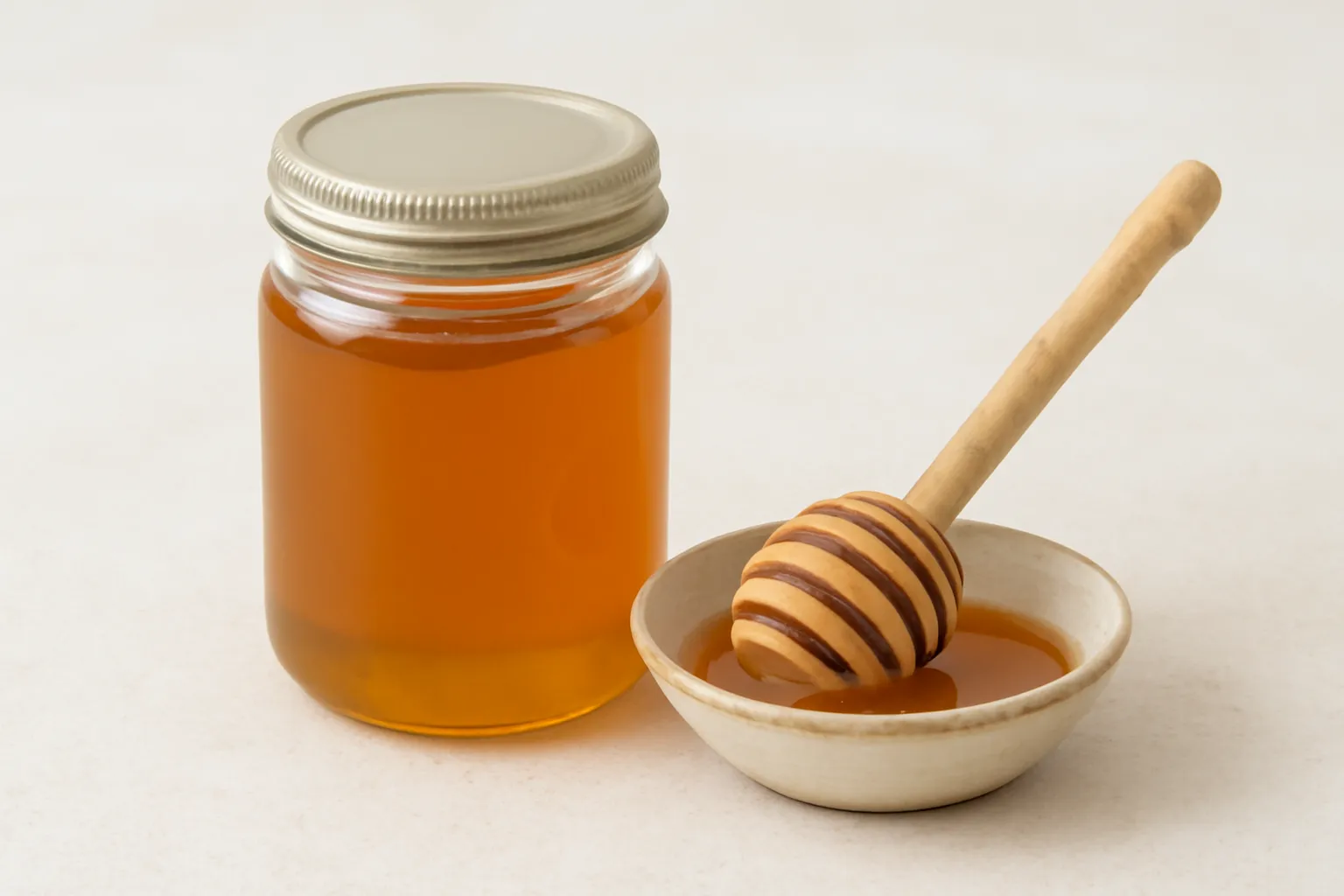
Honey Kosher: The Ultimate Guide to Certified Kosher Honey
Honey is a timeless staple in kitchens, a natural sweetener with a storied history. For households observing Jewish dietary law, however, merely enjoying honey isn’t enough—many want kosher-certified honey to ensure compliance with kashrut. This guide provides a thorough overview of certified kosher honey, explains how certification works, what to look for on labels, and how to navigate the different designations that may appear on packaging. Whether you are a long-time observer, a curious consumer, or a producer seeking to certify your product, this article will illuminate the path to truly kosher honey.
What does it mean for honey to be kosher?
In the world of Jewish dietary law, kosher refers to foods prepared and processed in accordance with halachic (Jewish legal) standards. For honey, the situation is nuanced but straightforward for most families: honey itself is generally considered parve (neutral, neither meat nor dairy) and is widely accepted as permissible. Yet there are important caveats that make kosher certification relevant and sometimes necessary:
Certification confirms that no non-kosher processing aids or flavorings have been used, and that the product hasn’t been contaminated by non-kosher equipment.
Cross-contact with non-kosher products can occur in facilities that also process meat, dairy, or non-kosher ingredients; certification helps ensure proper separation and cleaning protocols.
Label accuracy matters—kosher labeling provides assurance about ingredients (often a simple “100% honey” list), production practices, and the facility’s standards.
That said, there are circumstances where a product labeled as honey might still require careful scrutiny. For example, if honey is flavored, blended with other ingredients, or processed on shared equipment without proper kosher controls, it may lose its parve status or require specific supervision. In practice, most consumers seeking to adhere to kashrut look for a credible hechsher (kosher certification symbol) on the jar to confirm compliance.
Key concepts: kosher, parve, and special diets
Understanding the vocabulary helps when you read a honey label. Here are the essential terms you’re likely to encounter:
Hechsher: the symbol or mark from a certified kosher authority indicating that a product has met that authority’s standards.
Parve: a status meaning the product is neutral with respect to dairy and meat; it can be eaten with either dairy or meat dishes according to most interpretations of halacha, provided no other prohibitions apply.
Milchig (dairy) / Fleishig (meat): designations that indicate the product’s handling in relation to dairy or meat; for most honey, these concerns are about facility separation rather than the honey itself.
Kashrut certifications for Passover: some products require additional supervision for Passover (Pesach) to ensure no chametz or kitniyot contamination and to meet holiday-specific requirements.
Labeling in different markets: different certification agencies provide different marks; the presence of a symbol is the practical cue that a product has undergone a specific certification process.
In daily life, kosher-certified honey is typically read as a product that is both permissible for those observing kashrut and clearly labeled to avoid doubt about its processing or handling.
How honey is made and where certification applies
To appreciate why certification matters, it helps to know how honey is produced and what steps could introduce kashrut concerns:
Harvesting: honey is produced by bees from floral nectar and collected by beekeepers. The primary questions for kashrut arise not from the bees themselves but from the human practices surrounding honey handling.
Extraction and processing: honey is extracted from the comb, heated or filtered, and then bottled. These steps may involve equipment that also processes other products. If that equipment touches non-kosher substances, or if processing aids derive from non-kosher sources, supervision becomes relevant.
Filtration and pasteurization: many commercial honeys are filtered and sometimes pasteurized. While pasteurization is generally acceptable under kashrut, the purity of the filtration media and any additives must be scrutinized for kosher status.
Flavorings or additives (if any): some honeys are infused with spices, vanilla, or other flavors. Unless all ingredients are kosher, the product does not qualify as kosher-certified honey.
Packaging and labeling: packaging lines must be free from dairy or meat residues if the product is labeled pareve; this is a common site of signaling for certification agencies.
In short, even though pure honey is naturally free from dairy or meat sources, the kosher certification process focuses on the entire supply chain: farm operations, processing facilities, and packaging practices. A reliable kosher certification symbol on the jar confirms that the product has met specific standards, including proper separation from non-kosher items and appropriate handling on the way to market.
The certification process for honey producers
For beekeepers and honey manufacturers seeking to obtain or maintain a kosher certification, the pathway typically involves several stages:
Vendor review: the certifying agency assesses the facility, equipment, and processes to identify potential issues that could affect kashrut status.
Ingredient and supplier verification: even if the honey itself is basic, any additives (e.g., flavorings, colorings, pollen enrichments) must be certified kosher, and suppliers must provide proper kosher compliance information.
Facility sanitation and separation: if the plant handles dairy or meat, there must be formal separation, with dedicated lines, cleaning procedures, and time gaps to avoid cross-contact.
Documentation and auditing: periodic audits and documentation (production logs, cleaning schedules, sourcing records) ensure ongoing compliance.
Certification decision: the agency issues a hechsher and a schedule for inspections, with the possibility of renewal or revocation if standards lapse.
Some common certification agencies include well-known organizations that issue marks such as OU, KOF-K, Star-K, OK, and CRC. Each agency has its own standards and insignia, but they share the core goal: to provide consumers with confidence about kashrut compliance. For producers, obtaining kosher certification can open markets where consumers require strict adherence to dietary laws and can enhance brand trust.
Common issues and how to avoid them
Honey producers and retailers should be aware of several scenarios that complicate kosher status:
Cross-contamination with non-kosher products in shared facilities, including both dairy and meat lines.
Non-kosher additives such as flavorings, stabilizers, colors, or pollen enrichments that are not certified kosher.
Equipment previously used for non-kosher materials without proper cleaning or designation for pareve production.
Adhesives, packaging materials, or processing aids that themselves lack kosher certification.
Processing nuances such as enzymatic clarifiers or processing aids derived from non-kosher sources, though this is less common in pure honey.
Passover considerations: some products require separate certification for Passover if they risk chametz contamination or if the facility handles kitniyot or leavened products.
To avoid these pitfalls, manufacturers typically implement robust traceability, segregated production lines, and clear labeling. For consumers, the remedy is straightforward: look for a valid hechsher on the jar, review the ingredient list, and verify that the product aligns with your dietary requirements ( pareve, Passover, etc.).
Reading and understanding kosher honey labels
Reading a kosher label can feel overwhelming at first, but a few practical steps make the process reliable and efficient:
Check for a credible hechsher: the presence of a recognized certification symbol provides the strongest assurance. If the symbol is unfamiliar, you can look up the certifying agency’s database.
Ingredient list: for pure honey, the list should typically read “honey” or “100% honey.” If additional ingredients appear, confirm their kosher status.
Allergen and facility statements: even parve products can be produced in facilities that handle dairy or meat; look for explicit notes about cross-contact and Passover suitability if relevant to you.
Kosher for Passover designation: if you observe Passover, search for “Kosher for Passover” (Pesach) on the label; not all honey is certified for Passover, and some symbols denote Passover-specific standards.
Product type and processing: raw, unfiltered, filtered, pasteurized, creamed, or comb honey may carry different labels; certification applies to the finished product, regardless of the texture or processing method.
Important tip: even if you trust a brand, a product’s kosher status can change if its supply chain shifts. Always confirm the current certification symbol on the jar and, if in doubt, consult the certifying agency’s official resources or contact the manufacturer for documentation.
Variations of kosher honey: understanding different designations
When shopping for kosher honey, you may encounter a variety of phrases that reflect different scopes of certification and dietary considerations. Here are common variants you might see, with explanations:
Kosher certified honey: a general assurance that the product meets a recognized kosher standard; the label will bear a hechsher from a kosher agency.
Kosher for Passover honey: specifically certified for Passover; ensures no chametz or kitniyot risk and adherence to holiday-specific rules.
Pareve honey: indicates the product is neutral with respect to dairy and meat and can be consumed with either category; it signals a clean kashrut status when production is free from cross-contact with non-kosher ingredients.
Raw honey labeled kosher: raw honey may be unpasteurized or minimally processed; a kosher certification confirms that even the raw product meets standards and that no non-kosher processing aids were used.
Filtered vs. unfiltered honey with a hechsher: filtration is a processing step; certified honey will include a certification mark regardless of filtration level, provided the filtration materials themselves are kosher.
Specialty honeys with a hechsher: organic honey, manuka honey, or other varietals may carry a kosher mark; the certification confirms the specific blend or origin remains under kashrut supervision.
Glatt kosher concerns (note): while glatt kosher is a term historically tied to meat production and its strictures, some agencies issue the label in a way that communicates heightened stringency for the entire product. For honey, the use of “glatt” is not typical or necessary in most contexts; rely on the certification symbol and agency guidance instead.
In practice, the most reliable signal for consumers is a current, credible hechsher accompanied by a simple ingredient declaration that lists only honey or honey plus approved additives. This clarity helps shoppers identify a product that aligns with their dietary practice.
Global landscape: certification across regions
Kosher certification of honey is a global enterprise. Different regions rely on various agencies, and supply chains may cross borders, creating a diverse landscape of symbols and standards. Here are some key points about the international dimension of kosher honey labeling:
North America: a wide range of agencies operate in the United States and Canada, including the Orthodox Union (OU), KOF-K, Star-K, OK, and Chicago Rabbinical Council (CRC), among others. Each symbol represents a specific set of standards, audits, and community acceptability.
Europe: birçok European brands carry hechrers from agencies like Vegan Kosher (where applicable), KLBD (Kosher Law and British Dietary), and others. The exact symbol depends on the certifier, but the principle remains the same: the label should show a recognizable mark and the product ingredients should be kosher compliant.
Israel and the Middle East: kosher certification is common, with local rabbinic authorities and international agencies often collaborating. Labels may show marks that are familiar to global shoppers as well as local symbols.
Global traceability: modern supply chains mean that a jar of honey can be produced in one country, packaged in another, and certified by an agency headquartered elsewhere. The universal rule is to verify the symbol and the agency’s database when in doubt.
For consumers, recognizing that the kosher honey market is international helps explain the diversity of symbols on jars. A trustworthy approach is to look for a widely recognized hechsher, and when a symbol is unfamiliar, verify it with the certifying agency’s official resources.
Practical buying guide: how to choose trustworthy kosher honey
Here are practical steps you can take to ensure you are buying truly kosher-certified honey that meets your standards:
Inspect the label: ensure there is a current, legible hechsher from a reputable agency, and that the ingredient list is limited to honey (and any approved additives with their own kosher status).
Understand the designation: if you require Passover certification or a parve designation, confirm that the label includes the appropriate marks and language.
Check the packaging and facility notes: look for statements about production lines, dairy/meat separation, or facility-wide kosher compliance where relevant.
Beyond certification marks, you can also consider these practical considerations:
Consistency and texture: raw, filtered, and creamed honey may appear differently in taste and texture; kosher status does not depend on texture, but certifications apply to all forms if the processing is under supervision.
Origin and purity: 100% honey is preferable for those seeking minimal processing; blends or honey with additives require careful verification of each component’s kosher status.
Brand transparency: brands that publish kosher certificates or provide easy access to certifier information foster trust and ease verification.
Certifier lookup: if you are unsure about a symbol, many agencies maintain online databases you can search by product, company, or symbol.
In short, the best practice is to purchase honey with a credible hechsher, read the ingredients, and use agency resources to verify the product’s ongoing kosher status. This habit helps ensure that your honey remains fully compliant with your dietary requirements.
Special considerations: Passover and other dietary rules
For households observing Passover, there are special considerations when selecting honey. While pure honey is not chametz, some concerns can arise in practice, especially in factories that also handle chametz-producing products or kitniyot. Here are some guidance points:
Check for “Kosher for Passover” labeling if you follow Passover rules strictly. Not all honey is certified for Passover, so verify the certification scope on the label.
Look at production lines: in Passover, many families prefer products produced on dedicated lines with Passover supervision to minimize concerns about unleavened grains or other chametz-related issues.
Read the certificate: the Passover certificate often outlines the scope, including whether the facility handles kitniyot, and the degree of supervision required during the holiday.
Be mindful of flavorings: any added flavorings must also be certified for Passover if they are used during the holiday.
Beyond Passover, other dietary considerations may apply for those with allergies or strict organic standards. Some kosher agencies also certify organic honey, and many consumers appreciate this alignment for both dietary and ethical reasons.
Frequently asked questions about honey and kashrut
Is honey always kosher?
Most authorities treat honey as kosher, but certification is important to guard against cross-contamination and to verify that no non-kosher additives or processing aids were used. Always look for a reliable hechsher on the label.
What is a hechsher and why do I need it for honey?
A hechsher is the seal of a kosher certification agency. It signals that the product’s production, ingredients, and facility meet specific standards. While many honeys are inherently permissible, the kosher certification offers assurance about the entire supply chain.
Can honey be dairy or meat?
Pure honey is generally considered pareve, meaning it does not belong to either the dairy or meat category. However, if the honey is processed in a facility that handles dairy or meat, or if it contains other ingredients that are not kosher, it could be subject to additional labeling or restrictions. The certification helps clarify these issues.
What should I do if a label shows a symbol I don’t recognize?
Use the certifier’s official database or contact the manufacturer for documentation. A legitimate kosher certification symbol should be traceable to a recognized agency with public information about the brand and product.
Is organic honey automatically kosher?
Organic status and kosher status are independent. Organic certification covers farming practices, while kosher certification covers kashrut compliance. Some organic honey products carry a kosher symbol; others may not. If you need both certifications, check for labels that display both the organic seal and a kosher hechsher.
Conclusion: making informed choices about kosher honey
For those seeking certified kosher honey, the journey is about more than flavor—it’s about trust, traceability, and adherence to canons of kashrut. While honey is inherently a natural product that many communities consider permissible, relying on a credible kosher certification ensures that the entire production chain—from beekeeping and processing to packaging—meets established standards. By understanding the basics of pareve status, recognizing a reliable hechsher, and knowing how to read labels, you can confidently select honey that satisfies both taste preferences and religious observance.
Whether you purchase a kosher-certified honey labeled for everyday use or opt for a kosher-for-Passover honey for the holiday season, the core idea remains the same: certification provides a trustworthy framework for confirming kashrut compliance in a product that is, at its heart, nature’s sweet gift from the bees to the jar.