Interesting Facts About Israel: 10 Surprising Details invites readers to explore a country that, despite its small size, has a disproportionately large footprint in technology, culture, history, and global conversation. Situated on the eastern shore of the Mediterranean and framed by deserts, mountains, and vivid coastlines, Israel is a place where ancient roots meet cutting‑edge innovation. This article outlines ten unexpected details that help explain why Israel often feels like two places at once: a cradle of ancient civilization and a laboratory for 21st‑century ideas. While the facts span geography, society, technology, and culture, they share a common thread: how creativity, resilience, and a willingness to take risks have shaped a nation that many people find endlessly fascinating.
In the popular imagination, Israel’s influence far exceeds its geographic footprint. The country covers roughly the size of New Jersey, yet its contributions span continents. A nation of about nine million people, Israel punches above its weight in science, technology, and culture. The density of impact becomes visible when you look at several standout areas.
Innovation per capita: Israel hosts a remarkable concentration of startups relative to population size. The country is widely recognized as a leading center of entrepreneurial activity, with a high rate of new company creation and a culture that encourages experimentation.
Global diaspora connections: Immigrants and descendants from around the world contribute remittances, ideas, and collaboration networks that extend Israeli influence far beyond its borders.
Technology exports: From cybersecurity to agricultural tech, Israel’s engineering and research ecosystems have produced products that reshape industries worldwide.
Academic and research excellence: Universities, research institutes, and collaborations across borders propel breakthroughs in medicine, engineering, and the sciences.
These factors combine to create a global innovation ecosystem that feeds into multinational companies, international collaborations, and cross-cultural exchanges. The result is a country that maintains a strong international presence in science, business, and the arts, even as it navigates regional complexities. The juxtaposition of limited geographic space and wide-ranging impact is one of the most striking paradoxes of Israel today.
Fact 2: The Miracle of Water Management
Israel has long faced water scarcity, a challenge that would deter many regions but has instead become a catalyst for ingenuity. The country’s approach to water is a masterclass in resourceful engineering, policy design, and public‑private collaboration. The story of Israeli water is less a single invention and more a systematic transformation—from scarcity to resilience and even export of know‑how.
Desalination and large‑scale treatment
Over the past few decades, desalination has moved from a niche technology to a major component of Israel’s water supply. Modern plants along the coast convert seawater into drinking water at scales that support urban populations and agricultural needs. This dramatic shift has reduced dependence on distant river basins and has created a buffer against droughts that affect neighboring regions.
Water recycling and efficient irrigation
Israel pioneered and widely adopted drip irrigation and other water‑saving farming techniques long before global climate concerns reached a fever pitch. Cities and farms alike reuse graywater, which makes it possible to cultivate crops with far less freshwater. The combination of desalination and recycling has turned a chronic constraint into a competitive advantage in agriculture and urban planning.
The water story is also a tale of policy frameworks that encourage conservation, pricing signals that reflect scarcity, and cross‑border cooperation where possible. National bodies coordinate with local authorities, universities, and international partners to monitor aquifers, optimize distribution, and accelerate research in water technology. In many ways, water management in Israel is both a science and a public policy achievement that informs other arid regions around the world.
Key takeaways in this domain include an emphasis on precision data, the deployment of innovative technologies, and a relentless focus on sustainability. The water story illustrates how a country can turn a fundamental constraint into a platform for learning and export—knowledge culture in service of life-sustaining systems.
Fact 3: Startups and Innovation Powerhouse
Israel’s reputation as a startup nation rests on multiple pillars: a culture that rewards risk, strong higher education, connectivity among researchers, and a robust defense and civilian technology ecosystem. The result is a place where inventions move quickly from lab to market, often changing how people live, work, and communicate. This section highlights the ecosystem and a few of its most characteristic features.
Silicon Wadi: A term that evokes Tel Aviv, Haifa, and surrounding communities as a dense, interconnected tech hub where software, hardware, and biotech converge.
Cybersecurity leadership: Israel is home to many leading cybersecurity firms and researchers who contribute to global digital security.
Agritech and healthtech: Innovations in agriculture, medicine, and life sciences harness local climate challenges and translate into products used worldwide.
Global unicorns and exits: Companies born in Israel have achieved rapid scale, with several reaching global markets through strategic partnerships or acquisitions.
Beyond the headlines, the startup culture in Israel emphasizes mentorship, rapid prototyping, and a willingness to pivot in response to feedback. This mindset is reinforced by educational programs, government incentives, and a dynamic venture capital scene. The outcome is not just a stream of new products but a talent pipeline that feeds international tech ecosystems with engineers, designers, and entrepreneurs who bring a distinct blend of practicality and boldness to their work.
In practice, this means that any given year might see breakthroughs in areas as diverse as artificial intelligence, robotics, water tech, and biomedical devices. The net effect is a country that continually redefines what is possible in technology and business, all while fostering a resilient economy that can adapt to global shifts.
Fact 4: Rich Mosaic of Languages and Culture
Israel is a living tapestry of languages, religions, and cultural influences. While the Jewish state is anchored in Hebrew, its everyday life is multilingual and multicultural, reflecting waves of immigration, trade routes, and shared history across the Levant and beyond. The result is a society in which linguistic creativity and cultural exchange are everyday realities rather than academic concepts.
Hebrew revival as a living language: Once primarily a liturgical language, Hebrew was revived and grew into the national language of daily life, education, media, and government.
Arabic and other languages: Arabic remains an official language alongside Hebrew, and many communities use Russian, English, Amharic, Tigrinya, French, Amharic, and others in daily life.
Immigrant and cultural enclaves: Large communities from North Africa, Europe, the Former Soviet Union, and sub‑Saharan Africa create neighborhoods with distinct cuisines, music, and traditions.
Arts, music, and cinema: A vibrant arts scene—encompassing theatre, film festivals, street art, and music—sprouts from a diverse citizenry and a history of cross‑pollination with global currents.
Language policy and education reflect a balance between historical roots and cosmopolitan realities. For many residents, multilingual communication is a practical asset in business, diplomacy, and daily life. The cultural landscape is further enriched by places of worship, museums, markets, and heritage sites that preserve both ancient narratives and contemporary expressions. In short, the country’s linguistic diversity and cultural multiplicity contribute to a social fabric that is both complex and dynamic, encouraging dialogue across communities and borders.
Fact 5: Diverse Landscapes in a Small Place
Israel’s geography is a study in contrasts compressed into a relatively small area. Within a few hours of driving, you can move from a Mediterranean beach to a mountain peak, from a lush river valley to a desert plateau, and from ancient archaeological sites to bustling modern cities. This geographic diversity shapes climate, agriculture, tourism, and daily life in surprising ways.
Coastal plains and cities: The windward plain along the Mediterranean hosts a dense urban corridor with historic ports and modern business districts.
Mountain ecologies: The Galilee,[Golan Heights] and the Jerusalem hills provide cooler climates and terraced landscapes for farming and hiking.
Desert heart: The Negev and surrounding desert regions feature dramatic canyons, crater formations, and a landscape that invites exploration and experimentation in water efficiency and solar energy.
Low-lying wonders: The Dead Sea, the world’s saltiest body of water, sits in a unique geological depression and offers a natural spa experience and a striking geological record.
Within this geographic spectrum, national parks, nature reserves, and protected areas preserve biodiversity, geology, and ancient routes that once connected civilizations. The country’s topography helps explain why Israelis and visitors encounter such variety in a single visit or in a single day: coast, mountain, desert, and the Dead Sea are all accessible within a reasonable travel radius.
The Dead Sea as a geological and cultural landmark
The Dead Sea is a symbol of both wonder and science. Its hypersaline waters allow effortless buoyancy, while its mineral-rich muds are the subject of spa traditions and therapeutic research. The surrounding landscape reveals unique salt formations and desert ecology, making it a magnet for travelers, researchers, and photographers alike. The Dead Sea also sits near fault lines that inform regional geology and highlights how natural wonders can shape national identity and tourism strategies.
Fact 6: Culinary Diversity and Food Culture
Food in Israel is a reflection of its many communities, seasonal harvests, and cross‑cultural exchanges. From street corners to fine dining, meals reveal histories of migration, trade, and adaptation. The cuisine blends Middle Eastern flavors with European and Mediterranean influences, producing a rich culinary language that resonates with locals and visitors alike.
Hummus and falafel: Staples in many markets and eateries, representing a shared culinary heritage that transcends community lines. The quality and preparation vary by neighborhood, creating lively debates about the best versions.
Shakshuka and sabich: Iconic dishes that showcase tomatoes, spices, eggs, and eggplant in colorful presentations, often enjoyed as breakfast or brunch.
Shops and markets: Shuk life—gritty, bustling marketplaces—offers fresh produce, spices, olives, breads, and ready-to-eat treats that reflect local terroir and regional influences.
Religious and seasonal foods: Observances such as Passover, Ramadan, and Jewish holidays bring special foods and culinary rituals that illuminate the social calendar and family life.
Kosher and culinary creativity: Kosher restrictions influence menus, but chefs routinely push boundaries to create innovative dishes within those guidelines, sparking a vibrant food scene with global appeal.
Beyond taste, Israeli cooking emphasizes farm‑to‑table sensibilities, seasonal produce, and culinary education. Many urban restaurants collaborate with farmers, embracing local sourcing and sustainability. The result is a cuisine that is both deeply rooted in ancient flavors and openly experimental, inviting people to explore shared plates, stories, and senses in every meal.
Fact 7: Archaeology, Museums, and Deep Time History
Israel is a living archive of human history, with archaeological sites, excavations, and museums that illuminate multiple eras—from early urban life in the Levant to the modern rebirth of a nation. The landscape itself has long been a canvas on which civilizations wrote their stories, and modern institutions work to preserve, interpret, and present these narratives to the public.
Masada and desert fortifications: A symbol of resilience with a dramatic cliff‑top fortress that has drawn researchers, historians, and tourists for generations.
Dead Sea Scrolls and the Israel Museum: Among the most important archaeological finds of the 20th century, the Scrolls offer a window into ancient texts, religious practices, and daily life in antiquity.
Tel Aviv and Jerusalem museums: The juxtaposition of a modern, bustling city with world‑class museums highlights the balance between old and new in Israeli culture.
Underwater and cave archaeology: Subterranean sites and coastal discoveries reveal earlier seafaring, trade networks, and community life along the ancient shores.
For visitors and researchers alike, Israel’s museums and archaeological programs invite a tactile encounter with history. They demonstrate how scientific methods, historical interpretation, and community memory integrate to keep the past relevant in the present. The country’s approach to archaeology often blends public engagement with scholarship, turning sites into classrooms and stories into experiences that inspire curiosity about our shared human journey.
Fact 8: Nature, Biodiversity and National Parks
Despite its reputation for desert landscapes and intense urban life, Israel also hosts a remarkable range of biodiversity and natural beauty. The country’s nature reserves, protected areas, and migratory routes create opportunities for wildlife observation, hiking, and ecological education across diverse habitats.
Bird migration hotspot: Israel sits on a major north–south corridor for migratory birds, offering seasonally spectacular observatories and a strong community of birdwatchers.
Hula and Ein Gedi: The Hula wetland and the desert oasis of Ein Gedi illustrate the country’s ecological versatility and its conservation priorities.
Desert ecosystems and crater landscapes: Craters, canyons, and plateaus in the Negev sustain specialized flora and fauna, as well as stunning hiking opportunities.
National parks and protected areas: Parks preserve geological wonders, ancient routes, and wildlife habitats, providing outdoor classrooms for locals and visitors alike.
Conservation strategies emphasize habitat protection, environmental education, and sustainable tourism. Urban planners cooperate with ecologists to create green corridors, while researchers explore the delicate balance between development and biodiversity. The result is a country where outdoor exploration and environmental stewardship are integrated into daily life—helping to shape a culture that values nature as a teacher, a playground, and a source of inspiration.
Fact 9: Education, Literacy, and Military Service
Israel places a strong emphasis on education, literacy, and civic participation. The combination of high educational attainment, a vibrant higher‑education system, and a national service framework creates a unique social contract that shapes the country’s workforce, research output, and national identity.
Education and literacy: High literacy rates and widespread access to education help drive innovation, critical thinking, and social mobility across communities.
Military service and civilian spillovers: National service programs contribute to skill development, leadership training, and technical expertise that benefit civilian industries, particularly technology and security sectors.
Universities and research institutes: Institutions like the Hebrew University, Tel Aviv University, and others generate a steady stream of graduates who join startups, government laboratories, and multinational R&D teams.
Public‑private collaboration: Government incentives, academia, and industry partnerships foster a culture of knowledge transfer and applied research that translates into practical products and services.
In everyday life, education and public service foster a sense of shared responsibility and practical problem‑solving. This environment sustains a highly skilled workforce and a culture that relishes learning, experimentation, and continuous improvement. The combination of rigorous schooling, national service, and entrepreneurial energy creates a society where science and practical invention are deeply interwoven with daily life and future planning.
Fact 10: Geography and Borders, Peace Initiatives
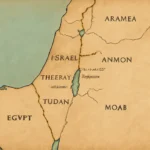
Israel’s location—at the crossroads of Africa, Asia, and Europe—has helped shape both its strategic importance and its diplomatic endeavors. The country’s borders, security concerns, and peace initiatives form a complex geography that informs policy, travel, and civic life. Yet in recent years, new diplomatic chapters have opened, reshaping regional dynamics and international relationships.
Strategic location: A land bridge linking multiple continents, with ports, air corridors, and trade routes that connect to global markets.
Regional partnerships and accords: The normalization agreements with several Arab states—renowned for broadening economic, cultural, and scientific cooperation—have altered regional conversations and opportunities for collaboration.
Border realities and governance: The country manages complex borders and territories that influence security, customs, and cross‑border exchange, while also fostering urban resilience and emergency readiness.
Peace initiatives and people‑to‑people ties: Beyond formal accords, people‑to‑people exchanges—academic partnerships, cultural programs, tourism, and joint research—build bridges that complement political diplomacy.
In this framing, Israel’s geography is not only a map of lines on paper but a living context in which security, economics, and culture intersect. The ongoing work of diplomacy, regional cooperation, and people‑to‑people programs demonstrates that even in a region marked by complexity, there is room for constructive engagement, shared learning, and tangible progress. The country’s journey toward broader regional stability is a reminder that regional peace work often unfolds through everyday collaborations—universities hosting joint conferences, scientists exchanging data, and businesses exploring cross‑border partnerships.
Closing reflections
What makes these ten details compelling is not only the facts themselves but the connections among them. A country of modest geographic size has cultivated a robust innovative economy that harmonizes with a deep historical consciousness, a vibrant cultural scene, and a commitment to education and public welfare. Israel’s ability to transform constraints into opportunities—whether in water management, agriculture, or digital technology—offers a template for how other nations, cities, or communities might approach challenges with creativity and resilience. The ten surprising details shared here are not meant to be an exhaustive dossier but rather a lens for appreciating how a small nation can leave a large imprint on global conversations about technology, justice, culture, and the future.
For readers curious to go deeper, the story of Israel is an invitation to explore: to understand the historical currents that shaped the land, to observe the modern ecosystems that drive innovation, and to consider how cross‑cultural exchange can broaden horizons in science, cuisine, art, and public life. The country’s narrative—rooted in ancient sites and propelled by contemporary ventures—continues to unfold in ways that challenge stereotypes and invite ongoing discovery. In that spirit, these ten surprising details are just the beginning of a broader conversation about a land where past and future coexist in compelling ways.