Judaism Celebrations: Holidays, Traditions, and Rituals
Overview of Jewish Celebrations: Calendar, Core Ideas, and Community
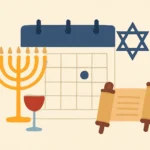
The tapestry of Judaism celebrations is woven from a calendar that blends sacred time with daily life. In Jewish life, time is not a neutral backdrop for human activity; it is a medium in which memory, covenant, and obligation are continually renewed. The holiday cycle marks moments when families, communities, and individuals set aside ordinary routines to focus on meanings that have shaped the Jewish people for millennia. Across continents and cultures, Jewish celebrations express gratitude for creation, recount liberation, honor revelation at Sinai, celebrate harvests, and commemorate losses that taught resilience. The result is a rich panorama of festivals, rituals, songs, meals, and acts of study that connect generations.
This article surveys the major occasions, the recurring traditions, and the rituals that infuse Judaism celebrations with communal energy and personal meaning. While individual customs vary by denomination, geography, and family history, certain elements recur: sanctification of time, the home as a center of practice, the synagogue as a space for public worship, and the shared vocabulary of blessings, symbols, foods, and story.
The Weekly Rhythm: Shabbat and the Weekend of the Soul
One of the most sustained expressions of Judaism celebrations occurs every week in the form of Shabbat—the day of rest that begins Friday at sundown and ends on Saturday night. Shabbat is both a holy day and a weekly rhythm that punctuates the ordinary with intention. It is not merely a day off; it is a structured time of renewal, study, prayer, and family togetherness.
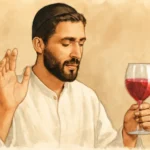
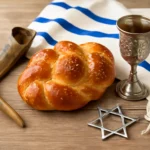
Central practices include lighting candles just before sunset on Friday, reciting the Kiddush blessing over wine or grape juice to sanctify the meal, and sharing two blessing-blessed meals that feature chalavot (bread) such as braided challah. In many homes, Friday night means a candle-lit dinner, songs, and discussions of the week’s events in a tone of gratitude and generosity. On Saturday, communal worship often takes place in the synagogue, followed by rest, Torah study, and a sense of spiritual elevation.
The ritual palette of Shabbat also includes Kiddush and Haftarah readings in the synagogue, as well as the Havdalah ceremony at twilight to separate the sacred time from the ordinary weekdays. For many families, Shabbat is a time to slow down, to refrain from certain kinds of work, and to focus on family, learning, and community.
Lighting the Shabbat candles and blessing the day’s entry
Kiddush at the table to sanctify the wine
Challah on the table—often braided and blessed
Reading or listening to Torah portions and parashah passages
Sharing stories of moral values and family history
Major Holidays in the Jewish Calendar: An Overview
The Jewish year is punctuated by a set of sacred days that vary in tone—from introspective fasting to festive rejoicing. Each of these occasions has its own historical memory, liturgical flavor, and customary foods. The following subsections outline the most prominent holidays, their meanings, and the way they are celebrated in many communities around the world.
Rosh Hashanah: The New Year and the Call to Introspection
Rosh Hashanah marks the beginning of the ten-day period of repentance that culminates in Yom Kippur. It is a time to reflect on the past year, to forgive, and to set intentions for the year to come. The holiday is often described as a day of judgment, yet it is also described as a day of tremendous hope and renewal.
Traditions for Rosh Hashanah commonly include baking and eating apple slices dipped in honey for a sweet year ahead, hearing the shofar blast—a ram’s horn blown in the synagogue as a wake-up call to repentance—and attending festive meals with family and friends. The prayers emphasize God’s sovereignty, the creation of the world, and the possibility of personal transformation.
Yom Kippur: The Day of Atonement and Spiritual Intensity
Often called the holiest day in Judaism celebrations, Yom Kippur is a day of fasting, prayer, and intensive self-examination. It same time a powerful expression of communal solidarity, as synagogues fill with people seeking forgiveness and recommitting to moral conduct. The typical schedule includes a pre-fast meal, 25 hours of fasting, multiple prayer services, and the concluding N’ila service followed by a long break-fast.
The liturgy asks God for mercy, forgiveness, and the renewal of the covenant. It is a day that emphasizes restraint and reflection as routes to moral renewal. In many communities, engaging in acts of charity (tzedakah) before and after the fast is viewed as essential to the process of repentance.
Sukkot: The Festival of Booths and Gratitude for Harvest
Sukkot occurs in the autumn and commemorates the Israelites’ forty years of wandering in the wilderness, living in temporary shelters. The holiday is marked by the building of a sukkah—a temporary, roofed structure with open sides where meals are shared. Some families also shake the lulav (palm branch) and etrog (citron) as part of the festival’s ritual.
The mood of Sukkot is jubilant and communal, with long meals, songs under the stars, and social gatherings that emphasize hospitality and generosity toward guests. The concluding days, Shmini Atzeret and Simchat Torah, heighten the sense of celebration and continuity of the Torah’s annual reading.
Shmini Atzeret and Simchat Torah: Celebration of Continuity
These connected holidays—often observed together in many communities—mark the end of one cycle of Torah readings and the beginning of a new one. Simchat Torah is especially known for its exuberant dancing with Torah scrolls in the synagogue, symbolizing the relationship between the Jewish people and the Torah as a living, dynamic tradition.
Hanukkah: The Festival of Lights and Rededication
Hanukkah commemorates the rededication of the Temple in Jerusalem after the Maccabean revolt and the miracle of the oil that lasted eight days. Practitioners light a menorah for eight nights, purple-hued lighting becomes a social and familial event, and traditional foods like fried delicacies—such as latkes—are enjoyed to recall the miracle of oil.
In homes around the world, children often receive gifts and play dreidel, a spinning top with Hebrew letters. The festival emphasizes resilience, rededication, and the capacity to transform hardship into a source of light for the community.
Tu BiShvat: The New Year for Trees and Environmental Reflection
Tu BiShvat is sometimes called the New Year for Trees. It is celebrated with the planting of trees in some communities, the eating of fruit, and a focus on ecological awareness and the natural world. This holiday is a bridge between the agricultural cycle and modern concerns about the environment in a Jewish ethical framework.
Purim: A Holiday of Courage, Joy, and Storytelling
Purim commemorates the events described in the Book of Esther: the survival of the Jewish people under danger, the bravery of Queen Esther, and the reversal of fate through collective courage. It is celebrated with public readings of the Megillah (the Scroll of Esther), festive meals, giving gifts of food (matanot la-evyonim), and charity to the poor. Many communities also enjoy hamantaschen, triangular pastries filled with fruits or poppy seeds.
Passover (Pesach): Liberation, Family, and the Seder
Passover is one of the most widely observed Judaism celebrations in which the story of the Exodus from Egypt is retold at a Seder. The Seder is a ritual meal that features a defined order of readings, songs, and symbolic foods. Matzah, bitter herbs, charoset, and a roasted bone or egg appear on the Seder plate, each item carrying a layer of meaning about slavery, freedom, and divine guidance.
The home becomes a theater of memory during Pesach: there is a prohibition against leavened bread (hametz), a search for chametz before the holiday begins, and the ritual re-telling of the plagues and liberation. Families often celebrate with special songs, hands-on activities for children, and the sharing of a narrative that anchors Jewish identity in history and hope.
Shavuot: The Giving of the Torah and The Festival of Weeks
Shavuot celebrates the revelation of the Torah at Mount Sinai, marking the culmination of the counting of the Omer that begins at Passover. The festival emphasizes study and learning, with many tradition-embedded practices such as reading the Book of Ruth and staying up late to study Torah. Dairy foods are commonly eaten, symbolizing the nourishments of divine revelation and the sweetness of the commandments.
Traditions and Observances: Practices that Shape Jewish Holidays
Outside of the specific holidays themselves, many Judaism celebrations are shaped by a set of enduring practices that weave together home life, ritual objects, and communal worship. The following traditions are widely observed and provide a framework for understanding how Jewish people celebrate, study, and connect with one another.
Blessings, Blessings, Blessings: The Language of Sanctification
Blessings are the daily grammar of Judaism celebrations. They sanctify ordinary moments, mark transitions, and connect human actions to divine presence. Before meals, after waking, before lighting Shabbat candles, and at the start of many rituals, Jews recite brachot. These brief prayers acknowledge gratitude, acknowledge dependence on God, and invite mindfulness into ordinary acts.
Torah Study and Textual Engagement
Central to Jewish life is the engagement with texts—Scripture, the rabbinic tradition, commentaries, and modern essays. During holidays like Shavuot, study becomes a primary expression of celebration. In many households, the home becomes a study hall during festival times, and communities host lectures, study sessions, and discussion circles to explore the resonances of the sacred texts with contemporary life.
Home Rituals, Meals, and Hospitality
The home is a center of ritual life for many Judaism celebrations. Specific meals, table blessings, and the warmth of hospitality showcase how Jewish tradition often emphasizes welcoming guests and the family as a locus of memory. The kiddush at the table, the use of candles, and the sharing of symbolic foods are pages in a common book that many families read together.
Symbolic Foods and Their Meanings
Food serves as both a mnemonic device and a gateway to values. In Pesach, matzah stands for haste and freedom, while bitter herbs recall the bitterness of slavery. In Hanukkah, fried foods evoke the miracle of oil, and in Sukkot, meals in the sukkah celebrate shelter, hospitality, and gratitude for sustenance. Across holidays, many communities use symbolic foods to teach children and remind adults of the ethical ideals embedded in Jewish tradition.
Music, Liturgy, and Song
Prayer services blend ancient liturgy with music that ranges from solemn to celebratory. The piyutim (liturgical poems) and traditional tunes accompany the readings and prayers. Songs collected in the Haggadah for Pesach, the Arba’ah Turim melodies, and contemporary compositions are all used to cultivate memory, emotion, and community bonding within Judaism celebrations.
Ritual Objects, Sacred Space, and Material Culture
Material culture plays a supportive role in the Jewish celebration calendar. Objects, spaces, and signs help orient participants toward the sacred. While hewn from different communities and eras, these elements share a common function: to help people remember, perceive, and enact a sense of covenant.
Torah scrolls—the central text of Jewish law and narrative
Menorah and Hanukkah menorah for lighting the nights of Hanukkah
Lulav and Etrog during Sukkot, representing the harvest and unity of the festival
Kiddush cup used for sanctifying the wine at Shabbat and holidays
Challah bread—braided loaves symbolizing the sustenance of life
Mezuzah on doorposts as a reminder of divine protection and commandment
Tallit and Tefillin for certain prayers and ceremonies
Shofar—the ram’s horn blown on Rosh Hashanah and occasionally during other occasions as a call to attention
These objects do not merely decorate rituals; they anchor the senses and memory. The materials—whether a parchment scroll, a silver cup, or a wooden sukkah frame—carry centuries of storytelling and law, inviting participants to participate in a larger narrative.
Life-Cycle Events and Personal Milestones within Jewish Celebrations
Beyond the annual calendar, Judaism celebrations include important life events that are sanctified by ritual. These occasions often bring extended families and communities into shared experiences that transmit values, ethics, and communal responsibilities from one generation to the next.
Bar and Bat Mitzvah: Coming of Age and Public Responsibility
A bar mitzvah (for a boy) or bat mitzvah (for a girl) marks the transition into religious adulthood. At this milestone, a young person typically chants portions of the Torah, leads parts of services, or delivers a d’var Torah—a short reflection on the weekly reading. The ceremony is both a personal rite of passage and a communal declaration: the individual is now responsible for observing the mitzvot and participating in Jewish life with greater maturity.
Bris Milah, Bnot Milah, and Naming Ceremonies
The bris milah (circumcision) for male infants is a covenantal ceremony that emphasizes lineage, identity, and continuity. Naming ceremonies for girls are also meaningful rites that welcome a new child into the family and the community. These moments are often celebrated with family gatherings, blessings, and the sharing of ancestry, reminding participants that life is a woven fabric of past, present, and future.
Weddings and Family Rituals
Jewish weddings configure a sacred bond between partners and link them to the community’s stories. The ritual often includes breaking the glass to acknowledge fragility in life, along with blessings, the reading of the ketubah (marriage contract), and a reception that invites guests to participate in the couple’s joy. The ripples of joy from a wedding extend to the home and neighborhood as families congratulate the new couple and offer support for building a life together.
Death, Mourning, and Remembering
Jewish ritual life also contains deeply meaningful practices surrounding death and memory, with customs that balance mourning and remembrance. While not a celebration in the festive sense, these rites—such as sitting shiva, reciting Kaddish, and visiting graves—are essential to Jewish life and its insistence on continuing memory, learning, and support for the bereaved.
Celebration Across Communities: Diversity, Unity, and Adaptation
The way Judaism celebrations are observed can vary widely. Across the diaspora, communities have adapted rituals to local customs, climates, and languages while preserving a shared core of meaning. Some differences are liturgical (what prayers are emphasized), others are culinary (which foods symbolize a holiday), and still others are practical (how households organize time and space for rituals).
In some communities, women’s groups take leading roles in candle lighting, meal preparation, and Torah study during holidays, highlighting the importance of women’s voices in religious life.
In others, egalitarian or liberal congregations expand participation to include mixed participation in all services and readings.
Immigrant and diaspora communities often blend traditional foods with local flavors, creating new tastes that become part of the Judaism celebrations lexicon.
Regardless of differences, the shared language of tradition binds diverse groups. The holidays, the weekly events, and the life-cycle rites create a common frame through which a people remembers the past and shapes the present with ethical commitments to justice, charity, learning, and community service.
Education, Reflection, and the Transmission of Tradition
A hallmark of Judaism celebrations is transmission: teaching younger generations to recognize sacred time, understand the meanings behind the rituals, and practice a life aligned with shared values. In many Jewish communities, education is integrated into festival programs, with children’s programs accompanying holiday meals, adults gathering for in-depth study led by rabbis or lay scholars, and intergenerational activities that emphasize continuity.
For families and teachers, the calendar becomes a curriculum in which stories from the Bible, rabbis’ interpretations, and ethical parables are brought to life through discussion, art, drama, and hands-on projects. This educational approach helps sustain a living culture that remains relevant in changing social contexts while maintaining reverence for the past.
Practical Tips for Observing Jewish Celebrations at Home
Whether you are new to Jewish life or seeking to enrich your home observance, here are practical ideas that reflect the spirit of these celebrations:
Begin Shabbat with a simple, meaningful candle-lighting ritual and a prepared Kiddush at the first evening meal.
Create a Seder experience for Pesach with a child-friendly guide, explaining each symbol on the plate in plain terms.
Decorate the sukkah and invite neighbors to share a meal under the shelter of the temporary structure during Sukkot.
Practice mindful hospitality by inviting guests who are far from family or who seek a sense of belonging within the community.
Involve children in the preparations for holidays; assign simple tasks that connect them to the meaning of the day.
The aim of these suggestions is not to create rigid rules but to foster an atmosphere in which meaning emerges through participation, memory, and shared experience. The beauty of Judaism celebrations lies not only in the words of prayers but in the lived experience of family, friends, and community gathered around common values.
Conclusion: Why Jewish Holidays Matter Today
The holidays, traditions, and rituals of Judaism provide more than a calendar of special days. They offer a framework for living a life of intention, responsibility, and care for others. The annual cycle, with its moments of joy, solemnity, liberation, gratitude, and memory, invites individuals to reflect on their role within the covenant, their obligations to their neighbors, and their responsibilities toward future generations.
By studying the Judaism celebrations—their stories, their songs, their foods, and their prayers—we gain insight into a people’s sense of timing, purpose, and hope. This article has explored the broad spectrum of holidays, the traditions that accompany them, and the rituals that give daily life texture and depth. Whether you are exploring Jewish culture, preparing to observe a holiday, or seeking to understand the spiritual energy that pervades Jewish life, the calendar offers a compelling invitation: to join in the ongoing work of memory, learning, and renewal.