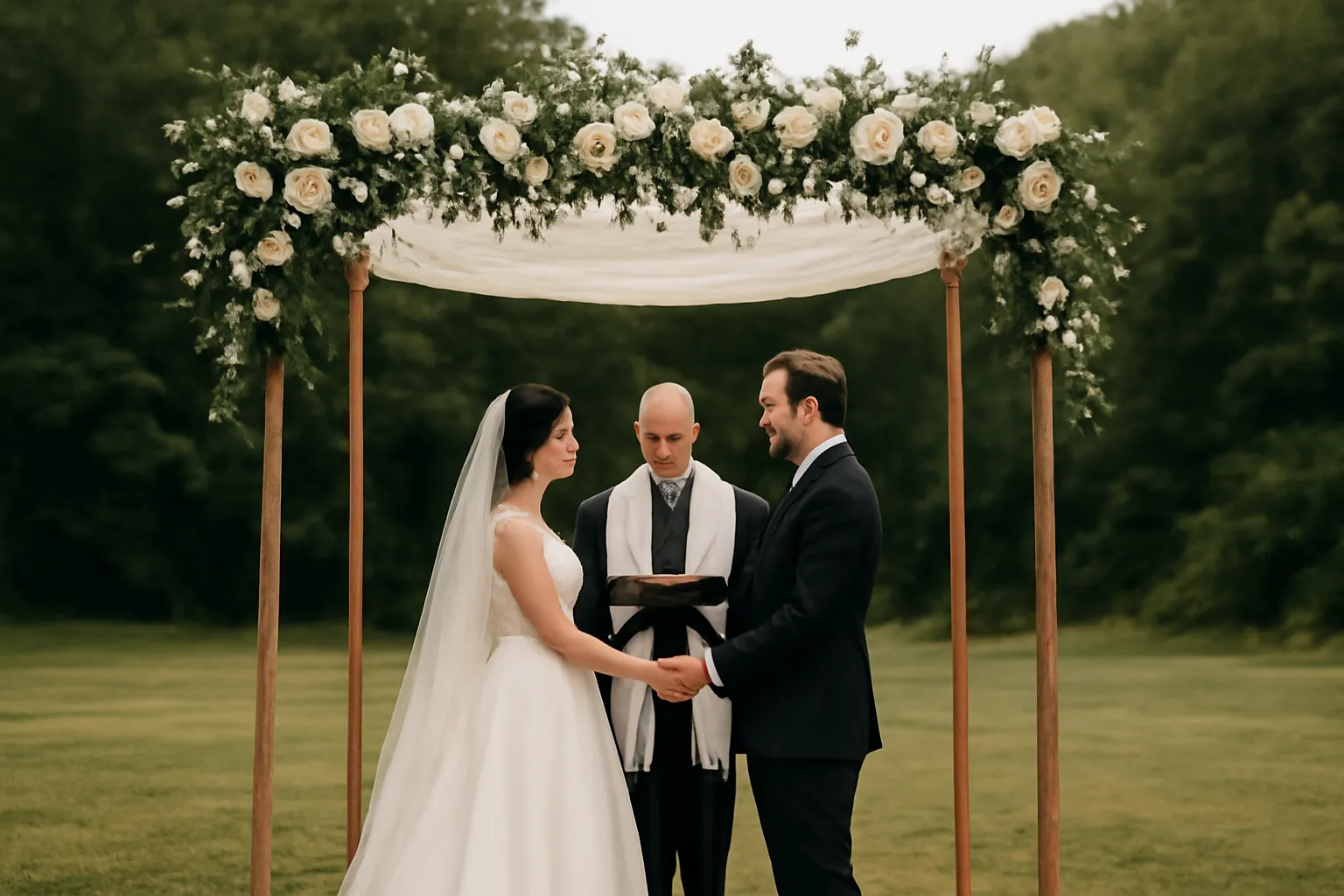
A Chuppah Jewish wedding canopy is one of the most enduring symbols in Jewish marriage rituals. Across communities and generations, the chuppah represents the couple’s new home and the shelter that their partnership will provide to each other, their families, and eventually their community. In many weddings, the canopy is a focal point that unites meaning, ceremony, and design into a single, visible gesture. This article offers a thorough exploration of the chuppah, including its meaning, design, and traditions, while also looking at cultural variations, practical considerations, and contemporary reinterpretations. Whether you are planning a wedding under the chuppah or studying Jewish wedding customs, understanding the layers of symbolism helps illuminate why this canopy remains central to Jewish life and memory.
The chuppah traces its roots to biblical and rabbinic sources, where the concept of a “covering” around a home or union appears as a symbol of protection, partnership, and sacred space. In modern practice, the canopy is more than a decorative element; it creates a defined space within which the couple makes ritual commitments. Some of the most important frameworks of meaning associated with the chuppah include:
Home and hospitality: The open sides of the chuppah are often interpreted as a sign that the couple’s home will be a place of welcome, generosity, and inclusion for family, friends, and guests.
Divine presence: The canopy is commonly described as a symbol of God’s protective presence as the couple undertakes the mitzvot (sacred duties) of marriage.
Solidarity and partnership: The four corners and four posts can symbolize the couple’s combined strength, with the two of them standing together against life’s winds and tempests.
Transparency and commitment: Under a canopy with open sides, the couple’s vows are spoken in the presence of witnesses, underscoring the communal nature of Jewish marriage and accountability to the community.
Continuity and lineage: The chuppah is a tangible link between generations—parents, grandparents, and the wider family often participate in the ceremony, keeping a living sense of continuity.
In different communities—from Ashkenazi to Sephardi to Mizrahi—the essence of the chuppah remains constant, even as the look, timing, and accompanying rituals vary. The canopy’s shape and materials may change, but the central ideas of shelter, sacred partnership, and communal blessing persist across traditions. In some rituals, the chuppah is also used as a backdrop for the ketubah (the marriage contract) or as the site where the most significant blessings are recited by the rabbi and guests. Regardless of style, the chuppah is intentionally a shared space, not merely a decorative feature, and it invites everyone present to witness the couple’s vows and future hopes.
Design and construction of the chuppah
The design of the chuppah is as varied as the couples who choose it. While the essential elements are consistent—an open housing (the canopy) supported by four poles—the materials, ornamentation, and even the geographic interpretations shift with culture, climate, and personal aesthetics. The following sections unpack key components, materials, and stylistic options that characterize the modern wedding canopy.
Core elements: canopy, four poles, and the ritual space
At its most recognizable, a chuppah consists of:
Canopy fabric: The cloth that forms the literal shelter over the couple.
Four poles: Sturdy supports at each corner, often carried by family members or members of the wedding party.
Open sides: Unlike a tent, the chuppah is typically open on the south, east, north, and west, symbolizing openness to guests and the wider community.
Symbolic height: The canopy is usually modest in height, inviting the attendees to witness the moment rather than isolating the couple from the gathered circle.
Some couples choose to combine the canopy with a tallit as an overlay or even use the tallit itself as the canopy, bringing in another layer of meaning. In other cases, a lightweight fabric or a custom-lit textile is used to create a particular mood—classic white for purity, ivory for tradition, or color to reflect a wedding theme. The choice of materials is often shaped by climate, venue, and the couple’s aesthetic.
Materials, textures, and symbolic motifs
People decorate the chuppah with a variety of textures and motifs. Common choices include:
Ivory or white fabrics as a traditional base, conveying purity and new beginnings.
Silk, satin, linen or lightweight cottons for a draped, elegant effect.
Floral garlands or arrangements along the perimeter for fragrance, color, and beauty.
Symbolic motifs: Stars, doves, olive branches, or other culturally meaningful icons can be woven into or embroidered onto the fabric.
Personal touches: Family heirloom textiles, a knot or crest, or fabric printed with a meaningful quote or date.
Outdoor settings demand considerations for wind and weather; lighter fabrics may flutter, while sturdy poles or heavier textiles help the canopy hold its shape. Indoor settings can accommodate larger or more elaborate canopies, sometimes featuring lighting elements (soft uplighting, candles in safe holders, or lanterns) to create a warm ambience under the chuppah.
Placement and setting
The chuppah is typically positioned in a location that is central to the ceremony area and visible to most guests. It may be placed in front of the couple’s seating section, at the focal point of the ceremony space, or in a designated “wedding platform.” In many venues, a raised platform helps ensure that the canopy and the couple are clearly visible to all attendees, especially for long-distance guests or livestreams.
Traditions under the chuppah: rituals, steps, and blessings
The chuppah is not just a stage; it is a ritual site where several important elements of the wedding ceremony take place. Across Jewish denominations, the core ideas remain consistent, but the sequence and the emphasis may differ. Here are some of the most common components associated with the ceremony under the canopy.
The wedding under the chuppah: core rituals
Ketubah presentation and reading: In many weddings, the ketubah—the marriage contract—appears near the chuppah, and witnesses are called to sign it either before or after the ceremony, depending on local custom and rabbinic guidance.
Betrothal and kiddushin: The formal sanctification of the union occurs under the chuppah, highlighting the couple’s entry into a covenant of mutual responsibilities and love.
Sheva Brachot (Seven Blessings): Recited over a cup of wine, these blessings are often delivered by the Rabbi or cherished guests and focus on joy, companionship, and the creation of a holy home.
Circling (khallulah or circling by the bride): In many Ashkenazi and Conservative rites, the bride circles the groom seven times, symbolizing the creation of a new domestic space or the weaving together of two lives. Some Sephardic and Mizrahi traditions interpret this differently or omit it.
Breaking of the glass: At the conclusion of the ceremony, the groom (and sometimes both partners) may break a glass with a foot, commemorating the destruction of the Temple in Jerusalem and signifying the fragility of human happiness and the need to protect the relationship.
The exact order and presence of these elements can vary by community, synagogue custom, and family preference. However, the shared thread is clear: the chuppah marks the moment when the couple stands in a dedicated, holy space to profess their vows while being witnessed by loved ones.
Participant roles and inclusivity under the canopy
In traditional settings, family members or mentors often participate by holding the poles of the chuppah, signaling their support for the couple’s new home. In contemporary ceremonies, it is common to invite friends or members of the wedding party to carry the poles or to stand as witnesses while the vows take place under the canopy. There is also increasing attention to inclusivity; some couples include both partners’ families in meaningful ways, or they opt for a ceremony that reflects a same-sex couple’s journey—yet still retains the symbolic chuppah framework.
Cultural variations: Ashkenazi, Sephardi, and Mizrahi interpretations
The basic symbolism of the chuppah—home, sanctity, community—appears across Jewish cultural landscapes, but the expression can differ in style, text, and ritual emphasis. Understanding these variations helps to appreciate how diverse Jewish life is, while still honoring a shared core meaning.
Ashkenazi practice under the chuppah
In Ashkenazi communities, the chuppah is often white or ivory with subtle decorations. The couple commonly stands alone under the canopy during the core blessings, and the bride may circle the groom as a tangible symbol of creating a new space. The rabbinic blessing and the Sheva Brachot are central, and the ketubah is frequently displayed or read near the chuppah area. Outdoor installations might include leaves or seasonal flora, while indoor setups emphasize symmetry and elegance.
Sephardi and Mizrahi perspectives
Sephardi and Mizrahi wedding customs under the chuppah frequently feature more color, textures, and pre-existing family heirlooms integrated into the decor. The canopy itself may be richly embroidered or draped with traditional fabrics from the couple’s cultural heritage. Blessings, recitations, and songs often reflect Mediterranean, North African, or Middle Eastern musical traditions. Some Sephardic rites emphasize the significance of hospitality, with the chuppah space arranged to highlight the home’s warmth as a symbol of welcome. In these communities, music and dancing may begin sooner or continue after the chuppah ceremony, weaving the ritual into a broader celebratory arc.
Modern adaptations and contemporary trends
In recent years, couples have expanded how the chuppah is designed and used, while preserving its essential symbolism. Some notable trends include the following:
Eco-friendly canopies: Reusable fabrics, sustainable textiles, and minimal waste decorations align with contemporary environmental values.
Minimalist chuppahs: Clean lines, monochrome palettes, and understated elegance suit modern venues and photography.
Non-traditional materials: Poles made from metal, wood with natural finishes, or repurposed architectural elements offer a current twist on the classic design.
Personalized symbolism: Couples incorporate family heirlooms, quotes, or symbolic objects into the canopy or its surrounding decor to reflect personal narratives.
Inclusive variations: Some couples use the chuppah concept to celebrate both partners’ families equally, inviting both to hold poles or to participate in readings and blessings.
In addition to design changes, many ceremonies explore interfaith or intercultural partnerships under the chuppah by inviting meaningful blessings from partner faiths or cultures, provided this honors the couple’s beliefs and keeps the ceremony respectful and coherent. The chuppah remains a flexible and meaningful framework within which couples can create a ceremony that resonates with their values and community.
Practical considerations for hosting a chuppah wedding
If you are planning a wedding under the chuppah canopy, several practical considerations help ensure the ceremony runs smoothly, is comfortable for guests, and respects tradition.
Venue and weather: Outdoor settings require contingency plans for wind, rain, or heat. A weather-resistant canopy material, pegging, and wind breaks can prevent movement, and a backup indoor plan is wise.
Ground and footing: Ensure the ground under the chuppah is stable and even, with secure anchors for the poles. For soft turf or sand, heavier bases or weighted poles might be necessary.
Accessibility: The chuppah should be accessible to all guests, with a clear path for seating and for anyone with mobility needs.
Sound and visibility: The officiant’s voices must carry to the entire assembly under the canopy, so consider microphone placement and line-of-sight between the couple and the guests.
Decoration and safety: Lights, candles, or decorative items should be placed in a way that does not obstruct the officiant or pose a fire hazard; flame-based decor is typically used with caution and within safety guidelines.
Timing and flow: The sequence of blessings, circling, and the breaking of the glass should be practiced with the wedding officiant to ensure a smooth, meaningful flow during the ceremony.
For couples and families, the chuppah is a living part of the wedding day—an event within the larger frame of Jewish life. Engaging a planner, rabbi, and venue coordinator who understand the symbolism and logistics of the chuppah can help turn a traditional concept into a personal, resonant moment.
The chuppah as a living tradition: reflection and memory
A wedding under the canopy is not merely a moment of ritual; it is an opportunity to reflect on Jewish identity, family history, and the community’s role in a couple’s life. The chuppah serves as a reminder that marriage is both a private commitment and a public moment of blessing. For many, the ceremony under the canopy becomes a cherished memory to pass along to future generations, a symbol of hope, and a sign that the couple is stepping into a shared future with gratitude for the past.
Glossary of chuppah-related terms
To help readers unfamiliar with Jewish wedding vocabulary, here is a quick glossary of terms most commonly associated with the chuppah.
Chuppah: The wedding canopy under which Jewish weddings are performed; symbolizes home, sanctity, and God’s presence.
Ketubah: The marriage contract that outlines the obligations of the spouses; often signed near the chuppah.
Sheva Brachot: The seven blessings recited over wine to sanctify the marriage and bless the couple’s future life together.
Kiddushin: The sanctification moment in the ceremony; the first formal act of becoming betrothed in Jewish law.
Circling: The ritual act in which the bride circles the groom (common in Ashkenazi and some Conservative weddings) under the chuppah to symbolize creating a new family circle.
Conclusion: preserving meaning while embracing diversity
The chuppah Jewish wedding remains one of the most enduring icons of Jewish marriage. Its symbolism—home, shelter, blessing, community—transcends time and place, while its design and ritual practices continuously adapt to new generations and new interpretations. By balancing reverence for tradition with a willingness to personalize, couples can honor the chuppah’s legacy while making their own vows, stories, and dreams central to the ceremony. Whether you prefer a minimalist canopy with intimate décor or a vibrant, tradition-rich installation filled with family textiles and meaningful motifs, the chuppah provides a flexible and reverent space for a couple’s most important moment: the moment they commit to building a life together under a shared roof of love, faith, and community.
If you are planning your own chuppah ceremony, consider how the canopy can express your identities, a sense of belonging, and the values you want to carry into your marriage. Whether your family’s tradition calls for a grand ceremony or a quiet, intimate gathering, the chuppah offers a powerful framework for marking the occasion with intention, beauty, and lasting meaning.