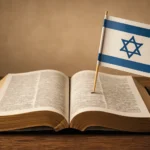
The Bless Israel Bible is more than a study resource; it is a pathway for readers to explore the historical, theological, and practical dimensions of biblical blessings as they relate to Israel and the wider people of God. This article offers a comprehensive guide to understanding and embracing the blessings framed in the scriptures, while also addressing how to approach the Bless Israel Bible as a study Bible, a devotional companion, and a catalyst for personal faith and communal life.
The phrase Bless Israel Bible may be encountered in several forms, including Bless Israel Bible study resources, Bless Israel study Bible, and Bless Israel Bible commentary. While different publishers propose slightly different layouts, the core aim is consistent: to illuminate the biblical concept of blessing as it pertains to Israel’s covenantal relationship with God, while inviting readers from all backgrounds to engage with the scriptures in a meaningful way. In this guide, we will often refer to the resource as the Bless Israel Bible or Bless Israel Bible to capture the breadth of its uses, from scholarly study to devotional reading.
Why focus on Israel in the context of biblical blessings? Because Scripture presents blessing as a multidimensional gift—promised, proclaimed, and enacted—throughout the narratives of Abraham, Isaac, Jacob, Moses, David, the prophets, and Jesus. The Bless Israel Bible aims to help readers trace these strands across the Old and New Testaments, recognizing how God’s purposes for Israel intersect with God’s gracious purposes for all nations.
Core themes you will encounter in the Bless Israel Bible
As you explore this resource, several enduring themes emerge. The following outline highlights the key ideas that scholars, pastors, and lay readers often find most impactful. The headings include variations of language to emphasize semantic breadth and facilitate cross-cultural engagement.
Covenant and blessing: The expectation that God’s people live under a mutual pledge that encompasses protection, prosperity, and presence.
Land and legacy: The gift of land to the patriarchs and the shaping of a people with a unique mission in the world.
Hope and restoration: The biblical narrative’s arc toward moral renewal, national repentance, and spiritual renewal.
Judgment and mercy: The tension between divine discipline and divine compassion as part of divine blessing.
Ethics of blessing: How those who are blessed are called to bless others and to seek justice for the vulnerable.
Messianic expectation: The way blessings participate in anticipation of fulfillment in the Messiah, who Christians believe brings salvation to all nations.
Worship and witness: Blessings expressed through worship, praise, and a life that testifies to God’s goodness.
The language of blessing
In the Bless Israel Bible, you will encounter repeated attention to terms such as barak (to kneel or bless, to speak well of), ebhel (a root often tied to prosperity and well-being), and shalom (completeness, peace). Understanding these terms in their original contexts helps readers grasp why blessings in Scripture are not merely emotional moments but covenantal declarations with real consequences in history, culture, and personal life.
To study biblical blessings with the Bless Israel Bible is to engage with a whole system of theology that unfolds across the pages of Scripture. Here are some of the most important foundations commonly emphasized in this resource.
Covenant faithfulness: God’s blessings arise within a covenant framework, where divine promises are confirmed through steadfast faithfulness and obedience (or, at times, faithful repentance) of humans.
Grace before merit: While obedience is a theme, biblical blessings begin with God’s gracious initiative—a gracious gift that invites response, gratitude, and trust.
Inclusion and mission: Blessings to Israel also carry a missionary impulse—blessings are meant to spill over to the nations, inviting peoples from all backgrounds into God’s blessing story.
Transformation: True blessing often includes moral and spiritual transformation—toward justice, mercy, humility, and love for neighbor.
Hope amid exile: The biblical pattern repeatedly includes seasons of exile or hardship, in which blessings are reinterpreted, renewed, and proclaimed anew.
From Abrahamic promise to messianic fulfillment
The Bless Israel Bible often traces how the blessing given to Abraham becomes a thread that unites the Old and New Testaments. In Genesis, God’s call to Abraham is framed as a blessing to “be a blessing” to others. In the Christian reading of Scripture, the life, death, and resurrection of Jesus are seen as the culmination and fulfillment of that blessing, extending the same saving intention to all nations. Even when the language centers on Israel, the blessing is often read as universal in scope—inviting all people to participate in God’s gracious reign.
Whether you approach Bless Israel Bible as a study Bible, a devotional guide, or a commentary resource, adopting a thoughtful approach yields deeper understanding. The following practices can help you maximize the value of this resource.
Set goals for each reading: Decide whether you are studying for theology, for personal faith, or for teaching others. Having a clear aim keeps your reading focused.
Use cross-references: One hallmark of a good study Bible is its map of intertextual connections. Track how blessings are echoed across Genesis, Psalms, Isaiah, and the Gospels.
Engage with original languages: If possible, consult Hebrew terms linked to blessing and consider semantic shifts across versions.
Note the audience: Distinguish passages written to Israel, to the church, or to a wider audience. The Bless Israel Bible often helps you notice shifts in audience and purpose.
Reflect in community: Discuss insights with a study group, church class, or online forum. Different perspectives illuminate subtle points you might miss alone.
Practical study plan
Here is a simple, repeatable plan you can adapt:
Week 1: Read selected passages about Abrahamic blessing in Genesis with attention to promises, calls, and responses.
Week 2: Explore blessing language in the Psalms and prophetic books, noting how hope and judgment are paired with blessing.
Week 3: Read the New Testament passages that connect Jesus’ life to the blessing motif, focusing on fulfillment and inclusion.
Week 4: Apply the themes by journaling a personal response—how does God’s blessing shape your conduct toward others?
The Bless Israel Bible is typically designed with features that aid comprehension and application. While editions may vary, common elements include the following:
Inline notes and commentary: Concise explanations that connect verses to broader theological themes.
Cross-references: Links to related texts that illuminate how blessings recur across biblical books.
Maps and timelines: Visual tools to situate the geography and chronology of blessing narratives.
Glossary of terms: Definitions of Hebrew terms related to blessing, covenant, and mercy.
Devotional prompts: Short questions or prayers to help readers apply blessings to daily life.
Reading the Bless Israel Bible invites readers to consider how blessing translates into action. The following sections highlight practical implications for personal life, community, and global outlook.
Blessing as action
In Scripture, blessing is rarely a private feeling alone. It often includes a public dimension—speaking well of others, seeking their well-being, and laboring for their good. The Bless Israel Bible emphasizes that:
Blessing others reflects gratitude to God and honors the dignity of neighbors, including strangers and marginalized groups.
Justice and mercy accompany blessing, reminding readers that prosperity must be accompanied by care for the vulnerable.
Civic and communal welfare is a dimension of blessing—an ethical obligation toward families, communities, and nations.
Beyond grand themes, readers can practice blessings in small, faithful ways:
Speaking encouragement to family, coworkers, and friends.
Supporting charitable efforts that align with biblical values of justice and mercy.
Praying for leaders, communities, and nations, asking for wisdom and reconciliation.
Carrying a posture of hospitality toward strangers, including immigrants and refugees.
Because the Bless Israel Bible often interacts with Hebrew language and ancient Near Eastern contexts, readers should be aware of translation choices that shape interpretation. The same blessing motif may be expressed with different emphases in various verses, and the distinction between singular and collective blessings can affect how passages are read in a modern setting.
Some readers will notice:
Hebrew verb forms that indicate action versus mere sentiment—helping readers discern when a blessing is a blessing-prayer, a prophetic proclamation, or a covenantal pledge.
Prophetic promises that point toward future fulfillment, which can be interpreted differently in Jewish and Christian traditions.
Typology and fulfillment in the New Testament, where blessings associated with Israel are reconciled with a universal mission.
Like any study resource, the Bless Israel Bible benefits from critical engagement. Some scholars and readers may raise questions about indiscriminate application of biblical blessings to every situation or about political implications in modern contexts. It is important to:
Distinguish ancient and contemporary contexts while recognizing the enduring ethical commitments of Scripture.
Respect interpretive diversity within the broader Christian and Jewish communities, acknowledging different interpretive lenses.
Stay grounded in love and justice as you navigate claims about national or ethnic blessing, ensuring that interpretations align with the broader biblical witness toward love of neighbor.
To transform study into living faith, consider the following pathways for integration:
Personal devotion: Use the Bless Israel Bible for daily or weekly readings that are complemented by journaling and prayer.
Group study: Organize a study circle to discuss insights, questions, and applications, fostering mutual learning and accountability.
Teaching and preaching: Use themes of blessing to craft sermons or lessons that speak to contemporary life while rooted in biblical text.
Community service: Let blessing be a motive for service—volunteering, supporting those in need, and advocating for justice.
Here are common inquiries readers may have about this resource, along with concise answers to help guide your use.
Is the Bless Israel Bible suitable for beginners? Yes. It is designed to be accessible to new readers while also offering deeper insights for more advanced study. Start with the devotional notes and gradually explore the cross-references.
Does it lean toward a particular denomination? Many editions are ecumenical in intent, aiming to illuminate a shared biblical heritage. Some notes may reflect denominational perspectives; readers should take them as interpretive aids rather than final authorities.
Can non-Israelite readers benefit from it? Absolutely. Although the focus is Israel in covenant history, the blessing themes are framed to invite readers from diverse backgrounds into the biblical story of God’s grace.
How does it handle prophetic passages? The Bless Israel Bible typically highlights the tension between immediate historical context and longer-term fulfillment, guiding readers to interpret prophecy with both fidelity to the text and awareness of its broader implications.
Leaders who incorporate the Bless Israel Bible into curricula or sermon series can benefit from these approaches:
Scenario-based preaching: Use hypothetical or real-life situations to illustrate how blessing should shape decisions and relationships.
Historical-context lessons: Offer lessons on biblical covenants, land promises, and exile, helping listeners connect ancient texts to modern realities.
Interfaith respect: When engaging audiences from different faith backgrounds, emphasize shared values such as justice, mercy, and peace, while clearly presenting distinct perspectives.
Creative adaptations: For classrooms or small groups, develop activities that dramatize biblical blessings and their effects on character and community.
One of the strengths of a resource like the Bless Israel Bible is its potential to foster respectful dialogue between Jewish and Christian readers. By focusing on blessings, covenants, and a shared reverence for the Hebrew Scriptures, it invites conversations about how both traditions understand God’s promises, the role of Israel in salvation history, and the universal scope of God’s mercy. Readers should approach such dialogue with humility, listening to diverse voices, and presenting their insights with care.
Understanding the literary craft of blessing narratives can deepen comprehension. Common devices include the following:
Poetic cadence: Blessings often use parallelism, rhythm, and vivid imagery to convey fullness of life, fertility, prosperity, and protection.
Covenantal rhetoric: Blessings function as formal commitments with reciprocal expectations between God and humans.
Symbolic geography: The movement from land to nations (and back) frequently encodes spiritual journeys from exile to restoration.
Typology: Later texts reinterpret earlier blessing motifs to foreshadow or illuminate later revelations, including messianic expectations.
If you are considering adding this resource to your collection, consider these criteria:
Clarity: Are explanations clear and well-structured for your reading level?
Accuracy: Do notes align with mainstream scholarly consensus while acknowledging minority viewpoints?
Practical relevance: Do devotional prompts and study questions translate into real-life growth?
Accessibility: Is the layout reader-friendly, with helpful maps, glossaries, and indexes?
To extend your exploration beyond the Bless Israel Bible, consider the following suggested reading tracks that complement the themes of blessing, covenant, and mission:
The Covenant Narrative: Genesis through Deuteronomy to explore the roots of blessing in Abrahamic faithfulness and covenant promises.
The Psalms of Blessing and Lament: A study of how praising God coexists with questions about suffering and exile.
Prophetic Perspectives on Blessing: Books like Isaiah and Jeremiah offer visions of restoration and justice tied to blessing.
Gospels and Epistles on Blessing: Read passages that connect Jesus’ teaching and the Church’s mission to the blessing motif.
Interfaith Reflections: Works that compare biblical blessing with Jewish and Christian understandings of blessing in practice and worship.
The Bless Israel Bible points readers toward a holistic understanding of blessing—one that encompasses gratitude to God, responsibility toward others, and a hopeful expectation of renewal for the world. Embracing biblical blessings responsibly means recognizing their transformative potential: they invite us to live with courage, to extend grace, and to participate in God’s mission to bring peace and justice to all peoples. By engaging deeply with this resource, you embark on a journey that honors the biblical narrative’s integrity while inviting contemporary relevance.
In sum, Bless Israel Bible serves as a multifaceted instrument for exploring how God’s blessings have shaped Israel’s story and can shape our own lives today. Whether you approach it as a study Bible, a devotional guide, a teacher’s resource, or a personal companion for spiritual growth, it offers a structured pathway to understand the theological depth of blessing, the ethical call it entails, and the hopeful future it points toward. By attending to its themes, using its features wisely, and engaging with its broader scholarly and devotional ecosystem, you can grow in wisdom, discernment, and love—qualities that Scripture consistently associates with true blessing.