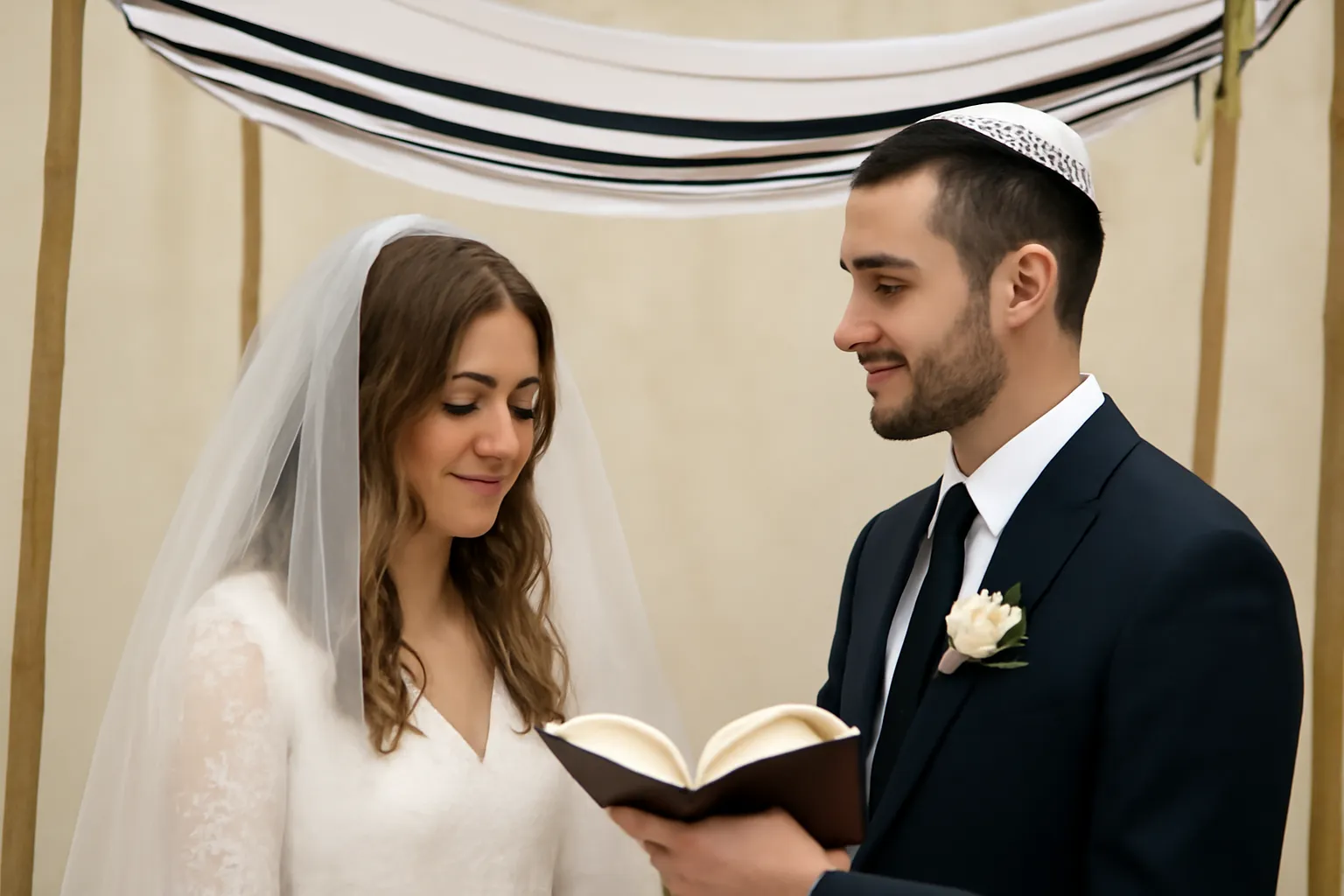
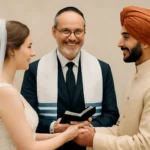
In a Jewish wedding, the Sheva Brachot—often translated as the Seven Blessings—stand at the heart of the ceremony. These blessings, recited over wine under the chuppah, express joy, gratitude, and hope for the couple’s future. They come with rich traditions, signaling the couple’s entry into a new life together, and they offer a structured moment for family, friends, and the community to participate in the couple’s celebration. Across communities, you will hear variations in language, order, and who recites the blessings, but the central meaning remains the same: to sanctify the marriage, to bless the couple with joy and sustenance, and to envision a shared, meaningful life.
This article explores 7 blessings Jewish wedding culture from three angles: the meaning behind each blessing, the visible traditions that accompany them, and practical guidance on how to recite these blessings in ways that fit different communities and styles. You’ll also encounter variations of the phrase “seven blessings” and related terms—such as Sheva Brachot and Seven Blessings—to broaden understanding and searchability for readers researching the topic.
What are the Sheva Brachot? Meaning Behind the Seven Blessings
The Sheva Brachot are a coordinated sequence of seven blessings that celebrate the couple, the new home, and the ongoing Jewish people. Usually recited just after the couple exchange rings, during the wedding under the chuppah, they are traditionally followed by a festive meal and, in many communities, by additional celebratory recitations in the days that follow.
The core ideas of the Seven Blessings include sanctification of the union, joy in the couple’s life, the creation of a home, continuity of family and community, and peace and blessing for the future. Readers will find that these themes recur across languages and communities—even as the wording, language, and reciter roles vary.
In this section, we present the seven blessings in a paraphrased English rendering that captures their well-known meanings. When planning your ceremony, you may choose to use these paraphrases for inspiration or pair them with a traditional Hebrew text and/or a formal transliteration. Always coordinate with your officiant or rabbi to align with your community’s customs.
First blessing: Sanctification and commandment regarding marriage — This blessing acknowledges that the couple’s union is a holy act commanded by God and embraced within Jewish law and tradition. It is a declaration that the marriage is a mitzvah (a commandment) and that the couple is entering a sanctified relationship.
Meaning: The couple is set apart as partners in purpose and covenant; the community blesses this sacred decision.
Why it matters: It frames the wedding as a meaningful religious act, not merely a social contract.
Second blessing: Joy for the bride and groom — This blessing blesses the happiness of the couple as they embark on their life together.
Meaning: Joy and gladness are seen as essential components of a healthy marriage.
Why it matters: It invites the guests to share in the couple’s happiness and to nurture it.
Third blessing: Creating joy, love, and companionship — The third blessing expands the theme of joy to include love, companionship, and harmony between the new spouses.
Meaning: The marriage is blessed with love that endures and with a home built on mutual respect.
Why it matters: It foregrounds emotional connection as a spiritual value within family life.
Fourth blessing: Blessing for the couple’s mutual delight and the sanctity of the home — Recognizes the home as a source of warmth and a place for growth, learning, and shared life.
Meaning: The couple’s home becomes a center of warmth, hospitality, and moral growth.
Why it matters: It ties the personal sphere of the couple to communal and religious responsibilities.
Fifth blessing: Children, the future, and the continuity of life — This blessing looks ahead toward family life, children, and the continuation of Jewish life through descendants.
Meaning: The blessing places value on family, lineage, and the transmission of values and tradition.
Why it matters: It expresses hope for the couple to build a family and to nurture future generations.
Sixth blessing: Gratitude for life and the power of love — Emphasizes gratitude, vitality, and the sustaining power of love in the couple’s journey.
Meaning: Life is a gift, and love is a source of strength and resilience for the couple.
Why it matters: It invites the community to bless and cultivate ongoing gratitude in marriage.
Seventh blessing: Peace, goodness, and blessing for the couple and their home — Concludes the sequence with a blessing of peace, harmony, prosperity, and life abundant.
Meaning: The couple’s life together should be blessed with peace, mutual care, and fruitful growth.
Why it matters: It aims to set the tone for a lasting, resilient marriage and a welcoming home.
While these paraphrased meanings are helpful for understanding the intent of the Sheva Brachot, the traditional liturgy is often prayed in Hebrew with a classical cadence. Some communities also provide translations in the local language or in transliteration for accessibility. If you are planning a modern ceremony, you may decide to present the Seven Blessings in English, with the option to recite the Hebrew original as well, depending on the preferences of the couple, the officiant, and the guests.
Traditions Surrounding the 7 Blessings: How They Live in the Ceremony
The tradition of the Sheva Brachot is not only about the words themselves but also about the moment, the ritual actions, and the community’s participation. The blessings are typically recited over a cup of wine, which is passed among the participants as each blessing is pronounced. The act of sharing wine is a joyous gesture—wine being a universal sign of celebration in Jewish life.
Key elements of the traditions around these blessings include:
Participation by multiple voices: In many communities, seven different people (often family members or friends) recite the seven blessings, one blessing per person. In others, a single cantor or rabbi may lead, with the congregation responding with blessings or refrains.
Sequence and timing: The blessings are part of the ceremony under the chuppah. In some traditions, all seven are recited on the wedding day; in others, some or all of the blessings are recited during the week of Sheva Brachot after the wedding, inviting guests to gather for additional recitations.
Language choices: Communities vary between Hebrew, English, or bilingual renditions. Transliteration is common to help guests participate if the Hebrew text is unfamiliar.
Role of the couple: The couple often participates in the recitation by drinking from the wine after each blessing or by simply listening, depending on local customs and the officiant’s guidance.
Relation to other wedding rites: The seven blessings are traditionally followed by the breaking of the glass, a symbolic act that marks both the fragility of joy and the permanent nature of the covenant.
Traditions vary by tradition, including Ashkenazi, Sephardi, Mizrahi, and contemporary egalitarian practices. Some communities emphasize the unity of families in the recitation of the blessings, while others emphasize the couple’s direct blessing from a rabbi or cantor. Regardless of the specific style, the goal is to elevate the moment with reflection, gratitude, and communal connection.
How to Recite the Seven Blessings: A Practical Guide
If you are new to planning a Jewish wedding, you may want a practical guide to reciting the Sheva Brachot. Here is a step-by-step approach designed to be adaptable to different communities and comfort levels. It emphasizes clarity, inclusivity, and spiritual focus.
1) Decide who will recite
Common options include seven separate participants (one per blessing), a single leader (rabbi or cantor) with responses from the congregation, or a hybrid where some blessings are read by one person and others by a small group.
In modern weddings, you may invite family members, friends, or members of the wedding party to participate. It’s best to confirm the lineup with the officiant ahead of time.
2) Choose the language and text
Decide whether to present the blessings in Hebrew, English, or a bilingual mix. If using Hebrew, ensure that readers are comfortable with the pronunciation; provide a transliteration if helpful.
Provide a short English translation for all participants to follow, especially for guests who are not fluent in Hebrew.
3) Prepare the wine and the setup
Use a clear, clean cup of wine (or grape juice for a non-alcohol option) as the vessel for the blessings. The cup is passed around in a traditional manner, allowing each reader to pronounce the blessing and then pass the cup to the next reader.
Position the participants so that they can see the couple and the officiant clearly. A quiet, respectful tone helps everyone follow along.
4) Practice the flow
Create a simple order: Blessing 1, Blessing 2, …, Blessing 7. If you are using transliterations, print them on cards for each reader and place them near the cup.
Designate a cue for the end of each blessing—perhaps a soft cue from the cantor or a natural pause—so readers can maintain a smooth rhythm.
5) The recitation itself
Each reader should speak clearly and at a measured pace. Pause briefly after each blessing to let the congregation respond with “Amen” or with their own blessings.
After the last blessing, the couple may take a sip of the wine together, symbolizing their shared joy and commitment.
6) Transitions and sensitivity
Be mindful of the privacy of the moment. Some couples prefer a solemn ceremony, others favor a lively atmosphere. Adapt the tone to the couple’s vision while maintaining reverence for the ritual.
Respect diversity: If some guests do not feel comfortable reciting or hearing certain prayers, consider offering an English translation and a moment of reflection instead of requiring participation in Hebrew only.
7) Post-ceremony considerations
If your tradition includes a week of celebrating with the Sheva Brachot, plan follow-up gatherings where additional blessings are recited. These recitations often occur at home or at the home of a family member and can be a powerful way to extend the wedding joy to the entire community.
Provide guests with a brief explanation card describing the meaning of the Blessings and inviting them to participate or listen with intention.
Tip: If you have guests who are not familiar with Jewish customs, a short preface explaining the significance of the Seven Blessings can enrich the experience. A simple note can help everyone understand why the blessings are a central moment in the ceremony.
Variations Across Communities: How 7 Blessings Look Different
The Sheva Brachot are a syncretic tradition with many local and demographic flavors. Here are some common variations you may encounter:
Ashkenazi vs. Sephardi/Mizrahi traditions: While the general purpose of the blessings is consistent, the exact wording and cadence can differ. Sephardi and Mizrahi communities may incorporate elements from their own liturgies or add appropriate musical or poetic flourishes.
Gender roles: Contemporary egalitarian ceremonies often invite women to read blessings or participate in the recitation, whereas some more traditional circles may see male readers as the norm. The important thing is to align with the couple’s preferences and community norms.
Language choices: Some couples prefer fully Hebrew readings, others favor English translations, and many choose a bilingual approach so that all guests can participate meaningfully.
Temporal settings: In some weddings, all seven blessings are recited at the ceremony; in others, some are recited at the ceremony and the remainder during the week of Sheva Brachot, extending the celebration and inviting ongoing participation.
Regardless of the chosen variation, the communal spirit remains important. The blessings function as a bridge—linking ancient ritual with modern expressions of love, family, and community.
Practical Tips for Couples Planning To Use the 7 Blessings
If you’re preparing for a Jewish wedding and want the seven blessings to feel authentic, accessible, and meaningful, consider the following practical guidance:
Consult with your officiant early: Your rabbi, cantor, or officiant can tailor the blessings to your tradition and ensure proper order and pronunciation. They can advise on whether to recite in Hebrew, English, or both.
Prepare accessible materials: Provide guest-friendly cards that include both the Hebrew text (if used) and an easy-to-understand translation. A transliteration helps non-Hebrew speakers participate.
Create a participant plan: Decide who will read each blessing, and confirm the sequence. If you plan a week of recitations, prepare a schedule for the week of Sheva Brachot and designate hosts for each evening.
Consider inclusivity: If you have guests who are not familiar with Jewish practice, offer a brief explainer before the ceremony and include a bilingual version of the blessings.
Balance the mood: The seven blessings can be solemn, celebratory, or a mix. Discuss the intended tone with your officiant and choose musical or liturgical embellishments that fit your vision.
The core aim is to convey reverence for the sacred relationship you are forming, while inviting your community to share in your joy. Whether you lean toward a traditional, fully Hebrew recitation or a modern, accessible English translation, the Seven Blessings remain a resilient symbol of partnership, faith, and communal support.
Conclusion: The Lasting Significance of the Seven Blessings
The 7 blessings Jewish wedding—whether you call them Sheva Brachot or the Seven Blessings—are more than a ceremonial formality. They are a compact liturgy that encapsulates enduring Jewish values: sanctification through partnership, joy as a daily practice, the creation of a home grounded in love and obligation, the continuity of family and community, and the blessing of peace in the couple’s life together. The way you choose to recite them—one reader or seven, Hebrew or English, under the chuppah or in a later gathering—can echo your identity as a couple and your community’s traditions.
By understanding the meaning, honoring the traditions, and planning thoughtful recitation approaches, you can ensure that the Seven Blessings are a memorable, moving, and inclusive moment in your wedding day. Whether you are part of a classic Orthodox ceremony, a Sephardi-inspired ceremony, or a modern egalitarian celebration, the heart of the Sheva Brachot is the same: blessing the couple with a future that is holy, joyful, and full of possibility.