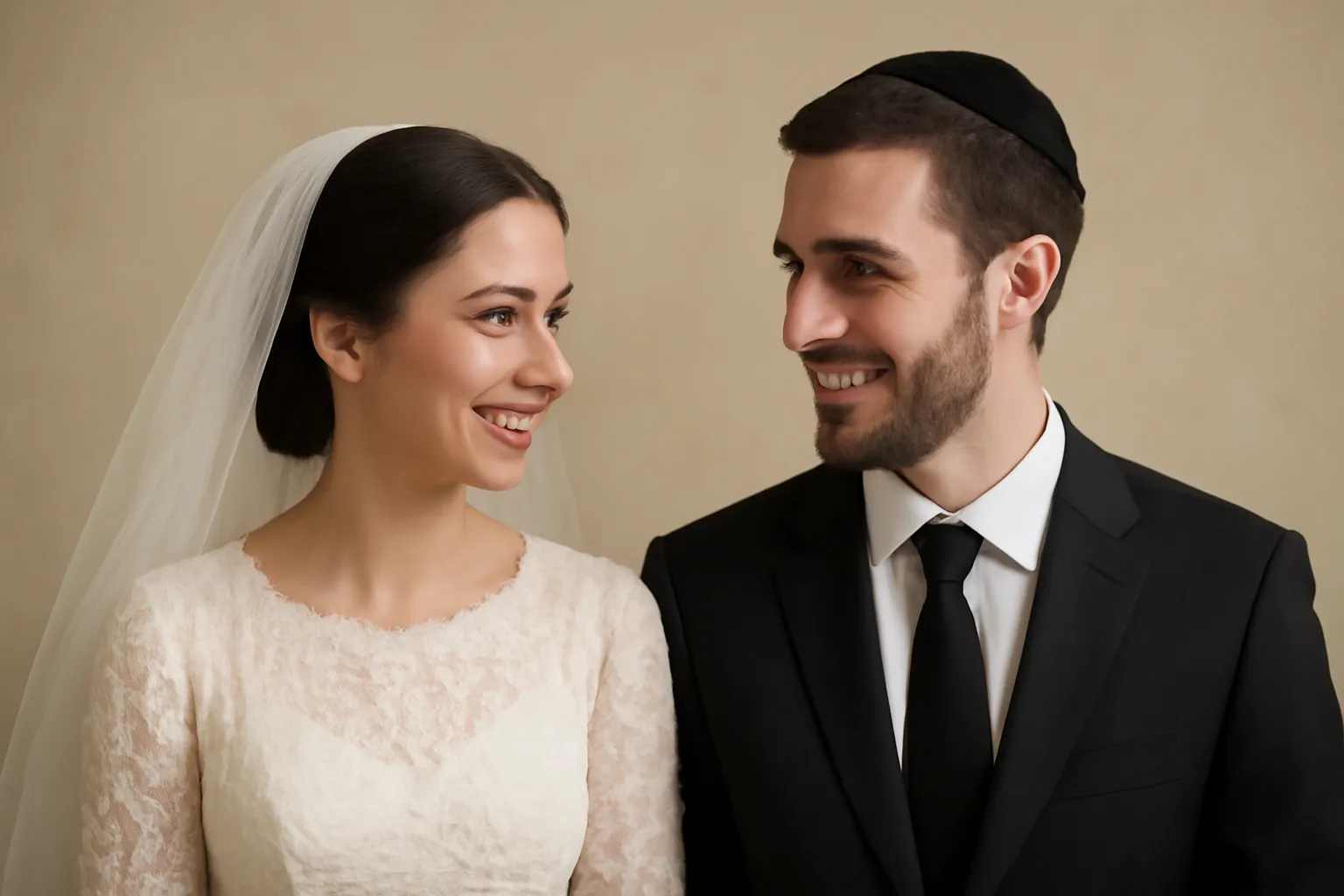
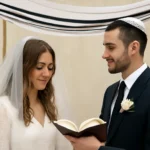
Arranged Jewish marriage, traditionally known in Hebrew as the shidduch, is a form of matching that has evolved over centuries. It sits at the intersection of family involvement, religious obligation, and evolving ideas about personal autonomy. In contemporary discourse, the practice is often described with a spectrum of terms, including traditional matchmaking, familial matchmaking, and arranged marriage, with many communities favoring a nuanced blend of structures that protect both communal values and individual choice. This article surveys the traditions, religious foundations, and modern perspectives on how Jewish communities approach the idea of pairing two people for a lifetime, highlighting the ways in which old rituals adapt to new norms while maintaining core commitments to faith, family, and mutual respect.
Understanding the Practice: What is an Arranged Jewish Marriage?
At its heart, the shidduch is a process of initiating a life partnership through a guided match. It is not simply a single date or a casual introduction; it is a structured process that may involve family members, a professional matchmaker (the shadchan), rabbis, and carefully considered questions about compatibility, values, and goals. In many communities, the word arranged emphasizes external coordination that helps prospective partners learn about each other, while the expectation remains that both people must consent to proceed. In other words, a traditional shidduchim system seeks to align two people in terms of religious outlook, life goals, and personal temperaments, while preserving the dignity and agency of the individuals involved.
To broaden the scope, it is useful to distinguish several related concepts:
Shidduch (singular) and shidduchim (plural) denote the matchmaking process and the matches themselves.
Traditional matchmaking refers to the process led or heavily guided by family and community norms, often with ritual and religious considerations at the forefront.
Modern dating within Jewish life may apply to people who embrace more autonomy in choosing a partner yet still operate within the expectations of their community and faith.
Family involvement underscores the communal and generational dimensions that many Jewish families consider essential to lifelong cohesion.
Historical Foundations and Religious Context
Origins in Jewish Law and Community Norms
The idea of arranging marriages has roots in biblical and rabbinic literature, where arranged or guided introductions appear as a practical approach to building families within a religious framework. The process is shaped by the interplay of two arenas: civil and religious law (halacha). Within many communities, the goal is not simply to wed two individuals but to forge a union that honors God, sustains communal continuity, and fosters mutual responsibility.
Important terms to understand the religious frame include:
Halacha (Jewish law) informs what kinds of engagements are permissible before a formal marriage and how the couple’s obligations develop over time.
Erusin and Nissuin are the two stages of the Jewish marriage process in traditional practice. Erusin is often described as betrothal, a formal commitment that sanctifies the couple, while nissuin completes the union in a ritual ceremony.
Ketubah is the marriage contract that outlines obligations between spouses, typically including financial, emotional, and social responsibilities.
In many communities, the match is framed as aligning two families around shared religious commitments, especially with respect to observance, schooling, and future family life. The emphasis on consent reflects a modern ethical standard: even within a traditional framework, individual willingness remains essential. Historically, some matches were arranged with little personal input from the couple; today, most scholars and community leaders emphasize that genuine agreement and mutual desire are central to the integrity of the union.
While there is variety among communities, many traditional arranged marriages follow a recognizable sequence:
Initial screening and background gathering by a shadchan or family members to assess compatibility in values, religious outlook, and life plans.
Introduction through a formal or semi-formal meeting, sometimes accompanied by a group welcome or a brief conversation to gauge mutual interest.
Dates and courtship proceed with increasing transparency about goals, levels of religious observance, desire for children, education, career plans, and geographic preferences.
Family involvement remains a central thread, with parents, grandparents, and community mentors occasionally offering guidance and perspective.
Consent and engagement culminate in a formal agreement to proceed to erusin, often accompanied by a betrothal announcement to the community.
Pre-wedding preparation includes etiquette, spiritual guidance, and often educational sessions about marital communication, finances, and household management.
It is important to note that the exact rhythm and emphasis of these stages vary. Some communities place heavier weight on rabbinic oversight or on specific community norms, while others emphasize the couple’s direct alignment and mutual choice before any formal engagement.
Roles of Family, Community, and Rabbis
The family involvement in the shidduch is not merely ceremonial. Parents and elders often serve as cultural brokers who interpret family histories, educational trajectories, and religious commitments. They may:
Provide references and character assessments of prospective matches.
Facilitate introductions and arrange social contexts where couples can observe compatibility.
Offer guidance about communal expectations, such as debates around schooling, synagogue affiliation, and tradition-rich practice.
Advise on long-range plans for children, finances, and neighborhood or community life.
Rabbis or religious leaders, too, play a crucial role, especially in ensuring that the match aligns with halacha and with the couple’s spiritual and moral goals. They may:
Offer blessing and guidance on the religious dimension of the union, including kashrut, daily ritual practice, and communal involvement.
Help interpret the couple’s readiness for erusin and nissuin within the community’s norms.
Traditions Across Jewish Communities
Ashkenazi vs Sephardi/Mizrahi Practices
Within the Jewish world, regional and cultural diversity shape how arranged marriages are framed. In Ashkenazi communities, you may encounter a long-standing emphasis on modest introductions, scholarly alignment, and a strong sense of parental guidance. Sephardi and Mizrahi communities often place equal or greater weight on family hospitality, language, culinary traditions, and compatibility of liturgical tunes and holiday practices. The shared objective, however, remains the same: to cultivate a durable bond rooted in common faith and mutual respect.
Specific ritual differences can include:
Variations in the terminology used during the matchmaking process, with different communities favoring different phrases and rituals to describe the initial introductions and subsequent steps.
Differing expectations around dating norms, physical interaction, and the pace at which couples should proceed from introduction to engagement.
Variations in wedding customs, including ceremony structure, blessing sequences, and family participation in the celebration.
Across these diverse traditions, the core values—mutual consent, commitment to religious life, and the well-being of potential offspring—often remain consistent, even as practices adapt to contemporary life.
Modern Perspectives: From Tradition to Contemporary Life
Reasons People Choose Arranged Matchmaking Today
In modern Jewish life, a matchmaking-based approach is valued for several reasons:
Value alignment: Families and communities prioritize shared religious beliefs, educational goals, and lifestyle expectations to increase long-term compatibility.
Stability and clarity: The process can reduce the social and emotional risks associated with dating by providing a framework of accountability and support.
Community continuity: For many communities, maintaining religious practices and communal cohesiveness is a key goal, and a guided match can help sustain these traditions.
Support networks: The involvement of family and community can provide practical and emotional resources during engagement, marriage, and early years of family life.
That said, many people who pursue or participate in arranged marriages also value personal autonomy. In contemporary practice, couples often have significant input and can decline a match if it does not feel right, ensuring that the process respects their consent and preferences. This balance—a respect for tradition while honoring individual choice—has become a hallmark of many modern approaches to shidduchim.
As with any traditional system, there are critiques and challenges associated with traditional matchmaking and arranged marriages:
Autonomy and consent: Critics argue that the line between guidance and coercion can blur, especially when family pressure is intense or when personal desires are not fully honored.
Gender dynamics: Some observers raise concerns about how decisions are made, the roles assigned to men and women, and whether both partners have equal voice in choices that affect their lives.
Coercion and coercive environments: In some communities, social pressure to marry within a particular circle or under certain circumstances can be perceived as coercive.
Psychological and emotional risk: The process can be emotionally demanding, especially if there is ambiguity about compatibility or if the timeline for engagement is compressed.
Proponents respond that when conducted ethically, with explicit consent and transparent communication, matchmaking can build couples with shared foundations, strong family support, and a durable sense of belonging within a faith-based community.
Intersections with Modern Dating and Technology
Shidduch Apps and Online Platforms
In recent decades, some communities have embraced technology to facilitate introductions while maintaining religious and ethical standards. Popular trends include:
Online matchmaking profiles that emphasize religious observance, educational background, and goals for family life, enabling families or matchmakers to screen for alignment.
Privacy safeguards and explicit consent protocols to protect personal information and ensure comfortable levels of disclosure.
Hybrid models in which shadchanim use digital tools, but still provide the human mediation that many families find valuable.
Despite technological options, the human element—character, integrity, and shared purpose—remains central. Many communities find that a personal meeting, often in a trusted social setting, offers a more reliable gauge of compatibility than any online profile alone.
Legal and Ethical Considerations
Halachic Perspectives on Consent and Autonomy
The religious framework surrounding arranged marriages is complex and nuanced. Jewish law recognizes the binding nature of erusin and nissuin when engaged and married partners consent to the process and affirm their intent before witnesses.
Key considerations include:
Consent must be explicit and informed; pressure, manipulation, or deception undermines the validity of the engagement and the sanctity of the marriage.
The ketubah codifies the couple’s commitments, including financial obligations and responsibilities, and is designed to protect both partners and provide a clear framework for married life.
There is a long-standing legal and spiritual emphasis on safeguarding personal dignity and ensuring that the process respects the couple’s agency while aligning with community norms.
Ethical discussions today focus on ensuring that matchmaking practices are transparent, voluntary, and supportive of both partners’ growth. Rabbis and scholars encourage communities to adapt to changing social contexts while preserving the sacred nature of the covenant.
Lifecycle, Weddings, and Aftercare
The Ketubah and Wedding Ceremonies
The wedding of a Jewish couple—whether by traditional arrangement or by more autonomous dating pathways—often centers on two core rites: erusin and nissuin. These act as two stages of the ceremony that sanctify the union in the eyes of the community and God. The ketubah serves as a written contract enumerating the obligations of the husband toward the wife, including care, financial support, and protection. Modern ketubahs may be richly designed and reflect the couple’s values, including language about equality, mutual respect, and shared life goals.
Wedding rituals vary by community and family tradition but commonly include:
Reading or signing of the ketubah with witnesses.
The groom’s circling the bride (in some traditions) or alternative symbolic acts representing unity.
Blessings recited by a rabbi or designated officiant, invoking divine partnership and community support.
Breaking of a glass by the groom (and sometimes both partners) to acknowledge the fragility of life and the sanctity of the covenant.
After the wedding, the couple often engages in ongoing guidance and counseling, especially in homes with strong religious commitments. Community programs, marital education, and spiritual introspection can help sustain the partnership through parenting, work, and evolving life circumstances.
Balancing Tradition with Individual Choice
One of the defining features of the modern era is the ability to harmonize inherited traditions with evolving expectations about personal identity, autonomy, and equality. For many Jews, the ideal arrangement is one in which:
The matchmaking process serves as a supportive framework rather than a coercive directive.
Couples are empowered to voice their preferences, set boundaries, and pursue education and career opportunities without compromising their faith.
Religious obligations and community values are honored while respecting individual temperament, aspirations, and life plans.
In practice, this balancing act may manifest as:
Involving a shadchan or family in the early stages, followed by ample dating time for the couple to learn about one another.
Providing access to counseling, mentorship, or religious guidance to help couples navigate compatibility and conflict resolution.
Encouraging open communication about expectations for children, education, work-life balance, and religious practice within the home.
Common Myths and Clarifications
As with any cultural practice, several myths surround arranged marriages in Jewish life. Clarifying these helps readers gain a realistic understanding:
Myth: Arranged marriages deny personal choice. Clarification: In many communities, consent, mutual interest, and autonomy are central; the process is designed to facilitate informed decisions rather than coerce.
Myth: Matches are always arranged without meeting. Clarification: Most contemporary arrangements involve introductions followed by dating to determine compatibility, with the option to decline at any stage.
Myth: Arranged marriages are inherently rigid. Clarification: Modern matchmaking often embraces flexibility, communication, and adaptation to individual goals while preserving core values.
Glossary of Key Terms
For readers new to this topic, here is a quick glossary of terms frequently encountered in discussions of Jewish matchmaking and marriage:
Shidduch — the matchmaking process or a prospective match.
Shadchan — the matchmaker who facilitates introductions and coordination.
Shidduchim — multiple matches or the practice of matchmaking as a whole.
Erusin — betrothal or the first stage of the wedding process.
Nissuin — the conclusion of the wedding process, where the couple becomes fully married.
Ketubah — the marriage contract outlining the obligations of the husband to the wife.
Halacha — Jewish law governing religious and civil aspects of life, including marriage.
Further Readings and Resources
Readers seeking to explore this topic more deeply may consider a variety of sources, including rabbinic responsa, community guides, and scholarly works that examine the evolution of Jewish matchmaking. Some sources emphasize historical context and ritual practice, while others focus on contemporary ethics, counseling, and the social dynamics of modern Jewish life. When exploring these resources, it is helpful to keep in mind the spectrum of practice across different Jewish denominations and cultures, recognizing both shared commitments and regionally specific customs.
Conclusion: The Continuity of Tradition in a Changing World
Arranged Jewish marriage, in its many forms, embodies the tension and harmony between tradition and modern perspectives. The traditional shidduch remains a powerful instrument for aligning deeply held values, religious commitments, and life goals within a supportive community framework. Yet the essential principle that guides contemporary practice is clear: consent, mutual respect, and the dignity of the individuals involved must always anchor the process. Whether approached through familial matchmaking or through a combination of traditional matchmaking and modern dating, the goal remains the same—creating a lifelong partnership that honors faith, family, and the people who walk into a shared future together.