Bamboo Poles for Sukkah: Durable, Eco-Friendly Frames and Build Tips
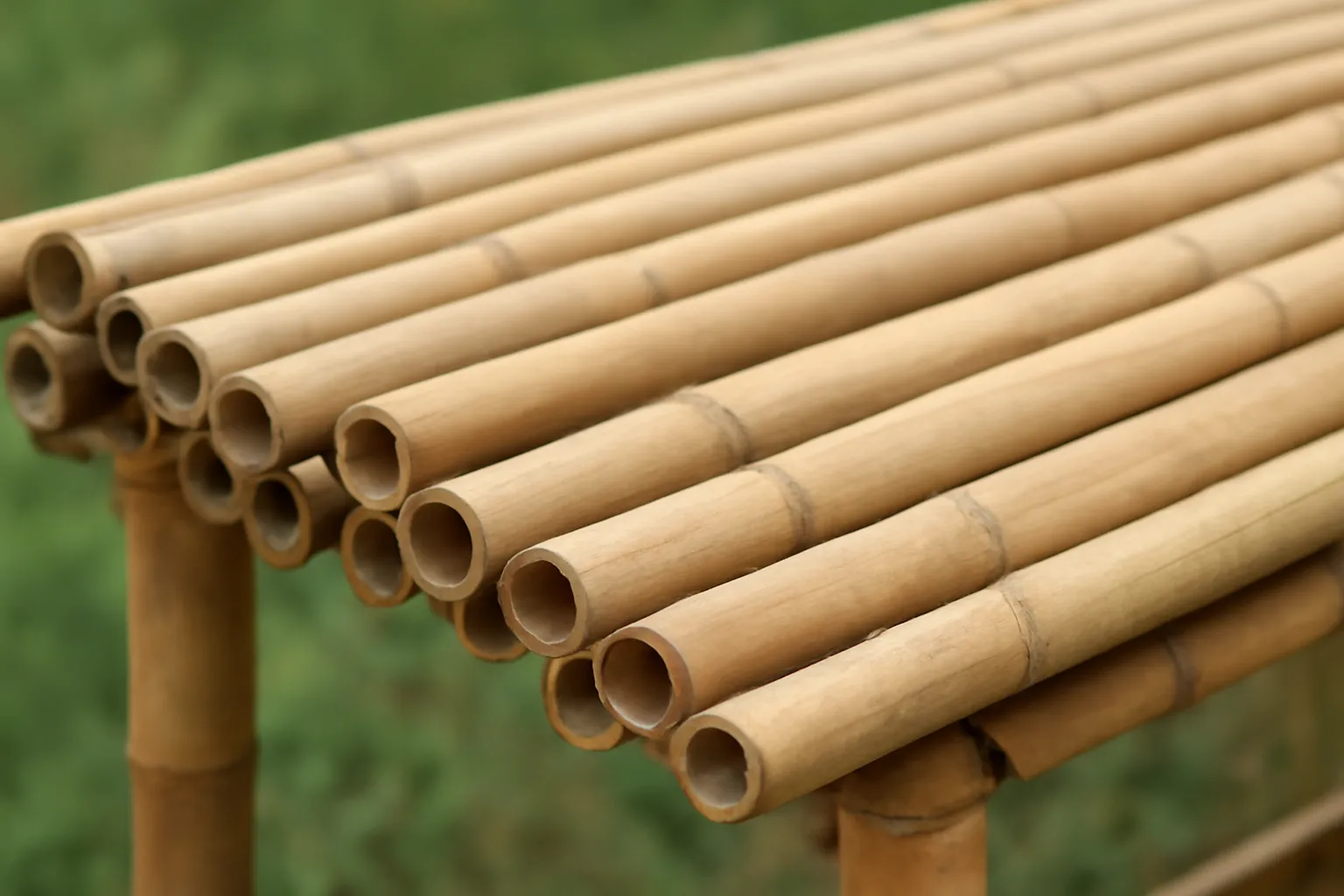
The sukkah, a temporary shelter erected for the festival, invites a fusion of tradition and practical craftsmanship. When you choose bamboo poles for sukkah, you are selecting a material that is not only durable and lightweight but also renewable and biodegradable. This article explores bamboo as a framing option, from sourcing and preparation to assembly, maintenance, and sustainable design. You will discover how to use bamboo pole frames to create sturdy, weather-resilient structures that honor the symbolism of the sukkah while remaining accessible for a broad range of budgets and spaces. We’ll also offer build tips, safety considerations, and variations of bamboo poles for sukkah to help you plan a frame that fits your needs.
Understanding bamboo as a framing material
Bamboo is not just a plant; it is a versatile construction material with a long history in many cultures. For bamboo sukkah poles, the most important features are the natural strength-to-weight ratio, straightness, and the variety of diameters available. Here are some key characteristics to keep in mind:
Why bamboo works well for sukkah frames
Lightweight yet strong: Bamboo poles can span significant distances without excessive weight, making assembly and transport easier.
Flexible yet rigid: While bamboo has a degree of flexibility that helps it absorb wind loads, properly joined frames hold their shape well.
Renewable resource: Bamboo grows rapidly and can be harvested with relatively low environmental impact.
Cost-effective: For many families, bamboo offers an economical alternative to heavier timber or metal framing.
Availability: Various diameters and lengths are commonly available at hardware stores, garden centers, and specialty shops.
Species and quality considerations
Not all bamboo is created equal. When selecting bamboo poles for sukkah, look for:
Species suitability: Some species are naturally more uniform in diameter and straighter than others. Bambusa and Phyllostachys varieties are popular for construction uses, but local varieties can also be excellent.
Straightness: Seek poles with minimal bow; straight sections are easier to connect and align in a frame.
Industrially treated vs. natural: Treated bamboo lasts longer in humid environments, but ensure any treatment is food-safe and solvent-free if you plan to place fruit or food near the sukkah.
Surface condition: Avoid poles with large cracks, splits, or fungal growth. Minor surface checks are common and can be addressed with proper preparation.
Planning your roofed frame: design options for bamboo poles for sukkah
Before cutting a single piece, sketch a design that suits your space, climate, and the rules you follow for sukkah construction. The design can range from a compact, stand-alone frame to a more elaborate, wall-supported structure. Here are common approaches:
Freestanding bamboo frame
A simple arrangement uses vertical uprights connected by horizontal crossbars at the top and base to form a strong, self-supporting skeleton.
Cross-bracing on the sides increases wind resistance and reduces wobble.
Height is typically chosen to allow comfortable standing space while accommodating a shach layer above.
Wall-supported or hybrid frames
Attach the bamboo frame to a wall or sturdy surface to add stability for windy conditions or uneven ground.
Corner joints anchored to existing walls can reduce the need for extensive ground anchors.
Consider a canopy extension or overhang to provide additional shade and microclimate control inside the sukkah.
Dimensional considerations and sizing guidelines
Upright height: Common heights range from 1.9 m to 2.4 m (6.5–8 feet) to create a comfortable interior space while keeping the roof within reach for placement of shach.
Crossbar spacing: Spacing of horizontals should provide enough strength without overly restricting interior space; typical spacings range from 0.6 m to 1 m (2–3 feet).
Base footprint: A stable base often corresponds to a square or rectangular footprint, though polygonal designs (octagonal or hexagonal) are possible with longer poles and careful bracing.
Tools and materials you’ll need for building with bamboo
As you prepare, assemble a kit of essential tools, fasteners, and safety gear. The right combination of items will help you work efficiently and safely with bamboo canes for sukkah.
Essential tools
Saw (a hand saw or a miter saw suitable for cutting bamboo cleanly)
Measuring tape and a chalk line for marking straight cuts
Cordless drill or hand drill for making screw holes if you combine with metal fasteners
Adze or drawknife for shaving sharp edges and preparing joints
Rope or twine (natural fiber or nylon) for lashings
Zip ties or plastic clamps for temporary holds during assembly
Safety gear: eye protection, gloves, and a dust mask when cutting
Fasteners and joinery options
Lashing with natural fiber rope (e.g., jute, hemp) or polyester cord to create strong, flexible joints
Stakes or anchors driven into the ground to stabilize uprights
Metal brackets or clamps for additional rigidity at joint intersections (useful for heavier frames)
Rubber or plastic washers to protect bamboo poles from direct contact with metal hardware
Step-by-step guide to constructing a bamboo sukkah frame
Below is a practical, easy-to-follow workflow designed for bamboo sukkah poles and practical huts. Adapt the steps to the size of your space and the chosen design. The process emphasizes safety, efficiency, and durability.
Step 1: Site preparation and layout
Clear the area of debris and level the ground as much as possible.
Mark the footprint of the sukkah with string or chalk. Ensure there is enough room for the roof and for people to move around inside.
Decide on the orientation of the structure in relation to sun, shade, and prevailing winds.
Step 2: Sourcing and preparing the bamboo
Inspect each pole for cracks, splits, or insect holes.
Cut to lengths according to your design, leaving a little extra for adjustments.
Trim the ends cleanly and deburr rough edges to prevent injury and to improve join quality.
Optionally, soak fresh poles briefly in water to relax the fibers for easier bending and fastening, though this is not strictly necessary for straight poles.
Step 3: Creating the frame skeleton
Assemble the vertical uprights first, placing them at the four corners or at key load points if you’re using a polygonal design.
Connect uprights with horizontal crossbars at the base and top to create a stable skeleton.
Check for plumb and square using a level and a tape measure.
Step 4: Fastening and lashing techniques
Join corners using a strong lashing method such as a clove hitch tied with a double wrap and finish with a stopper knot for security.
Cross-brace sides with diagonal lashings to prevent racking under wind pressure.
Where possible, add metal braces or clamps at joints for increased rigidity, especially if you plan to attach a heavy shach or if your climate experiences strong gusts.
Step 5: Ground stabilization and anchoring
Stakes: Drive stakes into firm ground at each uprights’ base and lash the pole to the stake for added resistance against tipping.
Weights: Use sandbags or weighted bases at the corners where ground conditions are soft or sandy.
Heights and alignment: Re-check verticals and ensure the frame sits evenly and the roofline is level across the structure.
Step 6: Installing the shach and wall elements
Place the shach canopy or layer across the top of the frame. Ensure it is evenly distributed and secured to prevent movement on windy days.
Attach optional walls or privacy screens using bamboo panels or lightweight fabric. Panels can be stitched to horizontal rails or tied to the uprights with twine.
Step 7: Finishing touches and safety checks
Inspect all joints and lashings for looseness; retighten or re-lash as needed.
Clear any protruding splinters; sand rough edges to minimize injury risk when passing near the frame.
Double-check the load-bearing capacity of joints once the shach is in place and consider additional bracing if you plan to hang decorative elements or lanterns.
Step 8: Routine inspection during the festival
Periodically check for movement or loosening joints, particularly after heavy rain or winds.
Inspect the ground anchors after storms and re-secure as needed.
Joinery and securing methods for bamboo poles
In a bamboo pole frames project, the method of joining and securing pieces determines how long the sukkah will stand and how easy it is to disassemble after the festival. Here are common approaches:
Lashing and binding techniques
Overhand lash around the joint with natural fiber rope to keep two poles aligned.
Diagonal lash along the corner to resist racking due to wind.
Square lashing for connections where a square joint is needed, such as between uprights and base rails.
Fasteners and hardware options
Metal brackets leave rigid, fixed joints but may require drilling and additional protection to prevent corrosion.
Zip ties or plastic clamps provide quick, temporary holds during assembly and can be used for lightweight panels or shach support.
Ropes and cords made from natural fibers or synthetic materials can offer a traditional aesthetic with strong performance.
Shach and roofing: bamboo across the top
The shach is the leafy or branch cover that provides shade while allowing a breeze to pass through. In a frame made from bamboo poles for sukkah, the shach can be placed in several ways to balance shade, wind protection, and adherence to tradition.
Choosing shach materials
Natural branches from palm, willow, or bamboo leaves can create a traditional, porous shade layer.
Fabric or matting for a more contained roof that still allows light to filter.
When using organic materials, ensure they are dry and sifted of debris to prevent mold or insect issues.
Attachment methods for shach
Securely tie the shach to the top rails with sturdy twine, checking for coverage and even distribution.
Distribute weight evenly so heavy piles do not pull on a single joint.
Leave a small gap for ventilation to prevent heat buildup inside the sukkah, especially in hot climates.
Maintenance, care, and longevity of bamboo sukkah frames
Proper maintenance extends the life of your bamboo pole frames and keeps them safe for use year after year. Here are practical care guidelines:
Seasonal preparation and protection
Dry storage: If you plan to reuse the frame, store it in a dry, ventilated area to prevent mold and rot.
Protection: Apply a non-toxic protective sealant to the exterior surfaces to reduce moisture uptake and insect access, taking care not to apply harsh chemicals near food items.
Inspection: Before each use, inspect joints, lashings, and anchoring points for wear and replace any compromised parts.
Natural treatments and eco-friendly options
Heat treatment (not always practical for DIY projects) can increase resistance to pests by shrinking fibers and hardening the surface.
Botanical oils or wax-based coatings may offer water resistance without introducing harmful chemicals.
Always prioritize non-toxic and food-safe materials if the sukkah will be used near edible items or children’s activities.
Environmental and sustainability considerations
One of the strongest advantages of using bamboo poles for sukkah is their environmental profile. Bamboo is a fast-growing, renewable resource that stores carbon as it matures. When you choose bamboo, you contribute to a low-carbon, low-waste project that aligns with ecological stewardship while respecting tradition. Here’s what to consider for a sustainable build:
Ethical and sustainable sourcing
Look for bamboo that is harvested from responsibly managed plantations or from bamboo stands that practice replanting and soil conservation.
Ask for documentation or certifications where available, such as sustainability labels or supplier statements about harvest practices.
Prefer locally sourced bamboo to minimize transport emissions and support local economies.
Life cycle and disposal
At the end of the season, a bamboo frame can be disassembled and repurposed into garden stakes, trellises, or decorative elements rather than sent to a landfill.
Natural bamboo, when untreated, will eventually decompose. If disposal is a concern, plan for a reuse cycle or composting where appropriate.
A practical comparison: bamboo vs. other framing options
To help you decide, consider how bamboo poles for sukkah compare with other common materials for sukkah frames, such as wood, metal, or PVC. Each material has its own performance profile:
Bamboo vs. wood: Bamboo is generally lighter and easier to work with, but wood can offer higher stiffness in certain designs. Bamboo is often more affordable and renewable.
Bamboo vs. metal: Metal frames are extremely durable in harsh weather but heavier and more expensive, and they can be less forgiving in a traditional aesthetic. Bamboo provides a rustic, natural look with easier handling.
Bamboo vs. PVC: PVC is weather resistant and low maintenance but less sustainable. Bamboo offers a more eco-friendly profile and a living, organic feel.
Common mistakes and how to avoid them
Even with careful planning, some missteps can undermine a bamboo sukkah project. Here are frequent errors and straightforward fixes:
Ignoring ground conditions: Soft or uneven ground can lead to wobble. Use stakes, weights, and cross-bracing to combat instability.
Underestimating wind forces: In windy locations, add diagonal bracing and ensure heavy sections are securely anchored.
Overlooking joints: Weak joints are common failure points. Use proper lashings, multiple wraps, and check tension after assembly.
Inadequate shach coverage: If the shading layer is too light or improperly attached, wind can lift it. Securely fasten and distribute weight.
Poor storage after use: Store poles dry and off the ground to prevent rot. Re-purpose or recycle poles when possible.
Innovations and variations: making your bamboo sukkah unique
Across different communities, builders have experimented with varied designs that maximize both function and aesthetics. Here are several bamboo pole-based solutions that illustrate the range of possibilities:
Curved or bent poles for decorative arches and softer lines, achieved with careful soaking and steaming methods (for experienced builders).
Polygonal roofs using bamboo frames arranged in hexagonal or octagonal patterns for an airy, contemporary look.
Integrated seating rails and benches built into the frame, using horizontal members that double as seating supports.
Natural shading panels attached to the sides, combining bamboo with woven grasses or palm fronds for texture and functionality.
Decor, symbolism, and community considerations
Beyond the structural aspects, the use of bamboo poles for sukkah offers an opportunity to reflect on tradition and community collaboration. You can engage family and neighbors in:
Hands-on framing sessions that turn into learning moments about geometry, knots, and basic carpentry.
Creative decoration that respects cultural guidelines while expressing personal style.
Educational outreach about sustainability, sharing tips on responsible sourcing of bamboo and eco-friendly practices.
Safety considerations for bamboo construction
Safety should be a primary concern when building any structure, including a temporary sukkah frame made from bamboo. Consider the following precautions:
Protective gear: Wear gloves to protect hands from splinters and safety glasses when cutting or trimming poles.
Tool safety: Use proper cutting techniques, secure clamps or supports when making cuts, and keep work areas clear.
Joint integrity: Do not overload joints; check tension and security before and during use, especially if you plan to hang decorations or lanterns.
Wind and weather: If there are forecasts of high winds, consider reinforcing the frame or postponing the event to prevent damage or injury.
Conclusion: embracing durability and sustainability with bamboo
Using bamboo poles for sukkah represents a practical and meaningful approach to celebrating a time-honored festival. The combination of durability, renewability, and a natural aesthetic makes bamboo an attractive material for frames that are big on character and light on environmental impact. By choosing the right bamboo, planning a sound design, and using reliable joinery methods, you can create a bamboo sukkah pole frame that stands strong through the festival week and serves as a testament to thoughtful, eco-conscious construction.
Glossary and quick-reference tips
Shach: The shade-covering layer placed on top of the sukkah frame.
Uprights: Vertical bamboo poles forming the corners of the frame.
Crossbars: Horizontal members that connect uprights and provide structural integrity.
Lashing: Tying method used to join poles without metal fasteners.
Bracing: Diagonal or horizontal supports added to stabilize the frame.
Variations in language for semantic breadth
In this article, we’ve referred to the same concept with a variety of terms to enhance readability and semantic reach. You may encounter phrases such as bamboo pole frames, bamboo canes for sukkah, bamboo poles for sukkah structures, and framing with bamboo poles. All of these refer to the core idea of constructing a temporary shelter using bamboo as the main structural material.