Bread Israel: The Ultimate Guide to Traditional Israeli Breads
Bread has a special place in bread israel culture, weaving together family rituals, market stalls, and restaurant menus across the country. The term Israeli bread traditions encompasses a broad spectrum—from the cloud-light, braided Challah that graces Shabbat tables to the everyday, pocketed pita that holds falafel and hummus. This guide explores the main traditions, the regional influences that shaped them, and the techniques a home baker or curious traveler can use to understand and recreate these iconic breads. Whether you call it Bread Israel, Israeli bread, or simply Israeli flatbreads, the story remains the same: dough that tells a story of community, heritage, and shared meals.
Overview: Israeli Bread Culture and Its Core Breads
In the modern kitchen, bread israel appears in many forms, each with its own origin, texture, and ritual. The core breads you will encounter include:
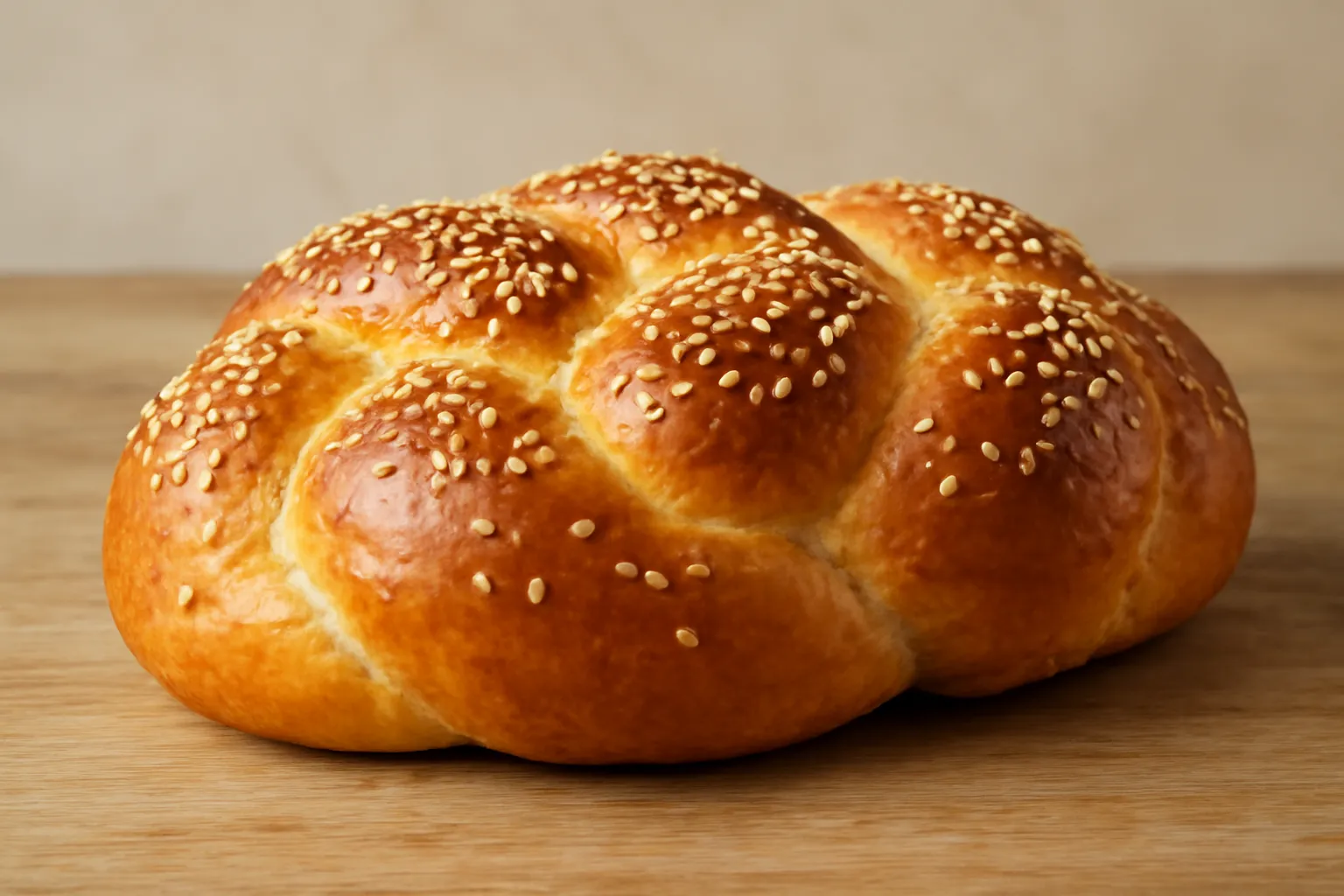
Challah – a braided, often egg-rich loaf associated with Shabbat and holidays; it is soft inside with a golden crust and can carry sesame or poppy seeds.
Pita – a yeasted flatbread famous for its pocket, ideal for stuffed sandwiches and dips; variations range from ultra-thin to slightly thicker versions.
Laffa – a Levantine-style flatbread, typically larger and softer, baked or fried to yield a chewy, flexible sheet perfect for wrapping a mezze spread.
Kubaneh – a slow-fermented, Yemenite Jewish bread that is traditionally baked in a shared pan in a communal setting; its texture is pillowy and moist.
Malawach – a Yemenite fried bread, rich, flaky, and layered, often served with tomato sauce or roughed-up hard-boiled eggs for a hearty breakfast.
Regional Levantine and North African breads – among these are varieties that share lineage with Israeli bread and reflect Arab, Jewish, and Mizrahi culinary threads entering the Israeli kitchen.
The story of Israeli breads is also a story of ovens, grains, and regional markets. You will hear about breads baked in wood-fired kilns, in simple home ovens, and even in portable clay ovens in some communities. The choice of flour – whether bread flour, all-purpose, or a blend with semolina or whole wheat – shapes texture and crumb in distinct ways. Finally, the seasoning and toppings—sesame seeds on challah, nigella on flatbreads, or za’atar on laffa—provide a personality that can change a loaf from everyday to celebratory.
Challah: The Braided Crown of the Jewish Week
History and Significance
Challah is not unique to Israel alone, but its role in Israeli Friday night rituals has made it an iconic symbol of bread israel culture. Its braided form represents unity and continuity, linking generations around a Shabbat table. Variants range from the classic egg-enriched dough to versions that incorporate honey, saffron, orange zest, or even sesame for a different aroma and sweetness.
Ingredients, Techniques, and Variations
The classic challah relies on a rich dough that supports a light, airy crumb. Typical ingredients include bread flour, eggs, water, yeast, sugar, and oil or butter. The dough is usually enriched, which yields tenderness and a glossy crust after baking. Bakers often brush with an egg wash for shine and may sprinkle poppy seeds or sesame seeds on top.
Two- or three-strand braids as a traditional look, or experimental braids that create dramatic shapes.
Sweetened versions with honey or orange blossom water for a more aromatic loaf.
Herbed challahs that add rosemary or thyme for a savory twist.
For home bakers, a few practical tips can elevate challah:
Use active dry yeast or instant yeast and ensure the dough proofs adequately; Shabbat challah often undergoes a slow overnight rise for depth of flavor.
Maintain a slightly warmer environment during the first rise to encourage fermentation, then chill the dough to relax the gluten before shaping.
Combine oil and egg yolks with a touch of sugar to give the dough richness and a pliable texture for braiding.
Pita: The Pocket Bread that Defines Everyday Israeli Meals
What Makes Pita Special
Pita is inseparable from daily life in many Israeli communities. Its hollow pocket forms during baking when steam puffs the bread and creates a seam inside. This makes pita perfect for stuffed falafel, shawarma, or vegetables and hummus. Some pita is baked to be very thin for crispness, while others are thicker and fluffier, designed to hold substantial fillings.
Baking Methods and Tips
Traditional pita is baked at high temperatures, often in a stone oven, to create a dramatic puff. Home bakers can approximate this in a hot oven with a steel baking surface or in a cast-iron skillet. A few key tips:
Use high-protein bread flour for better structure.
Hydration around the 60–65% range helps achieve a soft interior while still allowing a strong crust.
Steam in the oven during the initial bake helps with puff; you can toss a few ice cubes on a tray or spray water into the oven.
Shape evenly to prevent irregular pockets and ensure uniform puffing.
Variations of pita in Israeli bread culture include thinner, crisp pita often used for dipping, and thicker, softer versions that act as sandwich wraps. In some neighborhoods, pita is brushed with olive oil and sprinkled with sesame before baking to add aroma and crunch.
Laffa: The Soft Flatbread of Mezze and Mornings
Origins and Character
Laffa is a large, soft flatbread with a chewy crumb. It shares roots with Levantine breads and is widely enjoyed in Israeli breakfast spreads, mezze platters, and as an accompaniment to soups and dips. Laffa’s pliability makes it ideal for wrapping a generous filling, much like a tortilla or naan, but with a distinctively Levantine texture.
Technique and Variations
Laffa is typically baked in a very hot oven or on a hot surface, and sometimes finished on a grill to add a slight char. The dough needs less yeast and shorter fermentation compared with challah, but still benefits from a gentle rest to relax gluten. Some versions include olive oil or sesame seeds on the surface to deliver aroma and flavor.
In many Israeli households, laffa is used to scoop up spreads, salads, and dips.
In restaurants, laffa can be cut into larger sheets for sharing or rolled around fillings to create a lunch wrap.
Kubaneh and the Yemeni Jewish Bread Tradition
Kubaneh is a prime example of how immigrant communities shaped the Israeli bread landscape. This slow-fermented bread is baked in a communal pan and yields a moist, airy crumb with a domed top. It carries a history of the Yemeni Jewish diaspora and has become a beloved Shabbat offering in many homes and bakeries.
Fermentation and Serving
Kubaneh is typically prepared overnight or early in the morning to encourage a long, gentle fermentation. The result is a loaf with a soft interior and a lightly crisp crust. It is often served with dips such as herbed olive oil, tomato dip, or zhug (a spicy herb sauce). In some places, kubaneh is served with pickles and a runny egg for a robust weekend breakfast.
Malawach and Other Yemenite Influences in Israeli Bread
Malawach represents another thread of the diverse bread israel tapestry: a fried, laminated bread that is delicate, flaky, and deeply satisfying. While not a “loaf” in the traditional sense, malawach is a bread-like staple in Israeli breakfasts and brunch menus, especially among Yemeni and Mizrahi communities.
Preparation and Texture
Malawach dough is similar to a laminated pastry dough in that it involves rolling dough into thin layers and then frying them in a shallow pan. The layers separate into a flaky, slightly crispy crust with a soft interior. It is commonly served with grated tomato sauce, hard-boiled eggs, or with a dollop of harissa or jam for a sweet-savory combination.
Typical ingredients include flour, water, salt, and oil or butter; some regional recipes may incorporate yogurt or milk for tenderness.
Frying at the right temperature is crucial to achieve crisp edges without greasiness.
Regional and Cultural Influences on Israeli Breads
The Israeli bread scene is a living reflection of its people. Waves of Jewish, Arab, Mizrahi, and immigrant communities have each left their mark on the country’s bread basket. This section outlines several influences and how they manifested in the breads you might encounter today.
Ashkenazi traditions contributed to Challah recipes, egg enrichment, and braided forms that became central to Shabbat rituals.
Sephardic and Mizrahi flavors brought sesame seeds, olive oil, and spice-forward breads that accompany mezze and family meals.
Yemenite bakeries popularized kubaneh and malawach, which remain beloved weekend staples for many households.
Arab-Israeli bread culture contributed to pita variations, larger flatbreads, and oven techniques that emphasize crust and puff.
Urban markets and street vendors helped popularize quick breads and flatbreads that can be made in home kitchens or commercial ovens.
The result is a diverse and dynamic palate: a nation where the bread basket reflects centuries of migration, adaptation, and the daily acts of sharing around a table.
Techniques, Tools, and Techniques for Home Bakers
Ovens, Tools, and Environment
A good bread Israel experience starts with the right environment. Home bakers can recreate many of the effects of professional ovens with practical approaches:
Use a reliable home oven with a hot max temperature (ideally 230–260°C / 450–500°F) for breads like pita and laffa.
Preheat a baking stone or steel to a high temperature to mimic the brick oven crust in breads such as pita and challah.
Introduce steam during the initial bake for better oven spring; this can be achieved with a pan of hot water on the lower rack or by spraying water into the oven just after loading the dough.
Flour, Hydration, and Dough Management
The texture of Israeli breads hinges on flour choice and dough handling:
For most breads, bread flour or a blend with strong flour yields better gluten structure and springiness.
Hydration levels vary by bread: pita often sits around 60–65% hydration, challah around 55–65% due to enrichment, and kubaneh development can push hydration a bit higher for tenderness.
Sourdough and natural fermentations are increasingly common in artisanal circles, giving breads a deeper tang and longer shelf-life, particularly for challah and kubaneh-inspired loaves.
The shaping stage influences crust and crumb. Consider these ideas:
Challah: practice a few braid patterns but keep an eye on uniform thickness to ensure even baking.
Pita: shape into evenly round disks; avoid overproofing to prevent collapsing puff.
Laffa: roll into a wide circle and keep the surface smooth for uniform puffing.
Ingredient Spotlight: What Goes into Israeli Breads
While basic flour and water are universal, the flavor profile of Bread Israel products comes from a well-chosen set of ingredients and seasonings. The following list highlights common elements and why bakers use them.
Flour: High-protein bread flour for strong gluten; all-purpose flour for a softer crumb; semolina for a slightly gritty, nutty texture in some flatbreads.
Yeast and fermentation: Active dry yeast, instant yeast, or natural levains provide lift and complexity. Longer fermentation yields deeper flavors in challah and kubaneh.
Eggs or egg yolks for enrichment in challah and some enriched doughs; substitutes are possible for dairy-free versions.
Olive oil or butter for richness; some flatbreads use a light coating of oil to promote a crisp crust.
Sesame seeds, poppy seeds, or nigella for aroma and texture on top of breads like challah and kubaneh.
Herbs and spices such as za’atar, sumac, or za’atar blends to create regional profiles in laffa and flatbreads.
Experiencing Bread Israel Today: Markets, Bakeries, and Home Kitchens
The modern Israeli bread scene is vibrant and accessible. Here are ways to experience authentic Bread Israel in different settings.
Visit traditional bakeries that specialize in Pita and Kubaneh for demonstrations, loaf tasting, and fresh-baked morning bread.
Explore local markets where breads are sold alongside dips, pickles, and salads, giving you a chance to sample Malawach, Challah, and flatbreads in a single stroll.
Join a bread-focused workshop to learn shaping, fermentation, and oven techniques that reflect Israeli flatbreads and their regional variations.
Whether you’re more drawn to the ritual of Challah or the street-food practicality of Pita, the search for the perfect loaf in Bread Israel offers a pathway into the country’s culinary heart.
Basic Recipes and Step-by-Step Concepts (Guided, Not Full Tutorials)
To illustrate the breadth of bread israel offerings, here are high-level concepts that can be translated into home-baked loaves without turning into full-length recipes. These are meant to guide a baker in understanding structure, flavor, and technique.
Challah-style enriched dough: Mix bread flour, eggs, sugar, oil, and yeast. Allow a generous fermentation, then braid and bake until deeply golden. Target a soft crumb with a slightly glossy crust.
Pita dough: Combine flour, water, salt, and yeast to form a smooth dough. After a brief bulk fermentation, divide and roll into discs. Bake at very high heat on a stone to achieve puff and a pocket.
Laffa dough: A simple, soft dough with modest hydration; roll into a large round and bake at a high temperature or finish on a hot surface to yield a pliable flatbread.
Kubaneh-inspired dough: A slack dough with longer fermentation that results in a moist crumb; bake in a large pan or a communal oven until the top is domed and the interior is soft.
Malawach-like layers: Create a laminated dough by lightly rolling and brushing with oil in multiple layers; fry slowly to build flaky, layered texture.
Common Mistakes and How to Avoid Them
Even seasoned bakers stumble when they try to replicate bread israel staples. Here are frequent pitfalls and how to address them.
Overproofing challah or kubaneh can cause a collapsed loaf with poor oven spring. Manage fermentation temperature and time, and consider a cold retard for more flavor.
Pita that doesn’t puff may be due to insufficient oven heat or dough that is too dry or too wet. Aim for a dough with balanced hydration and preheat the oven with a hot stone.
Sticking or tearing laffa can occur if the dough is not rested after shaping. Allow a sufficient bench rest and handle gently to preserve surface tension.
Glossary of Terms You’ll Encounter in Israeli Breads
As you explore bread israel or Israeli bread menus and recipes, these terms will pop up:
Crumb – the interior texture of bread.
Crust – the outer skin that forms during baking, often chocolaty-brown and crisp.
Fermentation – the biological process by which yeast consumes sugar and produces gas, flavor, and aroma.
Oven spring – the rapid rise of bread in the oven due to steam and heat.
Hydration – the ratio of water to flour in a dough, influencing texture and crumb.
Enrichment – the addition of eggs, fats, or dairy to dough to yield a softer crumb and richer flavor.
Pairings: What to Serve with Israeli Breads
The best experience of Bread Israel comes from pairing breads with dips, spreads, and fillings. Here are some classic companions:
Hummus and baba ghanoush with Pita for a traditional mezze.
Shallow-fried eggs and tomato sauce with Malawach for a bright morning pairing.
Sweet or savory chutneys, honey, and Challah brushed with butter or olive oil for weekend breakfasts.
Cheeses such as labneh, feta, or soft white cheeses alongside Laffa and vegetables.
Conclusion: The Living, Breathing World of Bread in Israel
Bread Israel is not a single loaf but a living ecosystem of traditions, families, and kitchens. From the Shabbat table to the street markets and modern bakeries, Israeli breads carry history, warmth, and a sense of place. The nation’s Israeli bread culture embraces the old and the new: cherished classics like Challah and Pita, revived regional breads, and immigrants’ recipes that blend into a uniquely contemporary Israeli table. By understanding the core breads, the regional influences, and the techniques that bakers use, you can appreciate the depth of the Bread Israel experience and, perhaps, create your own signature loaf that carries a piece of this vibrant culinary landscape into your kitchen.