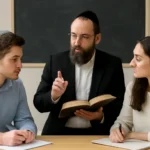
If you’re asking “Can I become a Jew?”, you’re joining a long and thoughtful conversation about identity, belonging, and commitment. Jewish conversion is a real process that involves study, personal reflection, and often formal steps within a Jewish community. Different Jewish movements have different standards and paths, so the answer can vary depending on where you live, which community you connect with, and what kind of Jewish life you’re drawn to. This article aims to offer a clear, comprehensive overview of conversion to Judaism, including the typical requirements, the steps involved, common questions, and practical considerations you may want to know before starting.
Whether you’re exploring Judaism from a cultural, spiritual, or religious perspective, you may hear several variations of the question “Can I become a Jew?” or “Could I convert to Judaism?” or “Am I eligible to become Jewish?”. While there is no single universal authority for all of Judaism, there is broad agreement that giyur (the act of converting) is a meaningful, lifelong commitment that typically includes study, acceptance of mitzvot (commandments), and a formal ritual process. Below, you’ll find an informative guide to the landscape of Jewish conversion, the steps you’ll likely encounter, and the considerations that accompany each path.
The short answer is often “it depends.” In Jewish law and practice, conversion is possible for most people who sincerely want to join the Jewish people and live a Jewish life. However, there are important nuances to understand:
Most communities expect a genuine commitment to living a Jewish life, including studying Jewish texts, observing core practices, and participating in Jewish community life.
Different denominations—Orthodox, Conservative, Reform, Reconstructionist, and Renewal—have distinct criteria for acceptance and different pathways to completion.
Some factors can affect the pace and feasibility of giyur, such as language barriers, prior religious commitments, or questions about ongoing adherence to Jewish law.
In certain places, official recognition of a conversion (for example, for purposes of marriage, immigration to Israel, or participation in community life) may involve specific beit din (rabbinic court) decisions and a mikvah (ritual bath).
So, if you’re asking whether you can become a Jew in a way that is recognized and meaningful within a Jewish community, the answer is generally yes, with the important caveat that the process will reflect the standards of the community you choose to study with.
What Does It Mean to Become Jewish?
Becoming Jewish is often described using the term giyur, which literally means “to become a convert.” But the concept goes beyond a formal ceremony. Many people describe conversion as a process of identity formation, meaning-making, and the embrace of a lifelong set of values and practices. Some of the core ideas include:
Belonging to the Jewish people and sharing in a common history, holidays, and communal life.
Belief and practice that vary by person and by community, with an emphasis on accepting the commandments (mitzvot) and striving to live according to Jewish values.
A commitment to ongoing study of Jewish texts, traditions, and laws, as well as active participation in synagogue life and ritual practices.
The ritual components of conversion—such as immersion in a mikvah, and in many cases circumcision (for males) or hatafat dam brit (a symbolic drop of blood if already circumcised)—that mark formal acceptance into the Jewish community.
In most contexts, it’s important to understand that conversion is not a one-time declaration alone; it is the beginning of a sustained relationship with the Jewish community and a commitment to living a Jewish life. Different communities may emphasize different elements, but the underlying idea is to join a people and participate in its shared life.
Denominational Paths to Conversion
There are multiple paths to giyur, each aligned with a particular movement within Judaism. Here are the main avenues, with a sense of what each typically requires. Remember that local practices can vary, and individual rabbinic authorities may have unique expectations.
Orthodox Judaism
In Orthodox communities, the conversion process tends to be strict and comprehensive. A candidate typically works with a rabbi (or a team of rabbis) who oversee a formal study program and a beit din comprised of experienced halachic authorities. Key elements include:
A sincere acceptance of all traditional commandments (or a robust commitment to living according to halacha as interpreted by the beit din).
Extensive study of Jewish law, philosophy, and daily practice over a period that can last anywhere from one to several years.
Brit Milah (circumcision) for males, or hatafat dam brit if already circumcised but not ritually perfect.
Tevilah (ritual immersion) in a mikvah after the relevant steps are completed.
A formal acceptance before a Beit Din, often consisting of at least three learned rabbis who confirm your sincerity and readiness.
Orthodox giyur is intended to be fully integrated into Orthodox Jewish life, and its standards are typically recognized by many other Jewish communities and by the State of Israel’s religious authorities for certain purposes.
Conservative Judaism
Conservative conversion aims to balance rigorous study and ritual with a sensitivity to modern life. It maintains a commitment to halachic standards, while allowing some flexibility in how the assessment is conducted. Common features include:
A formal giyur process with a rabbinic study program and a beit din, often including two or more rabbis who assess the candidate.
Comprehensive study of Jewish law and tradition, and a demonstrated ability to observe the commandments in daily life.
For males, Brit Milah (if not already performed) and/or hatafat dam brit as appropriate; for females, immersion in a mikvah.
Recognition within Conservative congregations and many communities, with varying degrees of acceptance among more traditional circles in Israel and the diaspora.
Conservative conversions are generally respected broadly, though, as with any denomination, acceptance may depend on local beit din and community norms.
Reform Judaism
Reform (and related Renewal movements) emphasize personal autonomy and a more flexible approach to Jewish law and practice. Their giyur often centers on sincere commitment to Jewish life, with less emphasis on strict observance of traditional halachic requirements. Typical characteristics include:
Clear emphasis on personal identity and a voluntary choice to join the Jewish people, rather than a universal obligation to keep all commandments.
Immersion in a mikvah is commonly required, accompanied by a formal commitment to Jewish life as defined by the conversion program.
Less emphasis on circumcision in cases of male conversions, though in many Reform programs it remains a consideration if it is personally meaningful and medically appropriate; some Reform programs do not require circumcision, while others address it individually.
Acceptance of the conversion by Reform rabbinic authorities, with broad recognition within Reform communities, and varying degrees of recognition by other branches of Judaism.
For individuals seeking a more personal, stage-based approach to Jewish life, Reform giyur can be a path that aligns with contemporary values while still marking a formal entry into the Jewish people.
Reconstructionist and Renewal Approaches
Reconstructionist Judaism and Jewish Renewal offer inclusive, community-focused pathways to giyur, often prioritizing Jewish identity, ethics, and spiritual life over strict ritual compliance. Common ideas include:
Conversion processes that emphasize learning, community involvement, and ethical living, with openness to a range of Jewish expressions.
May include immersions and beit din steps, but with greater flexibility about observance levels and ritual practices.
Acknowledgment that Jewish belonging is a meaningful identity that can be embraced through personal growth and shared values.
These approaches can be attractive to people who value pluralism within Judaism and who wish to participate in a modern, inclusive community.
Typical Steps to Conversion (Giyur)
Across movements, there are common elements to the journey of giyur, though the specifics can differ. The following steps reflect a typical pathway and can help you plan your process. If you are asking “What steps do I take to convert to Judaism?”, this outline provides a practical map.
Self-reflection and motivation: Consider why you want to join the Jewish people, what aspects of Jewish life appeal to you, and how you envision your future in a community. This stage helps you articulate your intent to any rabbinic authorities you meet.
Find a community and a rabbi: Look for a synagogue or a Jewish center whose values match your sense of Jewish life. A rabbi or teacher will guide you through study and practice, and a beit din may be involved later.
Begin formal study: Most paths begin with a structured study plan—often 12–24 months—in which you learn about Jewish history, holidays, prayer, life-cycle events, and basic Jewish law. The exact curriculum depends on the movement and the community.
Commit to Jewish living: Demonstrate a growing ability and willingness to observe core practices, participate in Shabbat and holiday observances, keep kosher in the way your community understands it, and engage in daily or weekly Jewish routines.
Medical circumcision considerations (for males): If you are not already circumcised, the process will typically include Brit Milah. If you are circumcised but not ritually complete, you may undergo hatafat dam brit (a symbolic drop of blood) according to halacha and the needs of the beit din.
Ritual immersion: After meeting the study and lifestyle requirements, you will typically take a ritual immersion in a mikvah, which marks a formal entry into the Jewish people.
Beit Din interview and approval: The final step is a formal examination by a beit din (rabbinic court). The beit din assesses your knowledge, intent, and readiness to live as a Jew according to the standards of the movement.
Official status: Upon successful completion, you receive a certificate or formal declaration of conversion, and you are welcomed into the Jewish community as a Jew by choice.
Note that some steps may happen in a different order depending on the denomination and local practice. If you can say “Can I become Jewish through a shorter program?”, you may find that a Reform or Renewal track offers more flexibility, though you should still expect a meaningful study and immersion component.
What You’ll Study and Practice
A robust conversion program typically includes both intellectual study and practical experience. Here are the areas you’ll likely explore, though the depth and emphasis differ by program:
Overview of Jewish history and peoplehood: Ancient roots, the development of the Jewish people, and the contemporary diaspora.
Basic knowledge of the Hebrew language: Prayer, liturgy, and the ability to read at least some biblical and liturgical text.
Jewish holidays and lifecycle events: How to celebrate Shabbat, Passover, Rosh Hashanah, Yom Kippur, Sukkot, Hanukkah, Purim, and other seasonal times; life events like marriage, birth, and death.
Jewish prayer and synagogue life: Structure of services, the meaning of prayers, and active participation in communal worship.
Jewish law basics (Halacha): Core categories such as Shabbat, kashrut, family purity, and daily ethical obligations.
Ethics and Jewish values: Justice (tzedek), compassion (chesed), humility, learning, and responsibility to the community.
In addition to these topics, most programs encourage or require practical engagement, such as volunteering, attending Jewish rituals, and integrating Jewish practice into daily life. The emphasis on ethical living and community involvement is central across movements, though the exact expectations can vary.
Requirements by Denomination: A Quick Summary
To help you orient yourself, here is a concise snapshot of typical expectations across the main strands of Judaism. This is not a rigid rulebook—local beit dins and rabbinic authorities set the actual requirements—but it gives a useful sense of the landscape.
Orthodox: Full acceptance of halacha, rigorous study, Brit Milah for males (or hatafat dam brit), tevilah in a mikvah, and beit din verification. Long-term commitment to observance and community life is essential.
Conservative: Strong halachic grounding with a balanced approach to modern life; formal study and a beit din; circumcision or hatafat dam brit as appropriate; mikvah.
Reform: Emphasis on personal autonomy and belief; immersion in a mikvah; circumcision not always required, and observance levels are individualized; beit din and communal integration are important.
Reconstructionist / Renewal: Inclusive approach with emphasis on identity, ethics, and spiritual life; immersion and community-based learning with a beit din; flexibility on ritual observance.
If you’re asking “Can I become a Jew without following strict halachic rules?”, the answer depends on the community you choose. Some paths prioritize personal conviction and Jewish living over strict practice, while others require full adherence to traditional structures.
Beit Din, Mikvah, and Rituals: The Core Rituals of Conversion
A central trio in most giyur pathways includes the beit din, mikvah, and, when applicable, Brit Milah.
Beit Din: A rabbinic court that examines your knowledge, intent, and readiness to join the Jewish people. The beit din’s decision is the hinge of the conversion process.
Mikvah: A ritual immersion that symbolizes purification and renewal. It marks the formal entry into Jewish life in most tracks.
Brit Milah / Hatafat Dam Brit: For males, circumcision is typically required. If a person is already circumcised, a symbolic drops of blood (hatafat dam brit) may be performed as part of the process.
In some communities, you may also encounter other rituals or commitments, such as naming ceremonies, vows, or additional study milestones. It’s essential to follow the guidance of your rabbi and beit din, as these steps are tailored to fit your personal journey and the standards of your tree of tradition.
How Long Does Conversion Take?
The duration of the conversion process varies widely. A typical Orthodox or Conservative track might take anywhere from 1 to 2 years or more, depending on the candidate’s readiness, language barriers, and the pace at which the study and practice develop. Reform and Renewal tracks can sometimes be completed more quickly, but still require a meaningful period of learning, immersion, and community integration. It’s common for people to spend a year or longer in a structured program, with additional time needed for final beit din approval and any post-conversion requirements.
Patience is a valued part of the journey. If you’re asking “Could I convert quickly?”, you’ll want to consult with a rabbi about realistic timelines and the expectations of the specific community in which you’re studying. Some cases may allow for accelerated tracks, while others emphasize thorough preparation.
Practical Considerations: Costs, Time, and Accessibility
Converting to Judaism can involve various practical considerations. Here are some of the most common:
Cost: Classes, tutoring, mikvah fees, and beit din fees can add up. Some communities offer sliding-scale fees or scholarships; it’s worth asking about financial assistance if cost is a barrier.
Location and accessibility: Urban centers typically have more abundant programs and rabbinic leadership, while rural areas may require traveling to join a program or locate a beit din known to recognize your path.
Language: Hebrew literacy and liturgical familiarity can be important, especially in Orthodox or Conservative tracks. If language is a barrier, look for programs that provide accessible language support.
Family considerations: If you have a partner or children, you may want to consider how family life integrates with Jewish rituals, education, and community participation.
Immigration and civil recognition: In some countries, conversions are recognized by civil authorities or immigration services differently from religious authorities. Israel’s Giyur process, for example, operates within state frameworks and has specific recognition criteria.
As you explore options, you’ll likely encounter a question like “Can I become Jewish through an online program?” While many educational resources exist online, most communities require in-person study, direct mentorship, and live beit din involvement for formal conversion. Use online learning as a foundation, but anticipate in-person immersion and ritual elements as essential components of genuine giyur.
Common Questions and Myths
People often approach the process with a mixture of curiosity and concern. Here are answers to some frequent questions, along with variations of the core inquiry to reflect semantic breadth:
“Can I become a Jew if I’m not sure about observing all the commandments?” In many tracks, you’ll be encouraged to explore your relationship to Jewish law and practice, with the understanding that you’ll grow into Jewish life in your own way. Some denominations emphasize personal observance patterns while maintaining a formal commitment.
“Am I eligible to convert if I have a non-Jewish spouse or partner?” In most cases, yes. Conversion processes are available to people regardless of marital status, though recommendations may vary by community and by family considerations.
“Do I need to abandon my current faith or culture to convert?” It’s not uncommon for converts to maintain ties to their previous identities in respectful ways, but the core of giyur involves a sincere commitment to joining the Jewish people and embracing Jewish life.
“Is conversion recognized by all Jewish communities once completed?” Recognition varies. A conversion completed under an orthodox beit din is commonly recognized by many, but some communities may have different criteria for certain rituals or statuses.
“Can I convert if I’m elderly or have medical considerations?” Yes, age and health do not automatically disqualify someone from conversion. Programs adapt to individual circumstances, and rabbis may tailor guidance accordingly.
Geographic and Community Variations
Where you pursue conversion matters. In the United States, Canada, and much of Western Europe, there are established networks of synagogues and rabbinic authorities across Orthodox, Conservative, Reform, and Renewal communities. In Israel, giyur processes may involve state recognition and specific court structures that work in concert with religious authorities. In other regions, local conditions—language, access to rabbinic leadership, and the presence of a cohesive Jewish community—shape the path you’ll take. When you ask “Can I become Jewish in my country?”, you’re really asking about the availability and recognition of a path that aligns with your values and beliefs.
In the diaspora, many people choose a synagogue and rabbi whose style matches their spiritual needs and lifestyle, and then follow the community’s process for giyur.
In Israel, the question of recognition can be more complicated due to state involvement in religious affairs. Some converts are recognized for certain purposes, while others may face additional steps in specific contexts such as marriage or citizenship pathways.
After Conversion: Living as a Jew by Choice
Completing the formal steps of giyur marks the beginning of a new identity and a new kind of belonging. Here are some practical elements to expect after you become Jewish:
Community involvement: Regular participation in synagogue services, study groups, and communal life helps you integrate fully and build meaningful relationships.
Lifecycle participation: You’ll engage in Jewish lifecycle events—births, weddings, bar/bat mitzvahs, and funerals—with the community and family.
Continued learning: Ongoing study and involvement in Jewish living, including holidays, laws, ethics, and spiritual practices, help you deepen your connection.
Ethical and social engagement: Many Jews by choice are drawn to social justice, interfaith dialogue, and community service as expressions of Jewish values.
It’s common to encounter moments of adjustment—balancing a new religious identity with other parts of life, navigating family dynamics, and learning the rhythms of Jewish holidays. A supportive community, patient mentors, and ongoing study can help you navigate these changes with confidence. If you’re wondering “Will I feel at home as a Jew by choice?”, the answer is often yes, especially when you connect with welcoming communities that honor your personal journey and questions.
Common Challenges and How to Navigate Them
Like any meaningful life transition, conversion can involve challenges. Here are some common issues and practical strategies to address them:
Community acceptance: Some communities grapple with questions about conversion standards. Seek a rabbi or community that aligns with your understanding of Jewish life and communicates clearly about expectations.
Time and commitment: The pace can be slow. Be honest about your goals and ask for a realistic timeline. Regular study and community engagement help maintain momentum.
Family discussions: Share your journey openly with family and invite conversation. Family support can be crucial for long-term success.
Financial considerations: Understand the costs upfront and seek information about scholarships or sliding-scale fees if available.
Language and learning gaps: If Hebrew or traditional texts feel challenging, ask your mentors for language support and accessible learning materials.
Could I Become a Jew Without Leaving My Current Community?
In many cases, it’s possible to begin the journey while remaining connected to your current community or background. Some people pursue giyur in a way that respects their existing life commitments, while others decide to re-center their lives within a Jewish community entirely. The key is finding a path that supports authentic learning, personal growth, and a sense of belonging that feels true to you. If you ask, “Can I become Jewish without uprooting my life?”, you’ll find that there are various arrangements to help you balance study, rituals, and community participation with work, family, and other responsibilities.
Is Conversion Right for You? A Final Reflection
Ultimately, the question “Can I become a Jew?” or “Can I become Jewish?” rests on your own sincerity, curiosity, and readiness to live in a Jewish community. Conversion is a meaningful, transformative path that invites you into a people, a tradition, and a way of life that has sustained generations. The reality is that there is not a single universal script for every seeker. Instead, there are multiple, legitimate paths tailored to different beliefs, levels of observance, and spiritual goals. The best next step is to reach out to a reputable rabbi or a welcoming synagogue in your area and ask: “What does conversion involve in your community?” and “What would be required of me to begin?”
Remember these guiding ideas as you move forward:
Intent matters: A sincere desire to join the Jewish people and to live according to Jewish values is foundational.
Education is essential: Expect to spend time studying Jewish history, beliefs, liturgy, and practice.
Community matters: A welcoming, supportive community can make all the difference in your learning and growth.
Be patient and honest: Conversion is a significant life transition that benefits from patience, self-honesty, and ongoing reflection.
Conclusion: Your Path Forward
If you’re exploring Can I become a Jew? or Can I become Jewish?, you’re already taking a meaningful first step by seeking information and considering the possibilities. The journey is deeply personal, yet widely supported by a diverse array of communities and rabbinic authorities who are dedicated to helping people become part of the Jewish people.
Whether you choose an Orthodox, Conservative, Reform, Reconstructionist, or Renewal path, you’ll find a framework that honors your background, respects your questions, and invites you to grow in a life that many find deeply meaningful. As you begin, remember to focus on honest exploration, meaningful study, and genuine connection with a Jewish community. If you’d like, you can share where you’re located and what denomination or approach resonates with you, and I can help point you toward resources, questions to ask, and ways to initiate conversations with a local rabbi or community leader.