Carmel Forest Israel: Ultimate Guide to Trails and Nature
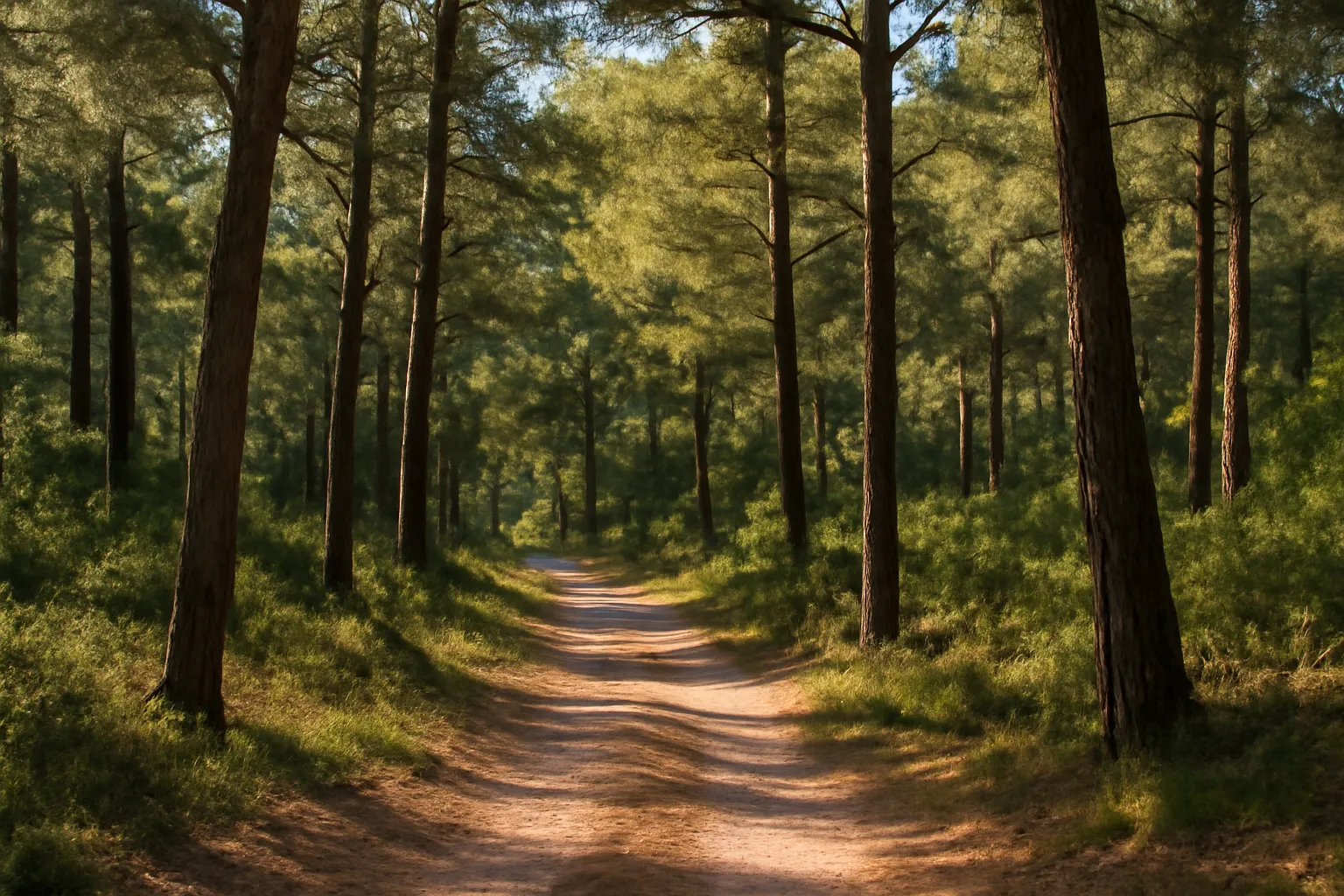
Nestled on the western edge of the Mount Carmel range, the Carmel Forest is one of Israel’s most beloved nature escapes. Also known as the Mount Carmel forest region, this green expanse spans hills, ravines, and pine groves that roll down toward the Mediterranean coast. It is a place where hikers, families, photographers, and wildlife enthusiasts come to explore a diverse tapestry of habitats, hear the chorus of songbirds, and savor panoramic views over Haifa and the sea. In this guide, you will discover why this forest ecosystem delights visitors, what trails to try, how to stay safe, and how to plan a meaningful, respectful visit to the Carmel forest, the Carmel National Park, and surrounding nature reserves.
Throughout this article you will notice the use of variations like the Carmel Forest, the Carmel region, and the Mount Carmel forest to reflect different ways people refer to this landscape. These terms all point to the same biodiverse landscape that anchors northern Israel’s outdoor life.
Where is the Carmel Forest and how to access it
The Carmel Forest sits along the western slope of the Mount Carmel range, just north of the city of Haifa. It forms part of the broader Carmel National Park and adjacent nature reserves that sit at the crossroads of coastal plains and inland hills. Access is convenient from the Haifa metropolitan area, with multiple entry points along major roads and regional park entrances. The forest is especially popular for weekend hikes, long day trips, and family outings because of its approachable terrain and well-marked trails.
If you are planning a visit, consider the following practical details:
Directions: The Carmel region is easiest to reach by car via Route 2 (the coastal highway) or Route 4, with turnoffs toward the forest’s entrances and nature reserves. Public transport options exist to Haifa and nearby towns, after which you can take local buses or rideshares to park entrances.
Maps and signs: Look for official maps published by the Israel Nature and Parks Authority (INPA) or regional park boards. Signs along trails are usually bilingual (Hebrew and English) and provide distances, estimated hiking times, and safety notes.
Parking: Many trailheads offer parking lots or pullouts. In peak times, arrive early to secure a spot, especially on warm weekends when families flood in for a day of exploring.
Facilities: Expect amenities like restrooms at larger trailheads, picnic areas, and shaded benches. Some visitor centers or park offices may host short talks or ranger-led programs during holiday periods or weekends.
Why visit the Carmel Forest: biodiversity, scenery, and seasonality
The Carmel Forest Israel is notable for its layered biodiversity and dramatic landscapes. The forest floor is a mosaic of pine stands, oaks, and diverse ground vegetation, with rocky outcrops offering vantage points for sunrise or late-afternoon light. The Mount Carmel landscape supports a mix of Mediterranean flora and pockets of microhabitats created by streams, ravines, and shaded gullies. This combination makes the Carmel forest a year-round destination, even as the character of the experience shifts with the seasons.
Flora: You’ll find pine plantations interspersed with native species such as quercus calliprinos (the Kermes oak), pinned grasses, and a variety of annual and perennial wildflowers in the spring. In damp ravines, ferns and mosses thrive, offering a cool counterpoint to sunlit ridges.
Fauna: Birdwatchers can expect a steady chorus of Mediterranean birdlife—parakeets at certain cabins and roosts, raptors soaring along ridges, and small passerines in the understory. Mammals that hikers may encounter or hear at a distance include roe deer, foxes, jackals, and occasionally wild boar in less-traveled areas. Reptiles such as lizards warm themselves on rocks, and a stable invertebrate community keeps the ecosystem buzzing with life.
Seasonality shapes every Carmel forest stroll. Spring brings wildflowers and fresh greens; late winter and early spring offer the best chance to see a dynamic mix of flowering species. Summer can be hot and dry, so hikers often favor early morning starts or shaded routes. Autumn can provide cooler, comfortable hiking with less heat and often more wildlife activity as animals prepare for winter. The coastal climate also means sea breezes, which can cool the forest on hot days.
Trail types in the Carmel Forest: from easy strolls to ridge challenges
The Carmel Forest offers a spectrum of trails, each with a character of its own. Below are broad categories you’re likely to encounter while exploring the Carmel region, along with practical tips for planning.
Family-friendly and easy access routes
Short forest loops: Gentle paths that wind through shaded pines and oaks, ideal for children and seniors. Expect gentle grades, frequent rest stops, and opportunities to observe birds at eye level.
Ravine strolls: Trails that dip into small gorges with streams and creek crossings. These routes typically stay cool and provide a sense of discovery without strenuous hills.
Picnic-friendly trails: Short loops that culminate in designated picnic areas, where families can rest and enjoy shaded pavilions or scenic overlooks.
Moderate hikes with scenic payoff
Ridge hikes: Trails along the upper slope of Mount Carmel offer expansive views toward the coast and Haifa’s skyline. These routes usually have a few climbs but are within reach for many regular hikers.
Creek-to-viewpoint routes: Start by following a watercourse and then climb a crest for a rewarding panorama.
Sunrise or sunset walks: Early morning or late afternoon options that minimize heat and maximize the possibility of stunning light across the sea and city lights.
Challenging day treks and longer hikes
Long loop traverses: Multi-hour expeditions that traverse varied terrain—from shaded forest to rocky outcrops—offering a sense of immersion in the Mount Carmel landscape.
Combination routes: Some trails connect several natural features—dense forest, rocky ledges, and panoramic overlooks—requiring good footing and steady stamina.
Whenever you choose a trail in the Carmel forest, check the current weather, wear sturdy hiking footwear, bring water, and stay on marked paths. The INPA and park authorities regularly update trail conditions and closures, especially after heavy rains or wildfire risk periods.
Flora and fauna: what you might see on a Carmel forest hike
The Carmel forest ecosystem supports a rich assemblage of life. While executing a hike in the forest, you may encounter a mixture of evergreen plantations and native Mediterranean vegetation. The following highlights give a sense of what to look for on the trail.
Woodland trees: Pine stands intermingled with oaks and other broadleaf trees create a layered canopy. In spring, undergrowth bursts into color as wildflowers emerge.
Flowers and plants: Spring brings a bloom of annuals and bulbs; look for species that thrive in the forest floor’s shade and moisture pockets along streams.
Birdlife: Expect a variety of songbirds, raptors, and waterfowl near creeks and spring-fed pools. A pair of binoculars can dramatically enhance the experience of a forest dawn chorus.
Mammals: While sightings may be rare, many visitors report glimpses of roe deer, foxes, jackals, and occasionally wild boar along more remote paths.
Reptiles and insects: The rocky microhabitats host lizards and salamanders; insects add texture to the soundscape, especially after rain.
Protecting this fragile woodland is a shared duty for everyone who enjoys the Carmel forest. The forests of Mount Carmel have faced wildfires in the past, including a significant event in the region’s recent memory. Visitors should always prioritize safety and respect for nature.
Stay on marked trails. Off-trail travel can damage delicate ground cover and disrupt wildlife habitats. It also increases the risk of getting lost.
Fire safety. In dry seasons, fire risk is high. Do not light fires, discard cigarette butts properly, and follow any fire restrictions posted by the INPA or local authorities.
Waste and cleanliness. Carry out what you bring in. Use designated bins where available and avoid leaving litter that could harm wildlife.
Wildlife watching. Observe from a distance; never feed wild animals; use zoom lenses to capture distant scenes instead of approaching habitats.
Respect the local flora. Do not pick plants or disturb ground-nests. Some species may be protected, and removing flora can alter the ecosystem’s balance.
Seasonal safety tips
Summer: Start early to beat the heat. Carry ample water and wear sunscreen and a hat. Shade may be limited on exposed ridges.
Autumn and spring: Great windows for wildflower viewing and pleasant hiking temperatures, but be prepared for chilly mornings or sudden showers.
Winter: Rain can make trails slick and streams swell. Use waterproof footwear and check for closures after heavy rain.
Accessibility, facilities, and planning a visit
A well-visited destination like the Mount Carmel forest region is well supported by safety briefings, wayfinding signage, and family amenities. Here are some planning considerations to help you make the most of your trip.
Visit planning: Check the INPA website or local park offices for current trail statuses, fire alerts, and any seasonal programming or guided walks.
Accessibility: While many trails are suitable for families with energetic kids, some routes involve stairs or uneven surfaces. If accessibility is a concern, choose the flatter, well-marked loops near visitor centers.
Facilities: Expect restrooms at larger trailheads and picnic areas with tables and benches. Some sites may offer sheltered pavilions for shade and rest breaks.
Guided options: Ranger-led walks and seasonal programs can enrich your experience with insights about the forest’s history, wildlife, and plant life. If available, join a guide to gain deeper understanding of each trail’s ecological significance.
Photography, viewpoints, and nature-inspired moments
The Carmel region offers dramatic light and angles for photographers. From sunrise-lit sea horizons to golden-hour ridge views, the forest delivers compelling composition opportunities. Consider the following tips to capture the essence of the Carmel forest responsibly:
Plan around light: Early morning and late afternoon provide warmer light with softer shadows, ideal for landscape photography and wildlife silhouettes.
Respect habitats: When you shoot near watercourses or vegetated undergrowth, be mindful of wildlife and avoid trampling sensitive plants for a cleaner frame.
Equipment: A lightweight telephoto lens helps with distant birds and mammals; a wide-angle lens offers sweeping ridge views; a sturdy tripod may be useful for low-light moments in the forest shade.
Safety with gear: Keep your camera secure while navigating rocky patches and wet surfaces; a small backpack with water and a basic first-aid kit can be a practical companion on longer hikes.
Nearby attractions and overnight options in the Carmel corridor
The Carmel National Park sits alongside a region rich with cultural and natural points of interest. If you’re visiting for a day or planning an extended stay, you’ll find a variety of experiences within easy reach from the forest core.
Haifa and the coast: A short drive to Haifa offers the Bahá’í Gardens, the German Colony, and the modern waterfront—an excellent complement to a forest day with a coastal sunset.
Historic towns: Zikhron Ya’akov and other towns in the Carmel corridor weave history, wine culture, and local markets into a balanced itinerary after hiking.
Culinary stops: Regional farms and eateries showcase local produce, olive oil, and fresh Mediterranean flavors—an ideal post-hike treat.
Overnight options: From rustic cabins to guesthouses in nearby villages, there are accommodations suitable for families, couples, and solo travelers seeking an immersive nature stay near the forest.
How to plan the perfect Carmel forest itinerary
Crafting a balanced day or weekend in the Carmel forest requires attention to timing, trail choice, and safety. Here are practical steps to help you design a memorable visit, with emphasis on enjoying nature while protecting it for future generations.
Set your priorities: Decide whether you want a light family-friendly romp, a scenic ridge walk, or a longer, more challenging day hike.
Check conditions: Look up current weather and fire advisories on the INPA site or at park entrances before you depart.
Choose your trail(s): Pick 1–3 trails that connect logically in time and distance, ensuring you have enough energy and daylight to complete them safely.
Pack thoughtfully: Water, sun protection, a hat, light rain gear, a basic first-aid kit, and a map or offline GPS are essential.
Respect the forest: Carry out trash, avoid disturbing wildlife, and stay on designated paths to minimize ecological impact.
Conclusion: why the Carmel Forest Israel deserves a place on your outdoor list
For anyone seeking a democratic blend of natural beauty, accessible trails, and educational opportunities, the Carmel region delivers. The Carmel Forest is much more than a single hiking destination; it is a living landscape where hikers can connect with a multifaceted ecosystem, learn about local biodiversity, and experience the cultural rhythm of northern Israel. Whether you are a seasoned trekker chasing a longer route, a family seeking a safe and nature-filled afternoon, or a photographer chasing light on the ridgeline, the Mount Carmel forest corridor offers a constellation of experiences. This is why the Carmel forest, the Mount Carmel range, and the broader Carmel National Park area remain beloved by locals and cherished by visitors from around the world. Plan a visit, respect the land, and let the forest reveal its quiet stories along the trails and viewpoints that define this remarkable part of Israel’s natural heritage.
In summary, the Carmel Forest Israel invites you to explore a spectrum of trails and terrains, to observe a thriving ecosystem, and to connect with a landscape that has inspired travelers for generations. From the gentle family loop to the challenging ridge walk, from spring wildflowers to autumn light on the coast, this forest stands as a quintessential part of Israel’s outdoor living. Treat the experience as a conversation with nature—observe, reflect, and return with a deeper appreciation for the region’s ecological and cultural fabric.