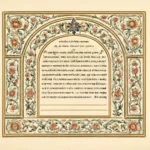
Planning a wedding is a journey, and the invitation suite is the first tangible step your guests will encounter. When the event is a Hebrew wedding or a ceremony with strong Jewish traditions, the invitation becomes a bridge between culture, faith, and personal style. This guide explores the Hebrew wedding invitation from three angles: wording, design ideas, and traditions. You’ll find practical tips, language considerations, and creative examples to help you craft an invitation that feels authentic, welcoming, and beautiful.
Understanding the core: what is a Hebrew wedding invitation?
A Hebrew wedding invitation is not just a note about where and when two people will marry. It is a cultural artifact that communicates religious or secular intent, family involvement, and the aesthetic of the ceremony. Depending on the couple’s background, a Jewish wedding invitation may feature bilingual wording, gender-inclusive language, or religious motifs such as the chuppah, the ketubah, or symbolic imagery like the Star of David, pomegranates, or doves. The invitation often sets the tone for the entire invitation suite—from save-the-date cards to RSVP cards, directions, and reception details.
There are many variations in how these invitations are prepared. Some couples prefer a traditional Orthodox presentation with formal Hebrew script and a very precise liturgical tone. Others opt for a modern Conservative or Reform approach that blends Hebrew phrases with contemporary English, or produces a fully bilingual or English-first version. In larger families or intercultural weddings, the invite may pair English with Hebrew transliterations or fully bilingual text. In all cases, the invitation should reflect not only the ceremony style but also the personalities of the couple and the values they want to share with their guests.
Wording and language: crafting the text
Wording is the heartbeat of a Hebrew wedding invitation. It determines how formal or intimate the event feels, who is hosting, and how guests should respond. Here are essential components to consider, followed by practical guidance on language variations and layout.
Core components of a wedding invitation in Hebrew or for a Hebrew-inspired event
Host line: Who invites whom. This is especially important in families with multiple generations involved in the wedding planning.
Names of the couple and, if appropriate, their families.
Date and time (be mindful of time zone and daylight saving changes).
Venue (location name and city).
Reception information (if separate from the ceremony site).
RSVP details (method, deadline, and whether meal selections are required).
Dress code (optional but helpful for guests).
Religious or ceremonial notes (e.g., “all are welcome,” or “kosher observance” if relevant).
Language options: English, Hebrew, or bilingual
English-only invitation: Suitable for many couples with a predominantly English-speaking guest list. You can still reference Hebrew or Jewish elements in notes or on a separate insert.
Hebrew-language invitation: Adds authenticity and can honor tradition. Important to ensure the script and layout work well with right-to-left typesetting. If your audience includes non-Hebrew readers, consider a transliteration or an accompanying translation.
Bilingual invitation: A popular choice for interfaith or international guest lists. The layout often places Hebrew text on the right (RTL) and English on the left (LTR). This format signals respect for both languages and makes the invitation inclusive.
Transliteration vs. translation: practical notes
Transliteration converts Hebrew words into Latin letters. It’s helpful for guests who don’t read Hebrew yet want to maintain the sense of the original language. Include a pronunciation guide if possible.
Translation provides meaning for the non-Hebrew-speaking guests. A bilingual layout can pair the Hebrew line with an English translation directly beneath or beside it.
Religious phrases should be reviewed by a Hebrew-speaking family member, rabbi, or rabbinic adviser to ensure accuracy and respect for tradition.
Sample wording structures (English-first, Hebrew-enabled, or bilingual)
English-only structure:
Together with their families,
[Bride’s Name] and [Groom’s Name]
joyfully invite you to share in their wedding celebration
English translation or transliteration included on a separate line
Bilingual structure:
אתם מוזמנים לחגוג את חתונת
[Bride’s Name] ובת-דמם [Groom’s Name]
on [date], at [time]
at [venue name], [city]
Reception to follow
RSVP by [date]
Common phrases to consider including
Welcome and hospitality cues: “All are welcome” or “We joyfully invite you”
Religious or cultural notes: if applicable, a short line about kosher dietary observance, modest dress expectations, or the inclusion of a chuppah ceremony
RSVP timeline and contact method
Accommodations and gift policy notes (if desired)
Design ideas: from paper to motifs
The design of a Hebrew wedding invitation should harmonize with the ceremony’s mood, the couple’s values, and the overall wedding theme. Here are design directions to consider, from timeless to contemporary, plus practical considerations for production.
Materials and printing methods
Traditional paper (cotton rag, linen finish, or cotton stock) provides a tactile, classic feel that suits formal ceremonies.
Textured or colored papers can introduce warmth and personality. Light blues, ivory, gold foils, and cream tones are popular in Jewish wedding invitations because they feel elegant and ceremonial.
Foil stamping or embossing adds subtle luxury, particularly for metallic accents.
Letterpress printing yields a tactile impression with a classic, artisanal aesthetic. This method is well-suited to formal weddings and can be combined with a blue-and-white palette or gold accents.
Digital printing is practical for large guest lists or budget-conscious events, and it can still look refined when paired with quality stock and thoughtful typography.
Typography and layout
Serif fonts convey tradition and formality; sans-serif fonts offer a modern, clean vibe. A tasteful combination often works well—serif for headings, sans-serif for body text.
Right-to-left (RTL) vs left-to-right (LTR) layouts for bilingual invites require careful design to avoid visually confusing the reader. Designers should align Hebrew lines on the right and English lines on the left, with clear separators (lines, spacing, or color blocks).
Motifs should be balanced with text. Common motifs include the chuppah, ketubah-inspired borders, menorah, pomegranate, dove, and geometric or botanical patterns.
Color palettes and imagery
Blue and white remain an iconic and culturally resonant combination, echoing the Israeli flag and the Jewish tradition of white for purity and new beginnings.
Gold accents communicate celebration and elegance when used sparingly to highlight names or borders.
Natural textures, such as linen or parchment textures, can evoke warmth and tradition while remaining modern.
Iconography like a ketubah border motif or a subtle Star of David can reflect Jewish identity without appearing overtly religious.
Format and enclosure options
Flat invitation cards with RSVP cards and directions in a compact package.
Gatefolds or accordion formats for multi-piece designs that reveal additional information as guests unfold the invitation.
RSVP cards that incorporate meal choice options (challah or fish, kosher labeling, etc.) and a digital RSVP option link.
Save-the-date cards that precede the main invitation and set expectations for the date and location.
Traditions and customs reflected in invitations
Hebrew wedding invitation can honor Jewish customs even before the first ceremony. Below are key traditions couples may want to reflect in wording, imagery, and format. Note that practices vary by community and level of observance.
Religious observance and ceremony type
Orthodox weddings often adhere to traditional phrasing and may emphasize modesty and formality. Language might be more formal in tone, with careful attention to the sequencing of vows or blessings.
Conservative and Reform weddings may blend Hebrew and English more freely, with inclusive language and flexible ritual descriptions.
Interfaith or intercultural weddings may pair Hebrew or transliterated phrases with English, and they may depict cultural motifs from multiple traditions on the invitation suite.
Ketubah and ceremonial motifs
Ketubah-inspired borders on the invitation can nod to a sacred Jewish marriage document, even if the ketubah itself is exchanged separately and in a separate ceremony.
Imagery like the chuppah canopy, two rings, or hands joining can symbolize partnership and covenant without being overly literal.
Symbolic motifs such as pomegranates (often associated with righteousness and fruitfulness) or olive branches can carry meaning while maintaining aesthetic balance.
Language and inclusivity
In bilingual or multilingual families, a dual-language invitation signals hospitality to guests who speak different languages. Always strive for readability and proper alignment, especially when RTL and LTR languages sit side by side.
Inclusive language is increasingly common. Consider gender-neutral terms where possible, and include a note about accessibility or accommodations if needed.
Practical checklist: timing, etiquette, and production
To ensure your Hebrew wedding invitation project runs smoothly, use this practical checklist as a guide from concept to delivery. The goal is to avoid last-minute friction and miscommunications.
Define your guest list and determine the number of invitations you need. This affects print run sizes and budget.
Choose a format (flat, folded, gatefold, or multi-piece suite) that fits your theme and budget.
Decide on language and translation needs and determine where Hebrew, transliteration, and English will appear.
Confirm ceremony details (date, time, time zone, location, direction of travel) and ensure accuracy on the RSVP card.
Coordinate with the rabbi or officiant to confirm any wording requirements related to religious practice or ceremonial notes.
Test RTL layout and ensure legibility of Hebrew text, if included, especially for guests with varying devices and printers.
Set a timeline with design, proofing, printing, assembly, and mail dates. Allow ample time for international shipping or foreign-language proofs.
Proofread carefully for names, dates, spellings, and titles. Enlist a native Hebrew speaker to review Hebrew text.
Prepare accompanying inserts (RSVP card, directions, hotel information, registry details) that match the main invitation in style and tone.
Plan for accessibility (large print, high-contrast colors, alternative formats if needed) to ensure all guests can read and understand the information.
Examples and templates: practical text you can adapt
Below you’ll find sample wordings in three formats: English-only, bilingual, and Hebrew-enabled. These are templates you can adapt for your own Hebrew wedding invitation needs. If you have a rabbi or Hebrew-speaking family member, you can adjust wording to reflect your tradition more precisely.
Even well-intentioned couples can fall into common traps when crafting a Hebrew wedding invitation. Here are frequent missteps and practical fixes.
Overloading the design with too many motifs or busy borders. Keep a clean hierarchy so the essential information is easy to read, especially when combining Hebrew and English text.
Inaccurate names or titles. Double-check the spelling of the couple’s full names and the correct usage of titles (Mr., Mrs., Dr., Rabbi, etc.).
Ignoring RTL layout requirements. Ensure your designer accounts for right-to-left text alignment for Hebrew and separate lines for the translations if bilingual.
Inconsistent language tone. Match the tone across all pieces in the suite (save-the-date, invitation, RSVP card) to maintain coherence.
Unclear RSVP details. Provide a clear deadline and preferred method of response; consider including a QR code or a shortened URL for digital RSVP options.
Lack of accessibility considerations. Use readable font sizes, high-contrast color combinations, and alternative formats when needed.
Where to find inspiration and how to work with vendors
Choosing the right design ideas and print options for your Hebrew wedding invitation often starts with a mood board and a conversation with a professional. Consider these paths to ensure your vision becomes a tangible product.
Graphic designers and calligraphers specializing in Jewish weddings can help with RTL layout, bilingual typography, and thematic motifs that respect tradition while remaining modern.
Stationery houses and print shops that offer foil accents, embossing, and a range of paper textures can realize your preferred aesthetic within your budget.
Rabbi or cantor consultation to verify any ceremonial notes or blessings you wish to include and to ensure translations and tone align with your community’s practices.
Printable templates and digital suites for couples seeking a more budget-friendly solution, with the option to customize colors, fonts, and motifs.
Glossary of key terms you might encounter
Understanding common terms helps you communicate clearly with vendors and family members. Here are essential terms related to Hebrew wedding invitations.
Chuppah – the ceremonial canopy; often depicted as a motif on invitations to symbolize the wedding canopy and home-building.
Ketubah – the Jewish marriage contract; while typically a separate document or display, its borders or script can inspire invitation design.
RTL – right-to-left text direction, important for Hebrew script; ensure layouts accommodate RTL flow.
Transliteration – rendering Hebrew words in Latin letters; helps guests pronounce names and phrases.
Dual-language – an invitation that presents both Hebrew (or transliteration) and English, often in parallel columns or stacked sections.
Monogram – a stylized combination of the couple’s initials that can appear in the invitation’s corner or border.
Closing thoughts: making your invitation meaningful and memorable
An invitation is more than a piece of paper; it is a cultural invitation, a hint of the ceremony to come, and a reflection of your shared values. A well-crafted Hebrew wedding invitation respects tradition while allowing your personality to shine through. Whether you choose a formal Orthodox-inspired design, a modern bilingual layout, or a playful contemporary approach, the invitation should communicate warmth, hospitality, and clarity. By paying attention to wording, design, and the relevant traditions, you’ll create an invitation suite that guests will treasure as the opening line of your wedding story.
Additional resources
Guides on Jewish wedding invitations and etiquette from wedding planning publications
Templates and print-ready files for English-only, bilingual, and Hebrew-enabled formats
Rabbinic or cantor advisors who can review language for accuracy and tradition
Vendors specializing in Jewish wedding stationery with experience in RTL layout and bilingual printing
With thoughtful wording, carefully chosen design elements, and a respectful nod to tradition, your Hebrew wedding invitation will set the tone for a celebration that is both meaningful and memorable. Whether you call it a Jewish wedding invitation, a Hebrew-language invitation, or a dual-language invitation, the most important thing is that it feels true to you as a couple and welcoming to your guests. Mazel tov on your planning journey—and may your invitations herald a beautiful and blessed wedding ahead.