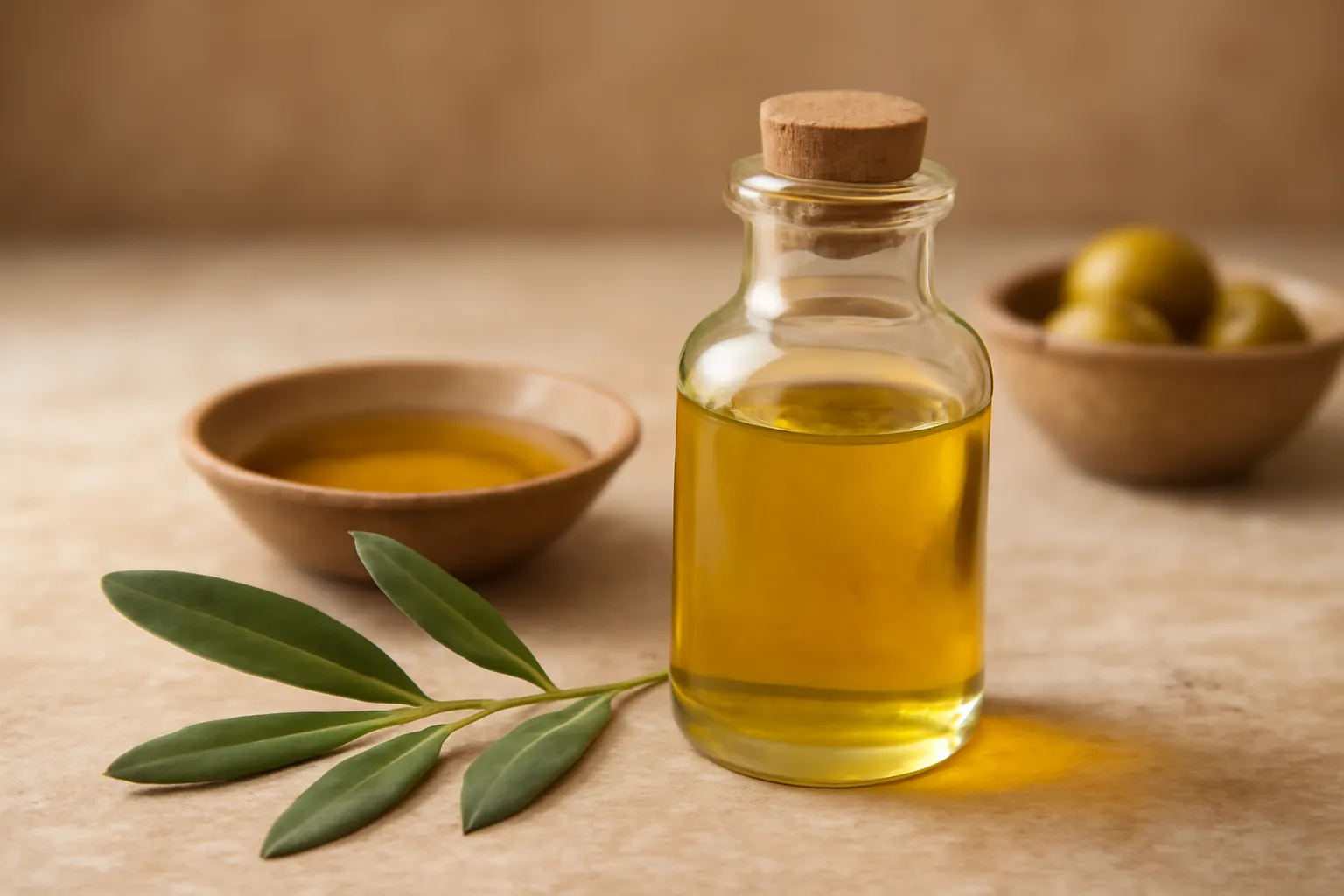
Holy Anointing Oil from Israel: Sacred, Authentic Blessings
Across centuries and faith traditions, the idea of holy anointing oil has stood as a tangible sign of consecration, empowerment, and divine blessing. When we speak of anointing oil from the Land of Israel, we are often referring to a tradition rooted in biblical texts, ancient ritual practice, and modern efforts to preserve an authentic sense of sacrality. This article explores the history, ingredients, theology, and contemporary practice surrounding holy oil from Israel, also called shemen mishcha in Hebrew, a term that evokes sacred use and careful stewardship.
The concept of the holy anointing oil is captured most clearly in the Hebrew Bible, particularly in the book of Exodus. In Exodus 30:22–33, a sacred recipe is described for making a ceremonial oil that is to be used exclusively for the Tabernacle, the altar, the Ark, and the priests. The text emphasizes that this oil is holy to the Lord, and that it should not be replicated for ordinary use. The prohibition underscores the oil’s special status: it is not a common perfume but a sacred rite, a symbol of consecration and divine authorization.
In addition to its explicit use for the priests (the Aaronic lineage) and the sacrifices in the Tabernacle, the act of anointing with oil also figures in the anointing of kings and leaders in later biblical narratives. This broader arc—from sanctuary rituals to leadership anointings—helps readers understand the spiritual authority and responsibility associated with the oil. In that sense, the anointing oil from Israel is not merely perfumed substance; it is a sign that something is set apart for holy service.
Across Jewish, Christian, and other interpretive traditions, the oil’s symbolism expands beyond the temple context. It comes to symbolize blessing, healing, empowerment for service, and the setting apart of people, objects, or spaces for divine purposes. When one encounters the phrase authentic biblical oil, many readers envision a lineage that connects ancient practice with modern intentions—an effort to honor the memory of sacred acts while recognizing present-day modesty and reverence.
Traditional Ingredients and the Mishcha Recipe
The biblical recipe for shemen mishcha centers on a base of olive oil enriched with a selection of aromatic resins and spices. The exact biblical measurements are not expressed in modern units of weight and volume, but ancient sources describe a careful blend intended to be both fragrant and durable for its ceremonial role.
Olive oil as the base: The olive oil itself is not merely a carrier; it is the living medium through which the spices and resins are conveyed. A high-quality, extravirgin oil is often highlighted in modern renderings of the recipe because it reflects clarity, purity, and endurance.
Myrrh (commonly included in the original mix): A resinous compound valued for its fragrance and symbolic associations with sanctity and purification.
Cinnamon and Cassia: These two spices contribute warmth and depth to the scent, while also signaling the richness of sacred service.
Calamus (also called sweet cane): A fragrant reed noted for its sharp brightness and its role in the aromatics of the ancient world.
Modern artisans and scholars often describe the holy oil from Israel as a careful synthesis of these elements with olive oil, though the precise ratios may vary among traditionalists and contemporary producers. Some contemporary versions include only a subset of these ingredients to reflect practical considerations (such as availability and safety), while others strive to replicate what is known from biblical descriptions as closely as possible within ethical and halachic or ecclesial guidelines.
It is important to note that the biblical text emphasizes purity and sanctity. The oil is set apart specifically for certain sacred purposes and is not intended for everyday perfume or cosmetic use. In that sense, the phrase holy anointing oil carries not only a fragrance but also a mandate: it marks an act of consecration, not mere decoration.
Historical Uses Across Time
In Ancient Israel: The Tabernacle, Temple, and Priestly Anointing
In the era of the Tabernacle (and later the Temple), the anointing oil from Israel was part of the liturgical toolkit. Priests were anointed with the oil to denote their service to God, and the altar and sacred objects bore the same blessing. This ritual act was believed to impart divine favor and designate objects and people for sacred purposes.
The ritual ambits extended beyond the sanctuary to the realm of leadership. Biblical narratives recount the anointing of kings and prophets—an outward sign of inward vocation. In this sense, the oil functioned as a physical symbol of spiritual empowerment, a reminder that authority and sacred responsibility derive from a divine calling.
Later Traditions and Continuities
As Jewish practice evolved through the Second Temple period and into rabbinic Judaism, the symbolic role of anointing persisted in various forms, though the practical use of the original mishcha shifted. In various historical contexts, the idea of consecrating spaces or leaders persisted in liturgical prayers, ritual arts, and later in Christian and ecumenical contexts as well. The enduring appeal of the authentic anointing oil is its capacity to evoke a tangible link to a sacred past while translating that memory into present-day acts of blessing and devotion.
Modern Production in Israel
In the contemporary State of Israel, artisans, religious communities, and some commercial manufacturers offer products described as holy oil from Israel or holy anointing oil. The motivations range from liturgical use in synagogues and religious schools to devotional use within Christian communities and personal sacred practice. When discussing modern production, it is helpful to distinguish between oil intended for ritual consecration and oil that is marketed primarily as a fragrance or cosmetic product.
Ritual-grade oils: These products aim to reflect the sanctity of the biblical mishcha. They are prepared in controlled environments, often under supervision, and with explicit note of their sacred status. They are typically used for ceremonial purposes by clergy or laypersons who understand the traditional meanings of anointing.
Fragrance and perfumery oils: Some products marketed as “holy oil” or “anointing oil” emphasize aroma and spiritual symbolism without claiming to replicate a precise biblical recipe. These may be used for meditation, prayer, or decorative purposes rather than liturgical consecration.
Quality and kosher supervision: In Israel, as elsewhere, customers often look for oils that carry kosher certification, reliable production standards, and clear labeling about ingredients and intended use. This helps distinguish genuine ritual preparations from other products that simply borrow the language of sacred ritual.
For researchers, worship leaders, and curious readers, it is instructive to approach these oils with both reverence and critical inquiry. A responsible producer will provide information about ingredients, sourcing, and intended use, and will avoid making unverifiable claims about precise biblical likeness if those claims cannot be substantiated by historical texts.
Religious and Legal Considerations
The use of holy oil in Israel and beyond sits at the intersection of halachic (Jewish law), ecclesial custom, and modern consumer ethics. In Jewish tradition, the original mishcha is associated with sanctity and is reserved for specific sacred rites—primarily those connected to the Tabernacle and priestly service. As a result, many rabbinic authorities counsel strict adherence to these purposes and discourage repurposing the oil for secular or everyday beauty applications.
In Christian communities, the use of anointing oil has its own long-standing customs, including blessing, healing, commissioning, and symbolic empowerment. The theology of anointing—whether understood as a sacramental sign in liturgical churches or as a personal act of prayer in smaller congregations—emphasizes imparting grace, healing, and spiritual authority through a tangible ritual. When reading labels such as Israel-born anointing oil, it is useful to understand that different traditions may interpret the symbolism and permissible uses in distinct ways.
For those sourcing authentic oils from Israel, transparency is important. Look for documentation about:
Ingredients and their proportions
Production methods and facilities
Supervision by recognized authorities (where applicable)
Intended use (ritual only, or also fragrance/meditative use)
Storage and shelf-life considerations
Respecting these guidelines helps maintain the oil’s integrity as a sacred sign rather than a novelty product. It also honors the historical memory embedded in the practice of anointing that spans millennia.
How to Use and Blessings
A hallmark of the practice surrounding holy anointing oil—whether sourced from Israel or elsewhere—is the ritual context in which it is used. Different traditions prescribe different procedures, but several common themes recur: preparation, blessing, consecration, and mindful use.
Ritual Practices and Intent
Prayerful intent: Before applying, many practitioners choose a period of quiet prayer or meditation to set a sacred intention for the blessing or commissioning.
Purity and cleanliness: Ritual cleanliness—hands washed, container kept clean, and storage away from contaminants—helps maintain the oil’s sense of sanctity.
Application method: The oil is typically applied sparingly to modest areas of the body or on sacred objects, depending on the tradition and purpose. For objects, anointing may symbolize dedication or consecration of the space or item.
Blessing or dedication: Accompanying prayers or liturgical prayers are often recited to invoke blessing, protection, or empowerment as the oil is applied or used to anoint.
In Jewish practice, the emphasis remains on sanctification and service, with careful attention to the original sanctified purpose. In Christian practice, there may be additional emphases on healing, renewal, and the commissioning of individuals for ministry. Regardless of tradition, the overarching principle is reverence: to treat the oil as a sacred instrument that points beyond itself to a higher purpose.
Caring for Sacred Oils: Storage, Purity, and Longevity
Because holy oils are, in tradition, set apart for sacred use, proper care is essential to preserve their quality and symbolic significance. The following practical guidelines reflect a blend of historical respect and modern stewardship.
Storage conditions: Store in a cool, dark place away from direct sunlight and heat. Light and heat can alter the aroma and color, potentially changing the perceived sanctity of the oil.
Containers: Glass bottles with tight-sealing caps are preferred to preserve scent and prevent contamination. Some artisans use amber or cobalt glass to shield sensitive compounds from light.
Handling: Use clean hands or a clean applicator, and avoid contaminating the oil with outside substances. Return the bottle to storage promptly after use.
Labeling: Clear labeling that states the intended use (ritual, ceremonial, or devotional) helps maintain proper use and avoids misapplication.
Because the spiritual meaning of the oil is inseparable from its material form, many practitioners treat it with the same care they would give to liturgical vessels or sacred artifacts. The result is not only a fragrant substance but also a lived reminder of the sanctified purpose it serves.
Where to Find Authentic Oils or Components
For individuals and communities seeking a genuine connection to the idea of holy oil from Israel, several avenues exist:
Religious supply houses and specialized shops in Israel and abroad that advertise ritual oils, with clear labeling about ingredients and intended use.
Educational programs or temple/synagogue supply ministries that provide oils intended for particular ceremonies, often accompanied by guidance on proper use.
Artisans and small-batch makers who publish their sourcing ethics, production standards, and historical notes on the recipe, sometimes including references to biblical parallels and ancient trade routes.
Scholarly and theological publications that discuss the Mishcha in historical context, sometimes offering annotated recipes or suggested readings for those who wish to explore the topic more deeply.
It is prudent to be discerning: many products marketed as “holy oil” or “anointing oil” may be intended primarily for fragrance or decoration rather than ceremonial use. When possible, verify the claimed lineage, ingredients, and intended application. If you are part of a community that emphasizes liturgical accuracy, consult your clergy or a knowledgeable rabbi, priest, or liturgical officer about the appropriate use and provenance of the oil you choose.
Glossary and Key Concepts
To help readers build a clearer mental map of the topic, here is a short glossary of terms frequently used in discussions of holy oil and anointing.
Shemen mishcha (שמן משחה): The Hebrew term for the sacred anointing oil described in Exodus; literally “anointed oil” or “oil of consecration.”
Mishcha (מִשְׁחָה): The act of anointing or the substance used to anoint; it conveys the idea of setting apart for sacred service.
Exodus 30:22–33: The biblical source that outlines the ingredients and purpose of the holy oil in the Tabernacle era.
Kodesh (holy, set-apart): A descriptor indicating something dedicated to divine service and not for ordinary use.
Halakha (Jewish law): The legal framework within which discussions of ritual purity, consecration, and sacred use often occur.
Sanctification: The process or act of making something holy; in this context, the oil is a sign of sanctification for sacred tasks and spaces.
Frequently Asked Questions
Below are concise answers to common questions about holy oil from Israel and related practices. If your question remains unanswered, you may want to consult primary texts or trusted religious authorities for deeper guidance.
Is all oil labeled “holy oil” truly biblical? Not necessarily. Some products claim biblical lineage or symbolism, but they may vary in ingredients and intended use. Always check the ingredients and the producer’s notes about authenticity and purpose.
Can I use holy oil for everyday purposes? In many traditions, the original mishcha is reserved for sacred rites and cannot be repurposed for ordinary perfumery or cosmetic use. If you are unsure, seek guidance from a knowledgeable authority within your tradition.
What is the role of Israel in the modern production? Israel offers a geographical and cultural association with the biblical story, and some producers emphasize oversight, ritual intention, and historical resonance. This can add meaningful context for worshippers who value a direct link to the land and the ancient practice.
Are there safety concerns? As with any scented or aromatic oil, some people may have sensitivities or allergies. Use oils in well-ventilated spaces, perform spot tests, and discontinue use if irritation occurs.
Conclusion: Sacred Significance in a Living Tradition
The idea of holy anointing oil—whether described as the oil from Israel, sacred anointing oil, or anointing oil of the Land of Israel—survives as a living tradition that binds ancient practice to contemporary faith communities. Its essential message remains constant: a tangible sign of consecration, a symbol of divine empowerment, and a reminder that certain acts, spaces, and people are set apart for sacred purposes. While modern producers in Israel and around the world offer oils with varied ingredients, labels, and intended uses, the core meaning endures: sacred acts require reverence, responsibility, and a sense of historical continuity.
For those who encounter the phrase holy oil from Israel in liturgy, prayer, or devotion, the invitation is not merely to enjoy a fragrance but to participate in a chain of meaning that stretches back to biblical altar fires, anointed priests, and leaders who bore a responsibility to serve with humility and faith. Whether you explore this topic as a scholar, a worship leader, or a seeker of spiritual symbolism, you enter a conversation that has survived through ages by balancing memory with present-day integrity. In that balance lies the blessings that so many have sought—blessings that are authentic, rooted in history, and continually renewed by the faith and devotion of communities around the world.