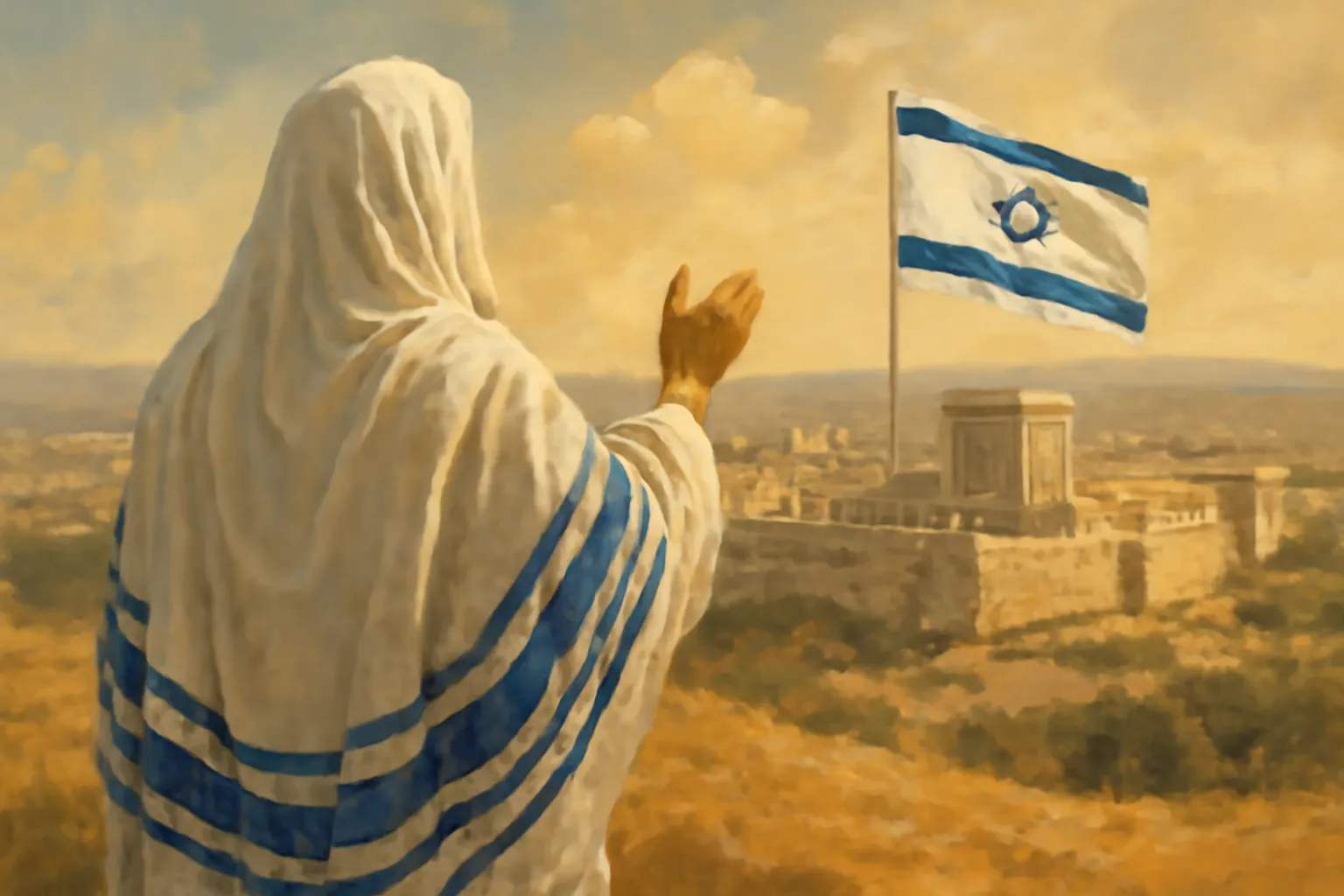
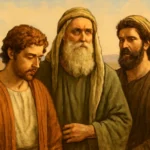
Israel has long been described as «God’s chosen» in biblical literature. This designation appears as a foundational thread through the Hebrew Bible and has continued to influence religious thought, identity, and interpretation for millennia. In this article, we examine the biblical basis for Israel’s election, trace the historical arc of the people as God’s chosen nation, and explore the significance of that status for Judaism, Christianity, and broader religious discourse. We will use variations of the phrase to capture the range of meanings scholars and communities attach to this concept, including the elect of Israel, the covenant people of Israel, the chosen people, and God’s chosen people.
The claim that Israel is God’s chosen people rests on a network of covenants, promises, and anthropological language in the biblical text. This election is not a blank cheque for privilege alone; it carries responsibilities, blessings, and a mission that centers on relationship with God, holiness, and witness to the surrounding nations. The concept is complex, layered, and sometimes controversial, especially in later theological developments. Here we present the core biblical foundations and the most frequently cited lines of evidence.
The Abrahamic Covenant: Foundations of Selection
Early in the narrative, God’s relationship with Abraham introduces the language of election that would shape Israel’s self-understanding. In Genesis, the patriarch is chosen by grace and assigned a vocation: to become a blessing to the nations. The core elements of the Abrahamic covenant include land, descendants, and a blessing that would extend to all peoples through Abraham’s line. The pivotal portions often highlighted are:
Land and nationhood—God promises Abraham that his descendants will possess a homeland and become a great nation.
Descendants—a numerous lineage is promised, not merely for Abraham’s benefit but so that «in you all the families of the earth shall be blessed.»
Blessing and mission—the blessing given to Abraham will be extended to others; this frames Israel as a conduit of divine favor and spiritual responsibility.
From the outset, the elect people motif is tied to a vocation. Israel is chosen to be a channel through which God’s purposes for humanity would be realized. The phrase “I will make you into a great nation” signals not only a privilege but also a covenantal obligation: faithfulness to the promises entails trust, obedience, and ethical living. The Abrahamic narrative therefore supplies a theological basis for considering Israel as God’s chosen lineage—the seed through whom the divine plan for blessing unfolds.
The Mosaic Covenant at Sinai: Law, Identity, and Mission
The most explicit articulation of elective status often centers on the Mosaic Covenant established at Sinai. After delivering Israel from Egypt, God gives a constitution—laws, rituals, and a framework for communal life—that binds the people to divine purposes. The language of election appears in various forms: a chosen people, a kingdom of priests, a holy nation. Some of the key elements include:
Declaration of belonging—Israel is set apart as a people who bear a special relationship with God.
Laws for holiness—boundaries, laws, and ritual practices are designed to cultivate fidelity to the Torah and to God.
A priestly vocation—as a «kingdom of priests,» the people are called to model righteousness and to serve as a moral witness to the nations.
In this covenantal frame, the chosen people are identified not by superiority alone but by a covenantal bond that requires obedience, faithfulness, and communal discernment. The narrative emphasizes memory, ritual practice, and social justice as expressions of Israel’s identity as God’s elect in the world.
Other Texts that Shape the Election Theme
Beyond Genesis and Exodus, other biblical strands crystallize the idea of Israel as the covenant people. These include:
Deuteronomic reiterations—retellings of blessing and curses tied to the people’s fidelity, reinforcing the election as a moral vocation rather than mere privilege.
Prophetic literature—the prophets address how election should translate into justice, righteousness, and faithfulness to the covenant. They often call the people to repentance when they forget their calling.
Psalm and wisdom traditions—poetic and proverbial expressions of living out the status of being God’s chosen, including trust in divine care and the ethical demands that accompany the relationship.
In theological terms, these texts together present a nuanced picture of Israel as the elect—a people set apart for a mission to bless the world, sustained by covenantal relationship with God, and accountable for how holiness and justice are lived out in daily life.
Historical Trajectory: The People of Israel as God’s Chosen through Time
The biblical claim about Israel being the chosen nation is not a static badge but a moving narrative that covers centuries. The history of the covenantal people unfolds through periods of triumph, trial, exile, return, and diaspora. Here is a concise sketch of major eras where the election theme is visible in practice and memory.
Patriarchs to the Land: Foundations of Identity
The ancestral stories—Abraham, Isaac, and Jacob—establish the seed of the people who will bear the divine vocation. The wanderings, encounters with God, and the eventual settlement in Canaan create a sense of national and religious identity rooted in a promise-keeping God. The narrative emphasizes that the chosen status arises from God’s initiative, not purely from innate merit, and it is tied to faith in the God who calls and blesses.
Exodus, Wilderness, and Sinai: Formation as a People
Collectively, the Exodus marks a turning point when a family becomes a nation under a divine law code. The road from oppression to covenant—a path through the sea, the provision of manna, and the giving of the Ten Commandments—is central to the memory of Israel’s election. The Sinai event is frequently cited as the moment when Israel publicly affirms its status as the chosen people and accepts the responsibilities that accompany that status: fidelity to the covenant, justice for the vulnerable, and a mission to model righteousness before the nations.
Conquest, Monarchy, and Temple: Living Out Election in Society
Under the judges, and later the united and divided monarchies, the chosen nation experiences a new phase of self-understanding. The Davidic covenant—God’s promise to establish David’s throne and to build a lasting dynasty—adds a political dimension to election: leadership is envisioned as a spiritual trust, governed by divine purposes. The construction of the Temple in Jerusalem becomes a physical locus for the presence of God among the people and a focal point for devotion, prayer, and festival life. Throughout this era, the people’s fidelity to the law and to the God who elected them remains a core concern of communal life because their status as God’s chosen ones is tested in real-world governance, religious practice, and social justice.
Exile, Return, and the Persistence of Identity
The Babylonian exile is a watershed moment in which the fate of the elect people is brought into sharp relief. The destruction of the Temple and the loss of homeland threaten to erase the story, yet in exile, Jewish communities deepen their sense of covenantal identity through scripture, prayer, and memory. The subsequent return under Persian decree, the rebuilding of the Temple, and the reestablishment of communal life demonstrate a form of election that persists beyond geography. The concept of being God’s chosen crowd becomes tied not only to a location in Canaan but to a robust, resilient memory and a fidelity that can endure diaspora and persecution. This is a key moment in the ongoing claim that Israel’s election has a theological scope that transcends political borders.
Diaspora and Continuity: The Elect People in the Modern Era
In later centuries, the Jewish people live as a widespread diaspora, maintaining a strong sense of their special relationship with God while adapting to diverse cultural contexts. The idea of the covenant people continues to shape Jewish liturgy, ethics, and communal life, even as interpretive foregrounds vary. The concept of election becomes a lens through which contemporary questions—about national identity, religious freedom, ethics, and interfaith relationships—are explored. For many communities, being God’s chosen nation remains a living memory and a call to witness, service, and moral action within a global habitat.
Theological and Practical Significance of Israel’s Election
The designation of Israel as God’s chosen carries profound theological implications and practical consequences. Different faith traditions read the biblical evidence in diverse ways, leading to a spectrum of understandings about purpose, vocation, and authority.
In Judaism: Covenant, Land, and Ethical Memory
For many Jews, the chosen status is grounded in covenantal fidelity and communal responsibility rather than a guarantee of privilege. It is linked to:
Observance of the Torah—faithfulness to the laws that define the relationship with God.
Social justice—a moral anthropology that centers care for the stranger, the widow, and the poor as tangible expressions of the divine call.
Relational memory—the continuous remembering of the Exodus, Sinai, and the covenants as ongoing commitments rather than past events alone.
In this reading, election is a lived reality that shapes identity, practice, and hope—the hope that fidelity to the covenant will sustain the people and the world they inhabit.
In Christianity: Israel’s Election, Gentile Inclusion, and Fulfillment in Christ
Christian interpretations of Israel as the chosen people diverge in important ways. Many theologians understand Israel as a people with a unique covenantal vocation that continues into the Christian era, yet they also emphasize that:
Christ as fulfillment—Jesus is seen as the culmination of Israel’s story, through whom the blessing to the nations is fully realized.
Gentile inclusion—the New Covenant opens the elect relationship to non-Israelites, transforming the dynamics from exclusive privilege to universal invitation.
Continuity and discontinuity—some strands of the law and prophetic expectations are understood as fulfilled or reinterpreted in light of Christ, while others retain ongoing ethical implications.
In this frame, Israel’s election remains a significant part of the Christian narrative, but it is interpreted in light of the gospel’s proclamation that God’s purposes extend beyond a single ethnic or national group to include all who respond in faith. The relationship between Israel and the Church becomes a field of ongoing interpretation and dialogue.
Interfaith and Modern Thought: Ethics, Identity, and Public Discourse
In broader religious and public discussions, the phrase Israel’s chosen status intersects with questions about history, justice, and the rights of peoples. Some scholars emphasize:
Ethical responsibility—the moral obligations that arise from being considered God’s elect, such as care for the vulnerable and a commitment to justice.
Historical memory—how narratives of election shape collective memory, national identity, and communal resilience across generations.
Interfaith dialogue—how Christian, Jewish, and Muslim traditions each approach the idea of a “chosen people” and how these perspectives can foster mutual understanding.
These discussions remind readers that the concept of God’s chosen people has always been dynamic, interpreted through time, culture, and religious tradition. The significance of election lies not only in a claim of privilege but in a call to responsibility, witness, and fidelity to the divine purpose for the world.
Contemporary Reflections, Reinterpretations, and Debates
The modern era has added new dimensions to the conversation about Israel as God’s chosen nation. Some questions commonly explored include:
Diversified interpretations—How do different denominations and movements within Judaism and Christianity understand the concept in light of historical experience and scientific insights?
Ethical implications—What does it mean for a modern community to hold an election that involves a land, a people, and a divine vocation in a globalized world?
Political and spiritual intersections—How do religious understandings of Israel’s chosen status relate to national identity, civil rights, and international relations?
Scholars and religious leaders often emphasize a balanced approach: acknowledging the biblical roots of the election while remaining attentive to the ethical demands of the present, and respecting the dignity of all people who bear divine image. In this sense, Israel’s chosen identity can be read as an invitation to pursue justice, mercy, and peace—principles that resonate across faiths and cultures.
Conclusion: The Polyphonic Significance of Israel as God’s Chosen
To speak of Israel, God’s chosen people is to tell a story that spans ancient promises, sacred covenants, and the ongoing task of living out a divine vocation in changing times. The biblical basis lies in the Abrahamic promises and the Sinai covenant, whereby a people is set apart to be a blessing to all nations. The historical arc traces a path from patriarchs to the land, from temple worship to exile and diaspora, and from scriptural memory to modern identity. The significance of this status remains a central theme in Jewish life, a foundational element in Christian theology, and a rich field of interfaith dialogue and ethical reflection for readers today.
In sum, the chosen status of Israel is not a mere label but a lens through which faith, history, and moral responsibility intersect. Whether one approaches the topic from a Jewish, Christian, or secular vantage point, the concept invites careful attention to how a people’s relationship with God shapes their remembering, their conduct, and their hopes for a just and peaceful world.
Note: The term “God’s chosen people” and related phrases are used here in a descriptive, historical, and theological sense. Different faith communities interpret election in various ways, and the article presents a survey of mainstream perspectives without endorsing any single doctrinal position. Readers are invited to consider how these ideas relate to their own beliefs and to engage with a range of scholarly and devotional voices on the subject.