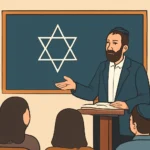
Beginning a journey toward Judaism through conversion classes is a meaningful step for many people drawn to the Jewish people, history, and spiritual life. Whether you are exploring Jewish identity, seeking a lifelong community, or pursuing a formal path toward becoming a Jew, a structured program can offer guidance, accountability, and a supportive network. This article provides a thorough overview of Judaism conversion classes, often called conversion courses, giyur programs, or gerut preparation, and explains what to expect, how to choose a path, and how to begin your journey with clarity and confidence.
Understanding the Path: What Are Judaism Conversion Classes?
Conversion classes are educational programs designed to prepare adults for formal acceptance into the Jewish people. They typically blend theology, history, language study, ritual practice, and ethical reflection. The exact format, pace, and requirements vary by denomination, community, and rabbinic guidance, but the core aim is the same: to cultivate knowledge, commitment, and a genuine sense of belonging within a Jewish community.
In many communities, the path to conversion culminates in a ritual process that includes immersion in a mikveh, potential circumcision for males, and a formal affirmation before a rabbinic panel known as a beit din (rabbinic court). The combination of study, practice, and ritual helps ensure that the conversion is not merely a formal act but a sincere commitment to living according to Jewish law and tradition as interpreted by the participating rabbinic authorities.
Because Judaism is not a single monolithic tradition, conversion courses can differ in emphasis. Some programs stress halakha (Jewish law) and synagogue life, while others foreground Jewish philosophy, ethics, and community identity. The diversity of approaches is not a contradiction but a reflection of the covenantal, communal, and pluralistic nature of Judaism. When you begin, you will likely encounter terms like Orthodox conversion, Conservative conversion, Reform conversion, and Reconstructionist conversion, each with its own criteria, standards, and typical outcomes.
Deciding Which Path Might Suit You: Denominational Differences in Conversion
One of the first conversations you should have when considering Judaism conversion classes is with a local rabbi or a community leader about denominational expectations. The denomination you choose will shape the requirements, the pace of study, and the ritual milestones you may encounter. Here is a concise overview of common pathways:
Orthodox pathways typically require immersion in a beit din and may require circumcision for males who are not already circumcised. The guidelines regarding Hebrew literacy and observance of mitzvot tend to be stringent, with a high emphasis on traditional liturgy and daily practice.
Conservative pathways emphasize a balance between traditional Jewish law and modern life. Beit din oversight is standard, and candidates often study a broad curriculum in Hebrew, Jewish law, and ritual life, with an expectation of meaningful observance.
Reform and Reconstructionist conversions generally focus on Jewish identity, ethics, and community belonging, with more flexibility in ritual practice and liturgical expression. Beit din review is still common, but the standards for ritual immersion and observance may differ from Orthodox models.
Individual or Alternative Pathways exist in some communities where rabbinic authorities design a customized track to address unique backgrounds, questions, or spiritual orientations. These paths still typically require study, community involvement, and a formal acceptance process.
As you explore, you may hear terms such as giyur (the act of formal conversion) and gerut (the state of being a convert). While the vocabulary can be technical, the essence remains the same: a sincere, community-backed process that leads to a public and religiously recognized affiliation with the Jewish people.
Preparing for the Journey: Prerequisites, Readiness, and Personal Reflection
Entering Judaism conversion classes requires intentional preparation. Program coordinators and rabbis often look for a combination of intellectual curiosity, emotional readiness, and a tangible commitment to living in accordance with Jewish values. Here are common prerequisites and readiness indicators:
Age and autonomy: Most programs welcome adults who can participate in discussion, make decisions, and assume responsibility for their learning. Younger teens may have different options, but adult tracks are the norm for formal conversion involvement.
Motivation: Clear personal motivation beyond social or familial pressure. A genuine interest in Jewish life, peoplehood, and spiritual practice is essential.
Belief and curiosity: Openness to exploring core questions about God, Torah, Jewish law, ethics, and ritual life. Some individuals enter with existing beliefs and others with questions; both approaches can be appropriate in the right program.
Community involvement: A commitment to participate in synagogue life, prayer services, study groups, or volunteer opportunities. Demonstrating sustained engagement signals readiness for deeper study and community integration.
Language readiness: Basic literacy in Hebrew or a willingness to learn is often expected, though language requirements vary by program and denomination.
Past experiences: Transparency about prior religious background, questions about observance, and any previous involvement with other faith communities helps instructors tailor the curriculum.
Before starting, many prospective converts undertake a personal assessment, sometimes with a mentor or rabbi, to articulate goals (for example, cultural connection, spiritual growth, or family integration) and to identify any areas that require extra support, such as Hebrew literacy or familiarity with Jewish holidays.
In addition to personal motivation, you will likely be asked to articulate a plan for how you intend to live as a Jew after conversion. This can include intentions to observe Shabbat, maintain dietary laws (kashrut), participate in lifecycle events, and engage with the surrounding Jewish community. Strong readiness emerges from both inner conviction and outward consistency in small daily practices.
The Core Curriculum: Topics Covered in Conversion Programs
Most Judaism conversion classes feature a robust, structured curriculum designed to build knowledge, practice, and identity. While the exact syllabus varies by program, the following topics are commonly included. Each subsection identifies what you might expect to study and why it matters.
Jewish History and Peoplehood
Ancient to modern Jewish history, including key events, figures, and turning points
Understanding the evolving concept of peoplehood and the relationship between the Jewish people and the land of Israel
Major contributions of Jewish communities across diaspora and homeland contexts
Practical guidance on keeping kosher, prayer, and synagogue etiquette
Ethical frameworks in Jewish law and how they apply to contemporary decision-making
Hebrew Language, Prayer, and Texts
Introduction to Hebrew reading and pronunciation
Key prayers, blessings, and the structure of daily, Shabbat, and festival services
Studying primary texts (Torah, Mishnah, Talmud basics) or an accessible modern commentary relevant to the program
Jewish Culture, Ethics, and Identity
Jewish ethics in modern life, interpersonal relationships, and community responsibility
Patterns of Jewish family life, lifecycle events, and communal leadership
Exploration of Jewish ritual, music, art, and cultural expressions across communities
Modern Jewish Thought and Philosophy
Dramatic shifts in Jewish thought from medieval to contemporary times
Dialogues about pluralism, feminism, LGBTQ inclusion, and social justice within Jewish contexts
Engagement with Jewish thought leaders and contemporary scholars
Israel and Jewish Peoplehood
Historical and political context of the State of Israel
Rationales and nuances behind various viewpoints on Zionism and Jewish settlement
How connection to Israel can be expressed in daily Jewish life
In practice, conversion programs often balance theory with experiential learning. Expect assignments, readings, reflective journaling, and opportunities to observe or participate in synagogue life and community events. Some programs integrate guest lectures from scholars, rabbis, or community leaders to broaden exposure to different approaches within Judaism.
The Practical Path: Scheduling, Assignments, and Study Habits
Participating in Judaism conversion classes requires dedication, but it can be tailored to various life circumstances. Here is a realistic view of what to anticipate and how to manage the practical aspects of the journey.
Time commitment: Most programs run for several months, though some are longer or shorter depending on the denomination and the learner’s pace. Expect weekly or biweekly classes, plus individual study.
Study structure: A mix of lectures, discussion groups, assigned readings, and written reflections. Some programs include language labs for Hebrew, while others rely on transliteration and modern translations.
Assignments and assessments: Reading responses, essays, quizzes, and practical demonstrations of knowledge (for example, leading a prayer or describing a mitzvah).
Mentorship and accountability: Many programs pair candidates with a mentor, tutor, or study partner to encourage ongoing engagement and provide personalized feedback.
Community opportunities: Attendance at services, participation in community service projects, and involvement in lifecycle events help integrate you into Jewish life.
Effective study habits can make a big difference. Consider forming a weekly study routine, using flashcards for Hebrew terms, joining a study group, and setting specific, measurable goals (for example, learn five new prayers or memorize a core section of Torah commentary). Regular practice not only builds knowledge but also fosters comfort with Jewish prayer, ritual life, and community norms.
The Rituals and Milestones: Immersion, Circumcision, and Beit Din
For many prospective converts, the journey leads to a formal set of rituals that publicly affirm a new Jewish identity. The precise requirements depend on denominational norms and rabbinic authorization, but several milestones are commonly encountered.
Mikveh Immersion
The mikveh is a ritual bath signifying spiritual purification and renewal
Immersion typically occurs after substantial study, practice, and readiness is demonstrated
The immersion is a personal and communal moment, often celebrated with family and close friends
Brit Milah or Hatafat Dam Brit
For males who have not been circumcised, brit milah is generally required to complete the conversion process in Orthodox and Conservative streams
If there is prior circumcision, some streams require a symbolic drop of blood called hatafat dam brit as part of the ritual confirmation
The decision regarding circumcision is made in consultation with the rabbinic authorities overseeing the conversion
Beit Din (Rabbinic Court)
A panel of rabbis or halakhic decisors evaluates the candidate’s knowledge, sincerity, and readiness
Beit din meetings may include questions about Jewish beliefs, daily practice, and understanding of Jewish law
A positive verdict from the beit din leads to the formal act of conversion and the official acceptance into the Jewish people
In some communities, the timing and sequencing of these rituals can vary. It is essential to follow the guidance of the overseeing rabbi and to communicate openly about any questions or concerns you have during the process. The rituals are not merely ceremonial; they symbolize a deepening commitment to a Jewish life that includes study, prayer, and ethical action within a community of shared values.
The Role of Community and Mentorship
A successful journey through Judaism conversion classes is rarely a solitary endeavor. The most meaningful and sustainable conversions emerge when a candidate builds strong relationships with mentors, peers, and a welcoming community.
Mentors: A rabbi, rabbinic student, or seasoned member of the community who can answer questions, review readings, and provide spiritual guidance
Study partners: Regular meetings with a fellow student or a study group to discuss readings, practice Hebrew, and prepare for beit din
Community involvement: Participation in Shabbat services, holidays, and social action projects to experience Jewish living in practice
Support networks: Access to counseling, pastoral support, and groups for converts to share experiences, struggles, and celebrations
Engagement outside formal classes often has a profound impact on the likelihood of long-term success. The community provides not only knowledge and ritual immersion but also a sense of belonging that can sustain you through challenging questions and moments of doubt. For many, the friendships and communal ties formed during conversion studies become a core part of their Jewish life for years to come.
After Conversion: Living as a Jew, Identity, and Practice
Once a conversion is complete, the transition into daily Jewish life continues. The post-conversion phase involves ongoing learning, participation in community life, and the incorporation of Jewish traditions into everyday routines. Here are some aspects to consider as you move forward after your formal acceptance:
Lifecycle rites: Observing weddings, brit milah or simchat bat naming, bar/bat mitzvah paths for children, and mourning rituals
Liturgical life: Keeping Shabbat and holiday observance, saying blessings, and engaging with the weekly Torah readings
Dietary practice: Observing kashrut guidelines and making informed choices about foods and meals
Israel and Jewish identity: Staying connected to Israel, learning about different communities, and participating in programs that celebrate Jewish peoplehood
Continued learning: Attending advanced classes, studying Jewish texts, and exploring philosophical and ethical questions
Many converts experience a period of ongoing adjustment, often called the “post-conversion phase,” during which they continue to build knowledge and refine personal practice. It is common to maintain regular study with mentors, participate in community programming, and cultivate a personal practice that reflects their own journey and interpretation of Jewish life.
Common Pitfalls and How to Avoid Them
As with any profound journey, there are potential challenges to anticipate. Being aware of these can help you navigate the process with greater resilience and clarity:
Rushing the process: Conversion is a deep, ongoing process; try to avoid pressuring yourself to finish quickly if the guidance you receive emphasizes steady learning.
Lack of community integration: If you focus only on study, you may miss the lived experience of Jewish practice. Seek opportunities to participate in services, meals, and community events.
Misalignment with denominational expectations: Ensure you truly understand the path you are on and how it aligns with your beliefs and life goals before committing to the process.
Under-communicating with rabbis: Open, honest dialogue about questions, concerns, or changes in circumstances helps the beit din and mentors tailor the program to your needs.
Unrealistic assumptions: Remember that while conversion can be spiritually transformative, it is also a lifelong commitment to Jewish life, law, and community norms.
By engaging with mentors, asking questions, and maintaining a consistent practice, you increase the likelihood of a meaningful and durable conversion that you can sustain throughout your life.
Resources and Finding a Program: How to Start Your Journey
Finding the right Judaism conversion classes is essential. A thoughtful selection can shape your learning experience, community integration, and the nature of your eventual acceptance as a Jew. Here are practical steps to locate the right program and make an informed decision:
Speak with a local rabbi: A conversation with a rabbi can help you understand denominational expectations, eligibility, and fit.
Visit synagogues and communities: Attend services, meet potential teachers, and observe how guests and converts are welcomed and integrated.
Ask about the curriculum and timeline: Request a syllabus, weekly topics, reading lists, and the anticipated duration of the program.
Check for beit din requirements: Learn what the rabbinic court expects in terms of knowledge, practice, and documentation.
Consider online and in-person options: Some programs offer online coursework with in-person immersion components, which can be convenient for distance learners.
Seek recommendations: Talk to converts who have completed programs to understand their experiences, challenges, and what they found most valuable.
When evaluating a program, consider factors such as the level of scholarly depth, the emphasis on ritual practice, the accessibility of instructors, the level of community support, and the compatibility with your personal beliefs and life circumstances. A well-chosen program will provide not only knowledge but also a welcoming environment that supports your growth as a Jew.
Glossary of Key Terms You Might Encounter
As you explore Judaism conversion classes, you will encounter a specialized vocabulary. Here is a brief glossary to help you navigate conversations and documents:
Giyur — the formal process of becoming Jewish through study, ritual, and beit din approval
Beit Din — the rabbinic court that witnesses the conversion and confirms eligibility
Brit Milah — circumcision performed for males as part of the conversion process when needed
Hatafat Dam Brit — a symbolic drop of blood administered in some conversions where a prior circumcision has occurred
Mikveh — a ritual bath used for immersion as part of the conversion process and for various life events
Halakha — Jewish law and its practical application
Peoplehood — the sense of belonging to a collective Jewish identity beyond individual belief
Sunset is Shabbat — a phrase sometimes used to describe the intersection of Jewish time and ritual transition
Sample Syllabus Outline: What a Typical Conversion Program Might Include
Introductory orientation: getting to know the program, meeting mentors, establishing goals
Foundations of Jewish belief: God, Torah, creation, and revelation
Jewish history and the experience of the Jewish people across centuries
Basic Hebrew reading and prayer: navigating the siddur (prayer book) and essential blessings
Jewish law fundamentals: Shabbat, dietary laws, holidays, and life-cycle events
Liturgical life: practice and understanding of blessings and prayer structure
Israel and Zionism: perspectives within different streams of Judaism
Ethics and modern Jewish thought: applying Jewish values to contemporary issues
Practical ritual participation: attending services, leading minimal prayers, and observing seasonal cycles
Beit Din preparation: oral examinations, documentation, and readiness assessment
Mikveh and circumcision planning (where applicable): logistical arrangements and emotional preparation
Final affirmation and immersion: the formal beit din judgment and post-conversion steps
Final Thoughts: Beginning Your Jewish Journey with Confidence
Embarking on Judaism conversion classes is a significant life decision. It invites you to explore questions about faith, community, and daily life in a way that can be both challenging and deeply rewarding. While the path toward giyur requires dedication and time, it is also a process of transformation—one that connects you to an ancient tradition and to a vibrant, evolving community.
To begin with confidence, focus on finding a program that aligns with your beliefs, fosters honest dialogue, and supports your growth as a learner and as a member of a community. Seek mentors who can guide you through intellectual questions and spiritual practice. Remember that the goal of these conversion courses is not merely to meet a checklist but to cultivate a life characterized by Jewish learning, ethical conduct, and joyful belonging.
If you are considering this path, reach out to a local synagogue or Jewish community center, ask about upcoming entry opportunities, and arrange an introductory meeting. Your journey may unfold at a pace that respects your life circumstances while remaining faithful to the substantial commitments and meaningful milestones that define Judaism conversion classes.